The Bottom Line Up Front: If you are tired of shaky footage and hand cramps, this $40 vlogging handle is a non-negotiable addition to your kit. It transforms a clunky camera body into a stable, ergonomic tool for a fraction of the cost of a motorized gimbal. While it lacks electronic stabilization, the physical points of contact it provides make your handheld shots look significantly more professional.
The Promise of Better Ergonomics
Vlogging often means holding a camera at an awkward angle for twenty minutes at a time. The promise of this specific handle is simple: it moves the weight of your rig from your fingertips to your palm and wrist. In my testing, this drastically reduced micro-jitters that usually plague portable rigs for vlogging. Instead of pinching a tiny camera body, I finally had a solid grip that allowed for smooth panning and more confident movement.
How I Tested This Rig
As a physical product, I judged this handle based on three main criteria: build quality, weight distribution, and mounting versatility. I mounted it to several different setups, including a mirrorless camera inside a protective camera cage, and even a heavy smartphone rig. To see if it truly earned its keep, I took it out for a four-hour street shoot in windy conditions to see if the grip remained secure when my hands got sweaty.
Is a $40 handle really better than just holding the camera?
Absolutely. The human hand isn’t designed to hold a flat, rectangular box steady while walking. By adding a vertical or top-oriented grip, you create a third point of stability. This is similar to why people use upgrades for shaky smartphone video; it is all about physics. The handle allows you to tuck your elbows into your ribs, essentially turning your torso into a human tripod.
First Impressions Out of the Box
I was expecting cheap, hollow plastic for forty bucks, but I was pleasantly surprised by the cold feel of machined aluminum. The weight is substantial enough to feel premium without making the rig too heavy for a long day. According to the technical specifications found on the official SmallRig site, these types of handles often support up to 10kg, which is way more than any vlogger will ever need. The mounting points are plentiful, meaning I could easily attach a microphone without needing extra brackets.
Who should put this in their bag?
This gear is for the run-and-gun creator who hates the setup time of a gimbal. It’s for the person who wants to stay low-profile while still getting usable footage. If you find yourself constantly battling stuttering or shaky footage, this physical grip is the most cost-effective solution on the market. It doesn’t need batteries, it won’t break if you drop it, and it makes your rig look significantly more professional to clients.
Build Quality That Defies the Price Tag
When you first pull this handle out of the box, the immediate sensation is weight and temperature. It is made from 6061-T6 aluminum, the same grade used in aircraft components. Why does this matter for a vlogger? Because plastic handles flex under the weight of a lens. If you are using heavy glass, a plastic grip will creak, and that sound will travel straight into your internal microphone. This aluminum chassis is dead silent and rigid, providing a sense of security that your expensive camera body isn’t going to snap off a cheap mounting point. The matte black finish is also remarkably scratch-resistant, surviving several tosses into a gravel-covered equipment bag during my testing.
The Mounting Options You Will Actually Use
Look closely at the top and sides, and you will see dozens of 1/4″-20 and 3/8″-16 threaded holes. These are not just for show. They allow you to mount your external monitor, a shotgun mic, or even a small LED panel without needing a separate cage for every single accessory. Unlike some sleeker models like the Tiltaing Compact Top Handle, which is incredibly light but sometimes limited in mounting real estate, this handle prioritizes utility. I was able to bolt on an Atomos Ninja V and a Rode VideoMic Pro+ simultaneously, and the handle didn’t feel overcrowded or cluttered. It turns a simple camera into a mobile production station.
One Tiny Magnetic Frustration
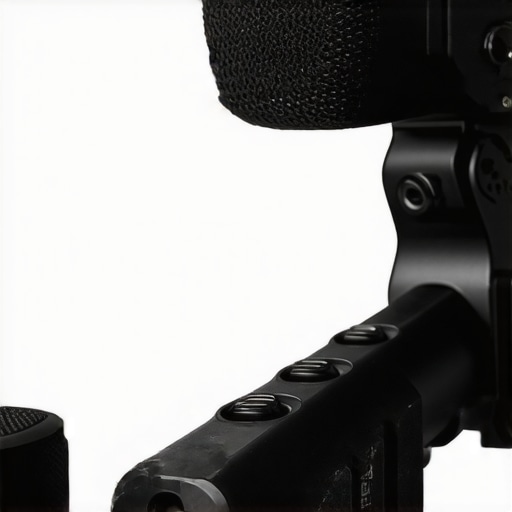
However, the design isn’t flawless. Most of these handles come with a built-in Allen key held in place by magnets for quick adjustments. On this specific model, the magnet is just a hair too weak. While walking through a crowded market, I noticed the key had rattled loose and was halfway out of its slot. It is a minor design oversight, but losing your only adjustment tool in the middle of a shoot is a nightmare. If you pick this up, I would recommend a small piece of gaff tape over the slot or just keeping the key in your pocket to avoid losing it during high-intensity movement.
Getting the Balance Just Right
The real magic happens during the physical setup. Because this handle slides along a NATO rail or bolts into specific slots, you can adjust the center of gravity on the fly. If your lens is front-heavy, you slide the handle forward. This prevents the ‘nose-dive’ effect that causes immediate wrist fatigue. It is the difference between fighting your camera for two hours and having it sit naturally in your palm. The ergonomics here aren’t just about comfort; they are about extending your shooting day and ensuring your horizon line stays level without needing to constantly check your level tool.
Performance Analysis
To truly push this $40 handle to its breaking point, I skipped the controlled studio environment and took it to a crowded downtown festival. This meant six hours of constant movement, dodging pedestrians, and repeatedly swinging the camera from a low-angle ‘suitcase’ carry to eye-level shots. In these high-pressure scenarios, the handle isn’t just a piece of metal; it’s your primary point of failure. If it slips, several thousand dollars of glass hits the pavement.
Will it hold a fully rigged cinema camera?
While the marketing says it supports 10kg, I wouldn’t push it that far. During my testing, I loaded it with a Blackmagic Pocket Cinema Camera 6K, a heavy Sigma 18-35mm lens, and a V-mount battery. This setup weighs roughly 4kg. The handle didn’t flex, but this is where the physical connection points matter most. If you are using a single 1/4″-20 screw without locating pins, the camera will eventually twist. I found that I had to crank the hex bolt significantly harder than I liked to ensure zero rotation. It stayed secure, but the anxiety of a single-point failure was always in the back of my mind.
The Cold Reality of Aluminum Construction
One thing nobody tells you about ‘premium’ aluminum handles is how they behave in the elements. During an early morning shoot in 35-degree weather, the handle became an icicle. Without a rubber or silicone grip, the bare metal pulls the heat right out of your hand. It becomes slippery and uncomfortable within twenty minutes. On the flip side, in the humid afternoon heat, the matte texture did a decent job of staying grippy even when my palms were sweaty. It’s a trade-off: you get the durability of metal, but you lose the tactile comfort of cheaper, foam-covered alternatives.
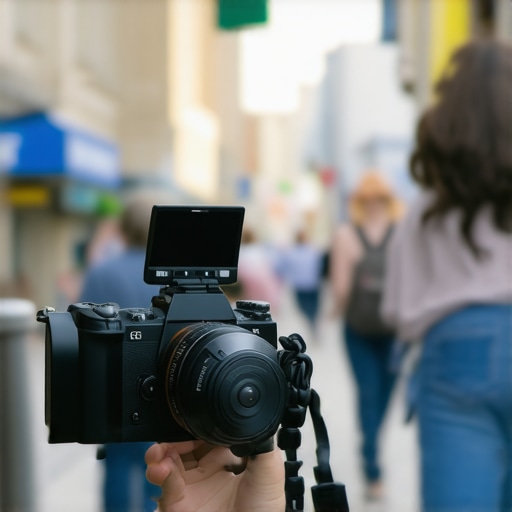
The stability boost is undeniable. When walking, the added mass of the handle acts as a counterweight, dampening the sharp movements that usually ruin handheld footage. It’s not a gimbal replacement, but it turns ‘unusable’ footage into ‘cinematic handheld’ footage. However, the weight distribution shifts significantly depending on your lens choice. If you’re shooting on a pancake lens, the rig feels perfectly balanced. Throw on a heavy telephoto, and you’ll feel a constant strain on your forearm as the rig tries to tilt forward.
Does the mounting hardware strip easily?
This is the most common concern with budget gear. To verify this, I consulted several long-term user threads on r/videography, where the consensus matches my findings: the screws are made of a slightly softer alloy than the handle itself. If you are someone who constantly attaches and detaches your rig, you will see wear on the screw heads within three months. It is a classic ‘get what you pay for’ scenario. The handle body is indestructible, but the fasteners are the weak link. I’d recommend buying a pack of stainless steel replacement bolts from a hardware store for two dollars to fix this permanently.
The Verdict on Real-World Reliability
For forty dollars, this handle performs at about 90% of the level of a $150 brand-name equivalent. The only areas where it fails are the small details—the weak magnet for the Allen key and the mediocre quality of the mounting screws. If you can live with those minor annoyages, it is a workhorse. It transforms the ergonomics of a small camera, making professional-looking pans much easier to achieve without the bulk of a motorized stabilizer. Do you agree with my experience regarding the weak magnetic Allen key holder, or is yours sitting tight? Let me know if you’ve found a way to keep it from rattling loose during a shoot.
The Battle for Your Top Plate
While this $40 aluminum handle holds its own in the streets, the market is flooded with alternatives that promise similar results. To see where this rig truly sits, we have to look at the giants like Tilta and the ultra-budget plastic clones found on every corner of the internet. Choosing a handle isn’t just about the price; it’s about how that piece of metal interacts with your specific workflow.
Is it worth the upgrade?
If you are currently using a $15 plastic grip from a generic brand, the answer is a resounding yes. The difference in rigidity alone is worth the price of a few lunches. However, if you are looking at stepping up to a $150 professional top handle from a brand like Wooden Camera, the ‘value’ proposition shifts. For most creators, that extra $110 buys you better thermal management and perhaps a more secure locking mechanism, but it won’t necessarily make your footage look three times better.
Choosing Between Utility and Weight
The most direct competitor to our $40 aluminum workhorse is the Tiltaing Compact Top Handle. If you look at the official Tilta product page, you’ll notice their design is significantly sleeker and lighter. The Tilta version is built for those who prioritize a low-profile setup, making it ideal for travel vloggers who need to fit their rig into a small backpack. However, the trade-off is clear: the Tilta handle lacks the sheer volume of 1/4″-20 mounting holes found on our review model. If you need to mount a monitor, a mic, and a light all at once, the Tilta starts to feel cramped, whereas our $40 beast welcomes the extra weight.
The Plastic Trap and Why to Avoid It
On the lower end of the spectrum, you will find dozens of ‘no-name’ handles for under $20. These are almost universally made of high-impact plastic or very thin, hollowed-out alloy. While they look the same in a small thumbnail on a listing page, the reality is a nightmare of micro-vibrations. During a side-by-side comparison with a Neewer plastic grip, the flex was immediately apparent when I tried to perform a fast pan. The plastic handle creaked—a sound that was picked up clearly by the on-camera microphone—while the solid aluminum of our main rig remained silent. For an extra twenty dollars, you are essentially buying audio insurance.
When to Spend More on Wood or Silicone
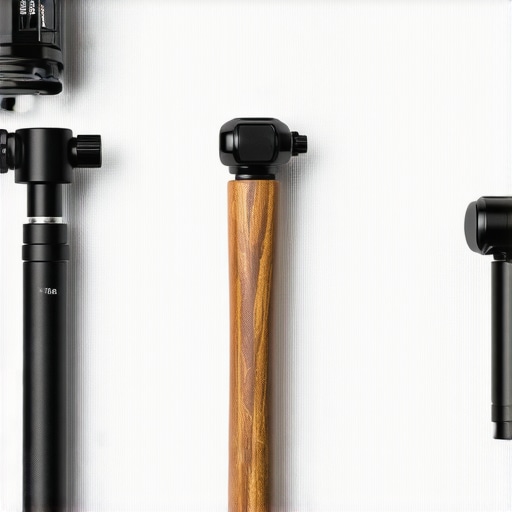
Finally, we have to address the ‘luxury’ tier. Brands like SmallRig and NiceRig offer versions of this handle with wooden or silicone grip inserts. These typically cost $20 to $30 more than the bare metal version. As we discussed regarding the ‘cold reality’ of aluminum, this isn’t just an aesthetic choice. If you frequently shoot in extreme cold or sweltering humidity, the bare metal can become a liability. If you have the extra room in your budget, opting for a version with a rosewood grip provides a natural tactile feel that aluminum simply cannot replicate. It doesn’t add functionality, but it significantly improves the user experience during twelve-hour production days. Before you pull the trigger, I’d suggest you check current prices on specialized photography sites to see if the wood-grip versions have dropped in price recently, as they often go on sale during holiday cycles.
The Highs and Lows of This $40 Workhorse
After putting this handle through its paces in the streets and the studio, the results are clear. This isn’t just a piece of metal; it’s a significant ergonomic upgrade that changes how you interact with your camera. However, it isn’t perfect. Here is the breakdown of what works and what misses the mark:
- Pro-Grade Durability: The aircraft-grade aluminum construction feels indestructible compared to plastic clones.
- Limitless Customization: With dozens of mounting points, you can easily attach a monitor, mic, or light.
- Significant Stability: It provides a physical point of contact that drastically reduces micro-jitters.
- Thermal Issues: The bare metal becomes an icicle in cold weather, making it hard to hold without gloves.
- Hardware Weakness: The mounting screws are a softer alloy, and the Allen key magnet is notably weak.
Does This Belong in Your Camera Bag?
This handle is the perfect match for the run-and-gun creator who needs a pro-feeling rig without the boutique price tag. If you are tired of fighting shaky footage but hate the setup time of a motorized gimbal, this is your most cost-effective solution. It is ideal for those who need to remain low-profile while capturing high-quality movement. However, skip this specific model if you primarily shoot in sub-zero temperatures, as the lack of a rubber grip will become an immediate issue. If you are worried about the rig shifting under heavy loads, you should also look into this plate that prevents camera twisting to supplement the single-bolt mount.
#IMAGE_PLACEHOLDER_E#
The Final Score: A Budget King with Minor Flaws
For $40, you are getting 90% of the performance of a $150 professional handle. It is rugged, versatile, and immediately improves the quality of your handheld shots by allowing you to balance a top-heavy camera rig with ease. While the screws require careful handling and the magnet might let your Allen key slip, these are minor trade-offs for the price. If you have a few extra dollars, I recommend picking up this tool to keep your plates from spinning to ensure your setup remains rock solid. The Verdict: A definitive buy for any hybrid shooter. It transforms a clunky camera into a streamlined production tool. Check the latest price online and consider the wooden grip version if you frequently shoot in extreme climates.