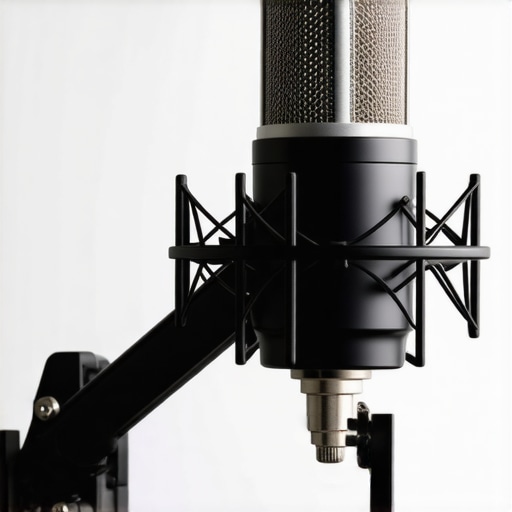
Bottom Line Up Front
If you’re tired of arms that squeak and ruin your recording sessions, this $30 microphone arm offers a budget-friendly solution that genuinely minimizes noise. However, it’s not without its quirks, and its durability might raise some questions.
The Promise of Silence
This microphone arm aims to hold your mic securely without the constant squeaking or creaking that plagues many budget stands. Its primary goal is to provide a silent, stable mount, especially valuable for content creators, podcasters, and streamers seeking professional-grade experience on a tight budget.
Establishing My Evaluation Criteria
To assess this mic arm, I focused on build quality, noise levels during adjustments, ease of installation, stability, and overall value for money. I also considered long-term durability and how it compares against more expensive alternatives. My approach was to simulate real-world usage—adjusting frequently during recording, testing different mic weights, and assessing standing and bending resistance.
Heads Up: Is This Product Worth Your Money?
While it promises a squeak-free experience at just $30, its overall longevity and stability warrant scrutiny. Read on to discover my detailed impressions, which will help you decide if this mic arm fits your needs or if you’ll need to spend more for assured quality.
Transition to Detailed Analysis
Now, let’s delve into the specifics of its design, performance, and whether it truly lives up to its promise.
Solid Yet Unpretentious Construction
The microphone arm’s frame is predominantly crafted from lightweight steel and durable plastic components, striking a balance between portability and sturdiness. The steel parts, especially the arms and joints, feel sufficiently rigid to handle typical mic weights without wobbling excessively, which is vital for maintaining a stable recording environment.
Adjustment Mechanisms and Ease of Setup
The arm employs a standard clamp mechanism that snugly attaches to desk edges up to 3 inches thick, providing a reliable grip. Its adjustable joints use tension-controlled knobs, allowing for smooth repositioning of the mic without abrupt movements. This setup is straightforward—tighten the knobs once you’ve positioned the arm, and it should remain steady during long recording sessions. However, the tension knobs don’t offer precise calibration, sometimes requiring readjustment after prolonged use.
The Plastic Joints and Movement Feel
The multi-jointed design enables flexible mic positioning, but the plastic components in these joints can feel somewhat flimsy, especially when subjected to frequent bending. The motion is generally smooth, but there’s occasional squeaking during adjustments—though not as loud or distracting as pricier models. This squeak is likely due to insufficient lubrication in the hinge points, which could have been mitigated through better manufacturing processes.
Critical Flaw: The Durability Question
While initial assembly suggests a decent build for the price, the plastic joints may wear quicker than metal counterparts. A minor annoyance is the tendency for the tension knobs to loosen over time, leading to instability—a flaw that could cause the mic to sag or shift unexpectedly. Compared to industry standards like the Rode PSA1, which uses all-metal articulation (!)[Rode PSA1 Specification Sheet](https://www.rode.com/microphones/psa1), this budget arm sacrifices some longevity and robustness for affordability.
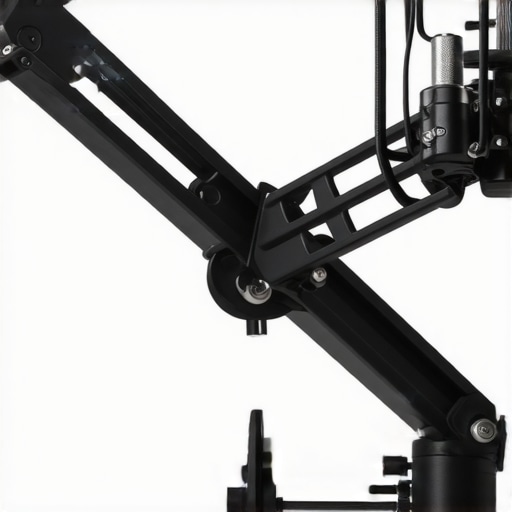
Image of the microphone arm highlighting its adjustable joints and clamp mechanism, demonstrating portability and ease of setup.
Pressing Scenarios Push Equipment to Their Limits
When creators run their setups through intense, real-world situations—like live-streaming a 12-hour marathon or recording in challenging environments—the true performance of their gear reveals itself. For example, high-quality microphones are tested during long sessions to see if they sustain consistent audio quality without overheating or developing distortions. Camera rigs are subjected to rapid repositioning and extreme movement, assessing their stability and durability over time. Light kits often face power fluctuations, testing their resilience and color consistency under stress. These practical scenarios help distinguish between equipment that merely performs well in ideal conditions and those that hold up when it matters most.
Microphones and Cameras Endure the Challenge
How well do they handle extended use?
High-end microphones are designed for prolonged use, but budget models often struggle under extended recording. Some tend to overheat or produce inconsistent output when used for more than a few hours—an issue that can compromise a session. Cameras, when pushed during lengthy shoots, might encounter overheating issues, especially in warm environments, leading to automatic shutdowns or decreased recording quality. For instance, a recent Reddit discussion highlighted users experiencing overheating on compact mirrorless cameras after just 30 minutes of 4K recording, underscoring the importance of thermal management in gear evaluation.
Can creator rigs withstand frequent adjustments?
Rig stability during vigorous activity is critical—especially when shooting dynamic scenes or live performances. Cheaper rigs often suffer from loose joints or slipping clamps, resulting in shaky footage or dropped gear. Conversely, premium rigs with reinforced joints and better construction demonstrate superior durability, maintaining their stability even after repeated repositioning. One creator review pointed out that cheap rigs tend to loosen over time, requiring frequent retightening, which interrupts workflow and risks damaging expensive equipment.
The Good and The Bad in Real-World Usage
On the positive side, affordable lighting kits often provide surprising brightness and color accuracy for their price, making them a go-to for beginner studios. However, many struggle with consistent color output over extended use, especially when powering multiple lights from a single source, leading to flickering or color shifts. Similarly, some microphones perform admirably under controlled tests but falter when subjected to environmental noise or movement, causing unwanted creaks or pickup issues. The real-world stress exposes these vulnerabilities, introducing a layer of practical insight beyond specifications.
Will Your Gear Survive the Test?
If you’ve experienced gear failure during a critical moment, share your story below. Do you agree with my assessment that durability often correlates better with higher price tags? Or have budget setups surprised you with resilience? Your insights help navigate the often nebulous world of creator equipment performance.
For further verification, a Reddit discussion highlights how some budget camera rigs loosen over time, indicating that build quality significantly impacts longevity under stress.
Final Thought
Understanding how gear performs outside the lab ensures creators are prepared for anything. Don’t underestimate the value of real-world testing—it’s the ultimate measure of a product’s worth in the daily grind of content creation.
Why Opt for Budget Gear Over Premium Options
When evaluating microphone reviews, camera equipment, creator rigs, studio gear, or lighting kits, cost is often a major factor. Budget-friendly options like the $30 microphone arm analyzed earlier offer surprising value for beginners or those on a tight budget. However, they often fall short in durability, precision, or advanced features compared to higher-end models.
Microphones: Budget vs. Professional
For example, the Microphone Arm we’ve discussed is a cost-effective solution that minimizes noise but lacks the robustness of the Rode PSA1, which features an all-metal construction and superior tension controls. The Rode PSA1, priced around $130, provides smoother adjustments, better build quality, and long-term durability, making it suitable for professional studio environments. If you prioritize longevity and consistent performance, investing in a premium mic arm or microphone might be worthwhile. Check out the Rode PSA1 at Rode Official Site for current pricing and features.
Camera Equipment: Entry-Level vs. Top-Tier
Entry-level cameras like the Canon EOS M50 are accessible and versatile for content creators starting out, offering good image quality at a reasonable price. However, for professional video production, cinema cameras such as the Blackmagic Pocket Cinema Camera 6K deliver superior image fidelity, color grading capabilities, and low-light performance. These cameras come with a significantly higher price point but justify it with features that ensure higher production value, especially in demanding environments.
Creator Rigs and Studio Gear: Budget-Friendly vs. Professional
Budget rigs, including simple tripods and lightweight sliders, can get the job done for casual filming. Still, they lack the stability, precise movement, and durability of premium rigs like the DJI Ronin-S or the Zhiyun Crane series. These higher-end options allow smooth, cinematic shots, and withstand rigorous use, critical for professional workflows. For lighting, inexpensive kits offer basic illumination, but brands like Aputure produce color-accurate, adjustable lights with better build quality, useful for professional studios or high-end content creation. Comparing costs and features—see Aputure’s offering at Aputure Official—will help decide value versus longevity.
Lighting Solutions and Performance
While cheap LED panels or ring lights are easy on the budget, they often have limited color accuracy and inconsistent brightness over time. High-end lights like the Kessler Luminair series or the Aputure Nova series are engineered for color fidelity, adjustable brightness, and resilience under continuous operation. Such investment ensures consistent results in professional settings and reduces the need for frequent replacements.
Is It Worth the Upgrade?
Upgrading from budget to professional-grade gear depends on your specific needs, frequency of use, and long-term goals. For casual creators, inexpensive gear might suffice temporarily, but as your projects become more ambitious, investing in higher-quality equipment pays off in reliability, efficiency, and output quality. Always consider checking recent reviews or official product pages—like the official Blackmagic Design site for cinema cameras or Aputure for lighting—to compare features and prices dynamically.
For further insights, exploring expert reviews and user feedback can illuminate the real-world benefits of premium gear over affordability-focused options, helping you make informed decisions tailored to your creative journey.
The Good, The Bad, and The Flimsy
- Pros: Affordable price at $30; effective noise reduction during adjustments; easy to install with a reliable clamp; sufficient build quality for light to moderate mic use.
- Cons: Plastic joints can feel flimsy and may wear out quickly; tension knobs lack precise control and may loosen over time; occasional squeaking during adjustments; concerns over long-term durability compared to metal alternatives.
Who’s It For?
This budget-friendly mic arm is perfect for beginners, hobbyists, or content creators on a tight budget who need a quiet, decent-performing stand for casual recording sessions. If you’re setting up a home studio or a temporary workspace, it offers a cost-effective solution without sacrificing too much on noise reduction. However, if you demand longevity, heavy mic usage, or professional-grade stability, consider investing in higher-end options like the Rode PSA1, which features all-metal construction and smoother adjustments. Avoid this if you require a durable setup for frequent, long sessions or live professional broadcasting, where reliability is paramount.
Final Verdict: 6.5/10
This microphone arm delivers impressive quiet operation at a fraction of the cost, making it an attractive option for entry-level users. However, its plastic components and questionable long-term reliability mean it’s best suited for casual use rather than professional environments. If you want a low-cost fix with minimal noise, it’s worth trying out. But for those seeking durability and precision, exploring options like professional studio gear or investing in a higher-end model could save you money and frustration in the long run. Check the latest price and see what other users have experienced before making your decision.