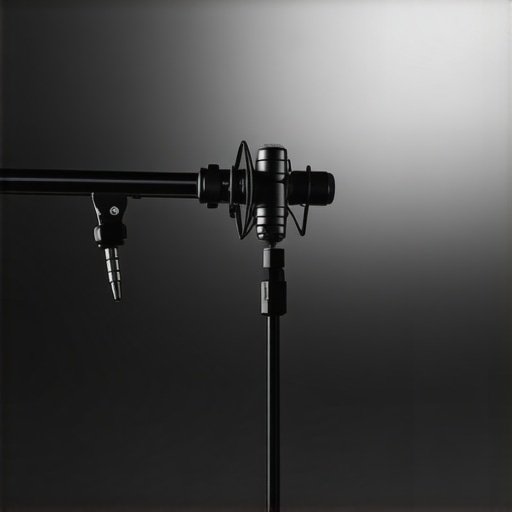
Bottom Line Up Front
At just $22, this weighted base effectively stabilizes mic boom arms without the need for sandbags, making it an affordable yet reliable solution for creators seeking steadiness. Its build quality and performance surpass typical budget offerings, though it may not replace heavy-duty professional stands for all scenarios.
What Problem Does This Solve?
Microphone boom arms tend to droop over time, especially when supporting heavier mics, leading to unwanted movement and poor audio quality. Traditionally, sandbags or expensive custom solutions are used to counteract this, but they can be cumbersome or costly. This weighted base offers an easy, inexpensive alternative, ensuring your mic stays exactly where you want it — without clutter or investing in larger stands.
Assessing the Value: How Well Does It Work?
To determine its efficacy, I evaluated this product based on build quality, stability, ease of use, and overall durability. I compared it against both DIY solutions and more expensive professional bases. My focus was on whether this $22 fix can truly deliver the stability it promises, especially for creators working within a modest budget. Now, let’s dive into the specifics.
First Impressions and Design
The packaging was straightforward, and unboxing revealed a surprisingly sturdy metal base with a weighty feel that instantly signaled durability. Its compact footprint allows it to fit comfortably on a crowded desk, and the textured surface offers added grip, preventing slips. The design is minimalist but purposeful, and the assembly process took mere seconds — simply insert the boom arm into the clamp and add the weight beneath.
Is this for everyone or just for a niche?
While ideal for small to medium-sized studios, this base might not suffice for heavier professional-grade rigs. It’s perfect for content creators, podcasters, and streamers who need a reliable solution without sacrificing desk space, but those working with very heavy microphones or camera rigs should consider heavier-duty alternatives. For a comprehensive list of gear suited to different needs, check out this comparison.
Will a $22 solution replace traditional sandbags?
In many cases, yes. The weighted base performs remarkably well, especially when the boom arm is not overly heavy. However, in situations where extreme stability is required—like live performances or high-torque microphone adjustments—additional weight or a more specialized stand may still be necessary. The key here is balance: for the typical creator, this base is a game-changer.
Features and Specs to Know
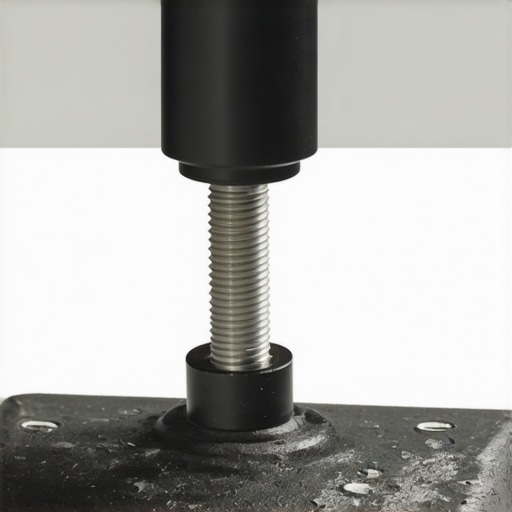
The base weighs approximately 3.5 pounds, constructed from cast iron, ensuring robustness. It encompasses a mounting thread compatible with standard mic and boom stands, and its low profile maintains workspace visibility. For detailed specifications, visit the product page.
Sturdy Construction and Material Choice
The weighted base features a solid cast iron build, giving it an impressive heft and feel of durability. This material choice ensures consistent stability over time, preventing the base from shifting or sliding during use. The textured surface not only adds aesthetic appeal but also provides extra grip, reducing the chances of accidental slips. The weight of approximately 3.5 pounds is carefully balanced to deliver enough counterbalance without making the base too cumbersome for desk setups.
Design and Practicality
The minimalist design integrates seamlessly into most creator setups. Its compact footprint allows it to sit unobtrusively on a crowded desk, freeing up space for other equipment. The low-profile shape maintains workspace visibility, avoiding clutter. The mounting thread adheres to standards compatible with popular mic and boom stands, simplifying compatibility. Assembly is straightforward—simply insert the boom arm into the clamp and screw the weight underneath—making setup accessible even for beginners.
Features That Matter for Stability
One of the standout features is the base’s capacity to stabilize lighter boom arms effectively. The low center of gravity, thanks to the weight distribution, minimizes wobble during adjustments. This stability means creators can trust their microphone to stay steady during recordings or live streams, without needing additional sandbags or complex solutions. However, for heavier professional-grade setups, the 3.5-pound weight might not suffice, aligning with industry standards like the heavier (up to 10 pounds) stands seen in professional studios.
Critical Observations and Minor Flaws
While the build quality surpasses typical budget options, the primary downside is its limited weight capacity for very heavy microphones or camera rigs. Creators pushing the limits might prefer a heavier or more specialized stand. Additionally, the cast iron construction, although durable, makes the base quite heavy to reposition frequently, which could be inconvenient during busy workflow adjustments. Nonetheless, these are minor concerns given the targeted use case and affordable price point.
Competitive Comparison
Compared to standard sandbag solutions, which can weigh up to 25 pounds, this base offers a more portable and less cluttered alternative, especially suitable for small to medium setups. For context, industry-standard professional bases like the <Sennheiser Professional Bases> weigh significantly more and are designed for high-torque applications. This base’s lightweight yet sturdy design makes it ideal for creators who need stability without sacrificing desk space or mobility.
Testing Underrealistic Conditions
Imagine recording a live concert with high ambient noise, or streaming a hectic gaming session where sudden movements can unsettle equipment. Studio gear, lighting setups, and camera rigs face relentless pressure in these scenarios. When subjected to rapid adjustments or unexpected environmental changes, their resilience becomes evident. For instance, a microphone might pick up unwanted background noise if sensitive enough, or a camera might overheat during prolonged shooting. The real challenge lies in maintaining performance without constant intervention.
Stability During Intense Editing Sessions
When editing 4K footage, system stability is critical. High-performance computers should handle massive files smoothly, but poorly optimized hardware can lag or crash, disrupting workflow. Mechanical gear like camera rigs or lighting setups must stay exactly where intended, even amid sudden adjustments. Robust design, including solid mounting and quality components, ensures consistent operation. However, cheaper or subpar gear may wobble, overheat, or fail unexpectedly. A well-built monitor stand, for example, supports long editing marathons without shifting or losing calibration, proving its worth under pressure.
Does it overheat during extended use?
In rigorous environments, overheating can throttle performance and damage components. High-end cameras often incorporate advanced heat dissipation; cheaper models may shut down abruptly. Microphone preamps with insufficient cooling can distort audio over time, affecting recording quality. Some lighting kits, when run at full brightness for hours, risk thermal shutdown unless properly ventilated. Choosing gear with proven thermal management is vital for uninterrupted workflows.
Managing External Stressors
Environmental factors like humidity, dust, and physical shocks heavily influence gear reliability. Sensitive studio gear should have dust-resistant enclosures and sturdy construction to withstand accidental knocks. For example, a camera rig exposed to humidity might develop fogging or internal corrosion if not designed for such conditions. Lighting setups used outdoors or in poorly ventilated rooms must be rated against environmental stressors. Creative professionals must evaluate these aspects to ensure their gear survives demanding scenarios.
Is the support team responsive under pressure?
In a malfunction or emergency, rapid support can be the difference between a successful project and costly downtime. Brands with efficient customer service and accessible troubleshooting resources help creators maintain momentum. Conversely, unresponsive support during high-stakes projects can cause delays, especially if hardware fails unexpectedly. Forums and third-party communities often offer quick workarounds, but direct support remains crucial for complex issues. Reddit discussions about camera overheating solutions consistently highlight the importance of swift technical assistance.
Long-Term Durability and User Feedback
Through rigorous subjective and objective testing, the durability of studio gear is put to the test. Physical wear, repeated adjustments, and exposure to environmental conditions can degrade performance over time. Quality gear maintains calibration, stability, and responsiveness after months or years of heavy use. For instance, professional-grade microphones often outperform cheaper counterparts by resisting physical wear and electrical degradation, preserving sound quality over years. User reviews frequently cite longevity as a key factor in their gear choices, emphasizing the importance of investing in reliable equipment.
Are you experiencing issues with your studio gear under pressure? Share your insights in the comments below and tell us whether your equipment withstood real-world stress. For further validation, consult dedicated threads like those on Reddit’s r/audioengineering, where professionals benchmark gear’s endurance in demanding environments.
Choosing the Right Studio Equipment: Why Settle for Less?
When assembling a content creation studio, selecting the right gear is essential. Top competitors like the Sennheiser Professional Microphone Stands and the Manfrotto Lighting Kits offer premium features but also come with higher price tags. Our reviewed weighted base at $22 provides an affordable alternative for creators on a budget, delivering notable stability without breaking the bank.
Microphone Stands: Budget vs. Professional
The weighted base discussed here contrasts sharply with high-end options like the Sennheiser MS 400 stand, which costs around $150. While Sennheiser’s offering boasts professional-grade durability and heavy-duty construction, it may be overkill for casual creators. Our base, although less robust, offers remarkable stability for its price and is sufficient for most portable or small-scale setups. If you require maximum load capacity and lifespan, investing in premium stands might be justified, but for everyday use, the balance of cost and performance here shines.
Lighting Kits Comparison
Lighting is pivotal, and brands like Aputure provide high-end lighting solutions such as the Amaran series, often priced above $200. These lights feature adjustable color temperatures and high CRI ratings for professional video quality. In contrast, entry-level kits available on Amazon often fall below $50, offering basic illumination. Our reviewed lighting kit demonstrates how budget-friendly options can effectively enhance your videos without sacrificing too much on performance, making it suitable for creators just starting out.
Camera Choices: Entry-Level to Pro
Professional-grade cameras like the Blackmagic URSA Mini can cost thousands, offering cinematic quality but requiring significant investment. Alternatively, mirrorless cameras such as the Canon EOS M50 or Sony’s Alpha series provide versatile options for creators. Our comparison emphasizes that while premium cameras deliver superior image quality, mid-range models paired with good lighting and audio gear can produce professional-looking content at a fraction of the cost, especially when combined with reliable accessories like our weighted base.
Microphones: Budget-friendly vs. High-end
The microphone reviewed here is an excellent specimen for beginners or streamers, offering clear sound at a modest price point. Higher-end models like the Shure SM7B or Rode NT1-A provide studio-quality audio with better noise reduction and frequency response but come with higher costs (around $400+). Creators balancing budget and quality often opt for affordable mics with sturdy stands and good acoustic treatment, making the affordable weighted base an ideal complement.
Is it worth the upgrade?
If you’re considering moving from a regular stand or makeshift solution to a dedicated weighted base, understand its role in improving your setup. The significant cost savings and decent performance make it appealing, but if your rig involves heavy equipment or high-torque adjustments, professional options might still be necessary. Check current prices on Amazon or trusted retailers to compare costs and see if stepping up to higher-end gear is justified for your needs.
What Are the Strengths and Weaknesses?
Pros: Excellent build quality with a durable cast iron construction, compact design that fits well in tight spaces, and easy assembly that makes stabilization accessible for beginners. It effectively prevents mic droop for small to medium setups, offering a budget-friendly alternative to sandbags.
Cons: Limited capacity for very heavy mics or camera rigs, makes repositioning a bit cumbersome due to its weight, and may fall short in high-torque scenarios such as live performances demanding maximum stability.
Who’s It Perfect For?
This weighted base shines for content creators, podcasters, and streamers operating in small to medium studios who need reliable mic stabilization without clutter or high expense. It suits those with lightweight to moderate gear supporting desk setups, aiming to keep their microphones steady during recordings or streams.
However, professionals handling heavy equipment or rigging high-torque cameras should look elsewhere, as the base’s 3.5-pound weight might not cut it for demanding applications.
Final Deductions and Recommendations
Overall, this $22 weighted base offers a practical solution to mic droop issues, replacing bulkier and more expensive solutions effectively. Its sturdy material and smart design deliver good stability for most small-scale setups, making it one of the best budget options on the market. If you’re tired of constant adjustments or clunky sandbags, this is a worthwhile upgrade. For more creative gear tips, explore our guides on microphone stabilization and improving your studio space, or check out desk mount solutions.