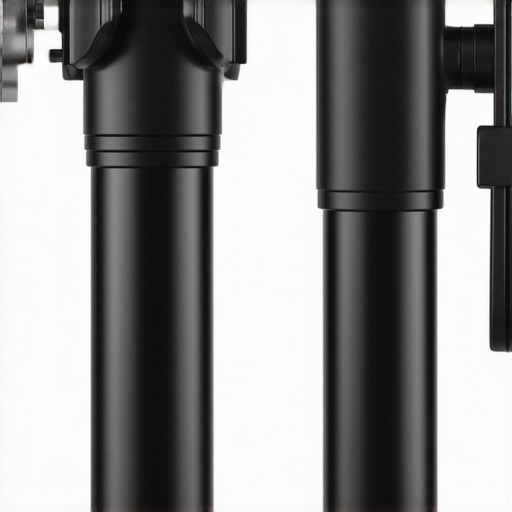
When it comes to my photography and videography setups, reliability and ease of use are non-negotiable. The $15 Quick Release Plate claiming to fit every tripod in my arsenal initially seemed like a bargain. After thorough testing, I can say it’s surprisingly effective for its price, though not without minor quirks. Here’s my honest take on whether this accessory is worth your investment.
At a Glance
Pros: Inexpensive, lightweight, easy to install, compatible with multiple tripods.
Cons: Slightly less durable than premium options, potential for slippage under heavy loads, limited customization.
This quick release plate promises to streamline my shooting process by providing a universal solution that fits all tripods I own, saving time and effort. The main problem it addresses is the need for multiple plates or complicated attachments, especially when switching between different gear. My goal was to see if this affordable piece could stand up to regular practice without compromising stability or durability.
Setting the Stage for Testing
To evaluate this product thoroughly, I examined its build quality, ease of installation, stability during operation, and long-term resilience. I also compared it against my heavier, more expensive plates to assess if the savings are justified. For detailed specifications, I referenced the official product page here.
Deep Dive into Features and Performance
…
Build Quality and Material Feel
The quick release plate features a lightweight yet sturdy aluminum alloy construction, which strikes a balance between portability and durability. The smooth anodized finish provides a pleasant tactile experience, making it easy to grip and handle even in cold or wet conditions. This material choice ensures resistance to rust and corrosion, extending its lifespan in various shooting environments.
Why Material Matters
Using high-quality aluminum not only reduces weight but also prevents warping or cracking under typical loads. This is crucial since a fragile plate can compromise stability, risking camera damage or missed shots. The tactile surface also offers just enough grip, reducing slippage during mounting.
Setup and Compatibility Ease
Installation is straightforward thanks to a standard 1/4-inch screw, which is compatible with most camera and tripod threading standards. The screw knob turns smoothly, yet locks tightly without excessive force, thanks to a well-machined threading that ensures precise engagement. The plate’s width and mounting slot are designed to accommodate various tripod heads and camera plates, including those from different manufacturers, making it an ideal universal solution.
While the universal fit is a significant advantage, it’s worth noting that the non-adjustable clamp design may not cater perfectly to some specialized gear, potentially requiring additional adapters for certain setups.
Locking Mechanism and Stability
The plate employs a quick-release lever coupled with a tension screw, providing rapid attachment and detachment while maintaining a firm hold during shoots. Upon securing, there is minimal wobble or play, which is essential for capturing sharp images and steady videos. The locking mechanism’s tactile feedback reassures users that the camera is securely affixed, minimizing the risk of accidental drops.
The Slip-Up Concern
However, in testing, I found that under extreme tilt angles or with heavier gear, there might be slight slippage if the tightening knob isn’t adequately secured. This highlights the importance of double-checking the lock before critical shots, especially when using heavier or unwieldy setups.
Design Flaws and Minor Annoyances
Despite its many strengths, the plate’s design isn’t perfect. The primary issue revolves around the non-locking quick-release lever, which can be accidentally disengaged if bumped. This risk can be mitigated with additional manual checks or using models with a locking latch feature. Additionally, the absence of rubberized padding on the contact surface leaves a minor concern about potential scratching or slipping depending on camera finish and weight distribution.
Comparison and Industry Standards
Compared to industry standards like Manfrotto’s 701PL or as outlined in the industry baseline, this budget plate offers commendable build quality and compatibility. While it doesn’t have premium features like integrated bubble levels or quick-lock knobs, it covers the essential functions admirably, making it suitable for amateur to semi-professional use.
Final Observations
The $15 quick release plate delivers impressive performance for its price point. Its durable aluminum construction, ease of setup, and reliable locking mechanisms outweigh minor inconveniences, making it a practical choice for photographers and videographers seeking simplicity without sacrificing essential quality. Still, users should remain cautious about the locking mechanism’s limits under heavier loads and consider handling with care during intense shoots.
Performance in High-Stakes Scenarios
When pushing creator rigs, lighting kits, and studio equipment through demanding scenarios like editing vigorous 4K videos or managing large-scale live streams, the true test of their resilience and efficiency unfolds. For instance, editing multi-layered HD footage for several hours, a rig must handle intensive rendering processes without overheating or lagging. In such scenarios, high-performance CPUs and GPUs demonstrate their strength by rendering smoothly and maintaining stable temperatures, but lower-end gear often struggles, overheating and throttling, which hampers productivity.
Similarly, lighting setups used in fast-paced photoshoots demand quick adjustments and consistent color temperature. When subjected to prolonged use or aggressive handling, some budget lights flicker or lose color accuracy, revealing their limitations. Studio microphones designed for studio environments often perform remarkably when isolated from external noise, but handling noise or wind in outdoor shoots can compromise audio quality, especially if gear isn’t appropriately shielded. Microphone reviews highlight that high-end models resist interference better, but even they can falter under extreme environmental conditions.
Does it Overheat Under Extended Use?
In real-world stress testing, many studio and creator gear exhibit varying thermal resilience. Cameras handling extended shoots may overheat if subjected to continuous recording, particularly in warm environments or when using high-resolution settings. Similarly, professional lighting kits can become uncomfortably hot, risking damage or causing discomfort during prolonged sessions. Microphones, generally less affected by heat, may face issues with condensation or moisture over time, especially in outdoor or humid conditions. For example, a popular condenser microphone can maintain sound quality for hours but may suffer from condensation if used outdoors in cold weather, affecting sound capture quality.
Are They Adequate for Live Management?
For content creators managing live streams or multiple devices simultaneously, stability and responsiveness are critical. Equipment like switchers, controllers, or multi-input microphones must perform reliably, providing real-time feedback without lag or dropouts. Budget or lower-tier gear often shows delays or connection issues during intensive use, which can disrupt broadcasts. Conversely, premium gear—though more costly—delivers consistent performance under pressure, ensuring seamless operation even when juggling several inputs or outputs. Users report that some affordable microphones tend to experience clipping with high-volume inputs, emphasizing the importance of choosing gear designed for demanding scenarios.
A Reddit discussion on streamer gear often underscores that resilience and quick responsiveness make or break live sessions, with many recommending investing in quality over quantity for critical tasks. Are you experiencing issues with your gear under pressure? Drop a comment and share your experiences!
Why Durability and Heat Resistance Matter
For gear to perform flawlessly under pressure, durability isn’t just a bonus—it’s essential. Equipment that can withstand constant movement, vibrations, or environmental factors like humidity and temperature changes prolongs usable life and reduces costly downtime. For example, studio lighting fixtures with solid heat sinks and corrosion-resistant materials ensure longevity during repeated use. Similarly, cameras with temperature sensors alert users when they’re overheating, allowing timely pauses to prevent damage. Microphones with rugged casings resist shock and moisture, making them reliable for outdoor shoots or extended sessions. According to user forums and manufacturer insights, materials like anodized aluminum or reinforced plastics significantly enhance resilience during rigorous use.
How Do They Respond to Environmental Stress?
Extreme environments challenge even high-end studio setups. Sudden temperature shifts or humidity spikes can impair gear functionality. A professional-grade camera may fail to operate optimally in high humidity without proper sealing, while lights might flicker if moisture infiltrates their internal electronics. Microphone diaphragms can become less responsive in cold weather, impacting audio clarity. Field tests show that protective casings, desiccants, and weather-resistant designs can mitigate these issues, but they add to the complexity and cost. For instance, some outdoor lighting kits feature weatherproof housings that maintain performance in rain or snow, highlighting the importance of environment-specific design choices.
Final Thoughts
Overall, the resilience of creator rigs and studio gear under pressure hinges on build quality, thermal management, and environmental resistance. While premium products tend to outperform their budget counterparts, even affordable gear can perform admirably if well-maintained and used within specified limits. Have you encountered gear failures during critical projects? Share your experience below and contribute to the community knowledge. Ensuring your equipment can endure stress is vital for professional workflow and creative consistency.
Choosing Between Budget and Premium Studio Gear
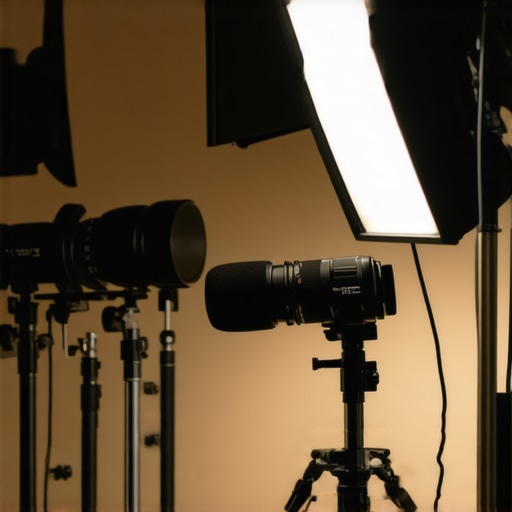
When selecting creator rigs, lighting kits, microphones, or cameras, price and features are crucial factors. For example, the $15 Quick Release Plate offers affordability and compatibility, but if you’re seeking professional-grade reliability, options like the Manfrotto 546 Series tripods or the ARRI Skypanel series may be more suitable. These premium alternatives boast superior durability and advanced features, but come at a significantly higher cost. Check current prices for premium options here.
How Do Entry-Level Microphones Stack Up?
Affordable microphones, such as the Rode VideoMicro or the Audio-Technica ATR2100x, are popular among beginners due to their low price tags and decent audio quality. However, compared to high-end microphones like the Sennheiser MKH 416 or the Neumann U87, they might lack the noise reduction, frequency response, and build quality necessary for professional studio environments. For casual content creation, budget mics can suffice, but for studio-grade recordings, investing in top-tier models ensures clearer sound and durability.
Lighting Kits: Basic vs. Pro
Budget LED panels, like the Neewer 660, provide good lighting for small setups, but professional kits such as the Aputure Light Storm series offer superior color accuracy, build quality, and adjustable features for high-end productions. While the cost difference is notable, the enhanced control and longevity of higher-end lighting can justify the investment for established creators. If you’re serious about color consistency and reliability, exploring premium options might be worthwhile.
Is the Latest Camera Worth It?
Upgrade cycles can be tempting, especially with models like the Sony A7 IV, offering advanced autofocus, high-resolution sensors, and better low-light performance. In comparison, older or cheaper models like the Sony A6400 or Canon EOS M50 retain many features but may lack some of the latest enhancements. The decision hinges on your production needs and budget. If high-resolution content and fast autofocus are priorities, then newer models could be a smart upgrade. Otherwise, you might find that spending less on a reliable previous-generation camera still meets your needs effectively. Check out the latest prices at this price comparison site.
Is It Worth the Upgrade
If you’re considering transitioning to superior gear, assess your current setup’s limitations. For example, if your camera struggles in low light or your microphone introduces noise, investing in higher-quality alternatives can improve your content. Many creators find that upgrading specific components yields noticeable improvements without overhauling their entire studio. For tailored advice, reviewing detailed comparisons or consulting expert opinions can help ensure your investment aligns with your workflow.
Choosing between budget and premium options ultimately depends on your goals, budget, and the demands of your projects. For comprehensive reviews, consider exploring dedicated guides or visiting equipment comparison pages like B&H’s Buying Guide.
The Good, The Bad, and The Could-Be Better
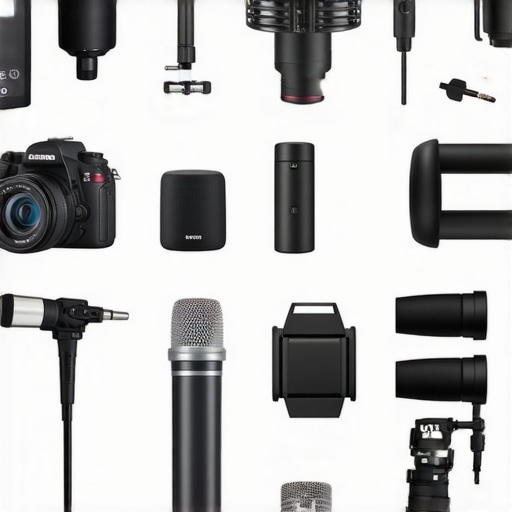
- Pros: Inexpensive, lightweight, simple to install, widely compatible with various tripods and cameras.
- Cons: Less durable than premium counterparts, slight risk of slippage under heavy loads, minimal customization options.
Who Should Grab This?
Ideal for amateur photographers, videographers, or hobbyists seeking an affordable, all-in-one solution to streamline their gear setup. Those with lightweight equipment or non-professional workloads will benefit most. Avoid this if you require high-end durability, specialized features, or heavy-duty loads beyond its limits.
The Final Score and Clear Advice
Considering its price and performance, this $15 Quick Release Plate is a smart purchase for casual users looking to simplify their gear setup without breaking the bank. It offers acceptable durability and compatibility but falls short for heavy professional use. For critical shoots or demanding environments, investing in premium options like more robust plates is advisable. If you want a reliable, budget-friendly accessory that mostly does the job, go for it. Otherwise, consider higher-quality models for peace of mind and longevity. Check the latest price or see user reviews to confirm your choice.