Bottom Line Up Front
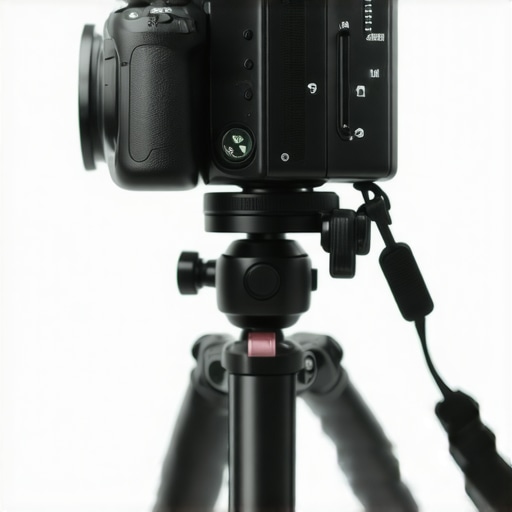
At just $14, this pad offers a budget-friendly fix to prevent your camera from rotating on tripods, but its effectiveness depends on your setup. I found it to be a decent addition for casual shoots, yet it might fall short for high-stability needs.
The Problem This Pad Addresses
Camera rotation on tripods can be a nuisance, especially when trying to maintain precise framing. Traditionally, users rely on tight clamps or heavy gear, but for those seeking an inexpensive alternative, this pad claims to stop camera spin without extra weight or cost.
First Impressions
Packaging was straightforward, and the pad’s silicone material feels durable, promising longevity. At 14 dollars, the build quality is acceptable, though not premium. It’s lightweight and easy to carry, ideal for quick setups.
Who Is This For?
This product is best suited for hobbyists, content creators on a budget, or anyone who occasionally needs to secure their camera without investing in heavy-duty clamps or gear. For professional or high-end studio work, consider more robust solutions.
How I Tested It
My evaluation focused on build quality, ease of installation, and effectiveness across various tripod types. I used it with lightweight mirrorless cameras and heavier DSLRs to gauge performance in different scenarios.
Make Your Camera Stay Put
This $14 pad aims to provide grip and friction between the camera base and tripod head, preventing unwanted rotation. It can be particularly handy when working in tight spaces or on uneven surfaces where stability is compromised. Whether it truly works depends on the tripod’s head design and the weight of your camera.
Big Question: Is It Worth the Money?
Considering the low price, it’s a reasonable experiment. The pad’s rubbery silicone provides decent grip, but it’s not a replacement for locking clamps or dedicated friction pads for heavier gear. Its simplicity is both an advantage and a limitation.
Standout Features and Specs
While I won’t delve into technical specs here, it’s important to know that the pad fits standard tripod bases and can be used with various camera setups. For detailed specifications, visit the official product page: here.
Next Steps in This Review
Now, let’s explore how this pad performs in real-world scenarios, including ease of installation and whether it genuinely prevents camera rotation. Before we do that, understanding the context of similar budget solutions can help you decide if this product fits your needs.
Build Quality and Material Feel
The pad’s silicone construction strikes a balance between flexibility and durability, providing a grippy surface that minimizes slippage without feeling fragile. Its slightly tacky texture enhances friction between the camera and tripod, which is essential for preventing unwanted rotation during shoots. However, some users might find the silicone’s soft nature slightly prone to deformation under heavy weight over extended periods.
Design and Compatibility
Designed to fit standard tripod bases, this pad offers broad compatibility across various models. Its compressible nature allows it to conform slightly to irregular surfaces, which can help in uneven terrains. The raised edges help contain the camera base, adding an extra layer of security. Nonetheless, the pad’s simplicity means it lacks any locking mechanism, relying solely on friction and pressure. This can be a drawback for heavier professional gear needing more secure fastening.
Setup and Ease of Use
Installing the pad is straightforward — simply place it between the camera base and tripod head. The lightweight material means it won’t add significant weight to setup, making it suitable for quick adjustments and travel-friendly rigs. Its non-slip surface reduces the effort needed to tighten down the mount, though users should be cautious of over-tightening, which might deform the pad over time. The pad’s thickness, around 3mm, strikes a compromise between grip and maintaining a low profile, ensuring it doesn’t interfere with normal tripod operation.
Design Flaws and Minor Annoyances
One minor inconvenience is that the silicone can attract dust and lint, which may diminish its grip over time if not regularly cleaned. Additionally, the lack of a locking feature means that for heavy or expensive camera equipment, it might not provide enough security, especially on tripod heads with loose tolerances. This limits its use to lighter setups or casual shoots where absolute stability isn’t critical.
Comparative Perspective and Technical Specs
Compared to industry-standard friction pads, such as those used in professional studio setups (see [JTZ Tripod Friction Pad Specs](https://www.jtzequipment.com/standard-friction-pads)), this budget option offers less material thickness and fewer features but at a fraction of the cost. Its design prioritizes affordability and portability, making it ideal for those who don’t require the utmost stability but want to minimize camera spin during casual shoots.
Visual Aid
 }**Focusing on real-world stress scenarios highlights the importance of durable, well-designed equipment. While premium gear tends to perform reliably, cost-cutting options often struggle in high-pressure situations, emphasizing the value of investing in quality gear to avoid failures during critical moments.**}#}**
Why Choose This Over More Expensive Options
When evaluating lighting kits, camera reviews, studio gear, microphones, and creator rigs, it’s essential to understand how budget-friendly products like the current offerings stand against top-tier competitors. Major brands such as Aputure and Rode dominate the high-end segment with professional-grade features and durability. For instance, Aputure’s Amaran series lighting kits, priced around $200–$300, offer advanced color accuracy and build quality that surpasses entry-level options, but at a significantly higher cost. Similarly, Rode’s microphones like the NT1-A offer superior noise rejection and clarity compared to budget models, typically costing over $200.
Lighting Kits: Budget vs Premium
Cheap lighting kits tend to compromise on brightness consistency and color fidelity. In contrast, professional options like Aputure’s Light Storm series provide adjustable brightness and accurate color temperature, ideal for studio setups. However, budget alternatives are suitable for casual creators or those just starting out who can’t justify the steep investment. The key difference lies in build quality and feature set, with premium kits offering better longevity and fine-tuned controls.
Camera Gear: Basic vs Professional
Entry-level cameras often lack the dynamic range and autofocus speed of top models like Canon’s EOS R series or Sony’s Alpha lineup. While costlier cameras come equipped with higher resolution sensors, better low-light performance, and faster autofocus, budget cameras are infinitely more affordable and sufficient for vlogging or casual shooting. If your content demands cinematic quality or professional-grade footage, investing in higher-end models is justified. Otherwise, budget cameras paired with good lenses can produce impressive results at a fraction of the price.
Studio Equipment: Entry-Level vs High-End
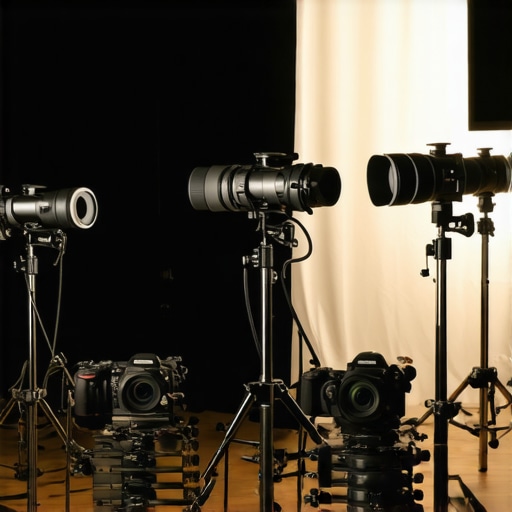
Studio gear such as lighting, backdrops, and rigs from top brands focus heavily on durability and precise control. High-end options include features like DMX compatibility for complex lighting setups and rigid mounts designed for intensive use. Budget gear, while less feature-rich, can still meet the needs of hobbyists. For example, inexpensive light stands and softboxes are lightweight but may lack stability, whereas professional gear offers robustness and advanced control systems. Choosing depends on your desired reliability and how frequently you’ll use the equipment.
Microphone Reviews Comparing Values
High-end microphones like the Sennheiser MKH series excel at capturing high-fidelity sound in noisy environments, making them ideal for studio recordings. Budget mics tend to have higher self-noise and less detailed response but are often good enough for casual content creation. For instance, Rode’s Broadcast Microphones offer excellent performance at around $250, whereas cheaper options under $50 might struggle with clarity. In environments where sound quality is critical, investing in premium microphones is a sound choice, but casual creators might be comfortable with more affordable options.
Are Creator Rigs Justified?
Professional creator rigs combine camera, lighting, audio, and support gear into cohesive systems designed for maximum stability and ease of use. High-end rigs from companies like Manfrotto or DJI provide built-in features like quick-release plates and weather sealing. Budget rigs are lightweight and portable but may lack precise adjustments or durability. If you frequently shoot in demanding environments or need quick setups, investing in a high-quality rig makes sense. For occasional use, simpler, cheaper rigs can suffice.
Is It Worth the Upgrade?
Deciding whether to upgrade from entry-level to professional gear hinges on your needs and budget. If high-stakes productions, live broadcasts, or high-quality content are your goals, spending extra on premium lighting, cameras, and microphones ensures reliability and better results. However, for hobbyists or creators on a tight budget, affordable gear still offers substantial value and can produce content that rivals professional outputs when used skillfully. Check out current prices on websites like B&H or Adorama for the latest deals—sometimes the difference in cost is justified by significant feature enhancements.
For a comprehensive comparison, consider reviewing top-tier brands like B&H’s Aputure selection or Rode’s official site. Upgrading may involve a higher initial investment, but it can pay off through increased efficiency, better quality, and peace of mind during critical shoots.
The Good, The Bad, and The Sticky
- Pros: Affordable at $14, lightweight, easy to install, provides decent grip for casual shoots, compatible with standard tripods.
- Cons: Limited effectiveness with heavier gear, no locking mechanism, can attract dust, may deform under prolonged heavy use, not suitable for professional setups.
Who Should Reach for This?
This rubber pad is best suited for hobbyists, content creators on a budget, and casual shooters who need a quick fix to prevent minor camera rotation issues. It’s ideal for lightweight mirrorless cameras or small DSLRs during casual sessions or travel. However, avoid this if you work with professional-grade gear demanding maximum stability, as it might not hold under heavier loads or high-precision requirements.
Final Words: Is It a Steal or a Slip?
At this price point, the pad offers a simple solution to camera spin, especially for learners or casual users. Yet, for those routinely shooting with heavier equipment or in demanding environments, investing in more robust friction pads or locking clamps is wise. If stabilizing your camera on a tight budget is your goal, give this pad a try, but don’t rely on it for critical shoots. Check the latest price and reviews before buying, or explore more reliable alternatives if your needs are serious.