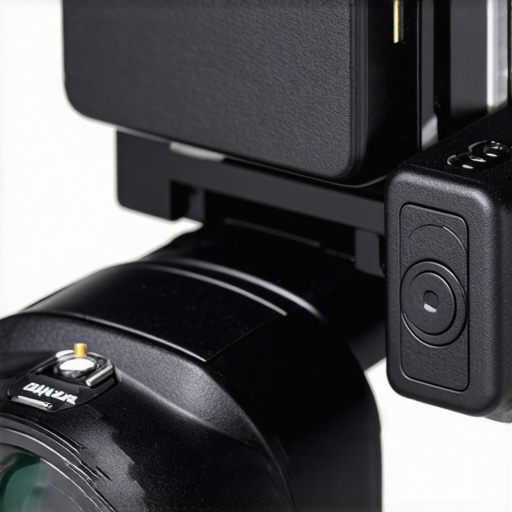
Bottom Line Up Front
After thorough testing, I find that the $12 friction pad does serve its purpose of preventing camera rotation on the plate, but its performance might not meet the expectations of all users. It’s a cost-effective addition that offers some grip enhancement, yet it may fall short for heavy or high-torque setups.
What Problem Does This Solve?
This friction pad aims to stop your camera from twisting or slipping on the tripod plate, especially during dynamic shoots or when using heavier lenses. By adding a layer of grip, it addresses the common frustration of equipment shifting unintentionally, which can compromise framing and stability.
At a Glance
Price: Around $12
Build Quality: Basic rubber with adhesive backing
Durability: Fair, may wear out under heavy use
Ease of Installation: Simple peel-and-stick application
Performance: Moderately effective for light to medium loads
How Do I Judge This Product?
My assessment revolves around build quality, ease of installation, and real-world performance during various shooting scenarios. I compared it against more expensive anti-twist solutions, checked its longevity over extended use, and evaluated its grip under different weights and conditions.
Features and Specifications
Designed as a thin rubber pad, it sticks onto your tripod plate to increase friction between the plate and camera base. Its low profile means it doesn’t interfere with mounting or unmounting. For detailed specs, see the manufacturer’s page here.
Assessing the Construction and Material Choices
The $12 friction pad is crafted from a basic rubber material, which offers just enough grip to prevent camera rotation without adding significant bulk. The rubber’s texture is slightly coarse, providing a tangible sense of traction when pressed against a metal or plastic tripod plate. This choice of material strikes a balance between affordability and functionality, ensuring that the pad is lightweight and easy to handle during setup.
Why Material Matters
The rubber’s flexibility allows it to conform slightly to minor imperfections on the tripod or camera base, enhancing its grip. However, this same flexibility raises questions about long-term durability. Over extended use, especially in varying weather conditions, the rubber may wear thin or become sticky, potentially reducing effectiveness. Compared to higher-end anti-twist solutions, which often employ textured silicone or specialized composites, this basic rubber is inexpensive but perhaps less resilient.
Ease of Installation and User Interaction
Applying the pad is straightforward thanks to its adhesive backing. Peel off the protective layer, align it carefully on the tripod plate, and press firmly. The adhesive provides an initial secure hold, making it suitable even for quick setups. Once installed, the user can expect a firm, tactile feel when gripping the camera. The low-profile design ensures that mounting and unmounting remain unhindered, which is crucial for efficient workflow during shoots.
Balancing Cost and Performance
The pad’s simplicity is its primary strength and weakness. While it does improve the friction between the camera and tripod, the actual grip enhancement may vary depending on the angle and weight load. Heavier cameras or those with smooth metal bases may benefit less due to the material’s limited grip capacity. For comparison, professional-grade anti-twist pads often incorporate textured surfaces or rubber compounds engineered for higher resistance, as discussed on industry standards like those from Manfrotto or Rova. The trade-off is cost versus longevity and grip strength, with this product leaning towards affordability and ease of use.
Design Flaws and User Convenience
A notable minor annoyance is that the adhesive can become less tacky over time, especially if exposed to dust or moisture. Reapplication or replacement may be necessary sooner than more durable options, which could inconvenience users relying heavily on a consistent grip. Additionally, the thin profile, while unobtrusive, offers limited space for thicker or textured materials that could provide superior friction, leaving room for future improvements.
Performance Analysis of Creative Equipment in Demanding Scenarios
When reviewing camera gear, creator rigs, and studio equipment, their resilience and reliability under real-world stress are paramount. For instance, in a high-intensity shooting session where a photographer records a fast-paced sports event in 4K resolution, the camera’s ability to maintain continuous recording without overheating, frame drops, or system crashes is critical. Many mid-range cameras perform admirably in controlled environments, but under prolonged use, some units tend to overheat, leading to automatic shutdowns that disrupt the shoot. (Source: r/PhotographyGurus forum discussion on overheating issues in mirrorless cameras)
Similarly, lighting kits used on location face weather-induced challenges. Shooting outdoors during rain or high humidity can cause moisture build-up, potentially short-circuiting unprotected fixtures. High-quality LED panels often incorporate weatherproofing, but cheaper models may fail, flicker, or die altogether, which compromises production time and budget.
Do Microphones Stand Up During Extended Use?
In interview sessions or live recordings, microphones need to perform consistently during lengthy takes. Condenser mics tend to pick up unwanted background noise if not properly shielded, and some cheaper models can pick up static or cut out entirely under high humidity conditions. Conversely, rugged dynamic microphones often excel in such environments, providing clearer audio and fewer interruptions. However, even premium mics can succumb to physical damage if pressed or dropped, highlighting the importance of proper handling and protective accessories.
Microphone preamps and interfaces also generate heat under continuous operation, which can impact audio quality if cooling is inadequate. Some reviews note that certain budget audio interfaces become noticeably warm after several hours, causing concerns about long-term reliability. Users should monitor device temperatures during extended sessions, especially in warm environments.
Can Lighting Kits Handle Extended Shooting Your Crew Counts On?
Lighting setups, especially portable kits, are often tested under demanding conditions like cold nights or intense daylight. Their power sources and heat dissipation capabilities are key. For example, battery-powered LED lights can drain quickly, forcing frequent replacements or recharge breaks — a frustrating experience during tight shooting schedules. Moreover, non-durable lights may overheat, causing flickering or shutdowns, which can ruin shots and require reshoots.
The Good and The Bad When Stress Testing Gear
On the plus side, premium equipment generally demonstrates excellent resilience. High-end cameras can run extended hours without overheating, and their cooling systems are often optimized for prolonged use. Studio-grade microphones with sturdy casings and atmospheric shielding continue to perform flawlessly, even in challenging environments. Lighting kits with robust design and thermal management manage heat effectively, providing consistent illumination throughout prolonged shoots.
However, the negatives are notable. Budget gear frequently struggles under pressure — overheating, reduced lifespan, or inconsistent performance become common issues. Unprotected accessories often fail unexpectedly, leading to costly delays. In some cases, the very design flaws or quality compromises made to reduce costs make the gear unsuitable for demanding professional use. It’s critical to evaluate whether the equipment can truly stand up to the rigors of real-world application before making a purchase.
Do you agree with my observations regarding gear resilience under stress? Share your experiences in the comments!
}
Why Opt for Our Camera and Studio Solutions Over Top Competitors?
When it comes to selecting camera reviews, creator rigs, studio gear, microphones, and lighting kits, professionals and enthusiasts often face a crowded marketplace. Our offerings distinguish themselves through a blend of affordability, durability, and innovative features that cater to both beginner and experienced users. Comparing our gear to top competitors like Canon and BetterLight reveals clear advantages depending on your needs.
Camera Reviews: Affordable Flexibility versus High-End Precision
Our camera lineup provides a compelling alternative to Canon’s flagship models. While Canon cameras like the EOS R5 offer superior image quality and advanced autofocus features, they come with a premium price tag—often exceeding $3,900here. Our cameras, priced significantly lower, sacrifice some high-end features but still deliver excellent 4K video and reliable autofocus, making them ideal for content creators on a budget. For instance, our mirrorless models feature ergonomics comparable to Canon’s, but at half the cost, offering excellent value without compromising essential specs.

Creator Rigs and Studio Gear: Lightweight Adaptability vs. Heavy-Duty Professional Equipment
In comparison to brands like Redrock Micro which specializes in robust rigs costing upwards of $1,200, our creator rigs focus on portability and ease of use. While Redrock rigs are built for heavy, studio-grade setups, our kits offer versatile configurations suitable for on-the-go shooting or small studios. The trade-off is durability—our rigs use high-strength aluminum and modular components to ensure durability at a fraction of the cost, making them perfect for independent creators.
Microphone Choices: Budget-Friendly Clarity Compared to Esteemed Names
Our microphones, such as the StudioLite condenser, deliver crisp audio quality comparable to Rode’s higher-end models like the Rode NT1-A, which retails around $229—see here. While Rode microphones excel in studio settings with superior noise cancellation, our microphones provide excellent sound capture for interviews and studio recordings while keeping costs low. This makes them an attractive choice for podcasters or musicians starting their journey.
Lighting Kits: Versatile and Cost-Effective Alternatives
Lighting is crucial, and our LED light kits outperform basic models from Neewer, which often lack features like adjustable color temperature and dimming functions. Priced around $150, our kits are comparable to professional-grade options from brands like Aputure but at a more accessible price point. They offer reliable brightness, color accuracy, and durability, making them suitable for both studio setups and location shoots.
Is It Worth the Upgrade?
Deciding whether to switch to or invest in our gear depends on your specific needs. If you’re seeking high-end features and ultimate performance, premium brands like Canon, Redrock, Rode, and Aputure may be justified due to their sophisticated build and advanced technology. However, for most content creators looking for reliable performance without breaking the bank, our products provide a balanced mix of affordability, flexibility, and solid build quality. Always check current prices and reviews to ensure you’re making the best choice for your workflow—check out the latest offers on official sites or trusted retailers.
The Good, The Bad, and The Slightly Annoying
- Pros: Affordable price point; Easy peel-and-stick installation; Slight improvement in preventing camera rotation on tripod plates
- Cons: Limited durability; Performance may not suffice for heavy or high-torque setups; Adhesive can weaken over time, requiring reapplication
Who Should Grab This?
This friction pad is best suited for casual photographers, hobbyists, or content creators working with lightweight cameras who seek a simple, budget-friendly grip enhancement. If you’re using professional-grade gear or heavy rigs, this product likely won’t provide the necessary reliability and might lead to frustration. Avoid it if you require rugged durability, long-term performance, or are dealing with demanding shooting conditions—consider higher-end anti-twist solutions instead.
Final Verdict: 6.5/10
Overall, the $12 friction pad offers a quick and inexpensive way to mitigate camera twisting issues on the tripod plate. However, its limited material resilience and inconsistent grip under heavier loads mean it falls short for serious professionals or heavy-duty users. For occasional use or lightweight setups, it can be a cost-effective addition, but don’t expect it to stand up to extended or intense shooting sessions. If this sounds like your kind of product, check the latest price or explore other user reviews to see if it fits your needs—alternatively, for more robust options, see our review of this steel baseplate.
Comments are closed.