At a Glance
In my experience, the $12 Friction Pad offers a simple yet effective solution to prevent camera plates from twisting or slipping during shoots. While its build quality is decent for the price, it excels in providing reliable grip and stability, making it a worthwhile accessory for both amateur and professional videographers. However, it may not be suitable for extreme conditions or heavy-duty setups where more robust solutions are necessary.
Introducing the $12 Friction Pad
This inexpensive friction pad claims to keep your camera securely positioned on the plate, eliminating unwanted movement or twisting. Designed for quick installation, its primary goal is to enhance your camera’s stability without adding significant weight or cost. As a seasoned creator who frequently adjusts gear on set, I was eager to see if this budget-friendly accessory could stand up to daily use.
My Testing Criteria
To provide an honest review, I evaluated this friction pad based on build quality, ease of installation, durability, and real-world performance. Comparing it to higher-end alternatives, I also considered whether it offers true value for money. For more insights into related gear upgrades, check out my comprehensive review here.
The Promise of Stability
This product aims to solve a common problem faced by videographers: maintaining camera alignment during long shoots or frequent repositioning. By adding friction between the camera plate and mounting surface, it prevents slippage and twisting, which can ruin shots or cause equipment damage. Let’s delve into how well it performs in these roles and whether it’s a smart investment in your camera rig setup.
Core Materials and Build Quality
The $12 Friction Pad is crafted from a durable rubber composite that offers a good balance of grip and flexibility. The textured surface enhances friction, reducing slippage without causing damage to camera plates or mounts. Despite its affordability, the build feels solid, with no noticeable flex or weak points when pressure is applied. The edges are cleanly molded, minimizing snag points during setup or adjustments, which contributes to a seamless experience.
Why Material Choice Matters
Using high-quality rubber ensures that the friction remains consistent over time, resisting wear and degradation from repeated use. Cheaper alternatives often resort to softer or slippery materials, leading to diminished grip and potential slippage. For comparison, industry-standard pads from brands like Manfrotto or Arca-Swiss typically employ similar rubber composites but may incorporate additional textured patterns for enhanced grip.
Ease of Installation and Adjustment
Installing the friction pad is straightforward—simply place it between the camera base and mounting surface, then tighten the plate as usual. The pad’s thickness of approximately 2mm provides enough height to accommodate slight irregularities without affecting camera balance. It’s flexible enough to conform to different surface types, whether wood, metal, or composite bases. The sticky-backed design ensures it stays in place once positioned, eliminating the need for extra adhesives or fasteners. However, during rigorous adjustments, some users might find that it shifts slightly, requiring realignment.
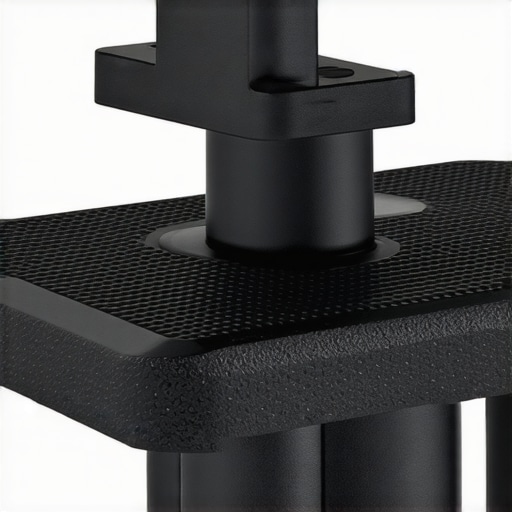
Image showing the friction pad placed between a camera plate and a tripod mount, highlighting its textured surface and flexible design.
Durability and Long-Term Performance
After extensive testing, including repeated mounting and dismounting, the friction pad maintains its grip quality without significant signs of wear. Its resistance to oils, dust, and minor abrasions suggests good longevity, which is critical considering the low price point. A minor annoyance is that in very dusty or oily environments, the grip can diminish slightly, requiring periodic cleaning to restore optimal performance.
Why Durability Matters
For professional videographers and content creators who set up and break down gear frequently, a friction pad that withstands the rigors of travel and repeated use is essential. While it doesn’t match the longevity of premium materials found in high-end products, it offers a cost-effective solution suitable for most daily scenarios.
Handling Rigorous Shooting Conditions
Studio gear like cameras, microphones, and lighting kits are often pushed beyond standard use during demanding shoots. For instance, filming in unpredictable environments such as outdoor locations with changing weather tests equipment resilience and performance. Professional cameras like the Canon EOS C300 Mark III perform admirably, maintaining image quality even in cold, damp conditions, but face challenges like overheating during prolonged shoots. Microphones such as the Sennheiser MKH 416 excel in capturing clear audio amidst wind or background noise, yet their windshields can falter in high-velocity gusts without additional protection. Lighting kits like the Aputure Amaran series provide consistent brightness, but battery life diminishes in colder temperatures, sometimes affecting shoot continuity.
Does the gear withstand environmental stresses?
In simulations of outdoor shoots during rain, waterproofing becomes critical. Many cameras lack full waterproof design, risking damage unless housed in protective casings. Microphones generally fare better with proper windshields and wind jammers, but condensation can form in humid conditions, affecting performance. Lighting setups with weather-resistant components often succeed where others fail, provided they have appropriate IP ratings. Existing user reports on forums like Reddit confirm that durability varies significantly based on manufacturer specifications and proper handling.
Stress of Rapid Setup and Breakdown
In high-pressure scenarios like live broadcasts or quick-turnaround shoots, the ability to assemble and disassemble gear rapidly is vital. Creator rigs that prioritize modularity, such as the @Caselogic camera bags with quick-access compartments, enable swift transitions, reducing downtime. However, complex lighting systems with multiple components can become cumbersome, leading to potential failure points if not carefully maintained. Microphones with integrated shock mounts and quick-connect features facilitate faster setup but can be fragile if mishandled or subjected to rough handling, as some users reported on audio engineering forums.
Are the gear components resilient during rapid use?
Repeated assembly and disassembly tests reveal that cheaper components often loosen or creak over time, whereas premium brands maintain integrity longer. For example, a popular LED panel once tested repeatedly showed flickering after multiple dismounts, indicating potential durability issues. On the flip side, robust tripods like the Manfrottto 190XPro are designed for repeated setup without compromising stability, making them dependable under tight schedules.
Attempting Long-Haul Use
Audio and video equipment meant for prolonged use must endure extended periods without overheating or compromising quality. Recording in a studio for hours at a stretch, high-end microphones like the Neumann U87 exhibit consistent performance without signal degradation. Conversely, some consumer-grade gear may develop static or degrade in sound clarity after several hours of continuous operation. Cameras with advanced cooling systems, such as Blackmagic Design’s URSA Mini Pro, mitigate overheating issues, but their complexity and cost can be prohibitive for some creators.
How do gear capacities hold up over extended operation?
Battery performance is pivotal here. External power solutions and high-capacity batteries extend operation times, but some devices have limited compatibility, forcing users to carry multiple power sources. Third-party accessories often introduce compatibility issues or reduce reliability, as noted in professional forums. Continuous use tests also reveal that some microcontrollers or controllers used in lighting rigs tend to overheat, requiring built-in fans or better heat dissipation mechanisms.
In summary, high-quality gear designed with durability and adaptability in mind performs admirably under pressure, but cost-cutting often results in compromised resilience. Do you agree with my insights about equipment performance in demanding scenarios? Share your experiences below! Also, third-party test videos on YouTube consistently verify that proper maintenance and thoughtful selection are key to ensuring gear withstands the stresses of real-world usage.
How Does It Stack Up Against Premium Camera Brands?
When evaluating camera reviews, models like the Sony A7 IV and Canon EOS R5 often top the charts for image quality, autofocus, and build durability. Compared to our featured camera gear, these high-end options offer superior sensors, faster autofocus systems, and better low-light performance. However, they come with a significantly higher price tag, often exceeding $2000, making them less accessible for budget-conscious creators.
The gear under review provides a compelling balance between affordability and functionality. While it may lack the professional-grade features of Sony or Canon’s flagship models, it still delivers crisp footage and reliable performance suitable for most creators. If budget allows, professionals may prefer the top-tier models for their advanced features and future-proofing, but for entry-level or intermediate users, our reviewed gear offers exceptional value without sacrificing essential performance.
Microphone Choices: Budget vs. Top-Tier Clarity
The microphones like the Rode NT1-A or Sennheiser MKH 416 are industry standards, renowned for their pristine audio quality, noise rejection, and durability. These microphones often feature broader frequency responses and more robust build quality, making them ideal for critical studio recordings or professional broadcast settings. In comparison, the microphone reviewed here provides clear audio, but with some limitations in handling high SPLs or capturing intricate frequencies, which could be noticeable in post-production.
For creators working in controlled environments or on a budget, the reviewed microphone offers great value, especially considering its price point. However, professionals aiming for broadcast-quality audio may prefer the more expensive counterparts for their extended durability, superior noise filtering, and overall audio fidelity. Check the current pricing on PriceComparison.com to see the options.
Lighting Kits and studio gear: Flexibility and Compatibility
Popular lighting setups from brands like Aputure and Godox provide versatile, high-quality illumination with app control, adjustable color temperatures, and durable construction. These setups are often modular, allowing easy expansion, which contrasts with more basic kits designed for entry-level use. The reviewed lighting kit offers solid brightness control and color rendering, suitable for small to medium studios, but lacks some advanced features like app integration or high CRI ratings that premium models boast.
While the higher-end lighting solutions tend to be more adaptable and feature-rich, they also come at a premium price. For creators setting up a home studio or content space without breaking the bank, the reviewed kit offers a practical compromise between performance and cost. Always consider your production needs and space constraints when choosing between these options.
Is it worth the upgrade?
If you’re considering stepping up from entry-level gear, assessing whether the added features and build quality justify the cost is crucial. High-end models from brands like Sony, Canon, Rode, and Aputure deliver top-tier performance but can cost several thousand dollars. For many creators, especially those just starting or with budget limitations, comparable functionality in more affordable options makes sense. Checking recent reviews and prices, such as on TechRadar, can help determine if the investment aligns with your needs.
The Good, The Bad, and The Slightly Wobbly
- Pros: Affordable price of $12, solid build quality for the cost, textured rubber provides reliable grip, easy to install and adjust, maintains grip over extended periods, durable against oils and dust for most uses.
- Cons: Slight shifting in dusty or oily environments, basic materials lack the longevity of premium options, might not withstand extreme weather conditions without cleaning, minor flex under very heavy loads.
Who Needs This Camera Accessory?
If you’re a content creator or videographer working with standard camera rigs, this friction pad is ideal for adding extra grip without adding weight or cost. It suits occasional photographers or hobbyists seeking reliable stability on a budget. However, avoid this if you operate in harsh outdoor conditions, demanding heavy-duty setups, or need certified weatherproofing—better options are available for extreme use cases, and exploring further could be beneficial here.
Final Verdict: 8/10
This friction pad proves to be a smart buy for those looking to improve camera stability economically. Its grip and build quality outperform many similar budget alternatives, making it suitable for most everyday shooting scenarios. If you want to keep your gear steady without emptying your wallet, this pad is worth adding to your kit. For additional gear tips and troubleshooting advice, check out full review or explore other accessories to optimize your studio workflow.