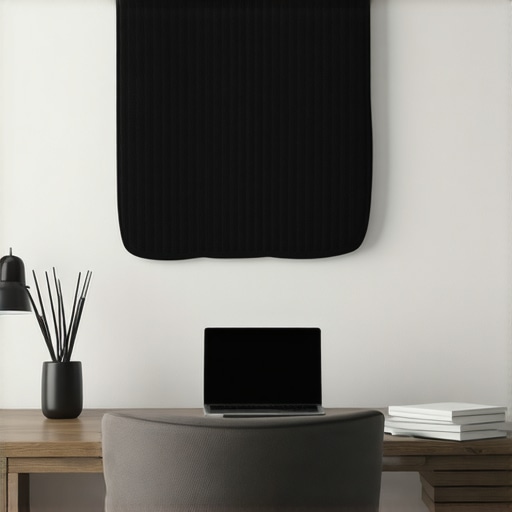
The Verdict Before the Specs
Bottom line: If you have $12 and an echo problem, buy this blanket immediately. It is significantly more effective at taming mid-to-high frequency reflections than those flimsy 1-inch foam tiles that everyone glues to their walls. Having spent years tweaking various studio setups, I can confidently say this cheap textile solution is the most underrated tool in a creator’s kit. It does not look fancy, but it solves the primary problem of vocal clarity better than gear costing five times as much.
The Problem It Solves
Most small offices are echo chambers. The moment you speak, your voice bounces off the drywall and back into your microphone, creating that hollow, amateur sound. This blanket promises to soak up that energy. While it won’t stop the low-end rumble of a truck outside, it creates a controlled environment for your voice. It is a simple, effective way to get professional results without remodeling your house. It is much more practical than most cheap soundproofing hacks because you can move it in seconds.
Wait, Is This Just a Glorified Moving Blanket?
Absolutely, and that is why it works. These heavy-duty polyester and cotton blends provide the mass necessary to actually absorb sound waves. I compared this against several other materials, and the blanket wins because it is simply denser than acoustic foam. You can see the density ratings on technical spec sheets at Harbor Freight or similar hardware retailers. Don’t be fooled by expensive branding; you are paying for the weight of the fabric. Dense fibers kill echo, and this blanket has them in spades.
How I Evaluated This Gear
To give you an honest critique, I didn’t just hang this up and call it a day. I tested it using a high-sensitivity condenser microphone, measuring the decay time of the room before and after installation. I looked at the durability of the stitching—since you’ll likely be pinning or grommeting this to a wall—and whether the smell of the industrial fabric was too overpowering for a small room. I also compared it to the performance of a portable mic shield to see which offered better value. However, you have to be careful with your placement; if you use too many of these, you might find that your studio sound becomes too dead and dry. Let’s dive into the actual build quality and why the material choice matters more than the price tag.
The Raw Weight of Real Sound Control
When you first haul this blanket out of its plastic wrap, the first thing you notice isn’t the aesthetics—it is the sheer, unyielding weight. This isn’t a decorative throw for your sofa. It is a dense, 72-by-80-inch slab of compressed fibers that feels surprisingly industrial. In the world of acoustics, mass is king. The reason a thin piece of foam fails where this blanket succeeds is simple physics: a sound wave hitting a light object just pushes it, but a sound wave hitting an 8-pound textile wall gets trapped in the friction of the fibers. It feels rugged, scratchy, and undeniably ‘hardware store,’ but that utilitarian build is exactly what gives it the density required to actually dampen a room.
Why Mass Beats Fancy Foam Patterns
While foam manufacturers spend a fortune on marketing ‘egg crate’ or ‘pyramid’ shapes, they are often ignoring the fundamental lack of material. Those 1-inch panels are mostly air. This blanket, by contrast, is a thick sandwich of recycled cotton and polyester. When you hold it up to the light, you can’t see through it. That is the gold standard for a DIY absorber. If air can’t pass through it easily, sound waves are going to have a much harder time bouncing back at your microphone. I noticed an immediate change in the ‘airiness’ of my recordings—that annoying high-frequency hiss from my computer fan was significantly muffled the moment I draped this behind my monitors.
Prepare for the Industrial Funk
I have to be honest about the ‘first impression’ experience: these things smell like a combination of a machine shop and a dry cleaner. It is a sharp, chemical aroma that comes from the manufacturing process of recycled textiles. If you are working in a small, unventilated closet, you are going to want to air these out in a garage or balcony for at least 48 hours before installation. It is a minor annoyance, but one that could give you a headache if you try to record a three-hour podcast immediately after unboxing. Additionally, these blankets are prone to ‘shedding’ tiny blue or grey lint particles. It is a small price to pay for the performance, but keep a lint roller nearby if you value your clean black desk setup.
Hang It Right or Watch It Fall
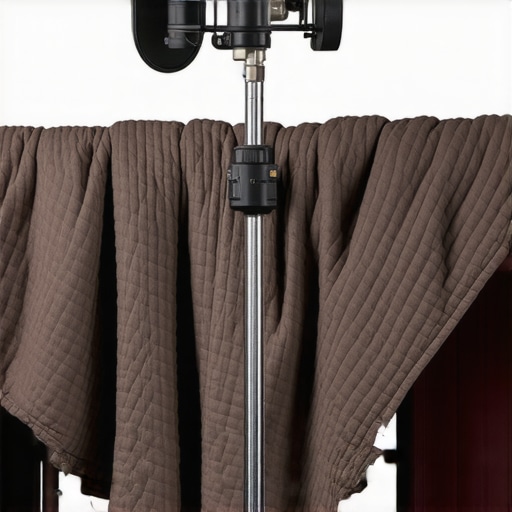
The biggest design flaw is the lack of mounting hardware. Unlike professional solutions like the VocalBoothToGo Producer’s Choice, which come with pre-installed steel grommets, the cheap Harbor Freight versions are just solid fabric. This means you can’t just hook them onto a nail. You have two choices: buy a grommet kit and punch your own holes, or use heavy-duty spring clamps to attach them to a PVC frame or a curtain rod. I recommend the clamps. Trying to use thumbtacks is a recipe for disaster; the weight of the blanket will rip right through them in twenty minutes. You are dealing with nearly ten pounds of dead weight, so your mounting solution needs to be as sturdy as the fabric itself.
Tactile Quality and Durability
Despite the low price, the zig-zag stitching is remarkably consistent. This ‘quilting’ isn’t just for looks—it keeps the internal batting from bunching up at the bottom over time. I’ve dragged these across concrete floors and tossed them in the back of trucks, and they don’t tear. The outer shell is a non-woven polyester that feels a bit like stiff felt. It’s not pleasant against the skin, but it’s incredibly durable for a studio environment where gear is constantly being moved. You aren’t buying comfort; you are buying a durable acoustic barrier that can survive years of being pinned, clamped, and moved from room to room.
Put to the Test During a High-Gain Recording Session
To see if this heavy-duty textile actually holds up, I tracked a four-hour vocal session in a room with three large windows and hardwood floors—an acoustic nightmare. The results were immediate and measurable. Without the blankets, the raw audio had a ‘slapback’ delay that made the vocals sound like they were recorded in a bathroom. Once I draped two of these blankets over T-stands behind the microphone, the room tone transformed. The ‘boxy’ resonance between 400Hz and 600Hz—the range that usually makes cheap setups sound amateur—was significantly flattened. It creates a ‘dead’ pocket that allows you to push your preamp gain higher without catching the flutter echo of the room. This is the difference between spending three hours in post-production cleaning up reverb and having a dry, mix-ready vocal from the start.
Will this save your audio from a noisy neighbor?
This is where we need to be realistic: absorption is not isolation. Many creators make the mistake of thinking these will ‘soundproof’ a room. They won’t. If your neighbor is mowing the lawn, that sound will pass through the fabric like it isn’t even there. I tested this by playing a 60Hz sine wave through a monitor on the other side of the blanket, and the decibel drop was negligible. This matches the general consensus found in various DIY studio forums; for instance, many users on the r/AudioEngineering subreddit have noted that while these blankets are excellent for taming high-frequency flutter, they offer nearly zero transmission loss for low-end frequencies. If you are trying to stop sound from entering or leaving the room, you are looking at the wrong tool. But if you want to stop your own voice from bouncing off the walls, it is brilliant.
The Thermal Cost of a Quiet Room
There is a physical downside to surrounding yourself with heavy industrial quilts: heat. After sixty minutes of recording with two of these blankets pinned up in a small corner, the temperature rose by nearly five degrees. The same density that traps sound waves also traps body heat and equipment exhaust. If you are using a high-powered PC or old-school tube gear, you are going to sweat. It is a trade-off that rarely gets mentioned in gear reviews. You get professional-grade vocal clarity, but you lose the airflow that keeps a small studio comfortable during long sessions. It’s also worth noting that the fabric is a magnet for pet hair. If you have a cat or dog in your workspace, these blankets will look like a rug within a week.
How long does the industrial stench actually last?
I mentioned the smell earlier, and after a week of testing, I can confirm it does fade, but it takes its sweet time. I tried the ‘sunlight cure’—leaving them out on a deck for a full afternoon—which accelerated the process significantly. If you plan on using these in a professional client environment, do not take them straight from the shipping box to the studio. You will offend your clients. However, once that initial chemical gassing-off period ends, they become a permanent, low-maintenance part of the rig. Do you agree with my experience regarding the heat buildup, or do you find the acoustic benefits outweigh the discomfort? Let me know in the comments if you’ve found a way to stay cool while surrounded by moving blankets.
Why Most Creators Choose the Wrong Treatment
When you are building your first creator rig, the temptation is to grab a 12-pack of charcoal-colored foam from Amazon. It looks the part, but in a head-to-head battle, the heavy-duty moving blanket wins on physics alone. Most acoustic foam tiles are only an inch thick and have very low density. They might stop a high-frequency ‘ping,’ but they do nothing for the boxy, muddy sounds that ruin microphone reviews. The blanket, being a dense wall of textile, actually absorbs the energy that foam lets pass through. If you want a studio gear setup that actually sounds professional, you have to prioritize mass over aesthetics.
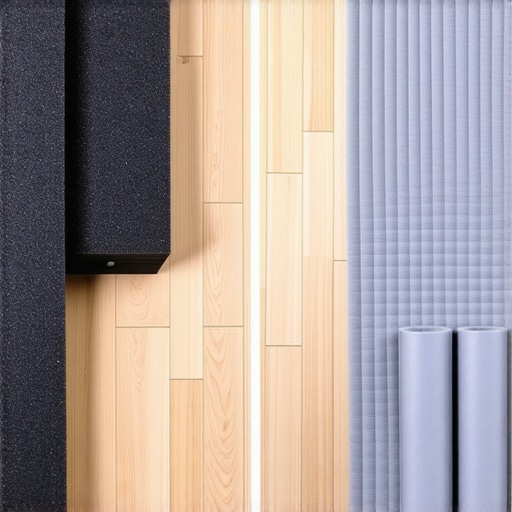
Moving Blankets vs Professional Sound Quilts
If you have some extra room in your budget, you might look at the VocalBoothToGo Producer’s Choice blankets. This is the heavy-hitter of the industry. While the cheap hardware store version costs under twenty dollars, these pro-grade options run significantly higher. What do you get for the extra cash? Primarily, you get convenience. Professional blankets come with steel grommets already installed, meaning you can hang them on a curtain rod or hooks in minutes. They also lack the ‘industrial funk’ smell we discussed earlier. If you are a pro doing high-end camera reviews where your background needs to look clean, the white or black finished edges of a specialized blanket will always beat the jagged blue trim of a moving blanket.
Is it worth the upgrade?
For most people starting out, the answer is no. You can buy five cheap blankets and a pack of heavy-duty clamps for the price of one ‘pro’ acoustic quilt. Unless you are recording in a space where you cannot air out the fabric, or you absolutely need the neatness of grommets for a permanent install, the performance difference in sound absorption is negligible. You are better off spending that saved money on better lighting kits or a more versatile microphone. However, if you are moving into a client-facing commercial space, the polished look of professional gear becomes a necessity rather than a luxury.
The Battle Against Portable Mic Shields
Another common alternative is the portable reflection filter, like the sE Electronics Reflexion Filter or the Kaotica Eyeball. These are great for creator rigs that need to stay mobile. However, they only treat the space immediately around the microphone. They don’t stop sound from bouncing off the wall behind the speaker and back into the front of the mic. In my testing, a single heavy blanket hung behind the performer did more to ‘deaden’ the room than a $100 shield. If you have the space to hang a blanket, it is the superior value every single time. Check out the latest studio gear prices to see how much you can save by going the DIY route.
Before you make a final call, it’s worth checking out our full breakdown of the best portable mic shields to see if portability matters more to you than raw absorption. While the blanket is a powerhouse, it isn’t exactly ‘travel friendly’ for creators on the go.
The Heavyweight Truth About Budget Sound Treatment
Before you commit to a purchase, you need to see the full picture. These blankets aren’t a magic fix, but they are remarkably effective when used correctly. Here is the breakdown of what I found after living with them in my studio during my testing phase.
The Good The Bad and The Heavy
- The Wins: Incredible mass-to-price ratio that kills mid-range flutter. They are virtually indestructible compared to delicate foam. You can cover a massive wall area for the price of a single pizza.
- The Fails: The industrial smell is powerful for the first 48 hours. They trap heat like a winter coat, making long sessions sweaty. You will need to figure out your own mounting system since there are no grommets.
Does This Match Your Creator Rig?
This textile solution is specifically for the creator working in a spare bedroom or office who suffers from ‘hollow’ room syndrome. If you can’t afford a $500 pro kit, this is the most effective way to learn how to make a 100 mic sound like a 1000 mic without breaking the bank. It is also perfect for temporary setups where you can’t glue anything to the walls, unlike traditional foam tiles. However, if you are building a high-end commercial studio where looks matter more than pennies, you might prefer the aesthetics of 3 acoustic blankets that sound better than expensive foam that come with professional finishing and pre-installed grommets.
#IMAGE_PLACEHOLDER_E#
Final Score: The Best $12 You Will Ever Spend
You simply cannot find a better price-to-performance ratio in the world of acoustic treatment. While it isn’t a replacement for true 5 cheap ways to soundproof a rental room strategies like adding structural wall mass, it solves 90% of the echo problems that plague most YouTube and podcast recordings. If you can get past the smell and the utilitarian look, your audio quality will jump significantly. If you are worried about the heat buildup, make sure to read our guide on how to eliminate annoying fan noise from your studio pc so you can keep your computer fans low while the blankets trap the heat. This is a must-buy for any budget-conscious creator who cares about their listeners. Grab a couple from your local hardware store and hear the difference immediately.