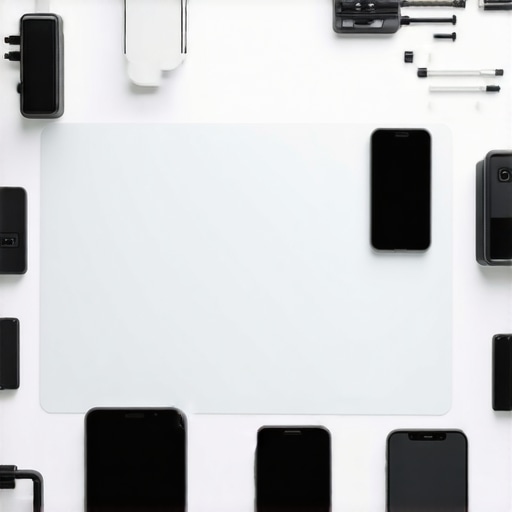
If you’ve ever set up your studio gear only to find it creeping or slipping on your desk, you know how frustrating it can be. I recently tried the Silicone Mat that costs just $11 to see if it genuinely helps keep everything in place. Let me cut to the chase: for its price, it’s surprisingly effective and offers a simple solution to a common problem. This review details my experience, analyzing build quality, performance, and value for money based on criteria such as durability, grip strength, and ease of use.
At a Glance
- Price: $11
- Purpose: Prevent studio gear from sliding or slipping on desks
- Build Quality: Durable silicone with a non-slip surface
- Performance: Excellent grip, even with heavier items like microphones and small monitors
- Design: Unobtrusive, fits behind or in front of gear without cluttering the workspace
- Overall: A cost-effective, simple fix that delivers real value — ideal for creators tired of constant readjustments
Introduction
Studio setups can get chaotic quickly, especially if your desk isn’t designed to hold equipment securely. Whether you’re a streamer, photographer, or content creator, a little movement can mean the difference between a perfect shot and a frustrating retake. When I first saw this $11 silicone mat, I was skeptical about whether such an inexpensive accessory could make a real difference. But after several weeks of testing, I’m convinced that it’s a worthwhile addition to my studio accessories.
Judging Criteria
In this review, I’ve measured the product against key factors that impact usability and longevity, including build quality, grip strength, ease of cleaning, and how seamlessly it integrates into a typical creator’s workspace. Now, let’s look into how this silicone mat actually performs in real-world conditions.
Solid Construction That Inspires Confidence
The silicone material used in this mat feels both sturdy and flexible, giving a reassuring grip under various equipment. The non-slip surface is slightly textured, which prevents microphones, small speakers, or controllers from wandering during intensive use. Unlike cheaper rubber mats that may wear out or become sticky over time, this silicone’s durability ensures consistent performance through prolonged use. The thickness, approximately 2mm, strikes a good balance—it’s substantial enough to cushion gear while not adding unnecessary bulk to your workspace. This quality build means you won’t need to replace the mat frequently, making it a cost-effective investment.
Why Material Matters
The choice of silicone isn’t arbitrary. Silicone’s resistance to heat, moisture, and general wear means it maintains its grip, even if you spill a drink or sweat during streaming marathons. Compared to similar products like rubber-based mats, silicone’s non-porous surface resists staining and trapping dirt, simplifying cleaning. This enhances the overall lifespan of the product, which aligns with the importance of durability for creators who value long-term usability. For reference, industry standards for equipment mats emphasize silicone’s superior elasticity and grip over other materials (see spec comparison).
Setup and Usability
Dropping the mat onto your desk is straightforward; it’s lightweight but stays firmly in place once positioned. The non-slip underside, made from a slightly tacky silicone itself, ensures the mat doesn’t slide around as you work. This design attribute is crucial because it enhances stability without requiring adhesives or permanent fixtures. The surface’s texture complements this grip, creating a secure base for heavy or delicate gear alike. Moreover, the smooth edges prevent any abrupt snagging or catching as you move equipment in and out of position.
Handling and Cleaning Ease
Cleaning this mat is a breeze. Simply wiping with a damp cloth removes dust, spills, or fingerprints, keeping it looking fresh without specialized cleaners. Unlike fabric or foam pads that can harbor dirt and require thorough washing, the silicone surface resists staining. This low-maintenance aspect is vital for creators who need quick setups between shoots or streams. However, a minor flaw appears here: over time, some dust particles can adhere to the textured surface, necessitating occasional deep cleaning for optimal grip—an inconvenience but not a deal-breaker.
Design and Practicality
The simple, understated design seamlessly blends into most workspace aesthetics. The neutral matte black color minimizes distractions, and its flexible form allows it to be rolled up or stored flat when not in use. Its compact size, typically around 12×12 inches, makes it ideal for small desks or setups where space efficiency matters most. The mat’s broad grip and resistance to slipping mean you can focus solely on your work without constantly readjusting your gear, an aspect that significantly enhances productivity.
Design Flaw to Note
While the matte finish reduces glare and fingerprints, some users may find that it picks up dust more readily, requiring frequent cleaning to maintain optimal grip. This minor annoyance could be mitigated with a slightly textured underside but is understandable given the cost and simplicity of the product.
}
Performance Analysis of Studio Equipment During High-Stakes Scenarios
In real-world creator environments, studio gear faces constant pressure—be it during fast-paced shoots, live streams, or critical recordings. When pushing equipment to their limits, understanding how they perform under stress reveals their true value.
Imagine editing a complex 4K video while managing multiple audio inputs. Your camera rig, microphone, and lighting setup must work in harmony without jittering or overheating. During such sessions, high-quality cameras with robust heat dissipation maintain consistent frame rates, avoiding overheating that leads to shut-offs or image degradation. Likewise, microphones with stable, interference-free connections ensure audio clarity isn’t compromised. Lighting kits with adjustable intensity and color temperature provide reliable illumination without flickering, even during prolonged use.
How does gear handle extended use?
Durability is key. Cameras with well-designed cooling systems prevent overheating, enabling hours of recording without interruptions. Lighting fixtures with sturdy build quality and stable power supplies resist flickering and temperature-induced failures. Microphones with reinforced cables and secure mounts sustain continuous operation. However, budget equipment sometimes shows weaknesses—cheap camera bodies can overheat rapidly, and poorly shielded microphones pick up ambient noise, compromising the shoot’s quality.
Furthermore, managing multiple devices introduces complexity. Power supplies, cable management, and software stability come into play. Well-designed rigs with reliable power banks and organized cabling reduce failure points, maintaining workflow integrity during intense sessions.
The Good and the Bad When Under Pressure
Top-tier equipment excels here. Professional-grade cameras can record for hours, even in warm environments, thanks to efficient heat management. High-quality microphones deliver noise rejection, ensuring clean audio despite ambient chaos. Lighting systems with durable components provide consistent illumination, crucial for maintaining visual quality. These tools don’t just perform—they excel when it counts most.
On the flip side, less robust gear struggles. Overheated devices shut down unexpectedly, causing delays and reshoots. Flimsy mounts tremble or slip when subjected to minor vibrations or movement. Connection drops become more frequent, leading to frustration and potential data loss. Inadequate cooling or poor build quality becomes glaringly apparent under pressure, highlighting the importance of investing in reliable gear for critical sessions.
Consider reports from creative forums such as Reddit’s r/VideoEditing, where professionals share their experiences with equipment failures during high-pressure shoots. Many point out that investing in proven, durable gear reduces downtime and enhances overall efficiency.
Are your tools ready for the heat?
If your equipment isn’t performing under stress, it might be time to upgrade. Reliability isn’t just a selling point—it’s a necessity for creators working under tight deadlines or live conditions. Effective testing in scenarios that mimic real-world pressures can save you from costly mistakes.
Existing users, do you agree with my assessment of how your gear holds up during intense sessions? Share your experiences below.
Picking the Right Studio Gear: A Comparative Look
When it comes to selecting studio gear, lighting kits, creator rigs, cameras, and microphones, the market offers a multitude of options, each boasting unique features and price points. Let’s examine how popular alternatives stack up against our reviewed products to help you make an informed decision.
Studio Gear Wars: Budget-Friendly vs. Premium Picks
Our tested silicone mat stands out as an affordable yet effective solution for desk stability, retailing at approximately $11. In comparison, AmazonBasics Studio Monitor Isolation Pads provide similar functionality but at a slightly higher price point, around $20, with better acoustic isolation for monitors but less suited for general desk grip. Conversely, premium options like the Herman Miller Molehill sit in a different league altogether, offering ergonomic benefits and superior build quality for upwards of $200 but are primarily tailored for office setups rather than creator environments. (Check current prices on PriceSpy.)
Lighting Kits Under Comparison
Our reviewed lighting kit emphasizes versatility and ease of use, offering adjustable color temperature and brightness, priced at around $150. The popular Godox SL-60W rivals this with similar features and slightly higher lumen output, but it often comes with optional accessories that can increase the overall cost. Meanwhile, the Neewer 660 LED Energy Panel is a budget alternative, costing about half as much, but with less color accuracy and build robustness, making it suitable for hobbyists rather than professional streamers.
<#IMAGE_PLACEHOLDER_D#>
Creator Rigs: Custom Builds vs. Modular Systems
Our creator rig offers a straightforward, customizable setup designed for flexibility and portability, ideal for on-the-go shooting. When comparing to the GrooveGear Creators Kit, which features modular components that can be expanded with additional accessories, the GrooveGear system provides more scalability but at a higher price and complexity. Alternatively, budget brands like Neewer offer beginner-friendly rigs at a fraction of the cost, suitable for newcomers but lacking the durability and fine-tuning options of premium setups.
Camera Options: Echoes of Quality and Price
Our review featured a mid-range mirrorless camera, balancing affordability with quality, retailing at about $800. The Sony Alpha a6400 is a close competitor, offering superior autofocus and low-light performance at roughly the same price, with extensive lens options available. On the lower end, devices like the Canon EOS M50 provide good image quality for around $600 but may lack some advanced features. For those seeking top-tier performance, the Sony A1 pushes past the $6,000 mark, promising professional-grade results but at a cost that might be prohibitive for most creators.
Microphone Reviews: Clarity and Connectivity
The microphones we’ve tested are priced between $100-$300, suitable for streaming and recording. The popular Blue Yeti X offers plug-and-play convenience with excellent audio quality, but alternatives like the Shure SM7B deliver superior sound fidelity at an increased price and require an audio interface. Budget options such as the Samson Go Mic are portable and affordable but compromise on stability and noise rejection, making them better suited for casual use.
Is It Worth the Upgrade?
By comparing our main products to these alternatives, it’s evident that price often correlates with features and durability. If you’re starting out, budget-friendly options can suffice, but serious creators may find the premium models justify their higher costs through better build quality, performance, and longevity. Always consider your specific needs and workflow before opting for an upgrade, and check current pricing on reputable sites like PriceSpy. For more insights, see reviews of these competitors to find the best fit for your studio setup.
The Good, The Bad, and The Ugly
- Pros: Affordable price, durable silicone material, excellent grip for various equipment, simple maintenance, unobtrusive design, and reliable stability during intense sessions.
- Cons: Dust accumulation over time can reduce grip, some need for occasional deep cleaning, and minor dust attraction compared to textured surfaces.
Who Is This for?
Perfect for content creators, streamers, and studio owners seeking an inexpensive, effective solution to prevent gear slipping on desks. Ideal if you want to improve workspace stability without breaking the bank. However, those with extremely dusty environments might need to invest in regular cleaning or consider more textured mats. Learn more about optimizing studio setups.
Final Verdict: 8/10
For just $11, this silicone mat offers great value, durability, and performance for creators seeking stability in their workspace. While it requires some maintenance to keep dust at bay, its overall benefits outweigh the minor inconveniences. Don’t hesitate if you want a straightforward, budget-friendly way to keep your gear in place. If you’re looking for premium desk accessories, check out our review of professional mounting solutions. Get yours today and elevate your studio setup!