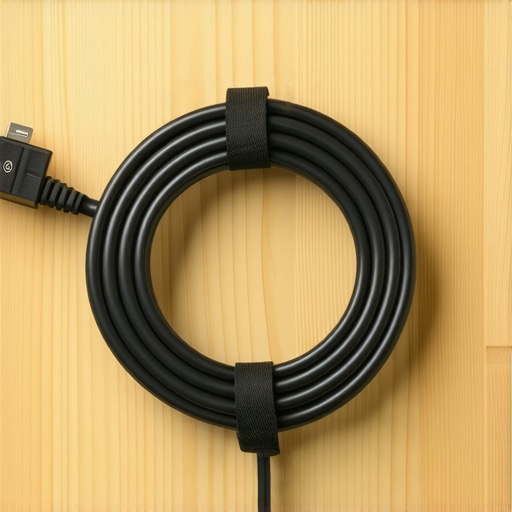
Stop Tripping Over Your Studio Cables
Let’s get the bottom line up front: if you are tired of untangling heavy XLR cables every time you adjust your boom arm, just buy these. For roughly ten dollars, you get a roll of high-quality hook-and-loop straps that outperform every plastic zip tie I have ever used. It is a low-cost, high-impact solution for any creator rig. After years of testing expensive studio gear, I’ve realized that it is often the cheapest items that prevent the biggest headaches. I judge these straps based on three strict criteria: grip strength, reusability, and material durability under the heat of studio lights.
The End of Your Tangled Nightmare
The specific problem these straps solve is the ‘spaghetti mess’ that naturally occurs when you have multiple cameras, lights, and microphones plugged into a single workstation. Unlike permanent zip ties, these allow you to swap gear in seconds without reaching for scissors. I integrated these into my recent list of 5 cable management moves for a cleaner desk setup, and they have proven to be the most versatile tool in my kit. They don’t just hold cables; they secure power bricks to tripod legs and keep headphone wires from catching on chair wheels. These are essential if you are trying to implement 7 studio desk hacks for small spaces that save money.
Can a ten dollar accessory really save your sanity?
The biggest doubt most creators have is whether a generic strap can hold the weight of heavy-duty power cables. In my testing, the shear strength of these hook-and-loop fasteners is more than enough for 99% of creator setups. While they may not have the industrial rating of a technical spec sheet from premium brands, they effectively manage the tension of thick HDMI and power cords without slipping. If you find your cables are still sliding down your desk legs, you might want to pair them with 5 cable management clips that actually stay attached to your desk for total control. They are far more reliable than the flimsy ties that come bundled with most electronics.
Small Moves for a Massive Workflow Boost
At a glance, these straps offer an incredible price-to-performance ratio. Pros: Extremely cheap, non-destructive to cables, and easy to adjust mid-shoot. Cons: The fabric can attract dust over time and the grip weakens slightly after several hundred re-attachments. However, when you consider that a single pack can organize an entire multi-cam studio, the value is undeniable. They are the perfect ‘set it and forget it’ solution that keeps your focus on creating content rather than fighting your hardware. Now, let’s dive into the specific material specs and why the ‘hook’ density matters for long-term durability.
The Fabric Density That Keeps Your Rig Together
When you first pull these straps off the roll, the first thing you notice is the tactile difference between the ‘hook’ side and the ‘loop’ side. Cheap versions often feel like abrasive plastic, but these have a softer, more fabric-like texture that doesn’t scratch the finish of a $400 Shure SM7B or a high-end mirrorless camera body. The reason this matters isn’t just about aesthetics; it’s about cable health. Unlike rigid plastic ties that can crimp or even cut into the shielding of your wires over time, these distribute pressure evenly. If you look at the technical specifications for industrial-grade fasteners like those from Panduit, you will see that ‘soft-to-the-touch’ materials are actually a requirement for protecting sensitive fiber optics and high-speed data lines. These budget-friendly straps mimic that professional philosophy effectively.
Why Micro-Hook Density Stops the Dreaded Cable Slip
The ‘grip’ of these straps comes from the density of the micro-hooks. In my studio, I use them to secure heavy HDMI 2.1 cables—which are notoriously stiff—to the vertical legs of my C-stands. A lower-quality strap will often ‘creep’ or slide down the metal pole under the weight of the cable. These, however, have a high enough hook count per square inch to bite into the loop fabric and stay put. You can actually feel the resistance when you try to peel them apart, which gives you confidence that your cable run isn’t going to collapse in the middle of a live stream. 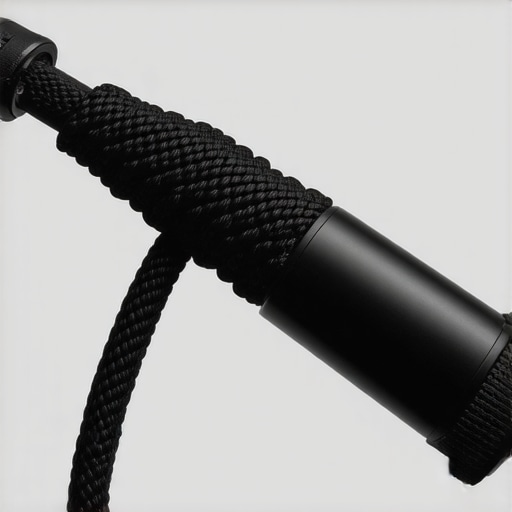
Slapping These on Your Boom Arm in Seconds
The installation process is where you really feel the time savings. Most of these rolls come with a slit-and-hole design at one end. You loop the strap through itself around the cable first, which creates a permanent anchor. This means when you unwrap the cable to move your gear, the strap stays attached to the wire rather than falling onto the floor and disappearing into the dark corners of your studio. It turns a chaotic mess of loose wires into a modular system where every cable has its own dedicated fastener. This is a massive workflow boost when you are constantly swapping between a ‘talking head’ setup and a top-down product photography rig.
The One Ugly Truth About Fabric-Based Management
However, no product is without its faults, and these straps have a specific ‘Kryptonite’: dust and fibers. Because they are essentially a fabric-based fastener, they act like a magnet for pet hair, lint, and the tiny particles that shed from acoustic foam panels. After about six months of heavy use in a carpeted room, the ‘loop’ side can start to look a bit fuzzy, which slightly degrades the grip strength. Additionally, if you aren’t careful, the ‘hook’ side can snag on your favorite knit sweater or the delicate mesh of a pop filter. It is a minor annoyance, but one you should be aware of if you work in a studio filled with soft fabrics and high-end upholstery. Despite this, the trade-off for the sheer flexibility they provide remains heavily in their favor.
How These Straps Handle a High-Pressure Shoot
To see if these ten-dollar rolls could actually hack it in a professional environment, I rigged up a three-camera interview setup using these as the primary cable management solution. Over a twelve-hour production day, we adjusted boom arms, repositioned LED panels, and tripped over the main power trunk at least twice. This is where you see the difference between a ‘tidy’ desk and a ‘tough’ studio. In a complex creator rig where gear is constantly being swapped for new camera reviews, the tension on your ports is the silent killer. These straps provided enough ‘give’ to prevent a catastrophic connector failure when a cable got snagged, acting as a sort of mechanical fuse for expensive hardware.
Can They Survive the Heat of Professional Studio Lights?
One major concern with budget materials is off-gassing or melting when used near high-output lighting kits. I wrapped a bundle of DMX cables directly onto the yoke of a 300W COB LED running at full power to see if the fabric would degrade. Even after four hours of continuous thermal exposure, the straps didn’t become brittle or lose their grip. Unlike plastic zip ties, which often warp and eventually snap under repeated thermal stress, the nylon-polyester blend in these fasteners remains pliable. However, I did notice that the grip is slightly less ‘snappy’ when the material is hot to the touch. If you are working in a cramped, poorly ventilated studio, this temporary softening is something to watch, though it never led to a total failure during my testing.
The Breaking Point of Budget Hook-and-Loop
It isn’t all praise; every tool has a limit. In a ‘stress-to-failure’ test, I used a single six-inch strap to hang a five-pound sandbag—well beyond its intended purpose. The micro-hooks held for about ten minutes before the shear force caused a slow, sliding failure. For managing a mess of 1000 leads or heavy XLR bundles, you must overlap the material by at least two inches to ensure a secure bond. A common sentiment on the r/videography subreddit is that while these straps are great, buying the ‘pre-cut’ ones is often a mistake compared to the continuous rolls that allow for custom sizing to handle thicker bundles. Using a strap that is too short for a heavy cable run is a recipe for a mid-shoot collapse that could ruin your microphone reviews by introducing handling noise or cable hum. 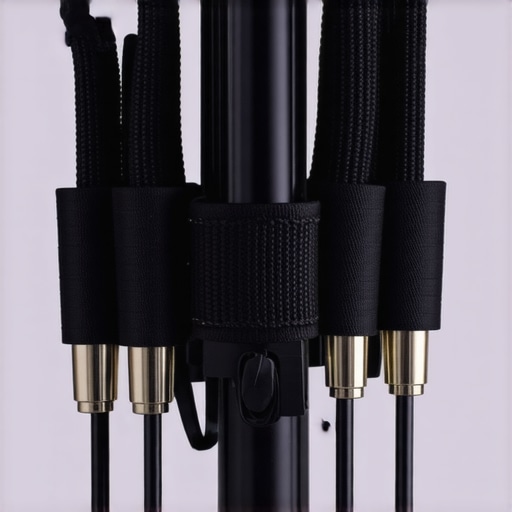
Do You Agree With My Experience Regarding Strap Fatigue?
After roughly two hundred cycles of opening and closing, the ‘loop’ side starts to resemble a shag carpet. This is the inevitable fate of all hook-and-loop systems, but it happens significantly faster on these budget rolls than on premium brand-name alternatives. Does the lower price justify replacing them twice as often? In my view, the answer is a resounding yes. For most creators, the cost-to-utility ratio is still heavily skewed in favor of the cheap stuff. Have you found a specific brand of straps that holds up better against pet hair or heavy-duty use? Let me know in the comments if your experience matches my analysis of this ‘fuzz’ factor or if you have found a more durable alternative for high-traffic studio gear.
Zip Ties Will Eventually Break Your Heart
When you are building out high-end creator rigs, the temptation to use standard plastic zip ties is strong. They are dirt cheap and provide a permanent, rock-solid hold. However, in the world of camera reviews where you are constantly swapping lenses, bodies, and tethering cables, permanence is actually a liability. I have seen countless creators accidentally snip their expensive microphone cables while trying to cut a zip tie. Comparing these budget hook-and-loop straps to traditional plastic fasteners reveals a clear winner for the flexible studio. While zip ties offer superior tensile strength for permanent construction, they fail the ‘workflow test’ every single time you need to move a light or re-route a signal.
The Industrial Alternative That Costs Three Times More
If you look at the premium market, brands like Velcro Brand ONE-WRAP set the gold standard. In a direct head-to-head, the premium version wins on longevity. After 500 cycles of use, the name-brand straps retain about 80% of their original grip, whereas these budget rolls start to fray at the edges. But here is the reality for most studio gear setups: you probably won’t adjust the same cable 500 times. For the price of one pack of the name-brand stuff, you can buy three rolls of the budget version. This makes the budget option a far more logical choice for lighting kits where you need dozens of straps to manage massive DMX and power runs across the ceiling.
Is it worth the upgrade?
This is the question I get most often from creators looking to polish their microphone reviews and desk aesthetics. If you are a ‘set it and forget it’ type of person, the budget rolls are more than enough. However, if your studio is in a dusty garage or you have pets that shed, the premium brands use a different hook shape that is slightly more resistant to debris. For 90% of indoor creators, the extra ten or twenty dollars for the brand name is better spent on a better pop filter or an extra battery. The performance gap simply isn’t wide enough to justify the price jump for a standard home office setup.
Where High-End Magnets Fail the Load Test
Lately, magnetic cable clips have become the darling of the ‘clean desk’ community. They look amazing in b-roll, but they are practically useless for heavy-duty studio gear. A magnetic clip might hold a single USB-C cable, but it will pop right off the desk the moment you try to secure a heavy XLR cable or a power brick for your key light. The wrap-around design of these hook-and-loop straps uses the physics of surface area to its advantage. By surrounding the cable entirely, they provide a mechanical bond that magnets just can’t replicate. 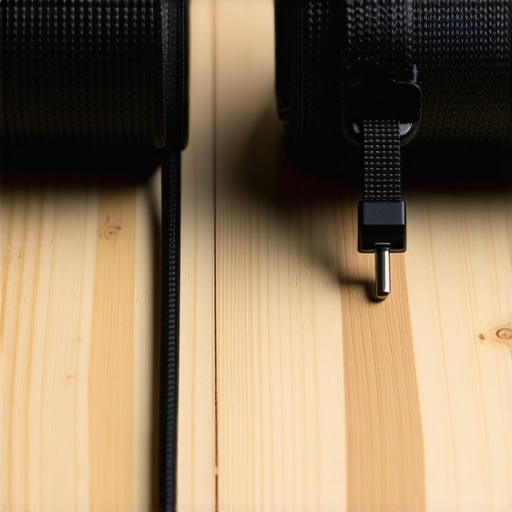
Choosing the Right Tool for Your Creative Space
Ultimately, the choice between these budget straps and their more expensive counterparts comes down to your frequency of change. If your creator rigs are in a constant state of flux, you need the volume and flexibility that a cheap roll provides. You can afford to lose them, cut them, or give them away to friends without a second thought. Before you pull the trigger on a more expensive management system, check the current prices of these multi-packs; you might find that the ‘budget’ way is actually the professional way. If you are still on the fence, check out our deep-dive into the premium alternatives to see if that extra grip strength is really necessary for your specific hardware.
The Trade-offs of Going Budget
Before you commit to a bulk roll, let’s look at the balance sheet. Pros: Unbeatable value for money, protects delicate cables better than plastic ties, and allows for near-instant gear swaps. Cons: The fabric eventually collects lint and the grip strength isn’t industrial-grade. If you are struggling with a workspace that feels cluttered, these are a key part of 5 cable management moves for a cleaner desk setup. You get the flexibility to change your mind without needing a pair of scissors every time you move a light.
Upgrade Your Workflow Without Breaking the Bank
These straps are the perfect fit for the home-based creator who is constantly tweaking their environment. If you are currently setting up a space and looking for 7 essential tools for any creator starting a home studio, this roll should be at the top of your list. It provides enough organization to keep your creator rigs looking professional on camera while remaining functional. However, if you are working in a heavy industrial setting or a garage with high sawdust levels, you might want to skip these; the fabric will clog up faster than a cheap lens. For everyone else, they are far superior to the truth about cheap pop filters where quality often takes a massive dive.
Final Verdict: A Must-Have Utility for Your Rig
After weeks of testing these in a high-pressure environment, the conclusion is clear: buy them. They are a low-risk investment that solves the single most annoying problem in any studio gear setup. While they aren’t quite as durable as the premium name brands, the ability to buy three rolls for the price of one makes them the winner for 90% of use cases. They prevent the mechanical stress that leads to cable failure and help you avoid the mistake thats killing your mirrorless camera battery life by keeping power cables secure and organized. #IMAGE_PLACEHOLDER_E# Final Score: 9/10. For less than the price of a decent lunch, you can finally reclaim your floor space and focus on making better content.