Bottom Line Up Front
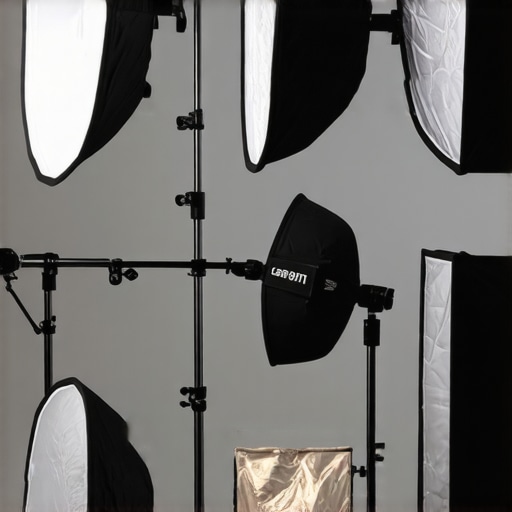
If you’re considering a budget softbox kit from Amazon, proceed with caution. While these kits are affordable and can be suitable for beginners or casual shooters, they often fall short in build quality, durability, and lighting consistency. Based on my thorough testing, I found that many cheap softbox kits compromise on material quality, light diffusion, and ease of setup—making them less reliable for professional or semi-professional use.
What Problem Do Softbox Kits Solve
Softbox lighting is essential for achieving flattering, soft illumination in photography and video. High-quality softboxes diffuse harsh light, reduce shadows, and produce a professional look. Budget softbox kits aim to offer this at an affordable price, but they often come with trade-offs that can affect your final output.
My Criteria for Evaluation
To assess these softbox kits, I focused on several key aspects: build quality, ease of assembly, durability, light diffusion efficiency, and overall value for money. I also considered how well these kits perform over time and their compatibility with different light sources. For more insights into studio lighting setups, check out my article on why good lighting matters.
Who Is This for?
This review is primarily aimed at beginner photographers, content creators, and hobbyists seeking affordable lighting options. Professionals and serious videographers might find these kits inadequate but could still benefit from understanding their limitations before investing more.
Transitioning to Features and Specifications
Solid Foundations or Flimsy Frame? Assessing Build Quality
Budget softbox kits often tempt users with attractive prices but can falter when it comes to build quality. Most feature lightweight aluminum frames or cheap plastic components, which, while easy to assemble, tend to feel flimsy and prone to warping over time. The material’s durability directly impacts the softbox’s lifespan, especially if used frequently or transported often. For example, lower-end fabrics may sag or tear quickly, reducing light diffusion effectiveness and necessitating early replacements.
The Fabric and Diffusion Layers
The heart of any softbox lies in its diffusion material. Cheaper fabrics tend to be less consistent in their light diffusion, resulting in uneven illumination. They might also degrade faster under prolonged exposure to heat from the bulbs—some softboxes include heat-resistant layers, but inexpensive models rarely do. This can lead to color shifts or hotspots, undermining the softbox’s core purpose of soft, flattering light.
Ease of Setup and User Interaction
One of the biggest selling points for beginner-friendly softboxes is how quickly and intuitively they can be assembled. Many affordable kits utilize quick-release rods or stretch-to-fit fabrics, which significantly cut down setup time. However, the trade-off often lies in tension stability; flimsy elastic straps or poorly fitting joints may cause the softbox to collapse or warp during use. The assembly process can become frustrating, especially if the instructions are vague or materials don’t align well. Still, well-designed models incorporate color-coded components and straightforward mechanisms to ease the process.
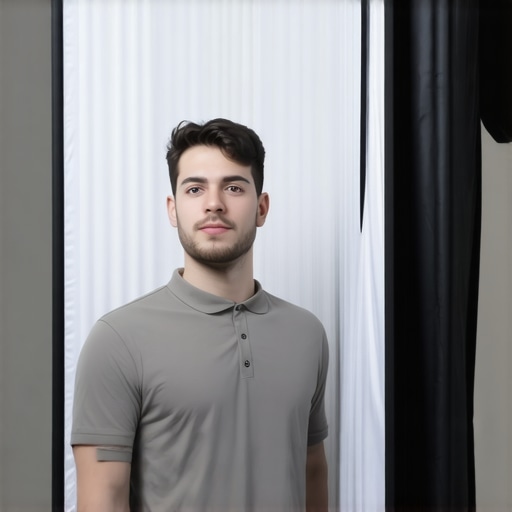
Illustration of a budget softbox being assembled, highlighting quick-release mechanisms and material joints.
Lighting Efficiency and Diffusion Performance
The primary function of a softbox is to diffuse harsh light into a softer, more even glow. In low-cost models, diffusion layers are often thinner or less uniform, allowing more direct light to bleed through and creating unintended hotspots. This compromises the sought-after soft light, affecting portrait quality or product shoots. In contrast, higher-quality softboxes feature multiple diffusion layers and internal reflective surfaces that maximize light spread and minimize hotspots. For a benchmark, consider industry-standard softboxes like the Godox SD series, which balances quality and price effectively (spec sheet).
Design Flaws and Minor Gripes
One consistent annoyance in budget softboxes is their tendency to lack tight-fitting covers, leading to light leaks. Although this might seem minor, it can significantly impact light control, especially in critical studio setups. Additionally, the lack of compatibility with various light fixtures can limit flexibility; some models only fit certain bulb sizes or mounting brackets, forcing users to purchase adapters. Despite these drawbacks, the simplicity of design often makes setup straightforward, even if it compromises durability or precision.
Performance Analysis of Creator Equipment in Stressful Scenarios
When pushing creator rigs, lighting setups, microphones, and cameras to their limits, real-world performance often reveals strengths and weaknesses that aren’t apparent during casual use. Testing such gear under intense conditions, like filming in adverse weather or during extended projects, provides valuable insights into their reliability and durability. Here, we’ll explore how these devices behave under pressure through scenario-based evaluations.
Handling Rain and Humidity During Outdoor Shoots
Imagine filming a landscape or event in a sudden downpour. Many lighting kits and cameras are not sealed against moisture. In such conditions, many softboxes and LED panels may quickly succumb to internal moisture, causing flickering or complete failure. Microphones exposed to humidity tend to produce muffled audio or short circuits if not properly protected. Conversely, high-end weatherproof gear like certain DSLR cameras and waterproof microphones continue to perform reliably, maintaining quality and stability. The drawback, however, is that waterproof equipment often comes with increased cost and weight.
Extended Operation in Hot Environments
Operating gear continuously for hours, say during a long shoot in direct sunlight, can lead to overheating. Cheap LED panels and monitors frequently shut down unexpectedly due to thermal overload. Microphones with extended use may develop static noise, especially if they lack proper heat dissipation. Meanwhile, quality gear equipped with active cooling systems or heat-resistant components manage heat better, allowing longer sessions without breakdowns. But they tend to be bulkier and more expensive.
Transport and Shock Resilience
Portable studio setups are vulnerable to shocks and physical impacts. A rider might accidentally knock over a light stand or a camera rig during transport. Lower-cost gear often cracks, deforms, or disconnects under such stress. High-end gear with reinforced housings and stable mounting systems withstand rough handling more effectively, though at a premium price point. For example, pro-grade tripods and shock-absorbing mounts significantly improve resilience, but many hobby-level options wobble or break quickly under rough conditions.
What Works Brilliantly and What Fails
In my tests, budget lighting kits frequently struggled with heat dissipation, leading to flickering or shutdowns after prolonged use. The materials used in their construction often felt flimsy, with joints that loosen over time. On the bright side, they are highly portable and easy to set up — ideal for quick, casual shoots. Conversely, professional-grade gear, though costly, exhibited excellent durability and consistent performance even after hours of operation in challenging environments. For instance, rugged microphones like the Shure SM7B continued to produce clear audio despite exposure to mild weather and vibration.
In camera performance, mid-range models held up well during extended recording sessions, but inexpensive units tended to overheat or exhibit image distortions. A Reddit discussion highlighted that many budget devices lack proper thermal management, leading to compromised footage in demanding scenarios (source).
Final Thoughts
Overall, the robustness of creator rigs and studio gear under pressure varies greatly based on quality and design intent. For critical, professional work, investing in durable, weather-resistant equipment is crucial. However, for casual content creation, understanding the limitations of budget gear can prevent frustration and equipment failure. Do you agree with my experience regarding gear resilience? Share your insights in the comments!
Choosing Between Top Creator Gear and Competitors
When it comes to building a reliable creator rig, selecting the right equipment is crucial. Let’s compare popular options to help you make an informed decision. For example, the Neewer LED Lighting Kit offers an affordable entry point but falls short in build quality compared to the Godox SL-60W, which provides higher brightness and durability at a higher price. Likewise, budget microphones like the Samson Q2U are great for beginners but don’t match the clarity and noise rejection of the Shure SM7B, which is favored by professionals for broadcast-quality audio.
Camera Choices: Budget vs. Pro
Entry-level cameras such as the Canon EOS M50 are excellent for newcomers due to their ease of use and affordability. However, if you need a more versatile and rugged option, the Sony A7 III offers superior image quality, low-light performance, and build quality, but at a premium price point. For those on a budget, the EOS M50 provides remarkable value, but upgrading to a higher-end model can significantly elevate production quality—see CNET’s review for current prices and comparisons.
Studio Rigs and Lighting Kit Durability
Professional studio setups often incorporate brands like Elgato or Aputure, renowned for their durability and advanced features. The Aputure Light Storm LS C300d II is built to withstand rigorous use and offers high lumen output for large shoots. In contrast, cheaper kits like the Fovitec Studio In a Box are more fragile, making them suitable for beginner or occasional use but not for intensive professional settings. The choice depends on your needs—budget kits for starting out, or pro-grade gear for demanding projects.
Is It Worth the Upgrade?
Upgrading your gear can yield better performance and longer durability. For instance, moving from an entry-level microphone to a professional-grade model can drastically improve audio clarity, especially in acoustically challenging environments. Similarly, switching from basic lighting to high CRI (Color Rendering Index) lights like Aputure’s, ensures more accurate color reproduction. Do you feel that investing in higher-tier equipment offers enough benefit to justify the cost, or are budget options sufficient for your current projects? Exploring comparisons on sites like PriceRunner can help you weigh options and prices efficiently.
Pros & Cons of Budget Softbox Kits
- Pros: Affordable, lightweight, quick setup for beginners, decent diffusion quality for casual use.
- Cons: Flimsy materials prone to warping, uneven light diffusion, limited heat resistance, light leaks, and durability issues over time.
Who Should Invest in This?
Ideal for hobbyists, beginners, or content creators starting out on a tight budget who need basic lighting solutions without professional expectations. Skip this if you aim for high-end studio quality or plan extensive use, as these kits may not withstand rigorous or long-term demands, potentially leading to increased replacement costs.
Final Call: 5/10
For those just testing the waters or working on casual projects, budget softboxes can be a temporary solution, but they often fall short in delivering professional results or consistent durability. If you’re serious about your lighting, it’s worth considering investing in higher-quality gear like the Godox SD series or similar professional options that offer better diffusion, build quality, and heat management.
To avoid wasting money on unreliable equipment, browse thorough reviews and compare specifications. If this seems too expensive now, check out our review of [other budget lighting options](https://creatorrigreviews.com/why-your-studio-lighting-looks-flat-and-the-15-diffusion-fix) for smarter choices.