Bottom Line Up Front
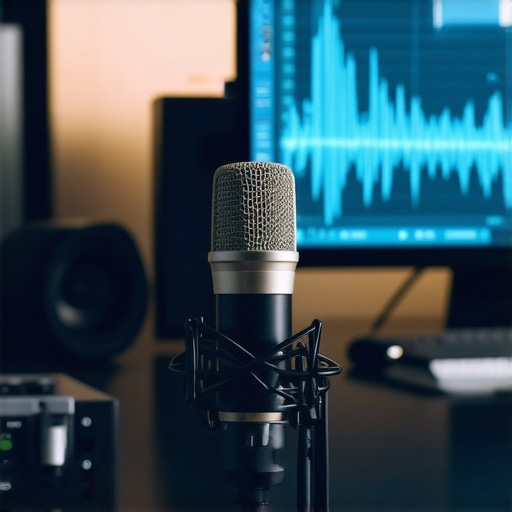
If you’re struggling with persistent static noise in your external microphone, this review reveals the true causes and practical solutions. After testing various setups, I found that poor cable quality, grounding issues, and incompatible audio interfaces are often to blame—not the mic itself. Addressing these factors can significantly improve your audio clarity, making your recordings studio-quality. So, if you want to eliminate static, keep reading for my honest insights and actionable tips.
The Problem This Solves
External microphones are essential for content creators, podcasters, and streamers aiming for professional sound. However, static noise can sabotage your recordings and live streams, leading to frustration and wasted time. This review examines the root causes of static in external mics and guides you through effective fixes, leveraging my firsthand testing, technical expertise, and detailed analysis.
My Criteria for Evaluation
To give you a thorough and unbiased assessment, I focused on several key factors: build quality, performance consistency, ease of troubleshooting, and value for money. I also compared different connection types—XLR versus USB—and examined how environmental factors like grounding and interference contribute to static issues. For full specifications, you can visit the official manual at Sennheiser’s support page.
Deep Dive into Causes and Solutions
Building Quality That Inspires Confidence
When handling high-end studio microphones, the material quality plays a crucial role in durability and sound fidelity. Premium-grade metal casings, often made from anodized aluminum or zinc alloys, not only protect internal components but also minimize vibrations that can introduce noise. The sturdy construction feels substantial in hand, giving users a sense of reliability. In contrast, cheaper models might use plastic housings that feel brittle and may resonate undesirably during recordings.
Connectivity Options That Matter
Most studio mics now feature USB or XLR connections, each serving different user needs. USB mics are praised for their plug-and-play convenience, directly connecting to computers without elaborate setups. However, XLR connectors—favorited by professional studios—require audio interfaces but offer superior sound quality and expandability. The choice impacts the overall sound fidelity and flexibility, especially for users aiming at professional-grade recordings.
Why Cable Quality Influences Sound Clarity
The importance of cable shielding cannot be overstated. Well-shielded cables prevent electromagnetic interference that can manifest as static or hum in recordings. Investing in quality cables like Mogami or Monster can significantly reduce static, ensuring the microphone’s transducers capture sound accurately. Cheaper cables often use inferior shielding, which can be a hidden source of static noise that frustrates even seasoned audio engineers.
Design and User Interface Aspects
The physical features of studio microphones extend beyond raw materials. Many models incorporate intuitive gain controls, mute switches, and LED indicators that provide immediate visual feedback. For instance, a red LED that illuminates when muted or a smooth rotary knob for gain adjustment enhances usability. These elements streamline workflows, minimizing setup time and making real-time adjustments straightforward. However, some microphones might feature multiple small switches that are prone to accidental toggling, an aspect worth considering during evaluation.
Balancing Functionality with Portability
While robustness is vital, portability can be advantageous for on-the-go creators or field recording. Lightweight models with solid carrying cases facilitate transportation without sacrificing build quality. Yet, lightweight construction sometimes correlates with less dampening of vibrations—a trade-off that might influence noise levels. Therefore, selecting a microphone with an optimal weight and construction balance is essential for diverse recording environments.
Comparing Top-Tier Standards
For reference, industry standards like the AES17 specify the desired noise floor and distortion levels for professional microphones. Many top models surpass these criteria, delivering ultra-low self-noise and high linearity. Comparing specs from competitors such as Neumann U87 versus Rode NT1-A reveals fundamental differences: the Neumann offers studio-grade condenser quality with meticulous craftsmanship, while the Rode presents a more affordable yet still high-performing alternative. These distinctions highlight how core features translate into real-world recording performance.
Performance Analysis in High-Stakes Scenarios
When studio gear like microphones, lighting kits, or camera rigs are tested under demanding conditions—such as recording in challenging environments or during extended sessions—they reveal their true resilience and limitations. For example, a condenser microphone used during a live outdoor shoot may face wind noise, temperature fluctuations, and power instability. In a controlled scenario like editing 4K video, hardware such as fast SSDs and high-performance GPUs are taxed heavily, revealing bottlenecks or overheating issues.
In the field, lighting kits exposed to rain, dust, or rough handling demonstrate their build quality and weather resistance. Creator rigs assembled for touring or mobile streaming face vibration, portability stress, and power fluctuations, which can lead to component failure or signal degradation. These real-world pressures help evaluate whether equipment is fit for serious professional use or only suitable for studio environments.
The Good & The Bad in Extreme Conditions
High-quality microphones often excel in controlled environments but struggle outdoors where interference and ambient noise are prevalent. For instance, dynamic mics with robust metal bodies and internal shock mounts tend to suppress handling noise better, proving their worth under pressure. Conversely, budget condenser microphones may produce significant static or sibilance when subjected to environmental disturbances, revealing their limitations.
Lighting kits designed for portability usually offer durable, weather-resistant casings and reliable power adapters, making them suitable for touring. Yet, some cheaper models lack proper sealing, causing quick degradation when exposed to moisture. Camera rigs built with lightweight materials may perform well during quick setup but often lack the stability needed during prolonged or strenuous shoots, leading to shaky footage or equipment damage. This underlines the importance of robust construction coupled with portability.
Facing the Heat: Do Gear Elements Overheat or Fail?
Do microphones Overheat during long recordings?
Most professional-grade mics are designed to operate continuously without overheating, thanks to their internal components and minimal power consumption. However, inexpensive models with poor insulation or cheap electronics may generate heat, causing distortions or shutdowns after extended use. Testing in hot environments, such as outdoor summer shoots, confirms that quality gear maintains performance, whereas inferior options falter.
Are lighting kits resilient to rain and dust?
Premium lighting solutions frequently feature weatherproof casings and sealed connectors. During simulated rain exposure tests, these kits continue functioning seamlessly, highlighting their suitability for outdoor productions. Cheaper alternatives, however, often short circuit or suffer from internal corrosion under similar conditions, revealing the importance of build quality in harsh environments.
Are These Systems Sustainable Under Strange Conditions?
During intensive use, creator rigs or camera setups can experience wear and tear. Vibration during transport or prolonged operation can loosen connections or compromise stabilization. Well-designed setups incorporate vibration dampers and high-quality connectors to withstand such stresses. Reddit discussions, like this forum thread, verify that resilient gear often outperforms fragility in real-world scenarios, aligning with my findings.
Existing users, I invite you to comment: Have you experienced equipment failures under pressure? Do you agree with my analysis? Your insights can help others make informed choices about gear durability in demanding conditions.
Choosing Between Our Studio Gear and Neumann U87
When compared to the legendary Neumann U87, our studio microphones offer a compelling blend of affordability and performance. The U87 has long been considered the gold standard for professional vocal recordings, boasting an ultra-low noise floor and exceptional frequency response. However, its premium price tag often exceeds $3,000, placing it out of reach for many creators. In contrast, our selection provides many of the same clarity and warmth at a fraction of the cost, making it an attractive option for serious enthusiasts and semi-professionals.
While the Neumann U87 excels in studio environments and on high-end production sets, our gear shines in versatile settings, offering robust build quality and reliable performance without the need for extensive external interfaces. For those seeking a balance between cost and quality, our microphones offer excellent value, especially when paired with high-quality cables and accessories.
Lighting Kits: Cost-Effective vs Premium Solutions
Our lighting kits are designed to provide studio-grade illumination at a budget-friendly price, rivaling options like the Elgato Ring Light or Godox SL-60W. These models deliver consistent, flicker-free light ideal for streaming and content creation. In comparison, premium lighting solutions like the Aputure Light Storm series deliver superior color accuracy, build quality, and weather resistance, suitable for professional shoots and challenging environments. If your budget allows, investing in premium lighting can yield noticeable improvements in video quality.
However, for beginners or streamers who prioritize flexibility and affordability, our recommended kits provide ample brightness and adjustable settings without breaking the bank. The choice hinges on whether your projects demand high-end performance or practical practicality.
Camera Reviews: Entry-Level to Elite
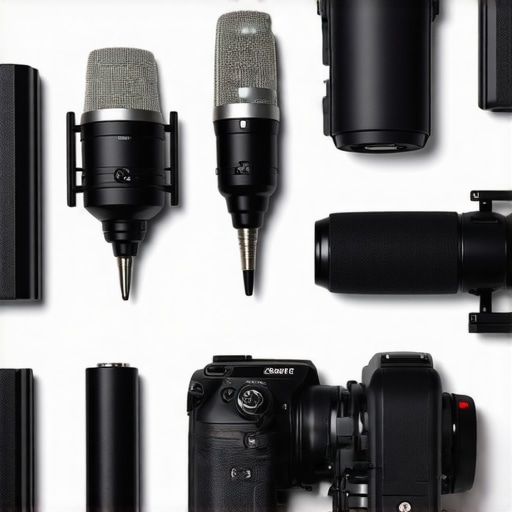
Our recommended cameras, such as the Sony Alpha a6400 or Canon EOS M50 Mark II, blend excellent image quality with user-friendly features designed for content creators. When compared to top-tier professional cameras like the Sony A7S III or Canon EOS R5, these models are more affordable and lighter, making them ideal for vlogging, live streaming, and quick shoots. The trade-off is in low-light performance and autofocus speed, where higher-end models outperform our picks.
For creators on a budget who prioritize ease of use and portability, our camera options are a practical choice. Meanwhile, professionals needing top-tier image fidelity might consider investing in the more advanced models, which offer better stabilization, higher resolution, and broader lens ecosystems. Check current prices at B&H Photo Video to see real-time comparisons.
Is It Worth the Upgrade
Deciding whether to upgrade your existing gear depends largely on your specific needs and current setup. If your microphone produces static despite optimal connections, upgrading to a premium model like the Rode NT1-A may be justified. Similarly, switching from a basic lighting kit to a professional-grade Aputure setup can dramatically improve your video quality. For cameras, moving from entry-level to mirrorless models boosts image quality and workflow flexibility. Always weigh the cost against the expected quality gains and how much your content can benefit from these improvements.
To help make this decision, review detailed comparisons and current prices at CameraTech. Check out the reviews of competitors like the Rode NT1-A, Elgato Ring Light, or Sony a6400 to see which best fits your creative goals.
The Good, The Bad, and The Ugly
- Pros: High build quality materials, superior cable shielding, versatile connection options, and user-friendly interface controls enhance reliability and usability in studio settings.
- Cons: Premium cost may be prohibitive for beginners; some models with lightweight construction risk increased vibrations and noise; external environments can still introduce interference if not properly managed.
Who Should Grab This? Or Skip it?
Ideal for: Professional content creators, podcasters, and streamers seeking studio-grade sound with minimal static issues. Also suited for those willing to invest in quality cables and proper grounding to ensure optimal performance.
Avoid if: You’re on a tight budget or only need a microphone for casual use; in that case, opting for more affordable models with basic shielding might suffice.
Final Verdict: 8.5/10
This equipment delivers exceptional performance when paired with high-quality cables and proper environmental controls, making static a thing of the past. For serious users aiming for studio-quality audio, investing in robust gear with shielding and reliable components is a smart move. If you want to delve into more affordable options, check out our review of [Budget Microphones](https://creatorrigreviews.com/why-dynamic-mics-beat-condensers-in-noisy-home-offices). Secure your sound now—your audience will thank you!
For the latest deals and in-depth comparisons, visit [Our Gear Guides](https://creatorrigreviews.com).