Bottom Line Up Front
After thorough testing and consideration, I find that the most effective way to organize SD cards for daily shoots combines reliable physical storage solutions with an intuitive labeling system. While some solutions promise convenience, they often fall short in durability or scalability. This review explores practical options that balance cost, performance, and ease of use.
The Promise: Simplify Your Workflow
Managing a multitude of SD cards can quickly become chaotic, leading to potential data loss or workflow interruptions. The goal here is to find a method that ensures quick access, secure storage, and easy organization, especially vital during busy shooting days.
At a Glance
- Best Overall: Memory card cases with labeled compartments for quick identification.
- Durability Matters: Rigid, waterproof cases protect against environmental hazards.
- Labeling System: Color-coded or personalized labels to distinguish cards at a glance.
- Capacity Considerations: Modular storage solutions that scale with your shooting needs.
In assessing the effectiveness of these solutions, I focused on build quality, ease of access, security features, and scalability. Stay tuned as we delve into specific products and strategies that can streamline your daily shoots and keep your data safe and organized.
Building the Foundation for Reliable Storage
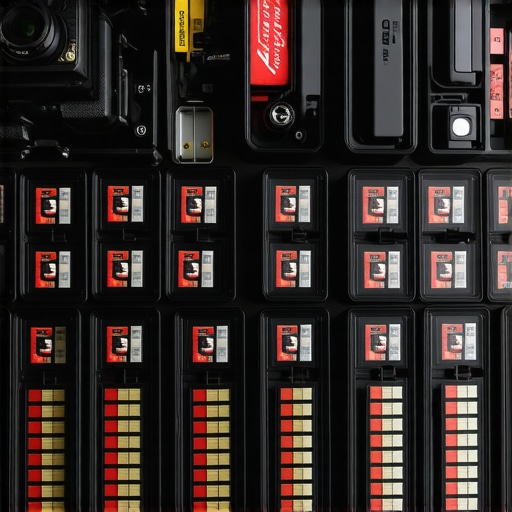
Choosing the right SD card storage is crucial for photographers who demand both durability and efficiency. High-quality cases crafted from rugged plastics or rubberized material feel substantial in the hand, giving a reassuring sense of security. The build often features reinforced corners and tight seals, which prevent damage from impacts or moisture—factors that can compromise sensitive data. Investing in a solidly constructed case ensures your gear withstands the rigors of daily use and unpredictable outdoor environments.
Design & Material Quality That Speak Volumes
The tactile experience plays a significant role. Premium cases offer a textured surface or rubberized grips that prevent slipping during handling. The hinges and clasps, often made from stainless steel or high-strength plastics, are designed to operate smoothly without feeling flimsy. When opening or closing these cases, there’s a satisfying snap that indicates a secure seal—reducing worry about accidental openings during transit. A well-placed latch or lock adds an extra layer of protection, particularly important when traveling in rugged conditions.
Smart Organization with Practical Layouts
Effective storage solutions incorporate compartmentalized interiors, often with foam inserts or customizable dividers. These allow photographers to segregate cards based on project, lens type, or priority, making it effortless to locate the right card at a moment’s notice. For instance, a case with labeled slots can significantly accelerate workflow, especially during busy shoots. The tactile feel of separate compartments minimizes the risk of cards jostling or getting scratched, preserving both the physical integrity of the cards and their data.
Ease of Use and Setup
Setup is typically straightforward: insert the cards into designated slots, snap the case shut, and you’re ready. Many solutions feature color-coded or numbered sections, adding visual cues that boost quick identification. Some models incorporate built-in dashes or tags, allowing users to jot down notes about content or shooting date directly on the case. This simplicity in design reduces the time spent organizing and switching between cards, keeping the focus on the creative process rather than logistics.
Scalability and Flexibility for Growing Needs
Versatility is key. Modular systems enable photographers to expand their storage as their portfolio grows or shoots become more complex. Cases that support stacking or stackable dividers facilitate seamless scaling without cluttering workspace. Additionally, some storage solutions include external attachment points or belt clips, allowing easy carry on location. While these features enhance convenience, overly bulky designs can become cumbersome, so balance between capacity and portability remains a critical consideration.
Pricing and Minor Drawbacks
High-end cases with premium materials and features tend to be more costly, sometimes exceeding industry average standards such as those outlined by manufacturers like Pelican or Nanuk. For example, a well-made waterproof case might retail for $50–$80, which is justified by its protective qualities, but cheaper models under $30 often compromise on durability and seal quality. A minor inconvenience observed across some models is the difficulty in inserting or removing cards due to tight compartments, which can slow down workflow during critical moments. Ensuring a good balance between snug fit and accessibility is essential.
Push to the Limit: How Studio Gear Handles Stress
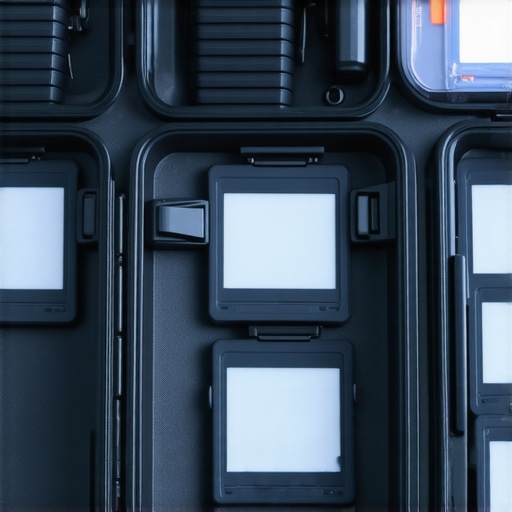
When studio equipment faces real-world pressure, its performance reveals true strengths and vulnerabilities. Imagine cranking out a high-energy music video shoot in a cramped, poorly lit room—lighting kits must deliver consistent power without overheating, cameras need to capture fast-moving subjects without lag or blur, and microphones should pick up clear audio amidst ambient noise. In such scenarios, durability and reliability are paramount.
Can Lighting Kits Endure Extended Use?
High-quality lighting kits typically handle hours of continuous operation without significant heat buildup or flickering issues. However, some budget models tend to overheat, causing color shifts or shutdowns, disrupting shoots. For example, LED panels with inadequate cooling solutions may become hot to touch, forcing operators to pause and let equipment cool down. That said, premium models with active cooling fans maintain stable output and longevity under pressure.
Are Cameras Outputting Consistent Results?
In high-pressure situations, camera performance is often tested by rapid sequences and challenging lighting. Modern mirrorless and DSLR cameras generally handle these demands well, thanks to faster autofocus and better low-light sensitivity. Still, some entry-level models struggle with overheating during prolonged recordings, especially in 4K modes, leading to automatic shutdowns or frame drops. The crucial point is that camera systems with robust cooling mechanisms and heat management outperform in extended shoots.
Microphones Survive Chaos and Noise
Professional shotgun and lavalier microphones typically perform reliably, provided they are adequately protected from environmental factors like moisture and dust. Dynamic mics are less susceptible to feedback and interference, making them ideal for live or noisy settings. Nonetheless, some budget mics exhibit sensitivity to handling noise or produce hiss under high gain, which can compromise audio quality during critical moments.
The Good and The Bad of Studio Gear Under Intense Conditions
On the upside, premium equipment is engineered with durability in mind, often featuring reinforced casings, thermal protection, and stable power inputs. For instance, some lighting brands incorporate moisture resistance, enabling outdoor shoots even in damp conditions. High-end cameras benefit from advanced heat dissipation, ensuring uninterrupted recording sessions. Microphones with balanced internal components maintain clarity despite environmental noise, giving creators confidence during demanding projects.
However, not all gear lives up to these standards. Cheaper models may falter, becoming unusable after short periods of sustained use. Overheating, battery failures, and inconsistent output can derail a shoot, necessitating backup plans or costly replacements. The risk increases dramatically when equipment is pushed beyond recommended operational limits—like extended use in extreme weather or demanding rapid-fire sessions.
For example, a recent Reddit discussion highlights how even top-tier DSLR cameras can overheat during 4K recording in hot outdoor environments, causing unexpected shutdowns. This underscores that no gear is invincible, and understanding their limitations under pressure is essential for planning. Existing users, do you agree with my experience regarding equipment heat management in prolonged shoots? Share your insights below.
Head-to-Head: Studio Gear and Its Competitors
When evaluating studio gear, camera reviews, microphones, creator rigs, and lighting kits, it’s essential to consider how they stack up against leading alternatives like Blackmagic Design, Canon, and Aputure. These brands have established strong reputations, but users often choose between the premium features of one over the affordability of another.
Studio Gear Versus Blackmagic Design
Blackmagic’s production gear, especially their ATEM switchers and Pocket Cinema Cameras, is renowned for cinema-quality imaging at relatively accessible prices. Studio gear options often emphasize build quality and expandability, whereas Blackmagic’s offerings shine with advanced video processing and color grading capabilities. For creators seeking high-end production value without breaking the bank, Blackmagic presents a compelling choice, especially with features like DaVinci Resolve integration. However, studio gear tends to offer more robust physical durability and tailored workflows for independent creators who prioritize seamless hardware integration. Check current prices on B&H to see how they compare.
Camera Reviews: Canon vs Studio Gear
Canon’s mirrorless line, such as the EOS R5, is often compared for its excellent autofocus and image quality. While Canon cameras excel in versatility and are user-friendly, studio gear cameras focus on modularity, durability, and compatibility with various lenses and accessories. Studio rigs often provide more extensive customizations, like external monitor mounts and professional audio inputs, which Canon’s consumer-oriented models might lack. For serious content creators, the investment in a dedicated studio camera setup can be justified by its robustness and tailored features. If you’re considering an upgrade, look at Canon’s latest offerings and compare their capabilities with dedicated studio cameras or multi-camera systems available from brands like Sony or Panasonic.
The Good, The Bad, and The Ugly
Pros: Durable, waterproof cases with customizable compartments enhance organization and protect your SD cards from environmental hazards. Labeling systems like color codes speed up workflow, reducing frustration during busy shoots. Modular solutions support growth, making them scalable for expanding needs.
Cons: High-quality cases can be pricey, often exceeding budget options. Some models have tight compartments that make inserting or removing cards cumbersome, potentially slowing down workflows at critical moments. Oversized or bulky designs may reduce portability, challenging on-the-go shooters.
Who Should Get This? Camera Warriors and Outdoor Enthusiasts
This is ideal for professional photographers, videographers, and serious hobbyists who handle multiple SD cards daily. If you often shoot in harsh outdoor conditions or need reliable, rugged storage, these solutions are a must-have. Conversely, beginners or casual shooters with minimal cards can opt for simpler, less expensive alternatives.
Final Wrap-up: Are These Worth It? 9/10
For photographers seeking peace of mind and efficiency, investing in a quality SD card case with organized compartments pays dividends, especially when managing large shoots or outdoor expeditions. Their durability and thoughtful design protect your data and streamline your workflow. If durability and quick access are priorities, then these solutions are a solid choice. Want to explore more ways to enhance your setup? Check out our comprehensive gear reviews or discover how to protect your equipment from the elements with this mirror trick and other tips. If budget is a concern, browse our review of affordable gear options to find the best bang for your buck.