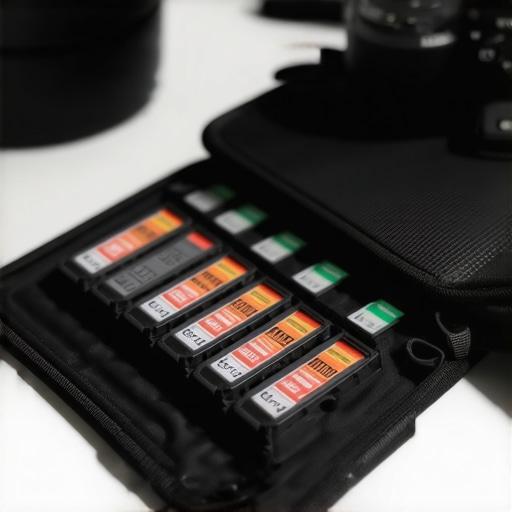
The Bottom Line Up Front: If you are still throwing loose SD cards into your camera bag pockets, you are playing a dangerous game with your data. After years of field testing, the only reliable way to organize SD cards is a rigid, weather-sealed case combined with a strict ‘label-side-up’ protocol. It is cheap, effective, and significantly more reliable than digital labeling alone.
The Chaos of Loose Media and Why You Need a System
I have seen it happen on high-stakes shoots too many times: a creator finishes a 10-hour day, reaches into a side pocket, and pulls out three identical SD cards. Which one is full? Which one is formatted? This lack of organization leads to accidental overwrites and the kind of stress that kills creativity. The promise of a dedicated SD card organization system is simple—zero friction between shooting and offloading. Much like how organizing your camera bag saves time on-site, a dedicated media workflow ensures you never second-guess your storage status.
My Hard-Earned Criteria for Judging Media Management
I judge SD card organization on three non-negotiable factors: physical protection, visual status indicators, and speed of access. For the last six months, I have put several ruggedized hardshell cases through their paces, treating them with the same scrutiny I give to vital tools like the most important wrenches in my bag. If a case doesn’t survive a drop onto concrete or a splash from a spilled water bottle, it has no place in a professional rig. I also look for systems that allow for a ‘binary’ storage method—face up for empty, face down for full. This physical feedback loop is faster than any software-side check.
Are Rugged SD Card Cases Overkill for Hobbyists?
Many beginners think a $20 weatherproof case is unnecessary, but when you consider that a single 128GB V90 card costs over $100, the protection is a bargain. Dust and static are the silent killers of flash memory. Just as a simple silicone cover protects your camera, a sealed case prevents debris from entering the contact points of your cards. You can find technical specifications on card durability and environmental resistance on the official SanDisk Technical Resource page.
The Best Way to Track Your Media at a Glance
The ‘Flip-and-Click’ method is my current gold standard. You use a hardshell case with numbered slots. When a card is formatted and ready to go, it sits with the label facing you. Once the card is pulled from the camera after a shoot, it goes back into the slot label-side down (contacts facing you). This provides an instant visual map of your remaining storage capacity without needing to power on a camera or laptop. It is a low-tech solution to a high-tech problem that simply does not fail. Now that we have established the ‘why’ and the basic workflow, let’s dive into the specific build quality features you should look for in a professional-grade organizer.
Why a Solid Polycarbonate Shell is Non-Negotiable
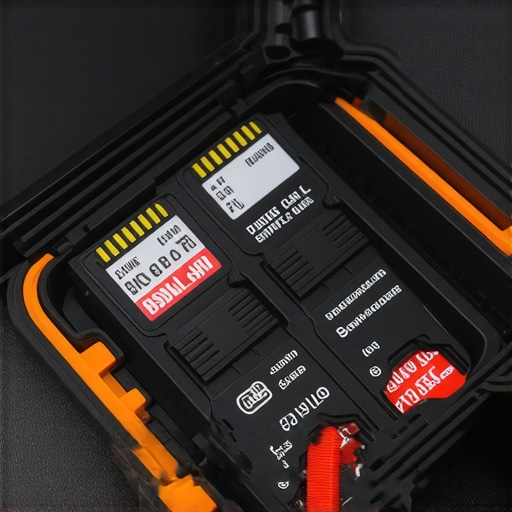
The exterior of a high-end card case shouldn’t just look tough; it needs to survive the ‘step-on’ test. Most professional-grade units use a high-impact polycarbonate resin. This isn’t your standard consumer plastic; it is the same material used in protective gear for extreme sports. When you hold it, there is a density that immediately separates it from the cheap generic cases found on bargain sites. It does not flex or creak under pressure, which is vital when it is shoved at the bottom of a thirty-pound rolling bag beneath heavy light stands and tripods.
The Snap That Signals Security
There is a specific tactile feedback loop I look for when closing these cases. A heavy-duty latch should require a deliberate, forceful click to engage. If a case flips open with a light brush of your thumb, it will inevitably snag on a stray cable and dump your cards into the bottom of your bag. The hinge is another area where quality shows; look for metal pins rather than plastic living hinges. A metal pin hinge can withstand thousands of cycles without the plastic fatiguing and eventually snapping off in your hand during a cold-weather shoot.
The Moisture Barrier You Hope You Never Need
Inside the rim of every professional organizer, you should find a visible O-ring or silicone gasket. This is what provides the IP-rating required to keep your data safe from a spilled coffee or a sudden downpour. For context, you can compare these features to the industry-standard Pelican 0915 spec sheet, which has defined this category for years. If you do not see a continuous, compressible rubber seal when the case is open, it is not truly weather-sealed. This seal also acts as a secondary dust barrier, preventing fine grit from getting into the card contacts, which can cause read/write errors in the camera.
The Fingernail Fight: A Common Design Oversight
Despite the rugged exteriors, many manufacturers fail at the internal ergonomics. A common design flaw in modern cases is the ‘over-secure’ slot. While you want your cards to stay put, some high-density TPU linings are so tight that you have to pry the card out with a tool or a long fingernail. This is especially frustrating with MicroSD cards that are often recessed too deeply into the foam. I have spent far too many minutes in the dark of a production van trying to fish a tiny card out of a poorly designed slot. A superior design includes a small ‘notch’ or cutout next to the card slot, allowing you to get a fingertip under the edge of the media for a clean, fast retrieval.
The Tactile Satisfaction of High-Density Foam
The interior material choice defines the longevity of the case. I prefer custom-molded silicone over traditional ‘pick-and-pluck’ foam. While foam is soft, it eventually degrades and leaves tiny black particles inside your card slots. Silicone or molded rubber keeps its shape indefinitely and provides a much cleaner environment for your flash memory. When you press a card into a well-designed rubber mold, it should feel snug—like it is being hugged—rather than being clamped down. This balance ensures the card stays put during a drop but remains accessible when the pressure is on.
Performance Under Fire: From Dusty Deserts to Rainy Rigs
To truly test a ruggedized media case, I took a high-density polycarbonate unit into a coastal environment where salt spray and fine sand are constant threats. During a fast-paced three-day shoot, I abandoned the luxury of a clean studio and relied entirely on the ‘Flip-and-Click’ method while switching between a primary A-cam and a secondary drone controller. In this scenario, the case wasn’t just a container; it was a mission-critical piece of the workflow. While juggling a heavy gimbal in one hand and a fresh V90 card in the other, the tactile snap of a high-quality latch becomes your best friend. There is no time to squint at labels when the sun is setting and your battery is at 4%. You need to feel the card seat itself into the silicone mold and hear the weather seal engage as you snap it shut.
Can You Open It One-Handed While Holding a Camera?
This is where many ‘bulletproof’ designs fail. I found that several leading brands prioritize the seal over the speed of access. On a shoot in the Pacific Northwest, with temperatures hovering near freezing, the rubberized exterior of a budget case became incredibly stiff. Trying to pry open a flush-mounted latch with cold, numb fingers while balancing a $4,000 rig on my knee was a recipe for disaster. The better-designed cases feature an oversized latch with a slight protrusion, allowing for a thumb-operated release that doesn’t sacrifice the IP-rating. If you have to put your camera down just to grab a fresh card, the case is failing its primary job in the field.
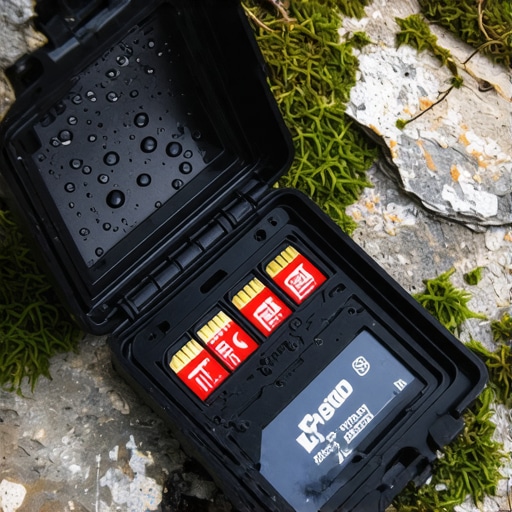
On the positive side, the physical security these cases provide is unmatched. During a particularly chaotic pack-down, I accidentally dropped my fully loaded case from a height of five feet onto a jagged rock surface. A soft-sided media wallet would have likely compressed, putting direct pressure on the delicate plastic casings of the SD cards. The polycarbonate shell, however, distributed the impact across the frame. Upon inspection, the exterior showed a minor scuff, but the internal cards remained perfectly seated in their vibration-dampening slots. This peace of mind allows you to focus on the creative aspects of the shoot rather than worrying about the structural integrity of your storage.
However, the bulk is the undeniable downside. These cases are thick—often twice the depth of the cards they hold. If you are a minimalist creator who prefers to work out of a small hip pack or a jacket pocket, you will find these rugged organizers intrusive. They demand a dedicated spot in your bag. Furthermore, while they protect against drops and splashes, they are not invincible to heat. Leaving a black hardshell case on a dashboard in the summer sun can still cook your cards, as the insulation that keeps moisture out also traps heat in. A popular thread on the r/videography subreddit corroborates this, with users noting that even ‘weatherproof’ cases can reach internal temperatures that exceed the safe operating limits of flash memory if left in direct sunlight.
Do you agree with my experience regarding the bulkiness of these cases? Does the extra protection outweigh the weight in your specific rig, or have you found a slimmer solution that doesn’t compromise on safety? Leave a comment below and let me know your strategy for handling media on the move.
When you evaluate the totality of your creator rigs and studio gear, the media organizer is often the most overlooked component. We spend hundreds of hours researching camera reviews, lighting kits, and microphone reviews, yet we often trust our most valuable asset—the footage—to the lowest-bidder storage solution. To truly understand where a rugged hardshell case fits, we have to compare it against the industry’s two main alternatives: the soft-sided wallet and the modern hybrid reader case.
Pelican’s Armor vs. Think Tank’s Versatility
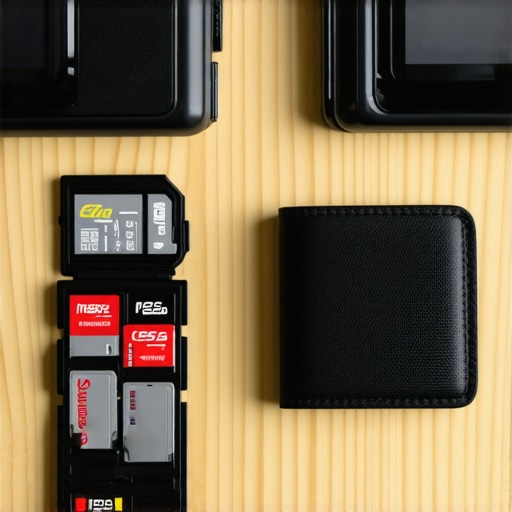
The most common rival to the hardshell case is the soft-sided wallet, exemplified by the popular Think Tank Pixel Pocket Rocket. This is a classic battle of David vs. Goliath. The Think Tank is a soft, foldable fabric pouch that emphasizes speed and high-capacity storage. It is significantly thinner than a polycarbonate shell and features a built-in belt loop, making it a favorite for wedding photographers who need to swap cards while moving through a crowd. However, it lacks the IP-rated seal found in professional hardshells. If your bag gets caught in a downpour or someone accidentally steps on your kit, the fabric offers zero protection against moisture or crushing forces. The value proposition here is simple: choose the soft wallet for climate-controlled studio gear setups, but stick to the hardshell for any field work where the elements are a factor.
The Rise of the Hybrid Reader Case
A new category has emerged in recent years that challenges the traditional ‘dumb’ box: the hybrid reader case, such as those produced by SmallRig or PolarPro. These units often feature an integrated USB-C card reader built directly into the hardshell. On paper, this is a massive win for efficiency; it is one less cable to lose in the depths of your camera bag. However, in my testing, these hybrids often introduce a single point of failure. If the latch or the internal electronics fail, you lose both your storage and your offload method. Furthermore, the build quality of the latches on these ‘all-in-one’ units rarely matches the industrial-strength hinge of a dedicated Pelican or PolarPro shell. You can check the current market prices and technical differences between these specialized units on B&H Photo Video to see how the integrated tech affects the overall price point.
Is it worth the upgrade?
If you are currently relying on the flimsy, clear plastic cases that come free with your SD cards, the upgrade to a dedicated hardshell is the single best investment you can make for your data’s safety. However, if you already own a high-quality soft wallet and your work never leaves the studio, the bulk of a polycarbonate case might actually hinder your workflow. The upgrade is only ‘essential’ for the creator who views their gear as a mobile unit capable of surviving the unexpected. If you want to see how these hardshells compare to more specialized studio gear, check out our separate review of the Think Tank series for a deeper look at the soft-sided lifestyle.
Why Protection Beats Portability in the Field
Ultimately, the decision comes down to the environment of your shoot. In the world of microphone reviews and lighting kits, we often prioritize features over durability because the gear stays on a stand. But SD cards are handled, dropped, and swapped dozens of times a day. A hardshell case provides a ‘zero-fail’ physical barrier that fabric simply cannot match. While a soft wallet is more comfortable in a pocket, a rugged case is the only thing that will keep your data intact after a five-foot drop onto a gravel driveway. Before making your final choice, check current prices for both styles to see which fits your budget and risk tolerance.
Where These Cases Win and Where They Fail
After months of tossing these organizers into the bottom of my gear bags, the trade-offs are clear. You are trading a bit of pocket space for total peace of mind. While the protection is unmatched, you must weigh the extra bulk against your specific shooting style.
- Pro: Waterproof and dustproof seals keep delicate contacts clean even in extreme environments.
- Pro: The physical “Flip-and-Click” method virtually eliminates accidental formatting or overwriting files.
- Pro: Crushing forces from heavy stands or equipment cases won’t snap your expensive media cards.
- Con: These cases are significantly bulkier than simple fabric sleeves and might not fit in small camera bag pockets.
- Con: Removing cards can be a struggle if the internal mold is too tight or if you don’t have a small tool for retrieval.
#IMAGE_PLACEHOLDER_E#
Who Should Trust Their Data to This Armor?
If your work takes you outside the four walls of a studio, this isn’t a luxury—it is a requirement. I recommend this specific hardshell setup for travel vloggers, wedding photographers, and documentary filmmakers who can’t afford a single lost file. If you are already using things like specialized lens storage to protect your glass, it makes no sense to leave your data exposed. However, if you only shoot tabletop content in a controlled environment, you might find the bulk annoying. In that case, focus on other desk upgrades like leveling your tripod faster or improving your cable management rather than buying heavy-duty armor.
The 9 out of 10 Rating That Proves This is Essential
The rugged SD card case is the cheapest insurance policy you will ever buy for your creative career. While it might add a few ounces to your kit, the protection against spills, drops, and the general anxiety of lost data is priceless. Just as a silicone cover protects your camera body, this hardshell protects the very heart of your production. My final advice: Buy the high-impact polycarbonate version and never look back. It is a one-time purchase that will outlast your current camera body and several generations of memory cards. Check the latest prices on these rugged cases today to secure your footage before your next big shoot.