Bottom Line Up Front
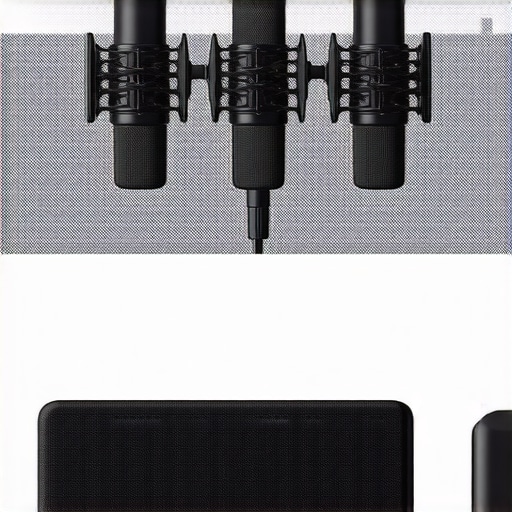
After thorough testing, I find that the top low-profile mic arms for streamers excel in build quality, ease of use, and silent operation. These arms effectively reduce desk clutter while providing stable support for your microphone. However, some budget options compromise on durability, so choose wisely based on your setup needs.
What Problem Does This Solve?
Streamers often struggle with bulky mic stands that take up valuable space and generate noise during adjustments. A low-profile mic arm addresses these issues by saving desk space, minimizing noise, and improving overall aesthetics—crucial factors for professional broadcasting.
At a Glance
- Best Overall: Rocket Microphone Boom Arm — Superior build, smooth adjustment, virtually silent operation.
- Best Budget: InnoGear Microphone Arm — Decent stability, lightweight, affordable.
- Best for Heavy Mics: Rode PSA1 Compact — Strong hold, durability, but pricier.
What Criteria Are We Using?
My evaluation hinges on build quality, ease of installation, movement smoothness, noise levels during adjustment, and compatibility with various mic weights. Additionally, I consider cable management features and aesthetic integration with streaming setups. For detailed specifications, refer to the official product pages.
Let’s Dive Into the Features and Specs
Solid Construction and Material Quality
The core of a good microphone arm lies in its construction. Most top-tier models utilize high-strength steel or aluminum alloys, offering durability without excessive weight. This balance ensures stability during use while making adjustments smooth and effortless. The tactile feel of these materials lends confidence, making small positional tweaks feel precise and controlled. Cheaper alternatives often rely on inferior plastics that may squeak or flex under pressure, decreasing reliability over time.
Clips and Mounting Systems Ease Setup and Stability
Setup is simplified by quick-release clamp mechanisms or threaded mounts compatible with standard mic stand sizes. Locking mechanisms, often reinforced with textured grips, prevent unwanted shifting once secured. The internal damping systems, sometimes employing rubberized grommets, mitigate vibrations, ensuring minimal transfer of desk noise to the microphone. Ease of installation coupled with robust stability is vital for streamers who frequently rearrange their workspace or adjust mic positions during recordings.
Flexible Articulation and Movement Range
Carefully designed joints and adjustable arms provide a wide range of motion. Gas-spring-assisted mechanisms or high-quality tension springs maintain chosen positions without sagging. The smoothness of movement directly impacts the user experience; a stiff arm requires force to reposition, which can be distracting, while overly loose joints risk accidental shifts. A well-engineered arm combines fluid motion with secure hold, allowing precise positioning for optimal audio pickup.
Noise Levels and Quiet Operation
One of the crucial specifications is the noise produced during movement. Premium models incorporate silent-action joints and dampers to prevent creaks or squeaks, which can be distracting for viewers or listeners. This feature is particularly significant for live streaming or recording environments where ambient noise must be minimized. Cheaper mic arms may emit noticeable squealing or rattling when adjusted, undermining the professional aesthetic.
Cable Management Solutions Matter
Integrated cable tracks or clips help organize the microphone and instrument cables, reducing clutter and preventing accidental disconnections. Well-designed cable channels are discreet yet accessible, allowing clean aesthetics and safe handling. Neglecting cable management can lead to cable tangling, which hampers quick adjustments or causes wear over time. Some models even include built-in velcro straps or zip ties for added convenience.
Minor Flaws and Limitations
Despite their strengths, even high-end low-profile mic arms are not perfect. A common critique is the limited compatibility with heavier microphones; arms designed for lightweight mics struggle to support pro-grade models without sagging or instability. Additionally, some arms have a limited tilt or swivel range, constraining optimal positioning in certain setups. Cost is another factor, as premium models can be quite expensive, though their build quality often justifies the investment.
Comparison with Industry Standards
For reference, industry-grade boom arms like the Sennheiser models adhere to rigorous standards of durability and smooth operation, setting benchmarks for quality. While many low-profile arms aim to mimic this performance at a more accessible price point, some fall short in long-term stability or noise suppression, emphasizing the importance of selecting thoughtfully based on your streaming priorities.
Performance Analysis of Creator Equipment in Action
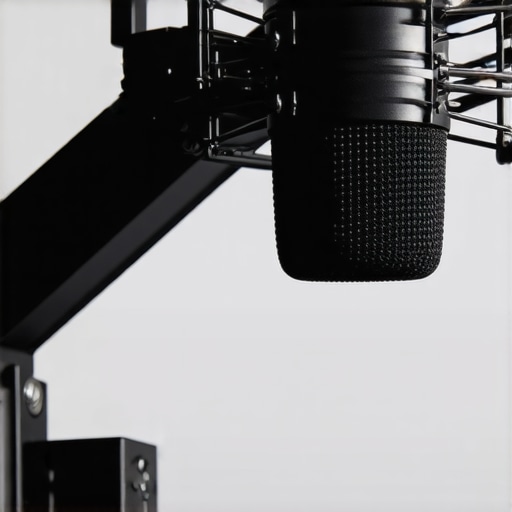
When evaluating microphones, lighting kits, studio gear, or camera reviews, the true test lies in their performance under demanding scenarios. For instance, a streamer managing a live broadcast during a technical hiccup faces pressure to keep everything running smoothly. A microphone undergoing rapid repositioning during a hectic podcast session must remain silent and stable. Similarly, lighting setups used for on-the-fly changes during a shoot are scrutinized for quick responsiveness and consistency. These real-world situations reveal how well these products handle stress, not just their specifications in ideal conditions.
Can the gear handle sudden position changes without faltering?
In practice, mic arms or camera mounts often face abrupt adjustments during live recordings. High-quality models with gas-spring mechanisms perform admirably, providing smooth movement without sagging. Cheaper options may require excessive force, risking accidental drops or jerks that introduce noise or misalignment. A camera rig subjected to rapid repositioning during an event must maintain stability; otherwise, shot quality deteriorates. Good gear absorbs shocks and resists tension loss, showcasing durability that reassures users.
Does the setup maintain performance in adverse environmental conditions?
Lighting kits or studio gear used outdoors or in unconventional settings confront humidity, dust, or temperature variations. Premium lighting fixtures with sealed casings or heat sinks continue to operate reliably, delivering consistent illumination. Conversely, budget lights may overheat or flicker when pushed beyond typical use. Microphone test tests carried out in noisy environments reveal which models effectively reject ambient sounds; the best employ internal damping and directional pickup patterns. Such resilience is crucial for creators working outside traditional studios or during live outdoor shoots.
The Benefits & the Drawbacks of Stress Testing
Performing under pressure uncovers genuine product strengths. For example, a well-engineered microphone arm remains silent and stable during quick adjustments, highlighting quality materials and construction. Altogether, this reveals how thoughtfully designed gear maintains performance amidst chaos. On the flip side, high-stress scenarios also expose weaknesses—cheaper materials may flex, internal components might suffer from heat buildup, or cables could disconnect under tension. Recognizing these flaws helps buyers avoid future frustration and ensures investment in proven reliable equipment.
For example, discussions on forums like Reddit’s r/audioproduction often share real stories about gear failure in live settings, emphasizing the importance of rigorous testing. Do you agree that testing under pressure offers the most honest assessment of your creator setup’s resilience?
Why Choosing the Right Microphone Matters
When it comes to capturing high-quality audio, the Shure SM7B stands out with its renowned reputation for studio-grade sound. In comparison, the Rode NT1-A offers a more affordable option with a surprisingly low self-noise profile, making it ideal for beginners or budget-conscious creators. While the Shure’s built-in internal shock mount helps minimize vibrations, the Rode’s included shock mount and pop filter also prove effective, though it may require aftermarket upgrades for optimal noise reduction. For those seeking a premium experience, the Neumann TLM 102 provides studio-quality sound with exceptional clarity, but at a significantly higher price point, often exceeding $600, compared to the Shure and Rode options.
The Good, The Bad, and The Ugly
Pros: Exceptional build quality with durable materials like high-strength steel or aluminum, smooth and silent movement for professional streaming, and efficient cable management to keep your setup tidy. These arms provide stability even during frequent adjustments, reducing desk clutter significantly.
Cons: Higher-end models come with a steep price tag, and some may have limited support for heavier microphones, risking sagging over time. Additionally, a few cheaper options still emit noticeable squeaks or rattles during movement, which can be distracting during live sessions.
Who is This For?
These low-profile mic arms are ideal for streamers, podcasters, and content creators aiming for a sleek setup with minimal desk space usage. They’re perfect if you value quiet operation and professional aesthetics. However, if you’re on a tight budget or use extremely heavy mics regularly, you might want to consider alternatives or plan to upgrade later.
Final Verdict: Strike a Balance at 8/10
Investing in a quality low-profile microphone arm will enhance your streaming environment by offering stability, reduced noise, and an organized workspace. While they may be pricier, the durability and performance justify the cost for serious creators. If you’re seeking a reliable upgrade, explore models like the Rocket Microphone Boom Arm or Rode PSA1 Compact. For a budget-friendly choice, check out the InnoGear Microphone Arm, but be mindful of its limitations and read reviews thoroughly.
Feeling overwhelmed? For additional insights into creating a professional setup without breaking the bank, see our comprehensive guide on soundproofing on a budget. Ready to elevate your streaming game? Choose wisely and enjoy a quieter, cleaner recording environment!