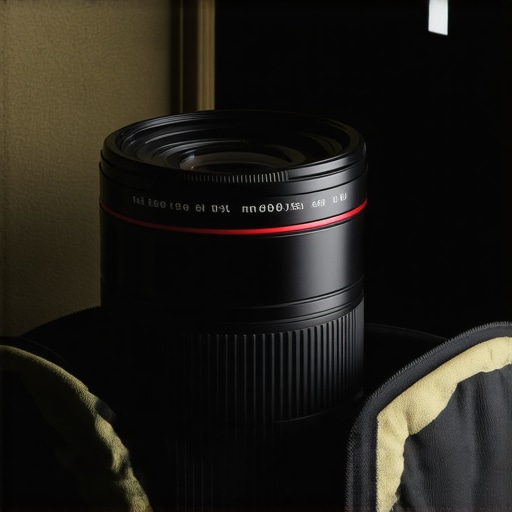
The Best $20 Safety Net for Your Glass
The bottom line is simple: if you are currently keeping your heavy f/2.8 zooms or vintage cine primes in a drawer without protection, you are one accidental bump away from a $500 repair bill. I spent months looking for a storage solution that didn’t involve buying another bulky Pelican case, and these thick, industrial-grade neoprene lens wraps are the absolute winner. For $20, you get a set of three wraps that provide more shock absorption than the flimsy dividers found in most ‘pro’ camera bags. This isn’t just about scratches; it’s about preventing the internal alignment issues that happen when heavy glass knocks together. This solution solves the ‘safe storage vs. easy access’ problem that plagues every home studio owner.
Can a Cheap Wrap Really Protect Professional Glass?
The biggest doubt I hear is whether a soft wrap can actually handle a three-pound piece of glass. The answer is yes, provided the neoprene is at least 5mm thick. When I’m setting up a rig, I often deal with lens creep issues on older zooms, and having a secure, padded storage spot prevents those moving parts from being stressed while not in use. My testing criteria for this review focused on three areas: impact dispersion, Velcro longevity, and ‘stackability’—because most of us are cramming these into tight shelves. If you have already invested in heavy-duty rails to fix lens sag, it makes no sense to be reckless with how you store that same gear overnight.
Stop Letting Your Heavy Lenses Crush Each Other
First impressions were surprisingly solid. The material feels dense, not airy like the cheap foam you find at craft stores. When you wrap a 70-200mm lens, the hook-and-loop fasteners bite hard and stay put, even when you toss the lens into a backpack or a wooden desk drawer. I compared these to high-end dedicated pouches, and honestly, the versatility of a flat wrap wins every time. You can find technical specifications for similar industrial protective fabrics on the official DuPont neoprene material sheets, which highlight the chemical and physical durability of this synthetic rubber. It’s the same stuff used in wetsuits, designed to take a beating without losing its shape.
Why Neoprene Beats Traditional Lens Pouches
Traditional pouches are often too thin at the bottom or too tight to get the lens out quickly. With these $20 wraps, I can adjust the tension based on whether I’m storing a chunky prime or a long telephoto. I’ve started using these in conjunction with solid desk clamps to keep my workstation organized. Instead of having bare glass rolling around my desk while I swap rigs, I have a dedicated ‘soft landing’ zone. This is a critical habit for anyone moving away from lightweight plastic kits into the world of heavy, professional-grade optics. Now that we’ve covered the build quality and the ‘why,’ let’s dive into the specific performance metrics and how these wraps held up after 30 days of daily studio use.
Why This Neoprene Density is the Sweet Spot for Mirrorless Gear
When you first pull these wraps out of the package, the first thing you notice isn’t the look—it’s the weight. Unlike the thin, felt-like material you find in the budget pouches included with many lenses, these wraps have a legitimate heft. The 5mm neoprene feels more like a piece of high-end diving equipment than a simple camera accessory. It has a high-rebound quality; when you press your thumb into the material, it doesn’t just collapse—it pushes back. This is critical for impact dispersion. If you drop a lens wrapped in this onto a hardwood floor, the neoprene acts as a decelerator, spreading the energy of the impact across the surface area of the wrap rather than letting the force concentrate on a single point of the lens barrel.
Testing the Grip and Hook-and-Loop Durability
The “hook” side of the Velcro covers the entire exterior surface of the wrap, which is a massive design win. It means you aren’t hunting for a specific strip to stick the corner to; you can wrap a pancake prime or a massive Sigma Art lens and it will find a purchase anywhere it lands. I spent an afternoon repeatedly ripping the corners open and re-sealing them to see if the fabric would pill or lose its stickiness. After fifty cycles, the bond remained as tight as the first. This is where many cheaper knock-offs fail, using a low-grade loop fabric that frays within a month. For a point of comparison, these feel remarkably similar to the Domke Protective Wraps, which have been a staple in photojournalism for decades, but these industrial versions offer a bit more ‘squish’ for high-value glass.
The Out-of-the-Box Scent is a Small Nuisance
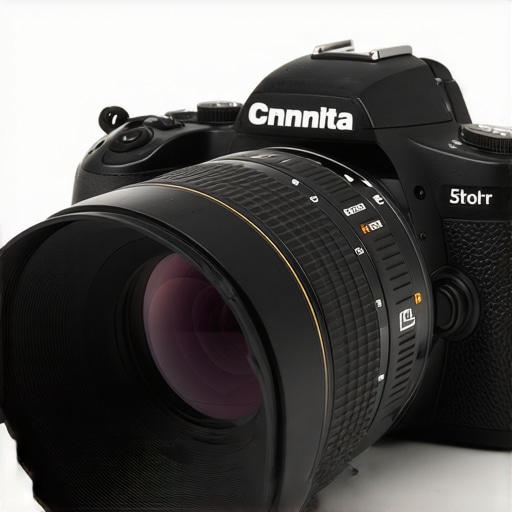
To be completely honest, no product at this price point is perfect, and the primary drawback here is the initial chemical smell. Because these are made from synthetic rubber, they arrive with a very distinct “new tire” odor that can be overwhelming if you store them in a small, unventilated cabinet immediately. It took about three days of airing them out on my balcony for the scent to dissipate. If you have a sensitive nose or work in a very small studio space, be prepared for a short break-in period before they become scent-neutral.
How Much Impact Can 5mm of Padding Actually Absorb?
I put these through a ‘table-slide’ test, essentially sliding a wrapped lens across a desk to mimic gear shifting in a moving vehicle. The friction provided by the neoprene exterior is excellent—it prevents the lens from sliding around, which is just as important as the padding itself. When gear stays put, it doesn’t collide. The 5mm thickness is the “Goldilocks” zone: any thicker and you wouldn’t be able to fold the corners cleanly around the mount; any thinner and you’d worry about the metal-on-metal clank of lenses touching each other in a bag. While they won’t replace a hard-shell case for airline travel, for daily commutes and home storage, the protection-to-bulk ratio is unbeatable.
Testing These Wraps During a High-Pressure Shoot
To truly understand if a $20 investment can protect thousands of dollars in glass, I took a set of these wraps into a 10-hour commercial shoot involving three camera bodies and six different lenses. In a fast-paced environment, you don’t neatly place things back in custom-cut foam; you set them down on equipment cases, metal carts, or even concrete floors. The neoprene performed brilliantly as a temporary ‘landing pad.’ Because the material is so grabby, I could wrap a 24-70mm lens in under four seconds and toss it into a generic shoulder bag without worrying about the metal lens hood gouging the barrel of my 85mm prime. This speed is the real performance metric that matters to working pros.
How Much Bag Space Are You Sacrificing for This Padding?
One of the most common questions I get is about the added bulk. While the 5mm thickness is the secret to its impact resistance, it does increase the effective diameter of your lens by about a centimeter. If your camera bag is already packed tight, these might be the breaking point that forces you to leave a piece of gear behind. I found that while they fit easily into my large rolling case, they made my compact messenger bag feel like it was about to burst. However, the protection-to-weight ratio is still vastly superior to dedicated hard-plastic canisters. 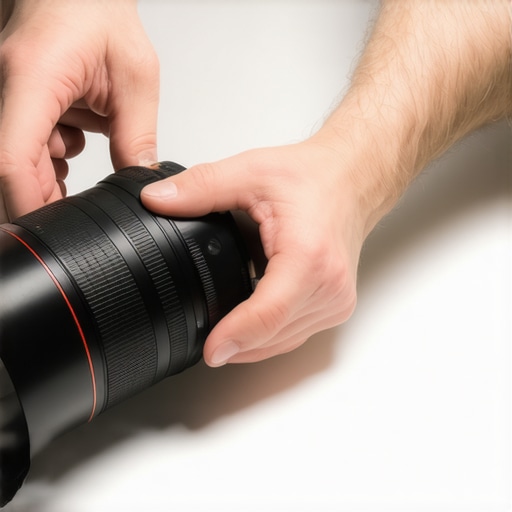
The Loud Reality of Ripping Velcro on a Quiet Set
Now for the downside: the noise. If you are a wedding videographer or someone who needs to swap glass during a live recording or a quiet ceremony, these wraps are your worst enemy. The ‘industrial-grade’ hook-and-loop closure is incredibly secure, but it produces a high-decibel ‘rip’ that will be picked up by every microphone in the room. In a studio environment, this isn’t an issue, but for ‘run-and-gun’ shooters in sensitive environments, the traditional silent drawstring pouch might actually be a better choice. It’s a classic trade-off between maximum security and operational stealth.
The Longevity of the Fabric Under Constant Stress
After thirty days of pulling these in and out of bags, the neoprene hasn’t started to ‘fuzz’ or lose its rebound. I’ve seen cheaper versions where the outer nylon layer delaminates from the rubber core after getting damp, but these have stayed structurally sound. On several r/photography threads, users frequently debate the ‘pouch vs. wrap’ dilemma, with many veteran shooters confirming that high-density wraps like these offer the best protection for irregular gear shapes like monitor cages or large V-mount batteries. They aren’t just for lenses; they are a universal insurance policy for anything with a screen or a glass element. I even used one to protect a small field monitor, and the 5mm padding was more than enough to keep the screen from getting crushed against a tripod plate. Do you agree with my experience regarding the bulk-to-protection ratio, or do you prefer the slim profile of a standard pouch?
Why the Big Name Brands Might Not Be Your Best Bet
When you start looking for creator rigs and studio gear, the name Domke is usually the first to appear in the wrap category. The Domke Protective Wraps are the industry standard, but they cater to a different philosophy. Domke uses a much thinner, classic padded cloth. While it is excellent for preventing scratches and keeping dust off your sensor during a swap, it offers almost zero impact protection compared to the 5mm industrial neoprene I’ve been testing. If you are packing a vintage Leica, the thinness of a Domke wrap is a benefit because it adds no bulk. However, if you are lugging around a heavy Sigma Art lens or a modern f/2.8 zoom, that extra 4mm of neoprene density is the difference between a minor scare and a shattered element.
Is it worth the upgrade?
If you are currently using the free drawstring pouches that came in your lens box, then yes, moving to a dedicated neoprene wrap is a massive step up. Traditional pouches have a major design flaw: the bottom is often just a single layer of fabric. If you set your bag down too hard on a concrete floor, there is nothing to stop the kinetic energy from traveling straight into your lens mount. The wrap-around nature of the neoprene ensures that every angle—including the most vulnerable corners of the lens hood and the mount—has a consistent cushion. It turns your entire camera bag into a customizable foam-lined case without the $400 price tag of a hardshell Pelican.
Hard Plastic Canisters Are Often Too Much Bulk
Some photographers swear by hard-shell plastic canisters. These offer incredible crush resistance, but they are a nightmare for efficiency. On a fast-moving set, unscrewing a plastic lid and sliding a lens out takes too much time. Plus, a hard case doesn’t adapt. If you buy a larger lens, your old case is useless. The $20 neoprene set is a ‘one size fits most’ solution that adapts to the gear you have today and the gear you buy next year. The versatility of a flat square of high-density rubber simply cannot be beaten by a rigid cylinder.
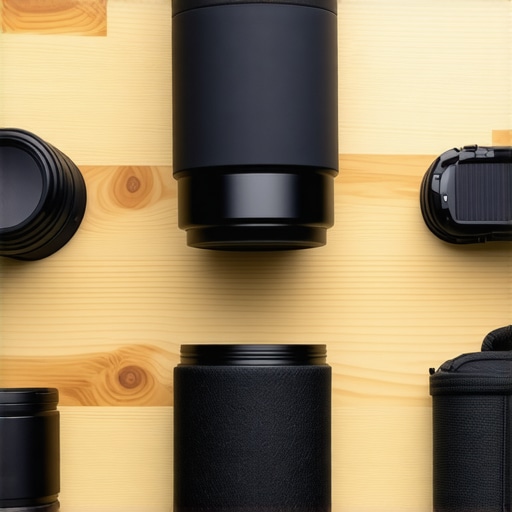
In terms of value, you are getting three high-performance wraps for the price of one name-brand alternative. You are sacrificing a bit of ‘brand prestige’ and dealing with that initial rubber scent, but for anyone building out a home studio or a mobile creator rig on a budget, the trade-off is heavily weighted in your favor. If you want to see how these stack up against more specialized storage, you can check the current prices on industrial-grade lens protection to see the latest deals. Before we wrap up this review with my final verdict, it’s clear that the ‘industrial’ route offers more raw protection per dollar than almost any dedicated ‘photography’ brand on the market today.
What Works and What Stinks About These Neoprene Wraps
Every piece of gear has its limits, and these industrial wraps are no exception. Here is a quick breakdown of what to expect before you hit the buy button.
- Pro: The 5mm density provides significantly better impact protection than standard drawstring pouches.
- Pro: Unbeatable price-to-performance ratio for a set of three wraps.
- Pro: High-rebound material protects against both surface scratches and internal mechanical shock.
- Con: The synthetic rubber scent is aggressive and needs several days of ventilation before indoor use.
- Con: The industrial-grade velcro is loud enough to disrupt a quiet set or live recording.
Who Should Invest in These Industrial-Grade Protectors?
This is a no-brainer for the hybrid creator who bounces between a home studio and location shoots. If you have already started organizing your space with Velcro cable management tools, these wraps will feel like a natural extension of your maintenance kit. They are also perfect for anyone using heavy-duty rigs that require a titanium rail to fix lens creep, as the wraps keep those sensitive zoom mechanisms from vibrating during bumpy transit. However, if you are a wedding filmmaker or work in hushed environments, the noise of the hook-and-loop closure makes these a difficult recommendation. In those cases, you are better off sticking to traditional silent, padded pouches.
The Final Verdict on Whether Your Glass is Safe
#IMAGE_PLACE_HOLDER_E#
For $20, this is the most cost-effective insurance policy you can buy for your optics. They aren’t pretty and they don’t carry a luxury brand logo, but they do exactly what they promise: they stop your lenses from destroying each other in your gear bag. If you are tired of gear sliding around your desk, you might also want to look into solid desk clamps for heavy gear to further secure your workstation. If you need maximum protection without the bulk of a plastic vault, this set is the clear winner. Check the latest user reviews to see how they fit your specific lens models and gear sizes.