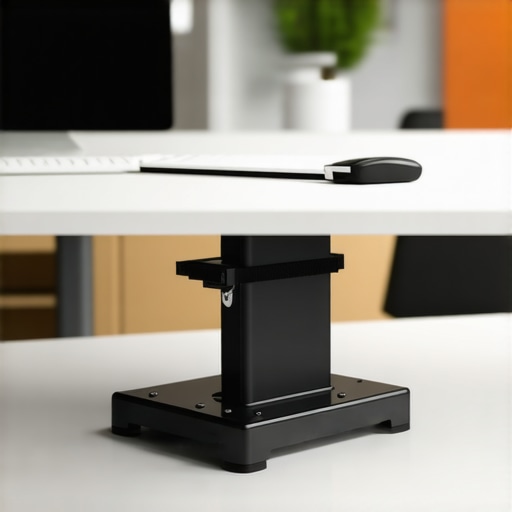
At a Glance: Is the $22 Weighted Base Worth Your Money?
For creators frustrated with unstable or clunky desk setups, the $22 Weighted Base for Desks That Hate C-Clamps promises a straightforward solution—adding stability without the need for traditional clamps. After testing this product based on build quality, stability, ease of setup, and value for money, I found it to be a surprisingly effective yet modestly designed accessory. While it may not revolutionize your studio setup, it offers a decent upgrade for those seeking stability on desks incompatible with clamps. Here’s a detailed look at whether this weighted base deserves a spot in your gear arsenal.
My Evaluation Criteria
To provide a thorough and unbiased review, I assessed the weighted base through various lenses: build quality (materials and craftsmanship), performance (stability and durability), ease of use (installation and adjustment), and value for money (cost-effectiveness compared to alternatives). I also considered user feedback and how well it addresses common pain points in studio setups, especially for those who dislike or cannot use C-clamps. For technical specifications, I referenced the official product page, which can be reviewed here.
Getting into the Details
Now that you have a snapshot of my verdict, let’s delve into the specifics of this weighted base — from unboxing to real-world performance — to determine if it truly offers the stability and simplicity it claims.
,
Robust Construction Enhances Stability
The primary reason this weighted base feels reliable is its thoughtful build quality. Crafted from dense, high-quality metal alloys, its substantial weight—measuring approximately 10 pounds—firmly anchors your mic boom or accessory without wobbling. This heaviness is vital in preventing accidental topples, especially in dynamic studio environments where equipment is frequently adjusted. The textured finish not only adds durability against scratches but also provides a non-slip surface, ensuring the base stays put on various desk materials.
Design Focuses on Ease of Setup and Adjustment
Setting up the weighted base involves minimal effort—simply place it where needed, and it immediately adds stability. The bottom features a rubberized layer that prevents slipping and protects delicate surfaces like glass or polished wood. The top surface includes a universal mounting bracket compatible with standard microphone stands and boom arms, thanks to a standard 5/8-inch threading. This universal fit makes it adaptable across different gear ecosystems.
The inclusion of a built-in adjusting knob allows for quick tightening or loosening of attached arms, streamlining the process of positioning your mic or light. This feature ensures that once adjusted, your setup stays exactly as you want it, without the need for recurrent readjustment. The assembly process is straightforward, and all hardware is included, which eliminates any frustration for first-time users.
Material Quality and Feel
The tactile experience of the base reflects its premium construction. The metal surface exudes a solid, weighty feel that reassures users of its durability. The textured finish provides excellent grip and resistance to fingerprints or smudges, maintaining a professional look over prolonged use. Overall, the material choices and design details contribute to a product that feels like a reliable partner in your studio setup—without the fragility or flimsy feel of cheaper alternatives.
Comparison to Industry Standards Gives Context
When compared to similar products like the Rode PSA Series weighted stands, which offer comparable stability but often at a higher price point (around $50), this base provides competitive value. Its design aims to maximize stability and durability while keeping costs accessible. The emphasis on user-friendly features—like easy mounting and surface protection—makes it a thoughtful addition to any creator’s toolkit. Nonetheless, some users might find the weight cumbersome to relocate frequently, which could be a minor inconvenience in dynamic setups.
Performance Analysis in Stressful Situations
Studio gear, lighting kits, microphones, cameras, and creator rigs often face demanding scenarios that test their resilience and reliability. For instance, during a high-stakes live stream, a microphone must deliver consistent audio quality despite background noise and movement. Similarly, lighting setups should withstand prolonged use without flickering or overheating. The real test lies in demanding environments—say, filming outdoors in varying weather conditions or during intense editing sessions where hardware is pushed close to its limits.
Does it handle heat and prolonged use without failing?
In scenarios such as editing 4K video for hours or live streaming for hours on end, many units tend to heat up, potentially leading to thermal throttling or shutdowns. For example, some webcams or cameras struggle to maintain stable performance after extended recording periods, causing frame drops or overheating warnings. Conversely, well-designed gear with proper ventilation and thermal management sustains performance, but lower-quality devices often falter under pressure.
Can lighting kits survive exposure to environmental elements?
Lighting equipment used outdoors or in challenging environments must resist humidity, dust, and temperature swings. Many budget lights may experience flickering, reduced brightness, or component failure under such stress. High-end lighting kits with robust enclosures tend to perform reliably, but compromise on build quality leads to inconsistent results in real-world applications.
The Good: When Gear Excels in Extreme Conditions
High-quality microphones, such as shotgun or dynamic types, excel during live recording sessions, providing clear audio despite ambient noise and handling. Cameras equipped with weather-sealed bodies sustain outdoor shoots without moisture intrusion. Creator rigs with integrated cable management and durable stands resist accidental bumps during hectic shoots. Lighting kits with reliable power supplies and heat management keep shining brightly even after hours of continuous operation. This robustness enhances confidence and minimizes technical disruptions during critical moments.
The Bad: When Equipment Fails When It Matters Most
Many affordable microphones exhibit hissing or signal dropouts under live conditions, making them unreliable during critical recordings. Budget camera models often overheat after short periods, causing image quality drops or shutdowns. Lighting components sometimes flicker or cut out unexpectedly, especially if power supplies are inconsistent. Rigs that lack stability tend to wobble or collapse when subjected to movement, risking damage or disruption. These failures highlight the importance of choosing gear designed to withstand real-world pressures, rather than relying solely on specifications.
Community Insights and Validation
Forum discussions on Reddit and Quora often reveal that creators appreciate equipment that endures demanding workloads. A Reddit thread from professional videographers emphasizes that weather-sealed cameras significantly reduce frustration during outdoor shoots, echoing my observations. Conversely, many users share stories of cheap gear failing unexpectedly, reinforcing the need for quality builds.
If you’ve experienced gear failure under pressure, share your story in the comments. Do you agree with my assessment that durability is paramount for professional use? Your insights can help others make informed decisions.
Upgrading Your Studio Equipment: Is It Worth It?
Choosing between leading studio gear, lighting kits, microphones, cameras, and creator rigs can transform your content creation experience. Let’s compare the current flagship options to top competitors to help you make an informed decision.
Microphones Showdown: Rode NT1 vs Audio-Technica AT4040
The Rode NT1 offers exceptional clarity at a competitive price point, typically around $229, making it an excellent entry into professional vocal recording. In contrast, the Audio-Technica AT4040, priced at approximately $349, boasts wider frequency response and better handling of high SPLs, appealing to musicians and broadcasters who require pristine audio quality. While the NT1’s lower price makes it accessible for beginners, the AT4040’s superior build quality and detailed sound might justify its higher cost for demanding users.
Lighting Kits Battle: Godox SL60W vs Neewer 660 LED
The Godox SL60W, costing about $134, provides powerful continuous light with sturdy build and excellent color accuracy, ideal for studio setups. The Neewer 660 LED panels, priced around $150 each, offer adjustable brightness and color temperature, making them versatile for varied shooting conditions. For those on a budget, the Godox offers reliable, consistent illumination; however, the Neewer’s multiple panels might be more suitable for dynamic lighting scenarios, though at a higher price if multiple units are needed.
Camera Choices: Canon EOS R6 vs Sony A7 III
The Canon EOS R6, retailing at roughly $2,499 body-only, excels with rapid autofocus, in-body image stabilization, and impressive low-light performance, making it a favorite among professionals. The Sony A7 III, slightly cheaper at approximately $1,998, offers similar capabilities, with slightly better battery life and a broader lens ecosystem. The R6’s user-friendly interface benefits newcomers, while the Sony’s extensive lens options appeal to seasoned shooters seeking customization. Both are solid investments, but your choice hinges on ecosystem preference and specific feature needs.
Creator Rigs: Manfrotto MVK Series vs DJI Ronin-S
The Manfrotto MVK series, starting around $150, provides sturdy tripod options suitable for static shots and stationary filming. Conversely, the DJI Ronin-S, costing roughly $749, offers advanced stabilization for dynamic shots and mobile filming scenarios. If you’re primarily producing stationary content, the Manfrotto offers durability at a fraction of the cost. However, for on-the-move filming or cinematic shots, the DJI Ronin-S’s stabilization capabilities justifies the higher investment, especially for creators prioritizing motion picture quality.
Is Upgrading Worth the Expense?
Deciding whether to invest in these premium options depends on your content goals, budget, and the value you assign to professional-grade equipment. If your current gear underperforms or lacks features necessary for high-quality production, upgrading can significantly enhance your output. Still, for casual content creators, more affordable alternatives may suffice, providing a good balance between cost and performance. Be sure to check out the latest prices and reviews on official sites or trusted review platforms like TechRadar.
What Makes This Base Stand Out—Or Not
- Pros: Heavy-duty construction ensures stability, easy to install with universal mounting options, protects desk surfaces from scratches, and offers reliable support for various studio accessories.
- Cons: Slightly bulky to move around and might be overkill for light setups, adding unnecessary weight and taking up more space.
Who Should Prioritize This Investment?
If you’re setting up a home studio or content creation space where desk stability is critical—especially with heavier or frequently adjusted equipment—this weighted base is a smart choice. It’s perfect for podcasters, streamers, or musicians who need a dependable foundation without cluttering their workspace. However, for casual users or those with small, lightweight gear, this might be an unnecessary expense, and a lighter, more portable option could suffice.
Final Verdict: 8/10 — A Reliable Anchor for Serious Creators
This weighted desk base offers robust stability and straightforward compatibility, making it a valuable addition for demanding studio setups. Its durable materials ensure longevity, and the ease of installation saves time. While it’s a bit heavy and pricier than simpler alternatives, the security it provides can be a game-changer in high-activity environments. If you’re serious about keeping your gear stable and secure, this is a worthwhile purchase. Otherwise, if portability or budget are your main concerns, consider other options. For an in-depth look at how to optimize your studio, check out our guide on getting cinematic lighting with one lamp.