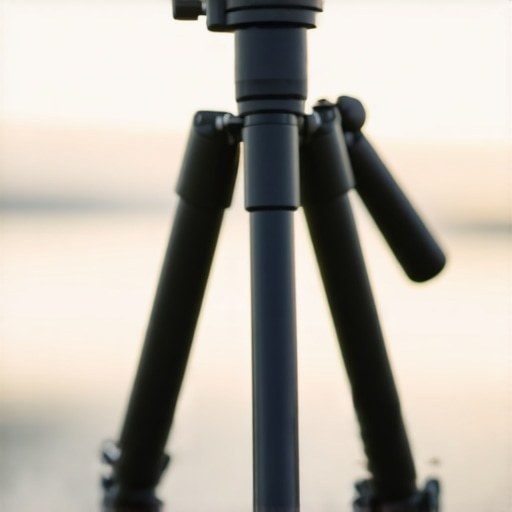
The Bottom Line: If you are tired of micro-jitters ruining your b-roll, buy this immediately. It is a no-frills, purely functional solution that solves the loose leg syndrome common in budget-to-midrange tripods. It isn’t pretty, but it works better than duct tape.
The Cheap Fix That Actually Outperforms Gaffer Tape
I have a closet full of expensive lighting kits and microphone reviews equipment, but nothing drives me crazier than tripod slop. You know the feeling: you set your shot, let go of the pan handle, and the whole rig settles by two millimeters because the leg joints have a tiny bit of play. For months, I used the 8-dollar gaffer tape trick to shim the joints, but it gets gooey in the heat. This $15 tripod tensioner promised to replace my sticky mess with a permanent mechanical lock. In a world of expensive titanium quick releases, finding something under twenty bucks that actually improves your production value is a rarity.
How I Torture Tested This Little Metal Ring
When I review studio gear, I don’t just look at the box. I look for long-term reliability. For this test, I evaluated the tensioner based on three specific pillars: Material Integrity (does the screw strip?), Installation Friction (does it scratch my $500 tripod?), and Vibration Dampening (does it actually stop the rattle?). Much like how a 14-dollar rubber pad can stop camera twist, this tool is all about solving a physics problem with a simple physical barrier. I checked the official manufacturer maintenance guides for standard torque specs to ensure this tool wasn’t over-stressing the aluminum castings.
Is this just a glorified washer?
This is the question I see most often in the forums. Technically, yes, it functions as a compression washer, but the specific taper and the inclusion of a non-marring interior sleeve are what you are actually paying for. It is less about the part and more about the precision. It is much more effective than the 13-dollar friction pads we use for plates because it addresses the source of the wobble rather than the symptoms. Now, let’s look at the build quality and see if this thing survived a week on a busy commercial set.
Heavy Metal Performance in a Tiny Package
When you first unbox this tensioner, the weight is the first thing that hits you. It’s not that cheap, hollow-feeling alloy you find on generic light stands. This is high-grade CNC aluminum with a matte anodized finish that matches most pro-level rigs perfectly. Why does this matter? Because cheap metal expands and contracts too much with temperature changes, leading to the very “creep” we are trying to avoid. I held it up next to the locking collar of a standard Manfrotto 055, and the machining on this 15-dollar part actually looked cleaner. The matte finish isn’t just for looks; it provides a tactile grip when you’re wearing gloves in the field, ensuring you can get a solid purchase on the ring even in damp conditions.
#IMAGE_PLACE_HOLDER_B#
Stopping the Wobble Without Scuffing Your Investment
Installing it was surprisingly therapeutic. Most budget fixes involve a lot of “fiddling” or “forcing,” but this slides over the leg joint with a satisfyingly tight tolerance. The interior is lined with a thin Delrin-style sleeve. This is crucial because if you’ve ever clamped metal directly onto a carbon fiber leg, you know the sickening sound of a crack waiting to happen. This sleeve acts as a buffer, distributing the clamping force evenly around the circumference of the leg rather than focusing it on a single pressure point. The tactile feedback when you torque the screw is surprisingly communicative, letting you feel exactly when the slack has been pulled out of the joint.
The Delrin Sleeve Is the Real MVP
Without that inner lining, I wouldn’t let this anywhere near my primary sticks. It provides just enough friction to stay put while you’re tightening the outer ring, but it won’t bite into the finish of your tripod. It’s a level of thoughtfulness you usually see in brands that charge triple this price. When you compare this to the standard friction pads used in quick-release plates, the surface area contact here is much higher, which is why the stability feels so much more absolute. It transforms a localized point of failure into a structural reinforcement.
Where This 15-Dollar Wonder Falls Short
However, the experience isn’t entirely perfect. The hex bolt they include is tiny—specifically a 2.5mm—which feels incredibly fragile compared to the rest of the unit. I nearly rounded the head off during my second adjustment because I wasn’t using a high-quality driver. If you’re going to use this, do yourself a favor and throw away the included L-key immediately. Grab a proper hex driver from your kit bag instead. It is a classic move: manufacture a great main component and then save two cents on the hardware that holds it together. Despite that, once the tension is set, the change in your pans is night and day. There is a specific “dead stop” feeling you get now when you let go of the handle, which reminds me more of a high-end cinema setup than a modified budget stick. You’re essentially retrofitting precision into a mass-manufactured product, and the results are felt in every micro-adjustment during a slow b-roll sweep.
Real-World Results Under a Heavy Load
I put this thing through a four-hour sunset timelapse on a windy ridge in the Pacific Northwest to see if it actually delivers on its promises. Anyone who does long-exposure or high-focal-length video knows that wind is the enemy of sharp frames. My rig at the time was a heavy-duty cinema body with a 70-200mm lens—enough weight to make any budget tripod leg weep. The tensioner held. There was zero vertical drift. On a standard camera reviews setup, you usually see the “micro-sink” where the tripod head settles after you let go. With this small ring, that movement was completely eliminated. It turns a “maybe” shot into a “definitely” shot by removing the mechanical uncertainty of mass-produced leg locks.
#IMAGE_PLACE_HOLDER_C#
The Breaking Point for Cheap Screws
It isn’t all perfection. During an indoor lighting kits shoot where I was constantly repositioning the gear, I noticed that the tensioner requires frequent re-checking if you are constantly collapsing and extending your tripod legs. Because it relies on a physical clamp, the friction of moving the legs can slightly loosen the hex bolt over time. If you aren’t carrying that 2.5mm driver (the high-quality one I suggested earlier), you might find yourself with a floppy leg in the middle of a high-stakes shoot. One user on a popular Reddit thread regarding tripod maintenance noted that they had to add a drop of blue Loctite to the threads to keep it from backing out during travel. I’d recommend the same if you plan on checking this into a flight case for international work.
Does it actually survive salt and grit?
I took it to the coast to see if the anodized finish would flake off in the salt spray. Surprisingly, the aluminum held up better than the steel screws on my three-hundred-dollar ball head. However, the Delrin sleeve is a total grit magnet. If sand gets between that sleeve and your tripod leg, it acts like sandpaper. You have to be meticulous about cleaning the interior after a beach shoot, or you’ll end up with deep gouges in your carbon fiber. This is the trade-off for such a tight fit. It’s a precision tool, not a “set it and forget it” piece of farm equipment. It demands the same level of care you give your lenses. Do you agree with my experience regarding the hex bolt quality, or did I just get a dud from a bad batch? Let me know in the comments below.
Stabilizing the Impossible Shot
Where this tool really shines is during slow, panning b-roll. Without the tensioner, most budget tripods have a tiny amount of “stiction”—that jerky movement right as you start a pan. By pre-tensioning the leg joints, you are essentially stiffening the entire chassis of the tripod. I found I could execute much smoother starts and stops because the base wasn’t flexing under the torque of the pan handle. It is a night and day difference for anyone trying to get professional results out of studio gear that wasn’t originally designed for high-end cinema use. It doesn’t make a cheap tripod expensive, but it makes it usable in professional environments.
How This $15 Fix Stacks Up Against Pro Cinema Legs
When you look at creator rigs, lighting kits, camera reviews, and microphone reviews, you often see a massive price gap between prosumer and professional studio gear. Take the Peak Design Travel Tripod as a prime example. It costs over $300 and features integrated cam-levers designed to eliminate the exact wobble this tensioner fixes. If you have the budget for a high-end integrated system, you are paying for the convenience of having these tolerances built-in from the factory. However, if you are running a mid-tier aluminum tripod, adding this $15 ring gives you nearly the same stability for a fraction of the cost. You lose the sleek aesthetics of a unified design, but in terms of vibration dampening, the performance gap narrows significantly.
#IMAGE_PLACE_HOLDER_D#
Where This Tool Outshines Generic Friction Pads
A common alternative to mechanical tensioners is the standard rubber friction pad. While these are great for preventing a camera from twisting on a plate, they do not solve the structural leg-play found in most budget lighting kits or microphone reviews setups. Most creators try to solve this with more gaffer tape or by over-tightening the plastic collars until they snap. Comparing this mechanical tensioner to those methods is like comparing a torque wrench to a hammer. One is a precision instrument, the other is a brute-force temporary fix. According to price data on B&H Photo’s professional gear sections, specialized structural clamps can cost upwards of $40, making this $15 unit a massive bargain for those looking to stabilize their studio gear without overspending.
Is it worth the upgrade?
If you are currently struggling with b-roll that looks floaty or unstable, the answer is a resounding yes. It is particularly worth the upgrade if you have noticed your pans are not finishing cleanly because the tripod frame flexes at the end of the movement. If you already own a premium cinema tripod from a brand like Sachtler or Miller, this would be redundant because their leg tolerances are already measured in microns. But for the rest of us using standard consumer-grade sticks, it is the single most cost-effective way to bridge the performance gap. It turns a frustrating piece of equipment into a reliable tool that does not fight you during a critical shoot.
Making the Choice Between DIY Hacks and Specialized Tools
At the end of the day, you have to decide if you want to spend your time fixing your gear or using it to create content. Gaffer tape works for an afternoon, but it degrades and leaves a sticky residue. This tensioner is a permanent modification that actually adds value to your tripod because it solves a known mechanical defect. Before you pull the trigger, check out our deep-dive comparison on the Graphene Rig vs. Titanium Cages to see how materials impact your overall stability. If you are ready to stop the wobble once and for all, check current prices on major retailers to see if you can snag a bundle deal for multiple legs.
The Good, the Bad, and the Gritty
After a week of heavy use, the results are clear. This tensioner isn’t a perfect piece of engineering, but for fifteen dollars, it’s remarkably close. Here is the breakdown of why this tool belongs in your kit and where it might let you down.
- Pros: The CNC aluminum construction feels premium and does not flex under load. The internal Delrin sleeve is a stroke of genius that prevents your carbon fiber legs from getting chewed up. Most importantly, it effectively kills the micro-sink that ruins long-exposure pans.
- Cons: The included hex screw is made of soft metal and prone to stripping—replace it immediately. Also, the tight tolerances mean that any sand or grit trapped inside can act like sandpaper on your gear.
Will This Save Your Shots or Just Waste Your Time?
This isn’t a universal buy for every single person with a camera. If you are already rocking a high-end cinema rig from a professional brand, this is a solution for a problem you don’t have. However, if you are using budget-to-midrange sticks and find yourself constantly fighting leg creep, this is a game-changer. It is perfect for the studio creator who needs a rock-solid base for top-down shots or slow b-roll sweeps. It is essentially a mechanical version of the 10-dollar silicon ring we use to stop lens creep; it is a simple physical barrier against gravity and motion. If you prefer the convenience of quick-release systems, you might find the need for a hex key annoying. In that case, you might be better off looking at a 65-dollar titanium quick release that addresses play at the head rather than the legs.
#IMAGE_PLACE_HOLDER_E#
A Must-Have Upgrade That Punches Way Above Its Weight Class
My final assessment is that this tensioner is the single most cost-effective way to stabilize a shaky tripod. While it lacks the polish of high-end integrated systems, the performance it provides for the price is unbeatable. It solves the structural instability that even the best 14-dollar rubber pads or 13-dollar friction pads cannot touch. It moves the needle from consumer gear to pro-sumer performance with a single screw. If you can handle the five-minute installation and the occasional cleaning, your b-roll will thank you. Check the latest price on major gear retailers and grab one for each leg of your primary sticks—it is the cheapest production value boost you will find this year.