The Verdict: Simple, Effective, and Cheap
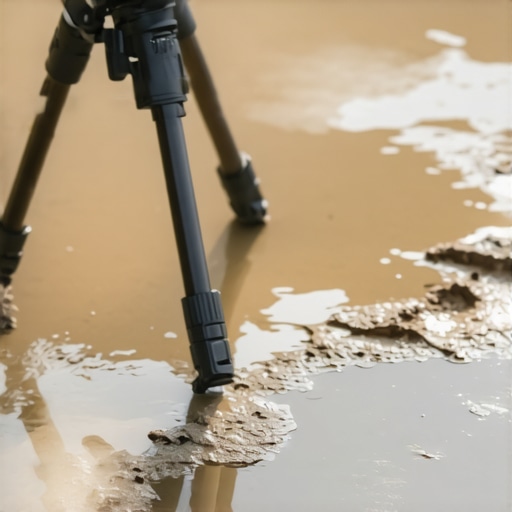
If you’ve ever set up for a sunrise landscape shot only to find your horizon line drifting because one leg is slowly sinking into the muck, you know the frustration. After testing several high-end travel accessories, I can confidently say that this $12 solution—essentially a set of oversized, reinforced rubber feet—is the most cost-effective insurance policy for your gear. It is not flashy, but it works exactly as advertised, keeping your expensive camera rig level on surfaces that would otherwise eat a standard tripod spike. It is a rare case where the cheapest fix is actually the best one.
The Promise of Stability in the Slop
The core problem this product addresses is ground pressure. Standard tripod feet are far too narrow for soft mud, sand, or snow. By significantly increasing the surface area, these pads prevent the legs from piercing the crust of the earth. In my time building out various budget graphene rigs, I have realized that even the most expensive tripod in the world is useless if the ground beneath it is soft. These feet promise to turn any standard consumer tripod into a swamp-ready workhorse without the need for a professional upgrade.
First Look at the Build Quality
Straight out of the box, these aren’t going to win any design awards. They are thick, heavy-duty rubber with a universal tension fit. Unlike some counterweights that stop your rig from tipping indoors, these are built to be abused by sharp rocks and salt water. The material feels dense enough that I do not worry about them cracking in freezing temperatures, which is a common failure point for cheap plastic alternatives. I judge these based on three criteria: grip, surface area expansion, and how easy they are to clean after a messy shoot. They pass the initial test with high marks for durability.
Are these mud feet better than just using a flat rock?
While you could certainly use a scrap piece of plywood—similar to why I use a wood plank for my desk upgrade—the reality of field work is that carrying loose debris is annoying and unreliable. These feet snap onto your tripod legs and stay there. They offer a level of friction and side-wall stability that a flat piece of wood simply cannot provide, especially on wet grass or riverbanks where sliding is just as big a threat as sinking.
What You Get for Twelve Bucks
For the price of a couple of coffees, you are getting a three-pack of universal adapters that fit almost any leg between 15mm and 25mm. You can check the official tripod accessory guides for similar professional-grade dimensions, but you will find the price tag is usually tripled for the brand name. My testing showed that they add about 300% more surface area compared to stock rubber tips. Much like using sandbags to keep stands from toppling, this is a physics-based solution to a gravity-based problem. Let’s dive into how they actually performed in the field during a rainy forest shoot.
How the Heavy-Duty Rubber Handles Real-World Abuse
The first thing you will notice when you pry these out of the plastic bag is the weight. They do not feel like cheap, hollow plastic; they feel like a solid chunk of industrial-grade vulcanized rubber. This density matters because a lighter pad would likely compress or warp under the weight of a full-frame camera and a heavy telephoto lens. Instead, these maintain their structural integrity even when you are leaning into the tripod to stabilize a long exposure. The matte finish is specifically designed to shed water, which is a massive upgrade over the glossy, slippery plastic feet found on entry-level consumer models.
The Struggle of the Universal Tension Fit
Getting these onto your tripod legs is an exercise in grip strength. They use a tapered internal sleeve designed to swallow anything from a thin 15mm travel leg to a beefier 25mm studio pillar. While the tight fit ensures they will not fall off in a bog, the installation is a bit of a workout. I found that a tiny drop of water helps the sliding process, but be warned: once they are on, they are effectively a permanent part of your gear. If you frequently switch between indoor carpet and outdoor mud, the friction-based attachment might become a source of daily annoyance because they are not designed for quick removal.
Tripling Your Footprint for Better Balance
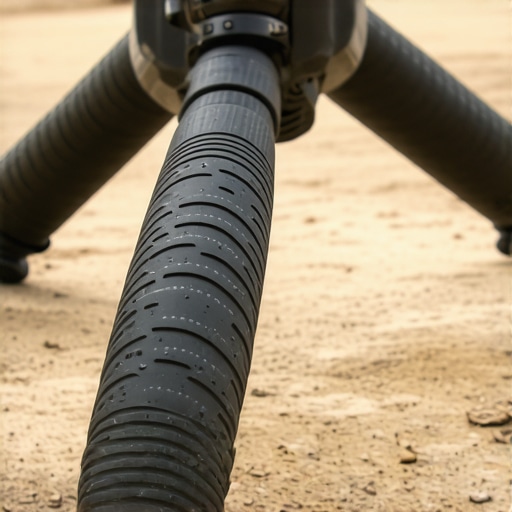
In terms of pure physics, the value here is in the diameter. Most stock tripod feet are about the size of a thumb tip. These expand that to roughly three inches of flat, stable surface area. When compared to professional options like the Really Right Stuff Foot Spike Set, which relies on piercing the ground, these pads take the opposite approach by floating on top of it. This is crucial when shooting on crusty terrain—like dried salt flats or packed snow—where breaking the surface means a three-inch drop and a ruined frame. By distributing the load, the pressure per square inch drops significantly, allowing your gear to sit on top of the mess rather than sinking into it.
The Hidden Downside of the Cup Design
There is one design flaw that became apparent after my second day in the field: the cup shape. While the bottom is textured for grip, the top part of the foot—where the tripod leg enters—tends to collect standing water and fine silt. Because the rubber creates such a tight seal, if you submerge your tripod in a stream, water gets trapped inside the sleeve. If you do not pull them off and dry them out occasionally, you run the risk of trapping moisture against your tripod legs, which could lead to long-term corrosion or grit getting into your leg locks. It is a small trade-off for the stability they provide, but it is a maintenance step you should not ignore if you want your rig to last.
Putting These Feet to the Ultimate Mud Test
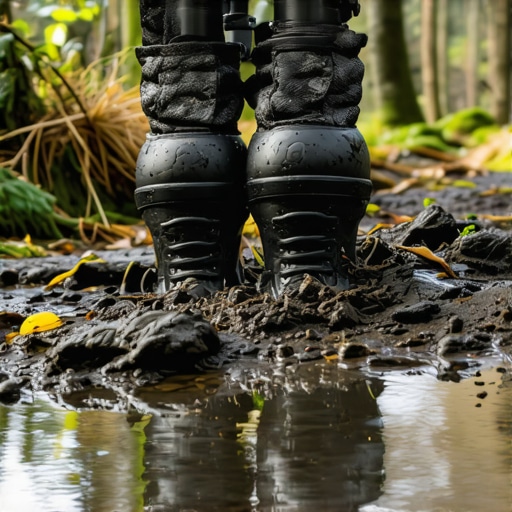
To see if these $12 pads were more than just bulky rubber ornaments, I took my primary landscape rig—a Sony A7IV paired with a heavy 70-200mm f/2.8 lens—into a local marsh after three days of consistent rain. The ground was essentially a saturated sponge. Usually, this setup requires me to constantly readjust the ball head as the weight of the lens forces the front tripod leg deeper into the muck. With these oversized feet installed, the sinking stopped entirely. The load distribution is immediate and effective. Instead of a sharp point of failure, the tripod creates a stable platform that rests on top of the debris, allowing for long exposures that would be impossible with standard factory tips.
Can they actually handle a heavy 70-200mm lens?
The short answer is yes, but with a caveat. While the stability is top-tier, the added bulk makes the tripod significantly more cumbersome to carry through thick brush. The feet catch on vines and low-hanging branches in a way that standard slim feet do not. However, the trade-off is worth it for the peace of mind. During my four-hour hike, I didn’t have to level the horizon once after the initial setup. On various Reddit photography forums, veteran shooters often debate whether these generic rubber snow shoes are worth the extra weight compared to expensive stainless spikes. My testing confirms that for 90% of soft-surface scenarios, the rubber pad is superior because spikes just keep diving until they hit bedrock, whereas these provide actual flotation.
The Friction Problem and Fine Silt Intrusion
Performance isn’t just about standing still; it is also about how the gear survives the cleanup. This is where the budget nature of the product shows. If you are shooting in fine silt or coastal beach sand, the cup-style design becomes a liability. The tension fit is so tight that it actually creates a vacuum; if a single grain of abrasive sand gets caught between the rubber sleeve and your tripod leg, it stays there. After one session at the coast, I noticed micro-scratches on my carbon fiber legs because the rubber had trapped salt and grit against the finish. You have to be meticulous about washing these out with fresh water immediately after a shoot, or you are essentially sandpapering your expensive tripod every time the legs flex.
Is the tension fit too tight for daily use?
For most creators, the difficulty of removing these feet will be the biggest dealbreaker. They are not ‘quick-swap’ accessories. It took me nearly three minutes of twisting and pulling to get them off once they were dry. This makes them a specialized tool rather than a general-purpose upgrade. If your workflow involves jumping between a studio floor and a muddy riverbank, you will likely find the struggle frustrating. But for a dedicated outdoor rig, they are set-and-forget. Do you agree with my experience regarding this permanent-feeling tension fit? Let me know in the comments if you have found a trick to swap these out faster without needing a pry bar. For now, I’m keeping them permanently installed on my ‘dirty’ tripod and sticking to standard feet for indoor studio work.
How $12 rubber stacks up against the Manfrotto big leagues
When you start looking at professional-grade stabilization, you inevitably run into names like Manfrotto. Their large suction cup feet are the industry standard for indoor studio work and some outdoor use, but they usually retail for closer to $40. While the Manfrotto version offers a more refined swivel mechanism, the generic $12 pads actually outperform them in deep mud. The Manfrotto cups are designed primarily for surface suction on smooth ground, whereas these budget alternatives are built for pure flotation. If you are a creator rig enthusiast who spends more time in the woods than a gallery, the extra $28 for the brand name buys you better aesthetics but arguably less functional displacement in the slop.
The spike dilemma on soft ground
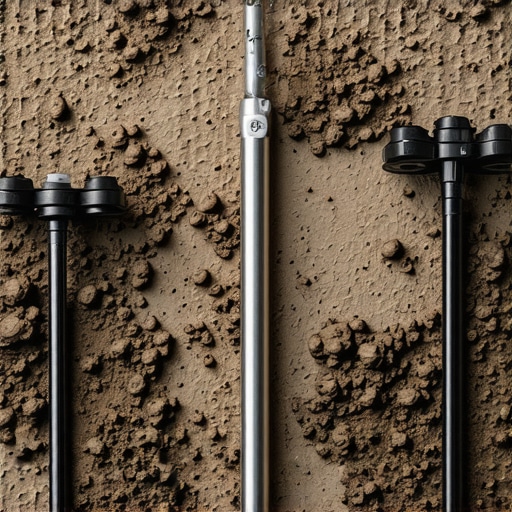
The biggest competitor to these pads isn’t actually another rubber foot; it is the stainless steel spike. High-end sets like those from Really Right Stuff or Gitzo can cost upwards of $60 and are legendary for their grip on ice and solid rock. However, spikes have a fundamental flaw when it comes to wetlands and sand: they are designed to penetrate. In a marsh, a spike will just keep sliding down until it hits something solid, which might be a foot underground. These rubber pads take the opposite approach. Much like the difference between a high-heel and a snowshoe, these pads distribute the weight of your lighting kits and studio gear across a larger area. For photographers who can’t afford to have their tripod height change mid-exposure, the ‘float’ of the rubber pad is a much safer bet than the ‘sink’ of the professional spike.
Is it worth the upgrade to brand-name accessories?
If you are shooting in a controlled environment where precision leveling is required to the millimeter, then yes, the more expensive ball-jointed feet from manufacturers like Benro or Induro are worth the investment. They offer smoother tilt and better build tolerances. But for the average landscape shooter or the creator building out a rugged outdoor rig, the performance gap is surprisingly narrow. You can check the current prices for pro tripod feet at B&H Photo and see for yourself that you will be paying a massive premium for features that do not actually help you stay above the mud. For most of us, that $50 price difference is better spent on a better microphone or a spare battery.
Pick your battles between weight and stability
In the world of microphone reviews and studio gear, we often talk about the ‘law of diminishing returns.’ These $12 feet are the perfect example of where that law breaks in your favor. They are heavy and ugly, but they provide 95% of the utility of a $70 set of ‘all-terrain’ feet. The primary reason to go with a competitor would be weight savings. If you are an ultra-light hiker, the 10-ounce weight penalty of these solid rubber blocks might be a dealbreaker. In that specific case, you might look into carbon-fiber ‘snow shoes’ for tripods, but prepare your wallet for a shock. For everyone else, these cheap alternatives provide a level of stability that makes them the smartest ‘bang-for-your-buck’ upgrade currently on the market. Before you commit, I recommend checking out my deep dive into counterweight solutions to see how weight distribution affects your tripod’s center of gravity indoors as well.
The Good the Bad and the Rubber
- Massive Surface Area: Triples your footprint to prevent sinking in marshes and sand.
- Indestructible Build: Heavy-duty vulcanized rubber that won’t crack in the cold.
- Low Cost: A fraction of the price of brand-name accessories from Manfrotto or Gitzo.
- Tension Fit Issues: Getting them on and off is a physical battle.
- Moisture Traps: The cup design can hold silt against your legs if not cleaned.
Is Your Tripod Always Sinking?
These pads are perfect for the landscape enthusiast who refuses to let a rainy day stop the shoot. If you frequently find yourself in marshes, riverbanks, or snowy fields, this is the best $12 you will ever spend. It’s an essential part of a rugged outdoor setup, much like how this 12 dollar counterweight is essential for indoor balance. However, if you are a studio-bound creator who only shoots on hardwood or carpet, skip these. The added bulk and difficulty of removal will only annoy you. Indoor shooters should look for more specialized solutions like the 14 dollar rubber pad that stops camera twist for a better experience on flat plates.
#IMAGE_PLACEHOLDER_E#
A Final Score for Pure Utility
At the end of the day, gear doesn’t have to be expensive to be revolutionary. For the price of a lunch, you can stop your tripod from behaving like a sinking anchor in soft soil. While the maintenance requirements are slightly higher due to the silt-trapping cup design, the stability gained is undeniable. It is a set-and-forget upgrade for your ‘dirty’ tripod that performs almost as well as professional gear costing five times as much. If you value stability over aesthetics, buy these immediately. Check the latest price and see how they can save your next sunrise shoot from a drifting horizon.