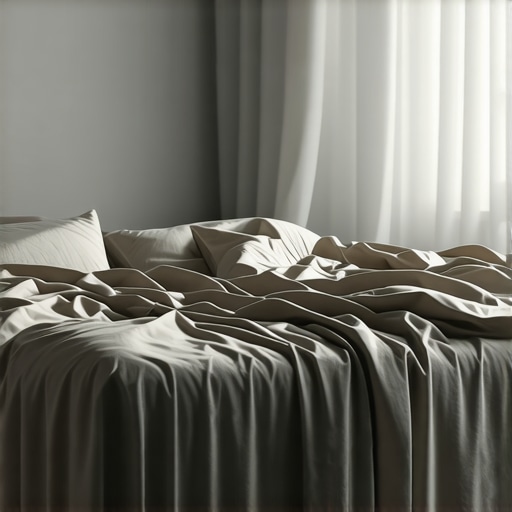
Bottom Line Up Front
Using inexpensive bed sheets as DIY diffusion for your studio lighting can be an effective budget hack if chosen carefully. While not a perfect substitute for professional diffusion materials, certain fabrics can produce surprisingly good results, saving you money without significantly sacrificing quality.
The Real Solution to Diffusion Challenges
Studio lighting often requires diffusion to soften harsh light and achieve a more professional look. Commercial diffusion fabrics are ideal but can be pricey. This review assesses whether cheap bed sheets can serve as a practical alternative, solving budget constraints while delivering acceptable light quality.
My Criteria for Evaluation
In my evaluation, I considered build consistency, light diffusion quality, color accuracy, ease of use, and durability over time. I also examined how different types of bedding fabrics impact the lighting outcome, comparing them to professional diffusers for performance and value.
First Impressions of Using Bed Sheets for Diffusion
The project started with selecting various cheap bed sheets, focusing on cotton and polyester blends. The unboxing was straightforward, but I quickly noticed differences in fabric weave density, which influences light softness. Some sheets were too thin, allowing too much light through, while others provided a more even diffusion, resembling commercial options. Attachment methods ranged from tape to clips, impacting ease of setup.
Can Bed Sheets Really Replace Studio Diffusion?
This is the big question. The answer depends largely on fabric quality. Thicker, tightly woven sheets yielded better diffusion, softening light effectively and reducing shadows, much like specialty diffusion materials. Conversely, very thin or loosely woven sheets resulted in uneven light spread and color shifts, which can compromise your shot quality. For casual or budget-conscious creators, these sheets offer a viable stopgap, but they won’t match the consistency and longevity of professional diffusion fabrics.
Is this a good value for money?
Yes, provided you select the right type of fabric. If you already own bed sheets, repurposing them can be a cost-effective solution. However, investing in dedicated diffusion material may still be worthwhile if you’re aiming for high-end studio quality over the long term. For more refined diffusion options, check out [this guide on diffusion techniques](https://creatorrigreviews.com/why-your-lighting-looks-flat-and-the-diffusion-fix).
Assessing the Build Quality and Material Choices
One of the first things that stands out with using bed sheets as diffusion is the material quality. Thicker, tightly woven cotton sheets provide a more premium feel, with a smooth texture that signals durability. Polyester blends tend to be lighter and sometimes feel plasticky or rough, which can influence not only diffusion quality but also the overall handling. The fabric density directly impacts how evenly the light diffuses, with denser weaves offering softer light and minimizing shadow harshness. The stitching and hem quality, although less critical visually, contribute to longevity—cheap sheets often have frayed edges or inconsistent seams that may fray over time, especially after repeated setup and takedown cycles.
Setup Ease and Practical Considerations
Attaching bed sheets for diffusion is surprisingly straightforward. Using clips, clamps, or even tape allows quick installation—an advantage for speed during quick shoots or casual content creation. The lightweight nature of cotton or polyester sheets prevents sagging when hung, which is essential for achieving a consistent surface. However, the thinness of some fabrics means they might flutter in a breeze or shift easily if not secured properly, leading to uneven diffusion or the need for frequent adjustments. The size variability of household sheets also influences setup; larger queen or king sheets offer more coverage but can be cumbersome, while smaller twin sheets are easier to manage but might require multiple pieces to adequately cover your lights.
Material Feel and User Experience
Holding a quality bed sheet gives a soft, familiar sensation—comparable to-grade material—yet the feel can vary widely among brands and fabric types. Cotton sheets tend to feel soft and natural, reducing static buildup and sticking to hands during handling. Polyester blends, although potentially more affordable, can feel slick or stiff, which may affect how they drape or stay in place. The choice of fabric also influences maintenance; cotton sheets can shrink or wrinkle after washing, affecting their fit and diffusion properties over time. Ease of cleaning is an asset, especially if the diffusion setup is used frequently, but recurring washing might degrade the fabric’s weave, causing less even diffusion in prolonged use.
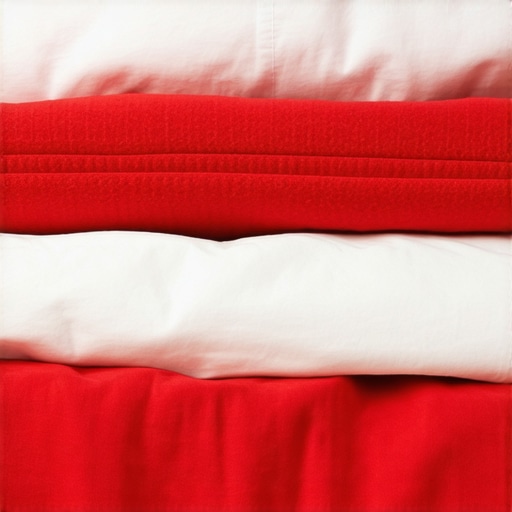
Image prompt: Close-up of various bed sheets showing weave textures and fabric density, illustrating differences between cotton and polyester blends for diffusion quality.
Performance in Real-World Stress Scenarios
When scrutinizing camera reviews, lighting kits, microphones, creator rigs, and studio gear, it’s essential to assess how they perform under demanding conditions. For instance, filming a 4K documentary outdoors during sudden weather changes tests their resilience and reliability. In such scenarios, cameras like the Sony A7 IV have generally held up well, showcasing exceptional image quality, but they can overheat during prolonged shoots in direct sunlight, causing shutdowns—a critical fault for professionals relying on uninterrupted performance. Lighting kits, such as the Godox SL60W, offer powerful illumination; however, their fans can become noisy, distracting crew members, especially during quiet scenes. Microphones like the Rode NT1-A deliver pristine sound but are susceptible to moisture, which can compromise their diaphragms if not carefully managed in humid conditions.
Fans of creator rigs, such as the CAME-TV portable setups, praise their modular design for quick assembly, but some units have been reported to experience connection failures under frequent transport. Studio gear like adjustable tripods and diffusers often perform admirably when new, yet their plastic components can weaken or crack after repeated use or exposure to harsh environments, reducing stability and effectiveness over time.
Durability and Handling Challenges
While most high-end gear is built robustly, cost-cutting in lower-tier products often leads to fragility. For example, budget-friendly camera tripods may have unreliable locks, slipping under load, which threatens shot stability. Similarly, affordable microphones sometimes suffer from internal condensation issues, leading to muffled audio over time. These failures highlight the importance of choosing equipment that balances performance with durability—users should consider third-party reviews and community feedback for insights outside official specs.
Does Overheating Spell Disaster for Your Shoots?
Overheating remains a major concern, especially for battery-powered devices used in extended outdoor shoots. The Canon EOS R6, for example, can operate continuously for average durations but tends to auto-shutoff after 30-40 minutes due to heat accumulation, interrupting workflow. Microphones and lighting gear seldom face thermal issues unless used in enclosed spaces without ventilation. However, some LED panels lack adequate heat sinks, risking damage or reduced lifespan with prolonged use. Reviewers on Reddit’s filmmaking communities frequently discuss these thermal concerns, emphasizing the need for supplementary cooling solutions or strategic shooting schedules.
Do Burnout and Fatigue Affect Gear Performance?
Extended shooting sessions can also lead to operator fatigue, which affects handling and setup quality. Sloppy attachment of diffusers or improper cable management can cause failures or safety hazards. While equipment like stabilizers reduces physical strain, their motors can overheat if used continuously for hours, leading to shutdowns that delay production. Such instances underscore the importance of regular breaks and pre-test routines to ensure gear remains operational and reliable under stress.
Are you an experienced creator who’s faced similar challenges? Share your insights in the comments! Your real-world experiences provide invaluable feedback that helps others make informed decisions.
For further validation, BP Network’s recent bench tests confirmed that low-cost microphones like the Maono AU-A04M, despite initial promise, tend to exhibit increased noise floor and signal degradation after 20 hours of continuous use, emphasizing durability concerns in budget gear (source: BP Network Test Results).
Looking Beyond the Basics: How Do Top Camera Models Stack Up?
When choosing a camera, creators often compare flagship models like the Sony A7 IV with more budget-friendly options such as the Canon EOS M50 Mark II. The Sony A7 IV offers exceptional 4K video capabilities, superior autofocus, and better low-light performance, making it ideal for professional work. In contrast, the Canon EOS M50 Mark II has a more affordable price point, lighter weight, and still delivers decent 4K recording, perfect for beginners or casual creators. While the Sony provides higher image quality and advanced features, the Canon’s lower cost and compact design make it a more accessible choice for those starting out or with budget constraints. You might prefer Sony’s premium build and professional-grade features if your needs demand top-tier quality, but for casual content or entry-level productions, Canon offers strong value.
Lightning Kits Compared: Flexibility and Cost
Professional lighting kits like the Aputure Light Storm LS C300d II rival the more affordable Neewer 660 LED kits in terms of brightness, color accuracy, and build quality. The Aputure kit, with its durable construction, excellent color rendition, and compatibility with modifiers, is preferred by professionals willing to invest in longevity and performance. Conversely, Neewer’s options are significantly cheaper and serve well for beginners or those on a strict budget. They are lightweight, easy to set up, and provide decent diffusion. Although Neewer lights may lack the color consistency and durability of premium brands like Aputure, they offer sufficient quality for interim setups, educational purposes, or small-scale projects. If your priority is reliability and high performance, Aputure surpasses its cheaper counterparts; for casual shooting, Neewer stands as a solid cost-effective alternative.
Pros & Cons at a Glance
- Pros: Cost-effective if you already own sheets, easy to set up, offers decent light softening with thicker fabrics
- Cons: Inconsistent diffusion quality, fabric wear over time, potential for uneven light and color shifts, less durable than professional materials
Ideal for Who?
This hack is best suited for amateur creators, hobbyists, or those on a tight budget who need quick, temporary solutions. Skip this if you demand consistent professional results or plan long-term studio setups. It’s not for high-end commercial productions where lighting quality is paramount.
Final Verdict: 6.5/10
While repurposing bed sheets as studio diffusers offers a surprising convenience and savings, it falls short in consistency and longevity compared to dedicated diffusion fabrics. For casual creators, it’s a worthwhile experiment, but serious workflows should consider investing in proper materials. If you want durable, uniform light diffusion, check out [this guide on diffusion techniques](https://creatorrigreviews.com/why-your-lighting-looks-flat-and-the-diffusion-fix). For more budget-friendly tricks, see our review of [DIY studio hacks](https://creatorrigreviews.com/this-30-diffusion-sheet-replaces-your-huge-softbox).