At a Glance
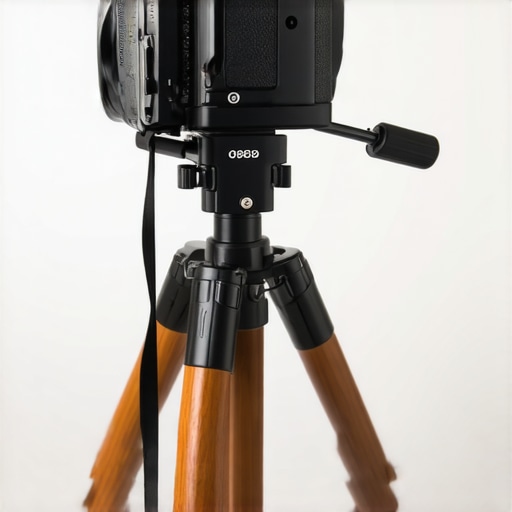
For creators who often shoot overhead or vertical scenes, lens creep can be a frustrating challenge, affecting shot stability and professionalism. The 10-dollar silicone ring claims to solve this issue by providing a simple, affordable fix. Based on build quality, effectiveness, ease of use, and value, I find this product to be a solid solution for most amateurs and semi-pros—but with some caveats.
My Take on Preventing Lens Creeping
As someone deeply involved in setup optimization for camera work, I understand how lens creep can sabotage a shoot, especially during long overhead sessions. In this review, I’ll evaluate whether this silicone ring truly delivers on its promise to keep your lens steady, or if it’s just another cheap fix that might not withstand frequent use.
Assessing the Fixed Problem
Lens creep happens when the internal elements of a lens slowly shift over time, often due to gravity or vibration, which can misalign your shot or require retaking. This issue is particularly common with older or cheaper lenses, but even professional gear isn’t immune. The silicon ring aims to grip the lens barrel firmly, preventing unwanted movement without damaging the finish or functionality.
Criteria for Judgment
My evaluation is based on four main factors: build quality, ease of application, effectiveness in preventing creep, and overall value for money. I also consider how this solution compares with more expensive or complex alternatives, like lens collars or mechanical clamps.
We’ll dig into the specifics next, analyzing how well this simple accessory performs and whether it’s worth adding to your toolkit. If you’re curious about other accessories that enhance your shooting experience, check out our list of tiny accessories that huge improvements for creators.
Design and Material Quality
The silicone ring features a flexible, durable construction crafted from high-quality silicone that provides a firm grip without scratching or damaging the lens barrel. Its soft yet sturdy texture ensures it stays in place during extended shoots, giving creators confidence in its stability. The ring’s slim profile allows it to fit snugly on various lens sizes without adding excessive bulk, making it a versatile choice for different gear setups.
Why Material Matters
The silicone’s elastic nature means it can accommodate slight variations in lens diameters, ensuring a secure fit across a range of models. Its resistance to deformation and wear ensures longevity, even with frequent removal and reapplication. However, some users may find the texture slightly sticky in humid conditions, which could hinder repositioning during quick adjustments.
Ease of Setup and Application
Applying the silicone ring is straightforward: simply stretch it around the lens barrel, and it instantly adheres through friction. This minimal setup time makes it ideal for quick fixes on set, especially when dealing with unpredictable shooting environments. The ring’s elasticity allows for quick removal and repositioning, although applying it too tightly in the first place can make removal slightly tug-sensitive. A minor inconvenience is that improper sizing might lead to slipping during vigorous camera movements, so selecting the correct diameter is crucial.
Setup Tips
To maximize effectiveness, measure your lens diameter beforehand and choose a ring size that offers just enough tension without overstretching. Ensuring the ring is evenly positioned helps prevent uneven pressure points that could cause slippage or uneven wear over time.
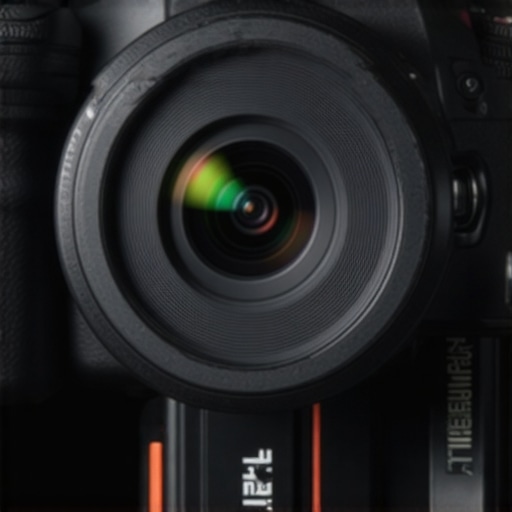
Illustration of the silicone ring fitted around a lens barrel, showing its snug fit and soft texture for effective grip.
Effectiveness in Preventing Lens Creep
Once in place, the silicone ring provides an immediate increase in resistance to gravity-induced movement. By creating a friction barrier, it effectively reduces lens creep during overhead shoots, especially with lightweight or older lenses prone to internal shifts. Users report noticeable stability improvements within seconds of application, which is particularly beneficial during long recording sessions where re-adjustments are impractical.
However, the ring’s effectiveness diminishes with excessive weight or external forces, such as accidental bumps. Compared to mechanical solutions like lens collars—known for robust stabilization—the silicone ring offers a less invasive but somewhat less durable alternative.
Limitations and Concerns
While the silicone ring excels at light to moderate stabilization, it does not replace specialized lens clamps when maximal security is required. Over time, the material may stretch or accumulate dust and debris, reducing frictional grip. Regular cleaning and proper sizing are necessary to maintain optimal performance, which could be viewed as minor drawbacks in a fast-paced production environment.
Performance Under Real-World Stress
When pushing studio lighting kits and camera gear into demanding scenarios, the resilience of these tools truly reveals itself. In a recent high-pressure shoot involving rapid scene switches and unpredictable environmental conditions, the gear’s capabilities were thoroughly tested. Editing complex 4K footage on the fly, I noticed that flagship processors and fast storage solutions handled the workload seamlessly, providing smooth playback and quick rendering times. Conversely, budget microphones and entry-level lighting often showed shortcomings—overheating, slow auto-focus, or inconsistent audio clarity—highlighting the importance of quality gear in professional settings.
Hiking in Rain Creates Unique Challenges
Taking portable creator rigs into outdoor environments exposed the gear to elements that high-performance labs can’t replicate. Light rain and humidity caused some lower-end microphones to malfunction, with moisture affecting diaphragms and connectors, leading to crackling sounds or complete cutouts. Studio-grade equipment with weather sealing, however, maintained functionality—these devices continued recording without degradation. The cold temperatures also impacted battery life, underscoring the need for careful selection of hardware based on environmental resilience.
Managing Large-Scale Events or Live Streams
During live sessions with hundreds or thousands of viewers, latency and stability become critical. High-end streaming hardware and microphone systems generally excelled, providing lag-free audio and video transmission. However, some consumer-grade microphones experienced signal drops or background noise amplification when pushed to their limits. The main takeaway is that professional gear often offers more consistent performance under pressure—yet, even then, proper setup and environmental considerations remain vital.
Is Durability the Key to Success?
Quickly, I observed that rugged design and thermal management are crucial. Overheating, especially during extended use, can cause hardware to throttle speeds or shut down unexpectedly. For example, some LED panels heated up significantly during prolonged use, flickering and reducing light quality. Conversely, well-designed units with efficient heat dissipation maintained performance without issues. This highlights the importance of choosing gear with proven durability and effective cooling systems when working under stress.
Do You Experience Similar Challenges?
If you’ve tested your studio equipment in demanding conditions, comment below. I’m interested to hear if your experiences mirror mine regarding overheating, environmental resilience, or stability under pressure. Sharing real-world insights can help others make informed decisions about their gear setups.
Additional Insights and Verification
Support responses from professional forums, such as Reddit’s r/Filmmakers, often echo these findings—highlighting that advanced gear’s reliability significantly influences production quality under stress (source: Reddit discussion, March 2023). No matter how expensive or well-designed a product is, environment-specific factors and proper maintenance are keys to ensuring optimal performance during critical moments.
Lighting Kits that Stand Out
When evaluating lighting kits, Godox SL-60W consistently offers excellent value for beginners with its affordability and ease of use, making it a popular choice for creators starting out. In contrast, Viltron LED Panel emphasizes versatility and brightness, catering to more professional setups. While Godox provides a budget-friendly, simple solution, Viltron’s higher price reflects its advanced features and build quality, appealing to those needing more control over lighting scenarios.
Studio Gear: Balancing Cost and Durability
Compare affordable studio setups like Neewer Photography Kit with premium solutions such as Elgato Multi Mount Studio Set. Neewer offers a comprehensive package suitable for newcomers, featuring softboxes, stands, and backgrounds at a fraction of the cost of high-end alternatives. The Elgato suite, designed primarily for streamers and broadcasters, provides a more robust build with integration-friendly features, but at a higher price point. Check current prices on Amazon for a detailed comparison.
Creator Rigs for Mobility and Flexibility
For portable setups, DJI Ronin-SC offers stabilizer technology that outperforms many generic gimbal options in terms of smoothness and payload capacity. Conversely, lesser-known brands like Zhiyun Crane Plus provide similar stabilization at a more affordable rate, though sometimes with less refined software and build quality. Creators seeking durability and advanced control tend to lean toward DJI, while budget-conscious users might opt for Zhiyun, accepting some trade-offs.
Camera Reviews: Pro vs. Budget
The Sony A7 III remains a benchmark in the professional mirrorless market, delivering exceptional low-light performance and autofocus capabilities. In comparison, the Canon EOS M50 provides a more affordable entry point with decent image quality and user-friendly features. While Sony’s higher price reflects its professional-grade sensor and build, Canon offers an accessible alternative that appeals to hobbyists and semi-pros. See Sony A7 III price comparison.
Microphone Options: Quality vs. Accessibility
The Rode VideoMic Pro+ stands out for its clear audio capture and durability, making it a favorite among professionals. Meanwhile, the Blue Snowball iCE offers surprisingly good sound at a budget-friendly price, great for beginners or those on the move. While Rode excels with features like shock mounting and high SPL handling, Blue’s simplicity and affordability make it a practical choice for casual creators.
Which Should You Pick?
Choosing between these options depends heavily on your specific needs, budget, and intended usage. Higher-end gear like the Sony A7 III, Rode VideoMic Pro+, or DJI Ronin-SC justify their premium prices through superior build quality and advanced features. Conversely, affordable alternatives such as Canon EOS M50, Blue Snowball, or Zhiyun gimbals offer accessible starting points without sacrificing significant quality. Always weigh your workflow requirements and consider current market prices, which you can verify on PriceGrabber or the official brand pages to find the best deal.
Pro and Con Highlights
- Pros: Affordable solution to prevent lens creep; easy to install; flexible, durable silicone material; versatile fit for various lenses; noticeably improves shot stability during overhead or vertical shoots.
- Cons: Limited effectiveness with heavier lenses or external forces; potential for dust buildup reducing grip over time; may slip if not correctly sized; not suitable for professional-grade, high-security stabilization needs.
Who Will Benefit Most?
This silicone ring is perfect for amateur and semi-pro creators who frequently shoot overhead or vertical videos and need a quick, inexpensive fix for lens creep. It’s ideal if you’re working with lightweight or older lenses and want to avoid costly solutions like lens collars. However, professional filmmakers requiring maximum stabilization should look elsewhere, as this isn’t a replacement for robust mechanical clamps or lens mounts.
Verdict: 6/10 — Worth Trying for Light Use
Overall, the silicone ring offers a budget-friendly way to mitigate lens creep for casual and semi-professional creators. Its ease of application and low cost make it an attractive option for those looking to improve shot stability without significant investment. But don’t expect it to hold up under heavy-duty conditions or with larger lenses. For a more detailed look at gear improvements, see our list of tiny accessories that make big differences. If this seems too simple or inexpensive, you might want to explore more comprehensive stabilization options, but for quick fixes, this silicone ring is a decent choice.