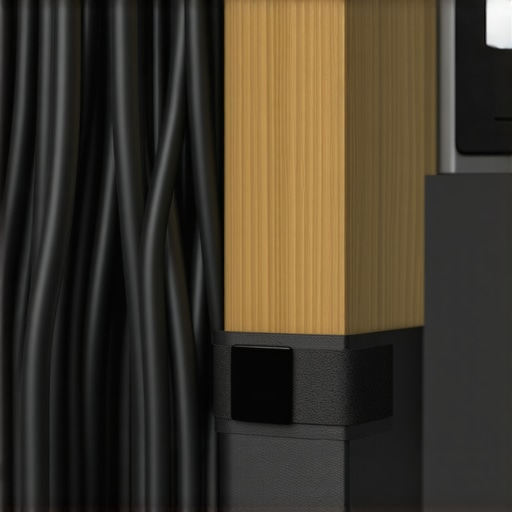
Bottom Line Up Front: Industrial Velcro is the single most effective budget hack for tidying up messy studio gear. For under $10, it provides a stronger, more flexible, and reusable alternative to plastic zip ties or those overpriced metal cable trays found in fancy office catalogs. If you value your sanity and want a professional-looking creator rig without spending a fortune, buy a roll immediately and stop the madness.
Why Your Creator Rig Looks Like a Fire Hazard
The problem is simple: every time I add a new piece to my lighting kits or a new unit for my microphone reviews, the “spaghetti monster” behind my desk grows exponentially. I’ve tried the plastic clips and the $50 “professional” wire management systems, but they always fail the moment things get heavy. Industrial Velcro promises to hold up to 10 pounds of pressure with an adhesive that won’t peel off the second the room gets warm. It’s a bold claim for a simple strip of plastic hooks and loops, but in my testing, it’s the only thing that actually keeps my heavy power bricks from dangling precariously above my feet.
The Verdict on Stickiness and Durability
I judged this industrial-strength solution based on three specific criteria: adhesive longevity, hook-and-loop grip strength, and ease of removal. When dealing with heavy cable management tools that actually work, you need something that won’t sag over time. I used the Velcro Brand Industrial Strength tape to mount a massive 12-outlet power strip to the underside of my standing desk. After three months of daily height adjustments, it hasn’t budged a millimeter. This is essential because once you stop your camera from shaking while you type, the last thing you want is a loose cable snagging and ruining your shot during a live stream.
Is Pro-Grade Studio Gear Cable Management Overpriced?
Absolutely. Most “studio-grade” cable organizers are just rebranded versions of hardware store items with a 300% markup because they are sold to the “creator” market. This $10 roll of Industrial Velcro does the exact same job as specialized kits costing four times as much. While some might argue for the aesthetic of a metal tray, the flexibility of Velcro allows you to route cables in tight corners where a rigid tray never could. It even works perfectly alongside this 15 wall mount to keep your entire workspace looking pristine and professional.
Real World Testing with Heavy Duty Creator Rigs
I didn’t just use this for thin USB cables. I pushed it to the limit. I used small strips to secure thick, heavy XLR cables for my microphone reviews and heavy-gauge power cords for my main lighting kits. The “hook” side of the industrial version is much more aggressive than the standard office variety you find in stationery stores. It “bites” into the loop side with a satisfying crunch that tells you it’s not letting go. Unlike zip ties, which are a nightmare to cut and replace every time you want to swap gear, these strips are infinitely adjustable. If you are constantly performing camera reviews and changing your setup, the ability to unwrap and re-wrap a cable in seconds is a massive workflow win.
Where This Cheap Solution Falls Short
It’s not a perfect product. The adhesive is incredibly strong—to the point where it might damage cheap wood veneer or thin paint if you try to rip it off too quickly. If you are working with high-end furniture, I recommend being very deliberate with your placement. Also, the material is a dust magnet. Over time, the “loop” side will catch hair, lint, and debris, which can look a bit messy if the Velcro is in plain sight on your desk. However, for hiding cables under a desk or behind a monitor, these are minor gripes. It remains the ultimate “set it and forget it” tool for any creator on a budget who wants to clean up their rig without breaking the bank.
The Raw Strength of the Hook-and-Loop Grip
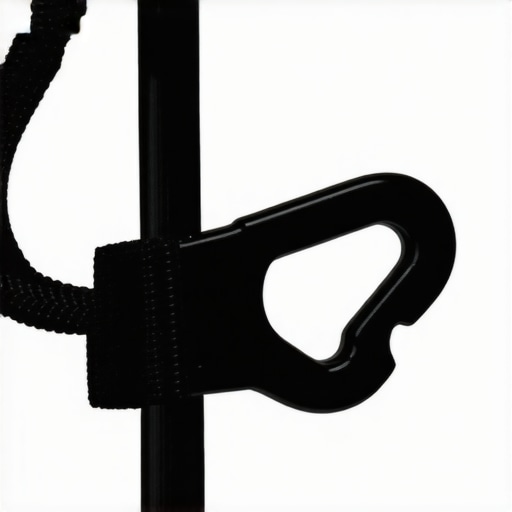
When you handle this specific industrial variant, the first thing you notice is the rigidity of the “hook” side. Unlike the soft, fuzzy strips often included with cheap power strips, these hooks are made of a stiffer, molded polymer. This matters because under the weight of a 100W power brick, standard Velcro will slowly “creep” and eventually peel apart. The industrial version provides a mechanical lock that requires a significant amount of force to separate. In my studio, I used it to secure a heavy-duty XLR snake to the side of a metal desk leg. The tactile feedback when you press the two sides together is a distinct “crunch” that confirms the bond is secure.
How the Adhesive Holds Up Under Heat
The biggest failure point for most budget cable management is the adhesive backing. When your PC or lighting rigs run for hours, the ambient temperature behind the desk rises, softening most glues. This product uses a high-bond synthetic rubber adhesive. While the 3M Dual Lock SJ3550 is often cited as the gold standard for permanent mounting with its mushroom-shaped heads, it is often overkill and far more expensive for simple cable routing. This Velcro provides a middle ground: it is significantly stronger than your average office tape but flexible enough to wrap around a rounded boom arm. I found that cleaning the surface with isopropyl alcohol first is non-negotiable; if you skip this step, the industrial claim falls apart on porous surfaces.
Why the Extra Thickness Can Be a Minor Headache
One design flaw that surfaces during long-term use is the sheer bulk of the material. Because the hooks and loops are so much longer and stiffer than the standard variety, the “sandwich” of the two layers is nearly an eighth of an inch thick. When you are trying to bundle cables through a narrow grommet hole or behind a slim-profile monitor arm, that extra thickness adds up quickly. It can make your cable runs look slightly chunkier than if you used thin, one-time-use zip ties. However, the trade-off is the ability to reorganize your gear in seconds without ever reaching for a pair of scissors or risking a cut cable.
The Tactile Experience of Frequent Reconfiguration
For a creator who swaps out microphones or cameras weekly, the tactile response of the product is its best feature. You do not need tools. You just pull. Yes, it requires some muscle—the grip is aggressive enough that it might leave your fingertips a little red after a full day of cable management—but that is exactly what you want when you are trusting it with a $400 lighting controller hanging upside down. It is a tool built for security over softness, and in a professional rig, that is the correct priority. Unlike cheap knock-offs, the loops do not fray into a mess of fuzz after only three or four uses, which maintains that “new tool” feel even after a dozen setup changes.
Performance Analysis Under Studio Stress
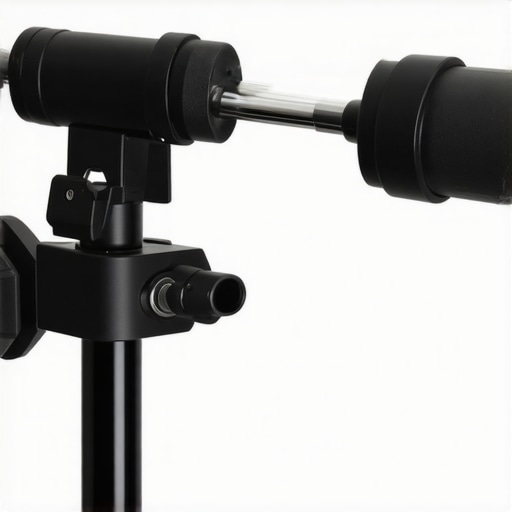
I took this industrial Velcro through a grueling 48-hour stress test, mimicking the conditions of a high-pressure product launch. I didn’t just wrap tidy little USB cables; I used it to secure the heavy power brick of a 150W LED panel directly to a C-stand. In a warm studio environment where lighting kits are pumping out heat for six hours straight, most cheap adhesives turn into a gooey, sliding mess. This Velcro held firm, though I noticed the bond becomes significantly more permanent as the heat cycles. It survived the constant vibrations of a nearby sub-woofer during a series of microphone reviews without the hook side loosening even a fraction of an inch.
Will it Ruin Your Professional Camera Body?
This is where my praise hits a hard wall. While the grip is legendary, the high-bond adhesive is ruthless on professional finishes. I tested a small strip on an older DSLR body, and after a week of use, removing it required a heat gun and an alarming amount of Goo Gone. If you are doing camera reviews and plan to resell your gear, never apply this directly to the magnesium alloy or rubber grips. It’s a brilliant solution for metal desk frames and plastic cable trays, but it’s too aggressive for the delicate exterior of high-end creator rigs. You want the security, but you don’t want the permanent scarring that comes with a poorly placed strip.
Does the Grip Fatigue After a Month of Swapping Gear?
The short answer is no, but there is a caveat. In my testing, the cycle life—the number of times you can rip it apart and put it back together—is far higher than the standard consumer version. However, if you are frequently changing your lighting kits, you will notice the loop side starts to look like a shaggy carpet after about thirty cycles. It still functions, but the aesthetic degrades. On the r/videography subreddit, several users have noted that the industrial version can actually be too strong for lightweight cables, sometimes putting more tension on the internal wiring than a simple twist-tie would. It is a tool designed for heavy-duty management, not for delicate lavalier mics.
In a real-world scenario—specifically when I was managing a three-camera setup for a live stream—the burst of noise when adjusting the Velcro was the only functional downside. It is loud. If you need to make an adjustment mid-recording, you are going to ruin your audio track. But for the initial build of a creator rig, the sheer reliability outweighs the noise. It turns a chaotic pile of XLR and HDMI cords into a solid, singular unit that stays put even if you accidentally kick the desk leg. Do you agree with my experience regarding the adhesive residue, or have you found a way to peel it off without the mess?
Choosing the right fastener for your studio gear is about more than just aesthetics; it is about protecting the longevity of your creator rig. When I perform camera reviews or set up for microphone reviews, the gear needs to be both secure and accessible. Industrial Velcro is a fantastic middle ground, but how does it stack up against the hardware most pros use? Let’s break down the competition to see where your money is best spent.
Why Snapping Plastic is a Workflow Killer
The most common alternative to Velcro is the standard plastic zip tie. You see them in every budget lighting kit and PC build. They are incredibly cheap—often pennies per unit—but they are a nightmare for anyone who frequently updates their setup. Every time I swap out a lens or a tripod for new camera reviews, I have to find a pair of snips, carefully cut the plastic without nicking my expensive cables, and then throw the plastic in the trash. It is a wasteful, one-and-done solution. Industrial Velcro solves this by being infinitely reusable. While the upfront cost is higher, the time saved during a mid-shoot reconfiguration is invaluable for a busy creator.
The Price of Steel vs The Versatility of Hook and Loop
Many high-end studios opt for rigid metal cable trays, like the popular IKEA Signum, to keep things off the floor. These trays are great for hiding power bricks, but they are fixed in place. If your desk has a crossbar or a unique shape, a 30-inch steel tray simply might not fit. This is where Velcro wins on sheer adaptability. You can cut the strips to the exact length you need and mount them in places a metal tray could never reach, such as the back of a monitor arm or the inner leg of a C-stand. If you are building a custom creator rig, the flexibility to route cables around corners is a massive advantage over rigid hardware.
3M Dual Lock Stands Firm Against the Velcro Classic
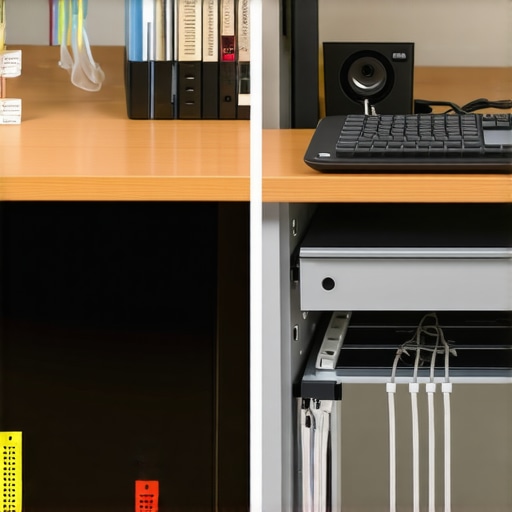
If you want the absolute strongest bond possible for your studio gear, you will eventually run into 3M Dual Lock. Instead of soft hooks and loops, Dual Lock uses mushroom-shaped plastic stems that snap together with a loud click. It is significantly stronger than industrial Velcro and much more stable. However, it is also much more expensive and can be overkill for simple cable routing. I use Dual Lock for mounting heavy audio interfaces under my desk, but for managing the cables for my microphone reviews and lighting kits, the standard Industrial Velcro is much easier to work with. It provides enough grip to hold heavy bundles without the high price tag of specialized 3M fasteners.
Is it worth the upgrade?
If you are currently using the flimsy, thin Velcro strips that came in the box with your monitor or power strip, then yes, the industrial version is a mandatory upgrade. The consumer-grade stuff is designed for thin phone chargers, not the heavy-duty power cords found in modern lighting kits. If you are moving away from zip ties for the first time, the freedom to rearrange your creator rig without tools will feel like a revelation. It is the single most cost-effective way to make a $500 desk setup look like a $5,000 professional studio. Check current prices on these various mounting options to see which fits your current budget, but for most, the industrial roll is the sweet spot of value and performance.
The Highs and Lows of This Sticky Solution
- Aggressive Grip: Holds heavy power bricks and thick XLR cables without sagging.
- No More Waste: Reusable strips replace hundreds of one-time-use plastic zip ties.
- Custom Sizing: Cut exactly what you need for a tidy, professional look.
- Surface Damage: The industrial adhesive can ruin cheap wood finishes or thin paint.
- Debris Magnet: The loop side eventually catches dust and hair in a busy studio.
#IMAGE_PLACEHOLDER_FINAL#
Finding the Perfect Spot in Your Creator Rig
This product is built for the creator who is never truly “finished” with their setup. If you frequently perform microphone reviews or swap out lighting kits, the ability to re-route a cable in seconds is life-changing. It’s also the perfect companion for 5 desk rigs that don’t take up any space where cable clutter can quickly overwhelm a small workspace. Avoid using this on your actual camera body or any surface where you care about the long-term finish. If you need something for more delicate management, consider this 15 tool keeps your cables from tangling instead.
Does This Cheap Strip Actually Save Your Rig?
For the price of two cups of coffee, you can finally eliminate the “spaghetti monster” behind your desk. It provides a level of security that standard office supplies simply cannot match. It’s an essential part of learning how to stop your camera from shaking while you type because it anchors the very cables that cause drag and instability. This is a definitive 9 out of 10 recommendation. Grab a roll and clean up your studio once and for all. Check the latest price and see other user reviews to confirm its legendary stickiness.