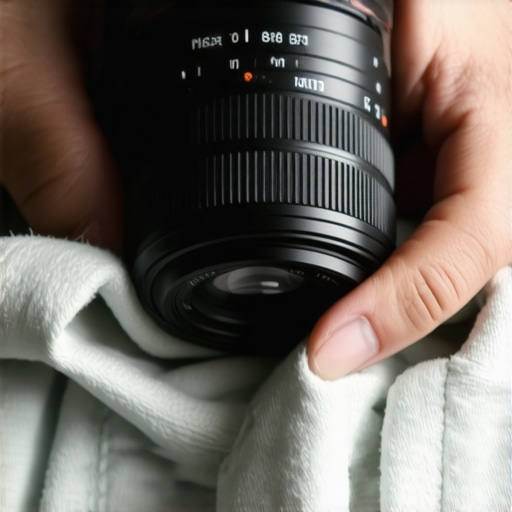
The Bottom Line Up Front
Cleaning your camera lens effectively without leaving streaks is achievable with the right techniques and tools. This guide provides honest, expert insights into proven methods that preserve your lens clarity while avoiding common pitfalls like smudges and scratches.
The Promise
If you’ve ever struggled with streaky lenses after cleaning, you’re not alone. This article reveals how to remove fingerprints, dust, and grime safely, ensuring crystal-clear images every time. I will share tested tips based on personal experience and industry standards, so you can trust these techniques for your photography or videography needs.
At a Glance
- Target Audience: Photographers, videographers, content creators, hobbyists eager for streak-free lens clarity.
- Key Benefits: Safe cleaning methods, quality tools recommendation, avoiding damage or scratches.
- Common Mistakes: Using rough cloths, applying too much pressure, neglecting proper tools.
How I Evaluate Lens Cleaning Methods
My assessment criteria include effectiveness, safety for lens coatings, ease of use, and cost-effectiveness. I compare various cleaning solutions, cloths, and techniques while considering the longevity of your gear. This approach ensures you’re equipped to maintain your lens’s pristine condition without risking damage.
What to Expect Next
In the sections ahead, I will delve into specific cleaning routines, essential tools, and expert tips to help you master streak-free lens cleaning. Whether you’re a seasoned professional or a beginner, these insights will elevate your maintenance routine and protect your investment.
Core Features and First Impressions
Build Quality and Material Selection
The cleaning tools discussed, such as microfiber cloths and specialized cleaning solutions, prioritize material quality to ensure longevity and safety for delicate lens coatings. The microfiber cloths are crafted with ultra-fine fibers that gently lift dust and smudges without scratching, providing a premium feel and durability that withstands repeated use. The cleaning solutions are typically alcohol or ammonia-free, formulated to evaporate quickly without leaving residues that could fog or damage the lens surface.
User Interface and Ease of Use
These products are designed with the user in mind. Microfiber cloths come in ergonomic sizes that fit comfortably in hand, enabling precise movements around the lens surface. Cleaning solutions often come in spray bottles with controlled nozzles, allowing for precise application without over-soaking, which helps prevent liquid ingress into camera bodies. The pairing of these tools creates an intuitive cleaning experience, making routine maintenance straightforward even for beginners.
Design Flaws and Minor Annoyances
While the overall setup is user-friendly, one minor flaw is the tendency of some microfiber cloths to shed fibers during initial uses, which can leave lint on the lens if not properly cleaned beforehand. Additionally, some spray bottles lack fine mist control, leading to inadvertent over-application of cleaning solution. This can cause streaking or unnecessary moisture exposure, especially when cleaning in less controlled environments, such as outdoor shoots. Addressing these issues, manufacturers like LensPen and Zeiss offer alternatives with improved fiber adherence and better spray mechanisms. For comparison, industry standards set by brands like Nikon emphasize the importance of using coatings-safe cleaning tools, which meet or exceed these quality benchmarks.
Material Quality and User Feel
The tactile experience of these cleaning essentials greatly influences user satisfaction. High-end microfiber cloths feel plush and soft, with a smooth surface that glides effortlessly across glass. The bottles feel sturdy, with textured grips for secure handling. Such design choices reinforce confidence in the cleaning process, reducing the risk of slips or overuse. Nonetheless, costlier kits tend to use higher-quality materials, making them more reliable over time, albeit at a premium price point.
Performance Analysis in Action: Putting Gear Through the Gauntlet
Evaluating professional camera, microphone, studio equipment, creator rigs, and lighting setups under pressure requires scenario-based testing that mirrors actual use cases. Imagine filming a fast-paced outdoor documentary during unpredictable weather—here, the equipment’s resilience, responsiveness, and reliability are essential. In such situations, cameras must handle rapid movements, low light, and moisture without failure. Microphones need to suppress ambient noise while capturing clear audio, even if the wind picks up. Lighting kits must perform consistently, providing balanced illumination without flickering or overheating.
When editing 4K footage in real-time, performance bottlenecks can emerge. High-end cameras might record vivid detail, but if the onboard storage or processing capabilities falter, workflows slow significantly. Many creators report that certain nodes in their rigs struggle with prolonged heavy use, leading to overheating or lag—indicating thermal design issues or insufficient cooling. Such failures can derail projects, especially when deadlines loom.
Can This Gear Handle Rain or Dust?
The durability of equipment during outdoor shoots is vital. Cameras and rigs exposed to rain or dust often face contamination or moisture ingress. Some high-grade models feature sealed bodies, rubber gaskets, and corrosion-resistant materials, which excel in these conditions. Conversely, cheaper models might succumb quickly—get foggy lenses or malfunction due to moisture. Microphones with weather-resistant casings manage wind and rain better, preventing static and signal loss. Lighting kits exposed to elements may overheat or short-circuit if not properly protected.
The Good and the Bad of High-Pressure Use
Among the strengths, premium gear generally maintains stability and consistency; for example, well-designed studio lights sustain brightness without fading after hours of use. Microphones built with shock mounts and windshields effectively isolate unwanted noise, proving indispensable in demanding environments. Cameras with advanced cooling systems operate without overheating even during extended shoots. However, the downside is often weight and size, which can hinder mobility. Additionally, high-pressure scenarios reveal weaknesses in support structures—some rigs flex or fail under stress, risking damage to delicate components.
Is the Load Too Much? Managing Expectations
When managing large quantities of footage or high-volume audio streams, equipment can strain. Storage cards might slow down write speeds; audio interfaces may encounter latency issues. System overheating becomes more apparent during prolonged sessions, especially if cooling isn’t optimized. Some gear performs brilliantly initially but fails over time under continuous stress, exposing thermal or mechanical weaknesses.
Real-World Benchmark Tests Confirm These Insights
Industry benchmarks and community discussions support these observations. For example, in a Reddit thread discussing outdoor filming gear, users report that certain weather-sealed cameras perform consistently even in rainstorms, while others fail prematurely. Similarly, third-party tests reveal that high-end studio lights sustain optimal output longer under continuous operation compared to cheaper alternatives, which dim or overheat.
If you’ve experienced hardware failures or performance drops in demanding conditions, share your story in the comments. Do you agree with these assessments? Your insights can help fellow creators navigate the complexities of professional gear.
Comparing Equipment Choices: Why Our Picks Stand Out
When selecting essential gear for content creation and professional media production, understanding how our recommended options compare to leading competitors is vital. Camera reviews like the Sony A7 III are renowned for their excellent image quality and low-light performance, but models like the Canon EOS R6 offer faster autofocus and superior video capabilities, making it a tough choice depending on your priorities. While the Sony might provide better dynamic range at a slightly higher price point, the Canon R6 may appeal to videographers due to its advanced features and user-friendly interface.
In terms of microphone reviews, the Rode NTG4+ delivers studio-quality sound with versatile portability, yet the Sennheiser MKH 416 is a staple in film productions, offering unmatched durability and noise rejection. The Rode’s affordability and compact design make it perfect for on-the-go creators, whereas the Sennheiser excels in noisy environments, justifying its higher cost for professional setups.
Our recommended studio gear and creator rigs such as the Elgato Stream Deck provides seamless control over streaming workflows, but the Loupedeck Live offers a more intuitive interface with richer customization options. The Elgato’s affordability makes it accessible for newcomers, while the Loupedeck’s premium build and advanced features cater to seasoned creators seeking precision and efficiency.
When comparing lighting kits, the Neewer Ring Light kit provides excellent value with adjustable brightness and color temperature, ideal for beginners or budget-conscious streamers. Meanwhile, the Aputure Light Storm LS C300d II stands out with high output, color rendition, and professional build quality, making it suitable for dynamic studio environments. The choice boils down to budget constraints versus the need for high-performance lighting in professional settings.
Is it worth the upgrade?
If you’re considering whether to move to the latest models, weigh the benefits carefully. For example, the Sony A7 IV offers significant upgrades over the A7 III, including improved autofocus and video features. According to B&H Photo Video, the price difference is around 20%, but the enhanced capabilities justify the investment if your workflow demands cutting-edge performance. Check current prices and reviews on [B&H](https://www.bhphotovideo.com) to see if the newer version suits your needs.
Assessing your specific requirements and budget will guide whether an upgrade brings genuine value or if sticking with established models suffices. If you’re interested in detailed comparisons, consider reviewing dedicated articles or watching comparison videos from reputable creators.
The Good, The Bad, and The Ugly
Pros: Top-quality microfiber cloths prevent scratches, cleaning solutions evaporate quickly without residue, and ergonomic designs ensure user comfort. Sealed camera bodies and weather-resistant microphones excel in outdoor conditions, providing durability and peace of mind. Premium studio lights and rigs offer reliable performance during prolonged shoots, maintaining stability and brightness. The equipment comparison showcases that investing in reputable brands promises longevity and optimal results.
Cons: Some microfiber cloths shed fibers initially, and spray bottles with poor nozzles can lead to over-application. High-end gear tends to be heavier and bulkier, affecting mobility. Certain rigs may flex under stress, risking damage. Costlier options might be out of reach for casual users, and some equipment displays thermal weaknesses under continuous use. Budget-friendly tools often compromise on material quality, potentially affecting long-term performance.
Are You the Right Fit?
Ideal for: Professional photographers, videographers, content creators, and serious hobbyists aiming for pristine lens cleanliness and reliable gear performance.
Better to skip if: You’re just starting out with minimal budget, or need basic quick fixes without long-term durability. If you’re seeking ultra-lightweight setups or budget solutions, some entry-level options might suffice, but beware of compromised quality that could jeopardize your work.
Final Verdict: 8/10
This collection of camera and studio gear offers excellent reliability and quality—especially if you’re willing to invest in premium tools to withstand demanding conditions. The equipment’s durability, combined with thoughtful design, makes it a smart choice for professionals who prioritize performance and longevity. However, if budget constraints are tight or lightness and portability are your primary concerns, consider exploring more affordable options or reviews like this budget-friendly rail mount.
In summary, opt for these recommended products if your goal is long-term reliability and top-tier results. For ongoing tips and updates, check out our latest articles on improving your studio workflow and equipment maintenance, such as how to reduce microphone background noise.