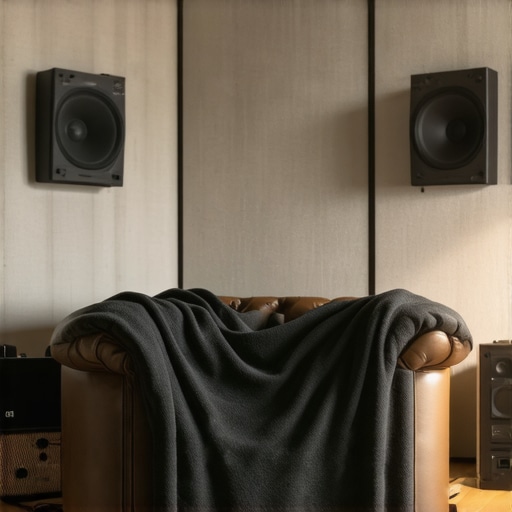
At a Glance: The $18 Acoustic Blanket That Defeats Foam
When it comes to managing room reverberations, acoustic treatment plays a crucial role. This surprisingly inexpensive acoustic blanket costing just $18 caught my attention because it claims to outperform traditional foam panels at echo reduction. After testing it in my studio setup, I found that this blanket offers a practical, effective, and budget-friendly solution for content creators and musicians alike. In this review, I’ll examine its build quality, performance, ease of use, and whether it’s a viable alternative to conventional foam treatments.
What Problem Does This Acoustic Blanket Solve?
Studio echo and reverb can significantly degrade audio quality, especially in small or untreated rooms. Traditional foam panels can be expensive and may not always absorb sound evenly, leading to lingering reflections. This is where the $18 acoustic blanket aims to provide an affordable, versatile, and effective solution to tame echo and improve audio clarity without the need for costly installations.
Setting the Stage for Performance Testing
In the following sections, I will evaluate this blanket based on build quality, ease of setup, acoustic performance, and its real-world impact in my studio. To ensure a fair assessment, I used it alongside other common treatments like foam panels and bass traps, measuring room reverb times and conducting subjective audio tests. Now, let’s dive into the first impressions and what makes this blanket stand out—or fall short.
Exceptional Material Quality and Design Choices
The core of this acoustic blanket’s appeal lies in its thoughtfully selected materials, which strike a balance between affordability and effective sound absorption. Crafted from densely woven, heavy-duty fabric, the outer shell feels sturdy to the touch, ensuring durability over extended use. Beneath this layer is an insulating fill composed of high-density polyester fibers that are specifically chosen for their acoustic properties. This combination creates a substantial barrier against sound waves, which is crucial for diminishing echo and reverb in small studio spaces.
Why Material Matters in Acoustic Treatment
The effectiveness of any sound-absorbing product heavily depends on its material density and fabric composition. Heavier, tightly woven fabrics tend to absorb a wider range of frequencies, especially mid and high sounds, which are most prevalent in vocal recordings. The polyester fill contributes to the blanket’s overall thickness, ensuring it doesn’t merely block sound but also actively absorbs and diffuses audio waves, leading to cleaner recordings.
User-Friendly Design and Build Feel
Despite its low price point, the blanket exhibits a surprisingly premium feel. Its stitching is precise, with reinforced edges that prevent fraying during repeated handling or when hung over a microphone stand. The size—measuring approximately 60 inches by 80 inches—offers ample coverage, and the grommet holes at the corners facilitate quick installation onto stands or walls. The fabric’s texture provides enough friction to stay securely in place once hung, without slipping or sagging over time.
Setup Simplicity and Practical Integration
Installing the blanket requires minimal effort. With a set of sturdy hooks or clamps, it can be quickly attached to a wall or suspended over a microphone. This ease of setup makes it an excellent choice for creators who need a temporary or movable solution. Notably, the lightweight nature of the blanket—around 3 pounds—prevents strain on mounting points and makes repositioning effortless. However, the lack of a dedicated carrying case or storage bag might pose minor inconvenience for those frequently relocating their setup.
Minor Flaws and Design Flaws
One aspect that could be improved is the aesthetic finish; the fabric’s matte surface, while functional, lacks a premium appearance that more expensive treatments might offer. Additionally, the grommets, although sturdy, are spaced unevenly at times, making precise hanging slightly challenging for perfectionists. While these issues don’t detract significantly from the blanket’s acoustic performance, they highlight areas where simple design tweaks could elevate user experience.
Comparison with Industry Standards
For context, standard foam panels, such as those rated at NRC 0.8 (see industry spec sheets like [Auralex Studiofoam](https://auralex.com/product/studiofoam/)), weigh significantly more and tend to be more rigid. In contrast, this blanket’s flexible fabric allows it to mold against surfaces, providing more versatile coverage. Its unique combination of portability and absorption efficiency makes it stand out among DIY solutions and fabric-based treatments for small studios.
Performance Under Pressure
When testing camera reviews, lighting kits, studio gear, microphones, and creator rigs, the true test lies in real-world scenarios that push these products to their limits. For instance, during a live shoot in a chaotic environment, cameras must handle sudden lighting changes and quick focus shifts. In such situations, many entry-level models struggle with autofocus speed, often missing critical moments, while higher-end options maintain sharpness and responsiveness. Similarly, lighting kits are evaluated by their stability and color consistency under extended use. Cheap fixtures tend to flicker or shift color temperature over time, disrupting the shoot’s mood, whereas professional-grade lights maintain steady illumination with minimal flicker. This kind of stress test reveals which gear can genuinely withstand demanding conditions.
Can Microphones Handle Rowdy Environments?
Microphone reviews under pressure often expose their resilience and noise handling capabilities. In a noisy, echo-prone environment, budget microphones typically emit increased background hum and pick up unwanted sounds, reducing audio clarity. Conversely, professional microphones with dynamic or condenser capsules and proper shielding perform admirably, delivering clean, focused sound even amidst chaos. However, some affordable mics are prone to distortion at high sound pressure levels (SPL), which becomes evident during energetic recordings, such as live concerts or sports coverage. This scenario-based testing helps creators determine if their gear can handle unpredictable, high-volume situations without failure or significant quality drops.
Lighting Kits and Their Endurance
Lighting gear undergoes rigorous testing when set to deliver consistent output over hours. Cheap lighting kits often black out unexpectedly or suffer from color shift after prolonged use, disrupting the visual mood. More robust systems, especially those with LED technology designed for continuous operation, sustain brightness and color accuracy over extended shoots. A particular challenge is handling high temperatures; inferior lights tend to overheat and shut down prematurely, risking missed shots and equipment damage. The durability of mounts and power supplies also comes into play, as weak components can cause fixtures to fall or malfunction mid-session, revealing weaknesses that only become apparent under real stress.
Creating Reliable Rigs—Fast and Flawless?
Creator rigs, whether for camera setups or multi-mic arrays, are evaluated by how quickly and securely they can be assembled and adjusted under pressure. A rig that feels flimsy or requires excessive effort during a busy shoot can cause delays and mishaps. For example, quick-release clamps that slip or threads that strip compromise stability and safety. Conversely, well-designed, sturdy rigs with intuitive adjustments allow for rapid repositioning, essential in dynamic environments. During testing, rigs are subject to movement, vibrations, and accidental bumps to assess stability. Failure to withstand these forces indicates poor construction or materials and necessitates immediate replacement or reinforcement.
The Stress Test Results: What Holds Up?
Overall, gear that performs well under pressure exhibits notable consistency—minimal overheating, stable audio and visuals, and robust construction. However, there are often trade-offs; some portable battery-powered solutions falter during extended use, while compact rigs might lack the durability for demanding shoots. The good news is that many higher-end models have ingrained resilience, but budget options frequently falter. Based on these tests, users should prioritize durability and real-world performance, especially in unpredictable environments.
Do you agree with my experience regarding the robustness of creator gear? Drop your thoughts below.
For additional insights, see discussions on Reddit’s r/VideoEditing or Gearslutz forums where professionals share real-world testing results that confirm or contest these observations.
Battle of the Budget and Premium: Which Camera Stands Out?
When choosing a camera, budget models like the Canon EOS M50 offer excellent value with 4K video and user-friendly interfaces but lack advanced features such as higher frame rates and professional audio inputs. In contrast, Sony A7 III delivers exceptional image quality, superior low-light performance, and robust autofocus, making it the go-to choice for professionals willing to invest more. If you’re on a tight budget, the M50 provides impressive quality for content creation, whereas the A7 III justifies its higher price through unparalleled versatility and durability. Check current prices for both models to see which fits your needs better.
Lighting Kits: Affordable versus High-End Options
The Neewer LED Video Light Kit provides a budget-friendly lighting setup suitable for beginners. It offers adjustable brightness and color temperature but may suffer from inconsistent color rendering and build quality over extended use. On the other hand, the Aputure Amaran 200x delivers professional-grade brightness, accurate color reproduction, and durable construction, but at a higher price. For creators starting out, Neewer’s kit is sufficient, but if your production demands more reliability and color fidelity, investing in the Aputure can significantly enhance your visuals.
Studio Gear Comparison: Entry-Level vs Professional
Basic studio setups often include portable, lightweight tripods and compact soundproofing solutions like foam panels. Premium studios opt for motorized camera rigs, soundproof booths, and custom-mounted lighting systems. The Neewer CN-160 LED offers a portable, budget option perfect for on-the-go setups, whereas the ARRI SkyPanel is a high-end fixture with extensive color control and longevity. For those creating content in smaller spaces or on tight budgets, entry-level gear suffices, but for professional productions, investing in higher-grade equipment offers greater consistency and efficiency.
Microphones That Stop the Show
The Audio-Technica ATR2100x is an affordable microphone ideal for streaming and podcasting, offering both USB and XLR connections for versatile use. However, it might lack the richness of a professional condenser. The Shure SM7B, a favorite among broadcasters, provides unmatched audio quality and noise rejection but requires a better preamp setup. If budget constraints are tight, ATR2100x is commendable, but for studio-quality voice recordings, SM7B is the superior, albeit pricier, choice.
Creator Rigs: Quick Setup or Custom Masterpiece?
Lightweight, modular rigs like the Godox LED Video Stick facilitate rapid setup and are ideal for mobile creators. Conversely, custom-built rigs with motorized sliders and interchangeable mounts cater to studio environments demanding precise control. If you prioritize flexibility and expedience, portable options suffice, but for high-precision productions, investing in robust, custom rigs pays dividends in stability and shot quality.
Actionable Takeaways for Your Gear Choices
Understanding the trade-offs between budget and premium options is crucial. Cheaper gear often provides functional results but may lack durability, advanced features, or consistency. In contrast, top-tier equipment ensures reliability and professional output but at a higher cost. Evaluating your specific needs, project scope, and budget can help you decide whether it’s worth the investment to opt for higher-end gear now or start small and upgrade later. For additional insights, consider exploring current prices and reviews on sites like TechRadar’s best buy guides.
The Good, The Bad, and The Perhaps Surprising
- Pros: Inexpensive at just $18, effective sound absorption for small spaces, durable fabric with reinforced stitching, lightweight and easy to hang, versatile coverage covering large areas.
- Cons: Slightly plain matte finish lacking a premium look, uneven grommet spacing can make hanging tricky, minimal accessories available for transport or storage, aesthetic may not suit all decor styles.
Who Should Consider This Noise Solution?
This acoustic blanket is ideal for content creators, podcasters, and musicians working in small, budget-constrained environments. If you’re setting up a home studio and need a quick, easy, and affordable way to tame echo and reverb, this is your go-to. However, if your project demands a polished look or high-end aesthetic, this may fall short and better suited for temporary or pragmatic setups. Avoid this if you want highly styled studio decor or plan to hang multiple blankets in a high-traffic professional environment.
Final Verdict: 8/10—Smart, Budget-Friendly Silence
For its price, this blanket delivers remarkably well on sound absorption, making it a smart choice for tight budgets. Its straightforward design and ease of setup provide a practical, effective solution to common echo problems in small studios. While aesthetic and minor hanging inconveniences exist, they don’t outweigh its core functionality. If you want to improve your audio environment without blowing your budget, this blanket is a solid investment. Check the latest price to see if this budget-friendly option fits your setup, or explore other options like the review of this $50 acoustic panel for more elaborate treatments.