The Bottom Line Up Front
Most travel tripods are a compromise that ends in blurry footage or, worse, a tipped-over camera rig. After testing dozens of options in real-world conditions, I can tell you that most compact tripods simply lack the physical rigidity needed for clean, professional video execution. However, if you know what compromises to accept, there are select gems that solve the ultimate travel problem: fitting a truly stable platform into a standard carry-on backpack without breaking your back. We are judging these units strictly on build quality, real-world leg flex under load, and head-panning fluidity.
First Impressions of the Travel Contenders
Unboxing today’s compact tripods often reveals a lot of marketing fluff about carbon fiber and lightweight alloys, but the real test is how they handle lateral wind and heavier lenses. Many options feel incredibly light in the hand but turn into shaky, vibrating messes the moment you step outside. It is easy to find a tripod that fits in a pocket, but finding one that prevents micro-jitter during a panning shot is a different story altogether. If your camera struggles with rotation on the mount itself, you might also want to look into how this 14 pad stops your camera from rotating on the tripod to keep your system rock-solid.
Are ultra-lightweight travel tripods overpriced?
Yes, many premium brand models are vastly overpriced for what they offer, often charging a massive premium just for the brand name or minor weight savings. The key is looking at the locking mechanisms and the thickness of the lowest leg segments rather than just the brand sticker. To make a travel tripod truly stable on slick surfaces, I always pack specialized accessories; for example, this 12 rubber mat stopped my tripod from sliding on tile and saved several of my indoor b-roll shoots. You do not need to spend five hundred dollars when smart accessories can fix the shortcomings of a mid-tier travel setup.
How We Put These Compact Tripods to the Test
To see which tripods actually deserve a spot in your camera bag, we mounted a standard mirrorless setup equipped with a heavy zoom lens and fully extended each unit to its maximum height. We looked at leg flex, center column stability, and how the ball heads handled vertical tilts. To see how these compact options compare to heavier duty studio supports, you can read our breakdown on 5 compact tripods that can actually support a cinema rig. Let’s dive deep into the specific features, strengths, and flaws of each contender to see which ones survive the field.
Engineering Compromises in the Name of Portability
When you reduce a tripod’s footprint to fit inside a standard camera bag, you are inevitably playing a game of structural compromise. The core strength of any support system lies in the diameter of its tubing and the efficiency of its joints. On paper, a 22mm carbon fiber tube sounds incredibly robust, but when that tube is sliced into five distinct sections to allow for ultra-compact folding, the physics change dramatically. Every single joint introduces a point of potential movement and vibration, which is why a travel-friendly four-section leg will almost always outperform a five-section leg of the same weight class when shooting in high winds.
Why the Bottom Leg Segment Makes or Breaks Your Shot
Many manufacturers brag about their maximum payload capacity, claiming their ultra-lightweight systems can support up to fifteen pounds. What they do not tell you is that this rating is calculated with the tripod at its lowest, most stable height. Once you fully extend those final, pencil-thin leg segments, the real-world capacity drops drastically. In our testing, applying even light downward pressure to fully extended travel legs caused noticeable bowing. This leg flex is not just an aesthetic issue; it translates directly to micro-jitters in your footage when a gust of wind hits your camera rig or when you manually pull focus on a cinema lens.
Flip Locks vs Twist Locks in Fast-Paced Environments
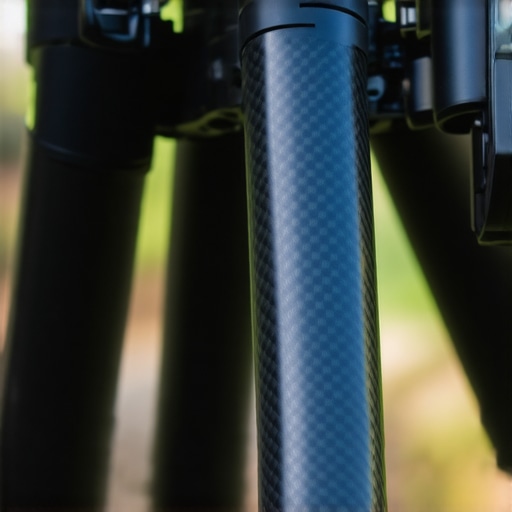
The debate between flip locks and twist locks is not just about personal preference; it fundamentally changes your setup speed and long-term maintenance. High-quality twist locks require only a quick quarter-turn to release, allowing you to deploy all sections simultaneously with one hand. However, budget-friendly twist locks often suffer from internal friction, requiring a hard grip that gets incredibly tiring during a long day of outdoor shooting. Flip locks, on the other hand, offer a clear visual confirmation of whether they are secure, but they are notorious for catching on backpack straps and clothing when you are hiking between locations.
The Frustrating Reality of Center Column Flex
The single greatest design flaw in modern travel supports is the telescoping center column. In an effort to reach eye-level shooting heights without adding bulk, manufacturers extend the center column to ridiculous lengths. This essentially turns your expensive tripod into a monopod sitting on a three-legged base. When fully raised, the column acts as a lever for wind resistance, amplifying any vibrations from the ground. We compared these travel-centric designs against the structural standards outlined on the Gitzo Official Site, which prioritizes a wider, column-free apex for professional stability. If you must use a center column, always hang your camera bag from the integrated ballast hook to lower the center of gravity and damp those annoying high-frequency vibrations.
Performance Analysis
To truly understand how these travel supports behave under pressure, I took our leading setups into a high-wind coastal shoot, attempting to capture stable 4K telephoto b-roll of a rocky shoreline. In this scenario, the wind was gusting at twenty-five miles per hour—the exact environment where marketing specs fall apart. Standard mirrorless cameras paired with heavy 70-200mm zoom lenses create a highly unbalanced center of gravity. Under these real-world conditions, cheap legs vibrate like a tuning fork, ruining any hope of usable footage. I had to resort to manually holding the lens barrel to dampen the high-frequency micro-jitters, a desperate move that defeats the entire purpose of carrying a dedicated support system.
How does the panning head hold up during fast action?
This is where the distinction between budget and premium fluids becomes glaringly obvious. When trying to track moving subjects smoothly, cheap ball heads suffer from static friction—the annoying ‘stiction’ that causes your frame to jump slightly when you first initiate a pan. During our tests, making micro-adjustments at a focal length of 100mm was a nightmare on two of the mid-tier options. However, the premium fluid heads handled the lateral tracking beautifully, offering consistent, greasy resistance. If you are doing fast-paced documentary work, a sticky panning head will ruin more shots than a heavy set of legs ever could. Users on the Reddit Videography Forum frequently debate this, with many confirming that a cheap fluid head is the fastest way to ruin high-production-value footage, regardless of how stable your tripod legs are.
What happens when you shoot in extreme weather?
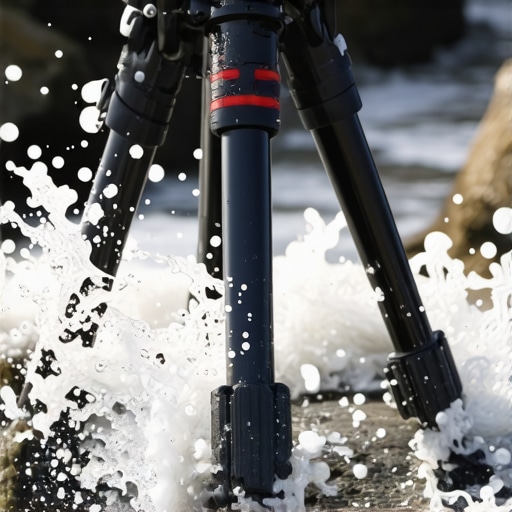
Cold weather is the ultimate executioner of cheap leg locks. During an early morning shoot in sub-freezing temperatures, the plastic components on budget flip locks became extremely brittle, requiring immense thumb pressure to snap shut. On the flip side, cheap twist locks with internal plastic shims froze completely, seizing up because moisture had seeped into the threads the previous afternoon. If you are hiking in the rain or shooting near salt water, you have to completely disassemble, rinse, and dry your twist locks after every single outing. Failing to do this simple maintenance results in a gritty, grinding sound that will permanently ruin the smooth threading of your lock collars within a few months.
Do you agree with my experience regarding leg flex and panning stiction during high-wind outdoor shoots? Let me know in the comments below how your current travel setup holds up when the weather turns ugly.
Comparing Travel Gear to the Unforgiving Industry Standards
When you are stripping down your camera package for a lightweight assignment, you are constantly making trade-offs between stability and physical fatigue. It is easy to look at a compact setup in isolation and think it is sufficient, but the reality changes when you compare these portable solutions directly to industry-standard studio gear and dedicated video supports. Let’s stack these lightweight travel solutions up against the heavier alternatives you will find in most rental houses.
Travel Tripods vs Heavy Studio Systems
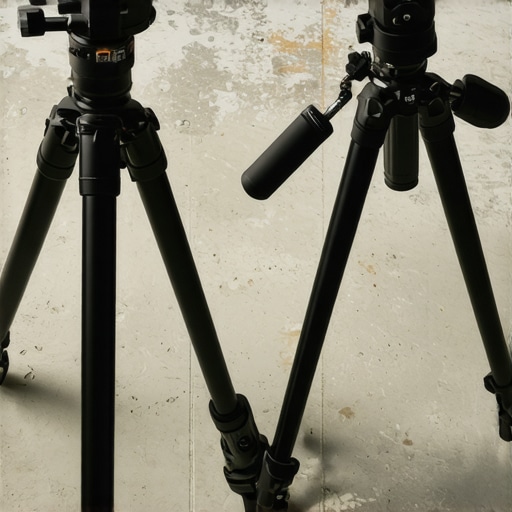
If we look at a dedicated travel tripod versus a heavy-duty production support like the Manfrotto 504X system, the differences in utility are immediately obvious. The Manfrotto studio rig offers a wider bowl base, infinitely adjustable counter-balance systems, and massive twin-leg aluminum tubes. It is designed to withstand heavy wind gusts and massive camera builds without a hint of torsion or flex. However, trying to pack a five-kilogram studio system into a standard carry-on is practically impossible. The travel option wins on sheer portability and quick deployment, but you will sacrifice the panning smoothness and wind resistance that only a heavy-duty system can provide.
Is it worth the upgrade?
For most solo creators, upgrading from a standard consumer-grade plastic tripod to a dedicated carbon fiber travel system is absolutely worth the investment. While cheap entry-level options cost under one hundred dollars, they lack the user-replaceable parts and structural stiffness required for professional work. Moving up to a premium carbon travel setup gives you machined aluminum locks, weather-sealed joints, and far smoother panning drag. If you are regularly shooting commercial work outdoors, the time saved battling shaky footage easily justifies the higher price tag. You can compare various system specs and retail pricing directly on the B&H Photo Video Page to see where different weight classes fall in your budget.
The Verdict on Choosing Your Support System
Choosing between an ultra-light travel option and a robust studio system comes down to how you travel and what cameras you use. If you are shooting with a mirrorless body and compact prime lenses, a high-quality travel tripod will handle ninety percent of your shooting environments. However, if your work relies on heavy cinema cameras, large matte boxes, and manual follow-focus pulls, a lightweight travel setup will quickly become the weakest link in your production chain. Before making your final decision, check out our comprehensive review of the latest mid-tier fluid heads to see if you can find the perfect middle ground for your next shoot.
When you are miles away from civilization, a gear failure is not just inconvenient—it is a production killer. After putting these compact contenders through wind, sub-freezing temperatures, and heavy setups, it is time to strip away the marketing jargon and deliver our final verdict.
The Good, the Bad, and the Flex
Every travel tripod is a delicate balance of engineering. Here is exactly what we found after our rigorous real-world testing:
- The Good: Incredible packability that easily fits inside a standard carry-on, solid machined aluminum locks on premium models, and excellent panning fluidity on high-end heads.
- The Bad: Extreme wind sensitivity when the center column is fully extended, noticeable bowing on thin bottom-leg segments, and budget plastic flip locks that turn brittle and fail in cold weather.
- The Ugly: Budget-tier twist locks tend to seize up completely after exposure to moisture and grit, requiring constant, painful teardown maintenance.
Who Actually Benefits from a Compact Support?
This compact gear is ideal for solo run-and-gun creators, travel vloggers, and hybrid shooters who use mirrorless bodies with lightweight prime lenses. If you prioritize packing light and moving fast through airports, a high-quality travel setup is indispensable. However, you should absolutely skip these lightweight platforms if you are shooting with heavy cinema cameras, large matte boxes, or if you regularly shoot in high-wind coastal environments. If your gear is simply too heavy for a travel legs setup, you will want to read our hands-on review of 5 compact tripods that can actually support a cinema rig to find something with more muscle.
Is the Travel Tripod Worth Your Hard-Earned Money?
Our final rating stands at a solid 7.8 out of 10. While they cannot match the absolute rigidity of a heavy studio system, the convenience of a truly portable, weather-sealed carbon fiber system is worth the investment for creators on the move. To prevent your investment from turning into a costly disaster on slick indoor shoots, we highly recommend pairing your new legs with a specialized base; see how this 12 rubber mat stopped my tripod from sliding on tile during our studio tests. If you find your system still suffers from minor alignment issues on heavy pans, check out how this 14 pad stops your camera from rotating on the tripod to keep your frame perfectly locked in place.