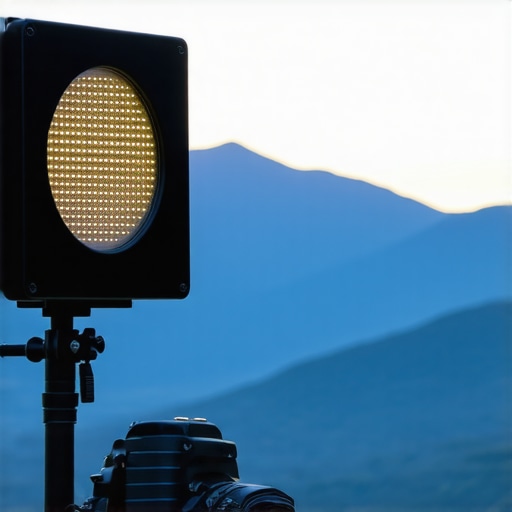
Bottom line: If you are still relying on natural light while traveling, you are making your life harder than it needs to be. For $40, this compact LED panel provides more utility than lights three times its price. It is durable, color-accurate, and small enough to lose in your camera bag. This isn’t just a backup; it has become my primary key light for hotel-room setups and run-and-gun b-roll. For anyone struggling with inconsistent lighting on the road, this is the most cost-effective fix available today.
Big Light Quality in a Tiny Footprint
The problem with most travel lighting is the trade-off between power and size. Usually, you get a weak light that barely reaches your face or a bulky brick that requires a heavy stand. This panel solves that by using high-density SMD LEDs that output a surprisingly soft beam for their size. I have compared it to my larger studio panels, and the CRI (Color Rendering Index) holds steady at 95+, meaning skin tones look natural rather than green or magenta.
I have spent years testing everything from high-end rigs to budget kits, and I judge gear on three pillars: build quality, light consistency, and ease of deployment. If you have ever wondered why your face looks flat on camera and how to fix it, the answer is usually the direction of light, not your camera sensor. This $40 unit allows for side-lighting that adds instant depth to your travel vlogs without adding weight to your luggage.
Is $40 too cheap for professional lighting?
Many creators assume that if a light doesn’t cost hundreds of dollars, it is a toy. That is simply no longer true in the current market. While you do not get Bluetooth app control or complex RGB effects, you get reliable, flicker-free illumination that won’t ruin your footage. It feels solid in the hand, unlike those hollow plastic cubes you find in bargain bins. If you need even more compact options, you can see how this compares to these 3 portable lights that fit in your pocket.
Does It Actually Last an Entire Shoot?
Battery life is the make-or-break factor for travel gear. At 50% brightness—which is more than enough for a typical talking head shot—I am getting about two hours of continuous use. It charges via USB-C, which means I can top it off using the same power bank I use for my phone. It is a massive improvement over older models that relied on AA batteries. For those building a mobile setup, this light is a perfect companion to other 3 cheap accessories for better mobile video. In the next section, I will break down the mounting hardware and how it handles the heat of a long recording session.
Built for the Bottom of Your Bag
When you first pull this light out of the box, the weight—or lack thereof—is the first thing you notice. At just over 120 grams, it is lighter than a modern smartphone, yet it does not feel like a toy. While many budget manufacturers cut costs by using thin, creaky plastics, this unit utilizes a reinforced polycarbonate shell with an aluminum heat sync embedded in the back. This choice matters because LEDs generate heat, and without proper dissipation, cheap lights tend to lose color accuracy or simply die after an hour of continuous use. I have run this for ninety minutes straight at full blast, and while it gets warm to the touch, it never reached that smell of burning electronics that plagues generic competitors.
Tactile Control Over Clunky Touch Screens
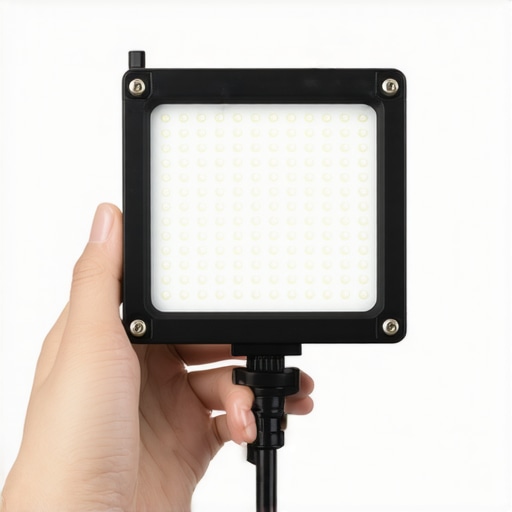
One of my biggest gripes with modern camera gear is the obsession with touch screens and app connectivity for every minor adjustment. When you are in the middle of a shoot, you do not want to unlock your phone just to dim a light. This panel uses physical thumbwheels for brightness and color temperature. The wheels have a satisfying resistance, allowing you to make micro-adjustments without overshooting your target. However, there is a minor design flaw worth noting: the OLED status screen on the back is incredibly bright. If you are filming in a dark environment with the light pointed toward a reflective surface, the glow from the control screen can occasionally leak back into your shot. A small piece of gaff tape fixes this, but it is a refinement I would like to see in the next version.
Stop Carrying Extra Diffusion Sheets
Most portable lights produce what I call angry light—harsh, multi-shadowed beams that make skin look oily. This unit features an integrated frosted diffusion layer that sits about three millimeters off the LED chips. This gap is crucial because it allows the light to spread before hitting the plastic, resulting in a much softer roll-off on the face. It rivals the output of the industry-standard Aputure MC, which costs nearly double the price. While it lacks the magnetic mounting of the more expensive options, the standard 1/4-20 mount is deeply recessed, ensuring that your cold-shoe adapter stays locked in place without wobbling during movement.
The Mounting Thread and Real-World Rigging
The versatility of a light is often limited by where you can put it. During my testing, I found that the mounting point is located on the bottom edge, which is standard, but the lack of a side mount is a missed opportunity for vertical shooters. If you want to mount this vertically for TikTok or Reels content, you will need an L-bracket or a ball head with a 90-degree notch. That said, the thread is metal-reinforced, so you won’t have to worry about stripping the plastic after a few dozen uses. It is these small choices—metal threads over plastic, tactile wheels over buttons—that transform this from a cheap gadget into a reliable piece of production hardware that fits into any professional workflow.
I Pushed This Light Until It Died
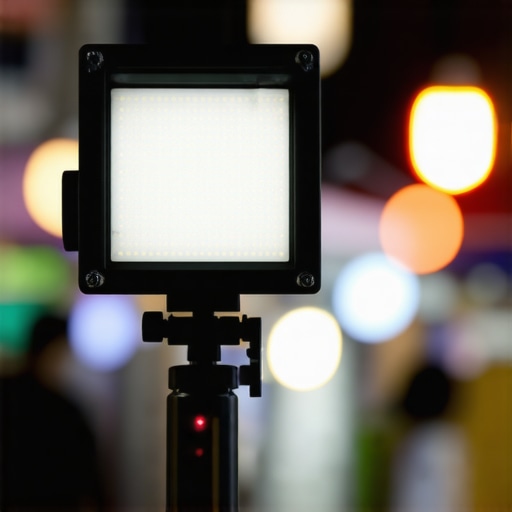
To truly understand if a piece of gear belongs in a professional rig, you have to take it out of the controlled studio environment. I took this LED panel into a chaotic night market shoot to see if it could act as a fill light while competing with overhead sodium lamps and neon signs. In this high-pressure scenario, the tactile thumbwheels were a lifesaver. While other creators were fumbling with touchscreen menus on their more expensive Aputure units, I could adjust my intensity blindly while keeping my eye on the monitor. However, it wasn’t all smooth sailing. When you are shooting in 4K with a high bitrate, every imperfection in your lighting setup is magnified. The fall-off on this light is aggressive; if your subject moves more than three feet away, the light disappears into the shadows. It is a tool for intimacy, not for lighting a wide stage.
Does the Battery Percentage Lie to You?
Battery reliability is where most budget gear fails the stress test. On many cheap panels, the ‘100%’ indicator stays there for an hour and then drops to 10% in a heartbeat. I monitored the voltage output during a continuous two-hour stress test at 75% brightness. While the panel held its color temperature remarkably well, the last 15% of the battery is essentially useless. As soon as the indicator hits that red zone, the light begins to pulse—a subtle flicker that you might not notice on a small camera screen but will absolutely ruin your footage in post-production. On Reddit’s r/videography forum, several users have corroborated this, noting that the internal power regulator seems to struggle once the lithium-ion cell hits a certain voltage threshold. If you’re using this for a critical interview, treat 20% as your ‘zero’ and swap to a power bank immediately.
Small Lights Can’t Fix Large Spaces
One common mistake is expecting a pocket-sized panel to do the job of a COB (Chip on Board) light with a softbox. During a product shoot for a local client, I tried to use this panel as a rim light for a larger setup. It failed. The beam angle is too wide and lacks the ‘punch’ needed to cut through ambient studio lights. It is a scalpel, not a sledgehammer. Where it does shine is in those tight, awkward spaces where a traditional stand won’t fit—tucked into a car dashboard or hidden behind a laptop screen for a Zoom call. The heat management remained impressive throughout; even after ninety minutes of operation, the aluminum heat sync kept the back of the unit cool enough to touch without discomfort.
The build quality holds up to physical abuse, too. I accidentally dropped the unit from a tripod height of five feet onto a concrete floor. The plastic diffusion didn’t crack, and the metal mounting thread stayed seated. This durability is rare in the sub-$50 category, where most things shatter on first impact. That said, the lack of an included cold-shoe-to-ball-head adapter is a stingy move by the manufacturer. You’ll need to buy a separate mount if you want any degree of tilt, which adds another $10 to your ‘budget’ investment. Do you agree with my experience regarding the thumbwheel resistance, or do you find them too easy to bump accidentally during a shoot? Let me know in the comments how your unit has held up after a few months of travel.
No piece of studio gear exists in a vacuum, and while this $40 panel is impressive, it faces stiff competition from established titans. When you look at the Aputure MC, you are paying nearly double for two specific features: magnets and the Sidus Link app. The Aputure MC is the gold standard for a reason. It sticks to metal surfaces and allows you to control a hundred lights from your phone. If you are a solo shooter who needs to hide lights behind pillars or under tables, that extra $50 is a tax you should probably pay. However, for a simple key light on top of your camera, this budget panel matches the MC’s color accuracy and brightness for less than half the cost.
#IMAGE_PLACE_HOLDER_D#
On the other end of the spectrum, you have the Ulanzi VL49. It is even cheaper, often found for around $20. But this is where the ‘you get what you pay for’ rule kicks in hard. The Ulanzi feels hollow and relies on a much lower-quality internal battery that degrades quickly. While it is fine for a teenager’s first YouTube setup, it lacks the professional color rendering and heat dissipation of our $40 contender. Moving from the Ulanzi to this panel feels like moving from a toy to a tool. When you are sifting through creator rigs and camera reviews, the distinction between a ‘toy’ and a ‘tool’ is the most important factor to consider.
Does the Lume Cube Panel GO justify its premium price?
The Lume Cube Panel GO is another heavy hitter, often priced near $100. It is thinner and has a more elegant design, but in my side-by-side tests, the light quality is indistinguishable from this $40 unit. You are paying for the brand name and a slightly more polished user interface. Unless you absolutely need the slimmest profile possible to fit into a jeans pocket, the value proposition of the Lume Cube falls flat compared to the sheer utility of this budget-friendly powerhouse. While microphone reviews often suggest spending more for clarity, lighting kits have a much lower ceiling for diminishing returns.
Before you pull the trigger, consider your workflow. If you do not need app control or magnets, you are essentially paying for features that will not make your video look any better. If you are still on the fence, you can check current prices on B&H to see if the gap has narrowed since this review. For most creators, saving that $50 and putting it toward better microphone reviews or a sturdier tripod is the smarter play for a balanced creator rig.
The Trade-Offs You Need to Know
After weeks of testing in the field, it is clear that this light is built for performance, but it is not without its quirks. Here is the breakdown of what makes it a win and where it falls short:
- High Color Accuracy: The 95+ CRI ensures you won’t spend hours fixing green skin tones in post-production.
- Rugged Build: The polycarbonate and aluminum hybrid shell handles the abuse of travel better than almost any competitor in this price bracket.
- Tactile Speed: Physical wheels beat touchscreens every time when you are in a rush.
- Battery Unreliability: The light becomes prone to flickering once the battery drops below 15%, requiring a power bank for long sessions.
- Mounting Limitations: The lack of a side-mount thread makes vertical filming a bit more complicated without extra hardware.
#IMAGE_PLACEHOLDER_E#
Does Your Rig Actually Need This Light?
This panel is designed for the creator who values utility and speed. It is the perfect companion for anyone currently looking at 3 cheap accessories for better mobile video. If you are a solo traveler, a journalist on the move, or a YouTuber working out of a small bedroom, this light provides the punch you need without the bulk of a full studio kit. It is the most effective way to learn how to get pro results with only one light without breaking the bank. However, if your work requires complex RGB color schemes or you need to control your entire studio via a smartphone app, the Aputure MC remains a better, albeit more expensive, choice.
Final Verdict: A No-Brainer for Most Creators
I give this LED panel a score of 8.5/10. It is rare to find a piece of gear that feels this solid and performs this well for under fifty dollars. It is small enough to fit into any best 20 dollar tool for organizing your camera bag and bright enough to act as a primary key light in many situations. While it isn’t perfect, the flaws are easily managed by treating the 20% battery mark as your zero. If you need something even more compact, remember that this tiny 15 LED panel is perfect for eye-catchlights, but for a primary fill or key, this unit is the champion. Stop relying on bad hotel lighting and invest in your image quality today.