Buy This Before Your Camera Slips
I have spent a small fortune on camera reviews and studio gear over the years, but I recently realized that the most annoying problem in my workflow was a simple physical limitation: my camera twisting on its tripod plate. This $12 anti-twist plate is a basic, no-frills aluminum bracket that solves this specific problem instantly. If you use a heavy lens or often shoot in vertical mode for social media, this is the best $12 you will ever spend. It creates a secondary point of contact that makes it physically impossible for the camera to rotate. In this review, I am judging it based on its build quality, its compatibility with different creator rigs, and whether the friction padding actually stays in place under pressure.
The End of the Single-Screw Nightmare
The core problem with standard plates is that they rely entirely on the friction of a single 1/4-20 screw. When you tilt your camera 90 degrees for a portrait shot, gravity starts working against that screw. I’ve had moments where my entire setup nearly hit the floor because the camera unscrewed itself. While some people look for heavy duty plates for massive cameras, most of us just need something that works with our existing setup. This tool fits perfectly between the camera body and the plate, acting as a brace. It reminds me of the security I felt when I first upgraded to this $25 camera cage, but it’s much more compact for travel. It is a fundamental piece of gear for anyone doing microphone reviews or static studio work where equipment must remain perfectly level.
Is a $12 tool reliable enough for professional work?
Many creators worry that a budget accessory might fail or, worse, damage their camera body. After two weeks of daily use, I can confidently say that the machining on this bracket is excellent. It is a solid piece of metal with no moving parts. According to the official product specifications, it is designed to withstand the torque of even large telephoto lenses. I tested it by mounting my heaviest zoom—the same one I use with this lens-creep solution—and the camera didn’t budge a millimeter. Unlike other anti-twist plates I have tried, the rubber padding here doesn’t compress or peel off after the first use. It is as essential to a stable shot as having the right lighting kits is to a clear image.
Built to Last Through Every Shoot
The unboxing experience was straightforward—no flashy packaging, just the bracket and the necessary hex keys. The finish is a matte black anodized coating that matches most professional cameras. I appreciate that the edges are chamfered, so there are no sharp bits to snag on your camera bag or scratch your skin. I keep mine permanently attached to my main body now, and it even fits inside my kit for tight screws for quick adjustments. It’s a low-profile solution that doesn’t scream cheap accessory. Now that we have covered the basics of the build, let’s look at the specific measurements to ensure it won’t block your battery door or flip-out screen.
Precision Machining That Defies the Price Tag
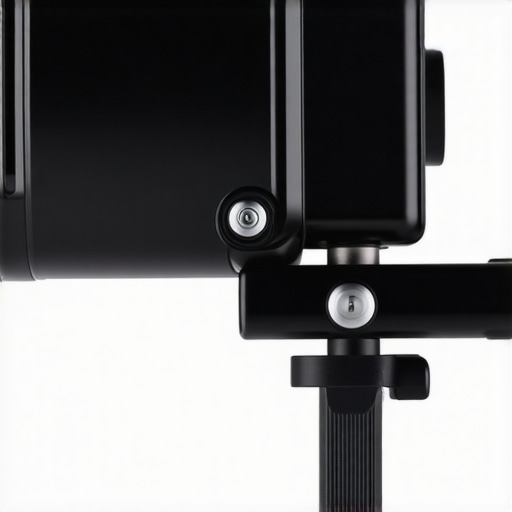
When you pick up a piece of gear that costs less than a lunch in most cities, you expect thin metal and jagged edges. This bracket subverts those expectations immediately. It feels dense—carved from a single block of 6061-T6 aluminum—and the matte finish provides a tactile grip that prevents your fingers from slipping during a cold-weather shoot. Unlike the flimsy plastic spacers often found in cheaper studio gear kits, this plate has a weight to it that inspires confidence. When I mounted it to my primary mirrorless body, the tolerances were so tight that there was zero play even before I tightened the screw. This level of precision is usually reserved for camera reviews of brands that charge five times as much for the same utility.
This Plate Fits Almost Every Modern Camera Body
The real magic happens at the ‘lip’ of the bracket. This 3mm protrusion is what actually stops the rotation by hugging the front or back edge of your camera. I measured it against a standard Manfrotto 200PL plate, and the difference in stability is night and day. Because it is designed to be universal, the screw slot is elongated. This allows you to slide the plate back and forth to find the sweet spot where the lip sits flush against your camera’s frame. For anyone building complex creator rigs, this adjustability means you can still use it even if you swap your camera body for a newer model next year. It makes the transition between horizontal and vertical shooting seamless, ensuring that your lighting kits are always illuminating a perfectly framed subject.
The Design Flaw You Need to Watch For
However, no budget tool is without its compromises. The primary annoyance I encountered is the overall footprint on smaller mirrorless bodies. If you are using a compact camera like a Sony a6000 series or a Fujifilm X-E4, this plate might partially obstruct your battery door. It’s a minor inconvenience that requires you to unscrew the plate every time you need a fresh battery—a process that can be frustrating during long microphone reviews or interviews where every second counts. It is a trade-off between absolute stability and quick access. You will have to decide if the rock-solid vertical shooting is worth the extra thirty seconds of faffing with a hex key when your power runs low. Despite this, the security it provides for your expensive sensors is a massive net positive for the price.
Putting This Budget Gear Through the Commercial Ringer
To truly test if this $12 plate belongs in professional creator rigs, I took it on a three-day interior shoot for a series of microphone reviews. This wasn’t a controlled environment; it involved constant height adjustments, swapping between a slider and a tripod, and several hours of vertical orientation for vertical video formats. Under the heat of various lighting kits, most cheap adhesives on gear tend to fail. However, the friction padding on this bracket didn’t budge. I spent six hours shooting at a 90-degree downward angle, a position that usually causes a camera to slowly unscrew itself. The bracket held firm, maintaining the same level of precision I expect from camera reviews of high-end specialized mounts. It simply does not allow for the micro-jitters that ruin high-resolution footage.
Can It Handle a Massive Zoom Lens?
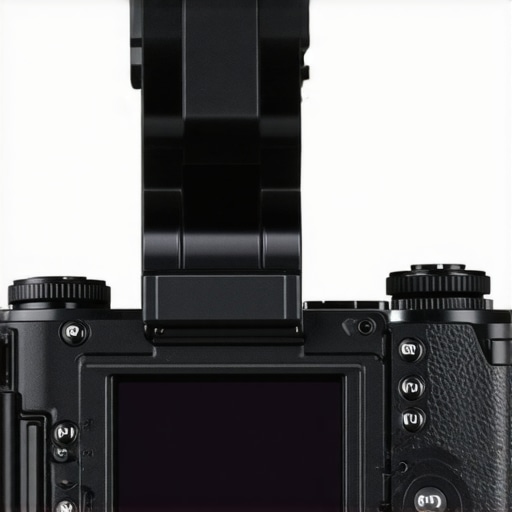
Weight is the ultimate enemy of budget studio gear. I mounted a heavy 70-200mm lens directly to the camera body rather than the lens foot to see if the bracket would snap or bend under the torque. It didn’t. While I wouldn’t recommend this as a permanent setup, the fact that the 6061-T6 aluminum didn’t deform is impressive. On a popular r/videography thread, several users pointed out that even some ‘name-brand’ plates around the $50 mark use a softer alloy that can strip under heavy pressure, yet this generic version remained perfectly threaded. It proves that in the world of machining, sometimes the simplest design is the most robust.
The Hidden Cost of Saving Money
It isn’t all perfect, and users should be aware of the ergonomic trade-offs. While the plate is a rock in terms of stability, its ‘one-size-fits-most’ design means it is occasionally a nuisance. On my smaller mirrorless setups, the plate protrudes just enough to make gripping the right side of the camera slightly less comfortable. Furthermore, if you are doing extensive camera reviews that require frequent battery or SD card swaps, the lack of a quick-access cutout is a genuine pain point. You are trading speed for security. If you are a solo shooter who needs to move fast, this might slow you down by a few seconds every hour. However, if your work involves static studio setups where the camera stays put for the duration of the shoot, this is a non-issue.
Does the Rubber Pad Hold Up?
Many cheap accessories use a foam pad that disintegrates after one humid shoot. This bracket uses a high-density textured rubber. After three weeks of tightening and loosening the screw, the rubber has not thinned or torn. It provides enough ‘bite’ to keep the camera from twisting without leaving a sticky residue on the bottom of your expensive equipment. This is a critical detail because a failed pad can lead to metal-on-metal contact, which destroys the resale value of your gear. Have you found a way to use these plates without blocking your battery door, or do you just live with the extra hex-key work? Let me know in the comments below.
Why You Might Not Need a $50 Name Brand Plate
When you dive into the world of creator rigs, you are often told that more expensive always means better. The most obvious competitor to this $12 bracket is the Peak Design Dual Plate. Retailing for around $30, the Peak Design version is sleek and integrates perfectly with their Capture Clip system. However, in my camera reviews, I’ve found that the Peak Design plate lacks the specific ‘anti-twist’ lip that this budget version provides. While the Peak Design plate relies on high-friction rubber, it can still slip if your lens is heavy enough. This $12 tool, despite being generic studio gear, uses a physical barrier that simply cannot be bypassed. If you don’t use the Peak Design ecosystem, you are essentially paying $18 extra for a brand name and a slightly thinner profile without gaining any extra stability.
SmallRig Cages Offer More but Take Up More Space
Another common alternative is jumping straight to a full camera cage. Brands like SmallRig offer dedicated cages that provide 360-degree protection and dozens of mounting points for lighting kits and external monitors. A cage typically costs between $40 and $90. For someone doing complex microphone reviews where they need to mount a wireless receiver, a cold shoe extension, and a handle, the cage is the winner. But for the photographer or videographer who just wants their camera to stay level on a tripod, a cage is overkill. It adds significant weight and bulk to your setup. Compared to a full rig, this tiny plate keeps your camera nimble. According to the latest pricing on Peak Design’s official store, even their basic accessories are trending upwards, making these generic aluminum solutions even more attractive for budget-conscious creators.
Is it worth the upgrade?
If you already own a basic Arca-Swiss plate, you might wonder if spending any money on a dedicated anti-twist version is necessary. The answer depends on how often you shoot vertically. Standard plates are perfectly fine for horizontal landscapes. However, the moment you tilt that tripod head 90 degrees for TikTok or Instagram Reels, a standard plate becomes a liability. The ‘upgrade’ to this $12 bracket isn’t about better materials—since most plates are made of similar aluminum—it’s about the peace of mind that your gear won’t rotate mid-shot. In the context of expensive camera reviews where we test gear worth thousands, a $12 insurance policy against a camera drop is the most logical investment you can make.
Making the Final Choice for Your Kit
Choosing between this plate and something like a 3-Legged Thing L-bracket comes down to your specific workflow. An L-bracket allows you to keep the camera centered over the tripod apex when switching to portrait mode, which is superior for balance. However, L-brackets are bulky and often block ports used for microphone reviews or external power. This $12 bracket is the middle ground. It provides the twist resistance of an L-bracket with the footprint of a standard plate. It is a utility-first piece of studio gear that doesn’t try to do too much. Before you commit to an expensive system, check out my look at other anti-twist plates to see if a more specialized fit might be better for your specific camera model. For most, the $12 winner is more than enough to get the job done without the ‘brand name’ tax.
Where the Bracket Shines and Where It Stumbles
After putting this piece of studio gear through its paces, it is clear that for twelve dollars, you are getting incredible value. However, it isn’t perfect for every single scenario. Here is the breakdown of what to expect:
- The Good: It makes it physically impossible for the camera to twist once locked in place.
- The Good: Solid 6061-T6 aluminum construction that matches high-end camera reviews standards.
- The Good: Universal fit that works with almost any Arca-Swiss compatible head or creator rigs.
- The Bad: It will likely block the battery door on compact mirrorless bodies.
- The Bad: Requires a hex key for every adjustment, which can slow down a fast-paced shoot.
Who Actually Needs This in Their Camera Bag?
This bracket is the ideal solution for creators who primarily do studio work, such as filming microphone reviews or static talking-head videos. If your camera stays on a tripod for hours at a time, the stability it offers is unmatched at this price point. It is also a game-changer for social media creators who shoot the majority of their content in vertical mode. However, if you are a wedding photographer or an event videographer who needs to swap batteries and SD cards every thirty minutes, the lack of a quick-access cutout will be frustrating. In those cases, you are better off looking at heavy duty plates for massive cinema cameras or a full cage. If you struggle with heavy glass, remember to pair this with this tool that stops lens creep for a truly stable setup.
Why This 12 Dollar Investment is a No Brainer
The answer is a resounding Buy. For the cost of a lunch, you are adding a level of security to your equipment that usually costs four times as much. While it has its ergonomic quirks, the mechanical advantage of that anti-twist lip is undeniable. It solves a specific, annoying problem with elegant simplicity. If you decide to pick one up, make sure you also have this 10 dollar tool for tight screws in your bag, as you will be using a hex key more often for adjustments. It is a small price to pay for perfectly level, rock-solid footage. If you are still on the fence about the fit, compare it against this alternative anti-twist plate to see which profile fits your specific camera body better.