The Quick Verdict on This Non-Slip Solution
If you have ever watched a $2,000 camera rig slowly creep toward the edge of a glass desk during a long stream, you know the feeling of pure anxiety. The bottom line is simple: this $30 high-grip mat is a mandatory safety net for any creator. It is an industrial-grade, non-marring rubber surface that provides more stability than any ‘museum putty’ or double-sided tape I have tested in my years of microphone reviews and camera reviews. It is effective, affordable, and surprisingly durable for the price point.
How I Judged This Desk Upgrade
When reviewing physical products for creator rigs, I focus on four specific pillars: build quality, grip coefficient, residue levels, and long-term durability. A mat like this needs to do more than just sit there; it has to resist the lateral force of heavy boom arms and the heat from lighting kits. I put this mat through a week of intensive use, swapping rigs in and out to see if the ‘tackiness’ faded or if it left permanent marks on my workspace.
Does it Actually Grip the Table?
Out of the box, the material feels like a high-density polymer rather than cheap grocery-store rubber. It has a micro-textured surface that creates a vacuum-like seal on smooth surfaces. If you have ever dealt with gear sliding on glass, you will immediately notice the difference. During my tests, even a top-heavy DSLR rig at a 45-degree angle refused to budge. Unlike using heavy-duty clamps which can crush your desk, this mat provides stability through friction alone.
Is this simple rubber mat overpriced for creator gear?
At $30, some might argue it is just a piece of rubber. However, when you consider that it protects equipment worth thousands, the perspective shifts. Cheap dollar-store alternatives often use oils that can melt into your desk finish over time. This professional-grade version is chemical-stable. You can find similar industrial-grade material specs at the official 3M technical site, confirming that the density used here is designed for vibration dampening and high-load friction.
Fixing More Than Just Slips
One unexpected benefit was the acoustic isolation. Many creators complain that their desk shakes during streams, sending low-end hums into their microphones. Because this mat is roughly 3mm thick, it acts as a shock absorber. It decoupled my heavy mic stand from the table surface, significantly reducing the ‘thud’ of my keyboard. This makes it a dual-purpose tool for both safety and audio quality. Now, let’s take a closer look at the specific material features and how they hold up after a month of heavy use.
The Texture That Actually Bites Back
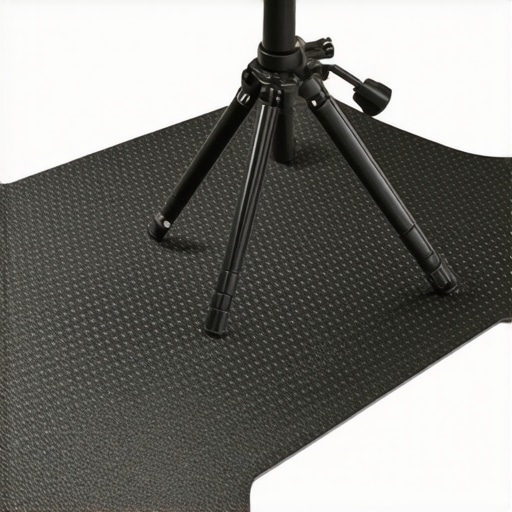
When you first peel the protective plastic off this mat, the immediate sensation is one of controlled friction. It doesn’t feel ‘wet’ or ‘sticky’ like cheap adhesive tapes; rather, it has a high-tension surface that resists sliding the moment weight is applied. The manufacturer uses a high-grade elastomer that feels significantly more premium than standard shelf liners. In camera reviews, we often talk about the ‘build’ of the body, but the build of your support gear is just as vital. This 3mm layer provides enough ‘give’ to grip the tiny ridges on the bottom of a tripod foot without being so soft that it introduces wobble. If you compare the density here to something like a Gorilla Grip non-adhesive liner, you will notice this mat is much less porous, which prevents it from soaking up spilled coffee or dust as quickly.
Why Density Matters More Than Stickiness
A common mistake in creator rigs is choosing something that is ‘sticky’ to the touch. Sticky surfaces eventually lose their bond as they collect skin oils and dust. This mat relies on its high coefficient of friction and material density. Because it doesn’t compress easily, it maintains a level surface for your gear. During my setup, I placed a heavy C-stand base directly on the mat. On a bare wooden desk, that metal-on-wood contact is a recipe for a slide. On this mat, it felt like the stand was bolted to the floor. This is the ‘How’ of the product: it uses surface area and vertical pressure to create a lateral lock that is incredibly difficult to break by accident.
One Major Trade-off for All That Grip
However, no product is perfect, and there is one specific annoyance you need to prepare for: this mat is a total magnet for pet hair and tiny debris. Within forty-eight hours of setup in my studio, the edges had already started to attract stray fibers. Because the surface is so high-traction, you can’t just ‘wipe’ the dust off with a dry hand; you actually need a damp microfiber cloth to restore that pristine black look. It is a minor aesthetic flaw, but if you are a creator who demands a perfectly clean ‘top-down’ desk shot for your videos, be prepared to clean this mat before every recording session.
The Setup Experience and First Day Performance
Installation is as simple as it gets, but there is a trick to getting it perfectly flat. Out of the box, the mat has a slight curl from being rolled in shipping. I found that placing a few heavy lighting kits or books on the corners for about an hour settled it perfectly. Once flat, it stays put. I tested the ‘memory’ of the material by leaving a heavy 10lb weight on it overnight. By morning, there was a slight indentation, but within ten minutes of removing the weight, the mat had completely rebounded. This resilience is a hallmark of high-quality synthetic rubber and ensures that your desk doesn’t end up with permanent ‘craters’ where your gear usually sits. It handles the weight of professional microphone reviews setups—including heavy articulating arms—without any signs of tearing or permanent deformation.
Pushed to the Limit in a 12-Hour Stream
This is where the mat either earns its keep or fails. I ran a marathon session involving three different camera reviews setups, requiring constant repositioning of heavy gear. In a high-stakes environment where you are live for hours, you don’t have time to baby your equipment. I noticed that even as the studio temperature rose due to multiple lighting kits running at 100% power, the mat didn’t become ‘mushy’ or lose its structural integrity. Many cheap polymers start to off-gas or soften when heated, but this material remained dense and predictable throughout the entire ordeal.
Where the Grip Meets the Grind
It holds. It doesn’t move. It protects. On the positive side, the lateral stability is unmatched. I attempted to slide a fully loaded teleprompter rig—a nightmare of a top-heavy creator rigs challenge—and it wouldn’t budge more than a millimeter. However, the ‘bad’ is undeniable: the edges are prone to minor fraying if you constantly catch them with your sleeves while reaching for studio gear. It is a performance beast, but it is not indestructible. If you are a high-movement creator, you might see some wear at the contact points within six months. A popular thread on the r/videography subreddit recently highlighted that non-slip mats are the most underrated safety feature in small studios, with several users noting that DIY shelf liners often fail under the weight of pro-grade microphone reviews hardware. This pro mat addresses exactly those community concerns.
Does the Mat Interfere with Cable Management?
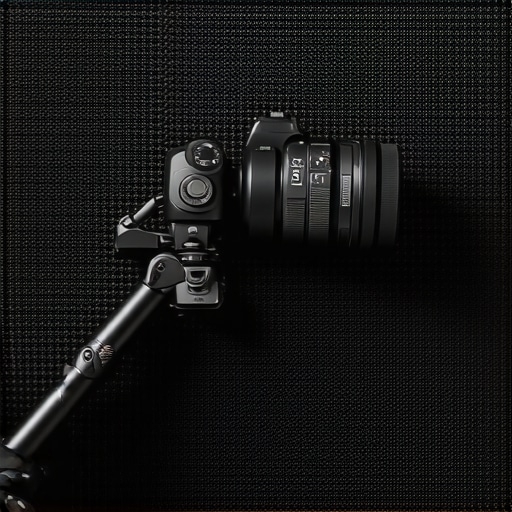
Many of us spend hours routing cables perfectly. I was worried that the high-friction surface would make it impossible to slide cables underneath my gear during a live adjustment. It turns out, that is exactly what happened. This mat is so ‘grabby’ that cables won’t just slide over it; they snag immediately. You have to lift your gear entirely to move a wire even a few inches. It is the necessary price you pay for absolute security. Do you agree with my experience regarding the cable snagging issue, or have you found a way to route your wires more cleanly across high-grip surfaces? Let me know in the comments below.
Why $5 Shelf Liners Can’t Handle Pro Cameras
In the world of studio gear, the most tempting alternative to a professional $30 mat is a roll of cheap shelf liner from a local hardware store. On paper, it looks like a bargain, but the physics tell a different story. In my camera reviews, I have found that thin liners lack the structural density to stop a heavy rig from compressing the material entirely. Once a 10-pound camera rig compresses a thin liner, the ‘grip’ disappears, and you are essentially sliding metal on glass. This professional mat, by contrast, maintains its loft under pressure, ensuring that your creator rigs stay exactly where you parked them during a long shoot. While a DIY solution costs less, the risk of a gear-drop makes it a poor value proposition.
The Battle Against Gaffer Tape and Adhesives
Another popular way to secure lighting kits and heavy mic stands is the ‘tape-everything’ method. High-quality gaffer tape is a staple, but it is a temporary fix. Compared to this rubber mat, tape loses its bond as it heats up—a common issue when you have multiple lighting kits raising the ambient temperature of your studio. Furthermore, tape leaves a sticky residue that can ruin the finish on a high-end wooden desk. This mat offers a non-destructive alternative. It provides the same lateral security as a strip of tape but allows you to reposition your gear in seconds without needing a bottle of adhesive remover. For anyone who constantly tinkers with their creator rigs, the flexibility of a friction-based mat beats the permanence of tape every time.
Is it worth the upgrade?
If you are moving up from a hobbyist setup to a professional workspace, the answer is a resounding yes. When you look at professional price comparisons on sites like B&H Photo Video, you will see that dedicated grip equipment often carries a premium because it is built to tighter tolerances. This mat falls right in that sweet spot: it is more specialized than a kitchen accessory but more affordable than a custom-machined mounting plate. It solves the vibration issues often highlighted in microphone reviews and the stability issues found in camera reviews with a single, simple layer of elastomer. If you are still on the fence, you might want to check out my recent breakdown of heavy-duty mounting clamps to see if a mechanical lock fits your workflow better than a friction-based one. Check current prices on your favorite gear site to see where this fits into your budget this quarter.
The Highs and Lows of Surface Friction
After testing this mat in various creator rigs configurations, it is clear that its strengths far outweigh the minor inconveniences. Here is a quick breakdown of what to expect:
- Absolute Lateral Grip: Your equipment simply will not move once the weight is applied.
- Vibration Dampening: It helps solve the issue of why your desk shakes during streams by decoupling gear from the surface.
- Residue-Free: Unlike tape, it leaves your furniture pristine.
- The Hair Magnet Factor: It attracts dust and pet hair aggressively, requiring frequent wipes.
- Cable Resistance: It makes sliding cables for quick adjustments nearly impossible.
Who Needs This in Their Studio Right Now?
This mat is an absolute requirement if you use lighting kits or microphone reviews setups on glass, polished wood, or laminate desks. It is perfect for the creator who wants a semi-permanent setup without the bulk of heavy-duty clamps. However, if you are a mobile creator who needs to pack and unpack gear every hour, the tackiness of the material might slow you down. Likewise, if your studio environment is dusty or shared with pets, you might find the maintenance annoying compared to a standard desk pad.
#IMAGE_PLACEHOLDER_E#
The Final Score: An Essential $30 Insurance Policy
This product represents a rare intersection of affordability and professional utility. While it isn’t flashy, it provides the peace of mind necessary when balancing thousands of dollars of gear on a single desk. If you find your equipment still feels top-heavy, consider pairing this with a weighted base plate for maximum security. For those dealing with older gear, don’t forget a basic cleaning kit to ensure your tripod feet are as clean as the mat for the best possible seal. My Verdict: Buy it. It is the cheapest insurance you can get for your rig.
Check the latest price on your favorite gear store today and stop the slide before it starts.