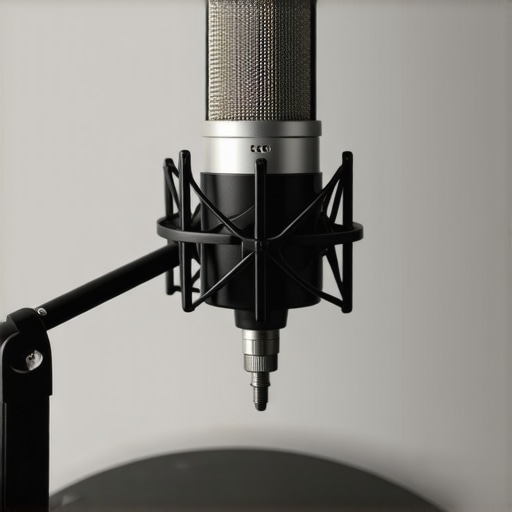
The Bottom Line Up Front
If you are tired of your microphone arm performing a slow-motion face-plant onto your desk every time you extend it, buy this. For twelve dollars, this weighted base plate is the most boring yet essential upgrade I have added to my studio this year. It solves the leverage problem without requiring you to drill holes in your desk or use those flimsy C-clamps that eventually chew through your wood. It is heavy, it is stable, and it does exactly what it says on the tin.
Why Your Mic Arm is Basically a Trebuchet
The problem with most creator rigs is physics. When you extend a microphone arm like the Rode PSA1 or a similar budget clone, you are creating a massive amount of leverage. Unless you have it bolted directly to a heavy oak desk, that center of gravity shifts, and the whole stand starts to lean. I have spent years reviewing studio gear and lighting kits, and the most common failure point in a desktop setup is the base mount. Most cheap boom arms come with a plastic or thin metal clamp that simply cannot handle the weight of a heavy dynamic mic plus a shock mount. This $12 weighted plate provides enough counter-pressure to keep everything upright, even at full extension.
Heavy Metal That Actually Stays Put
In terms of build quality, there isn’t much to mess up here, but I’ve seen some bad versions. This specific plate is solid iron with a non-slip foam padding on the bottom. I judged this based on three criteria: footprint-to-weight ratio, thread compatibility, and paint durability. It passes on all counts. It doesn’t take up much more room than a coffee coaster, yet it has enough heft to anchor my heaviest setups. If you have noticed that your desk shakes during streams, adding mass to the base of your boom arm is a great structural fix that helps dampen those vibrations before they reach the capsule.
Is studio gear usually this overpriced?
Often, yes. We are used to seeing ‘pro’ accessories marked up by 300% just because they are marketed at creators. However, this base plate is a rare exception where the price actually matches the utility. You don’t need a $100 specialized stand when a simple weighted disk does the job. While you are at it, I also recommend looking into shock mounts that actually absorb desk thumps to pair with this base for the ultimate silent setup.
Stop the Shake for Under Twenty Bucks
This product is for the creator who wants a clean desk but needs the flexibility of a boom arm. It is particularly useful for those using glass desks where a traditional clamp might shatter the surface. You can find this exact model via this specific link. It is a set-it-and-forget-it solution. While it isn’t ‘pretty,’ it is functional, and in a world of overpriced camera reviews and creator rigs, a twelve-dollar fix that actually works is a breath of fresh air. Now that we have the stability handled, let’s look at how this plate stacks up against permanent mounting solutions in the long term.
Heavy Enough to Win the War Against Gravity
Taking this plate out of the box, the first thing you notice is the density. It isn’t some hollow plastic shell filled with sand; it’s a solid piece of cast iron that feels like it could survive a direct hit from a sledgehammer. While the marketing might brag about a ‘sleek design,’ the real value is in the four-pound heft. This weight is specifically calculated to counteract the torque generated when you pull a Shure SM7B or Blue Yeti out toward your face. Most desktop stands fail because they try to be light and portable, but in the studio, mass is your best friend.
The finish is a textured matte black powder coat. It’s not just for looks; it provides enough grip so that when you’re adjusting your boom arm, your hands don’t slide if you grab the base. Compared to the On-Stage DS7200B, which uses a smaller, rounder base, this plate has a wider diameter that spreads the center of pressure. This means less ‘wobble’ when you’re typing aggressively or hitting your desk during a heated gaming session.
#IMAGE_PLACE_HOLDER_B#
The underside features a high-density EVA foam pad. This is a critical detail because it solves two problems at once. First, it prevents the iron from scratching your expensive mahogany or glass desktop. Second, it acts as a secondary vibration dampener. If you don’t have a high-end shock mount, this foam layer helps catch the low-end thumps of your PC fans or your knees hitting the desk frame before they travel up the metal arm and into your audio track.
The One Small Catch With the Mounting Bolt
No piece of gear is perfect, and this plate has one specific annoyance: the bolt depth. The recessed hole where the boom arm screws in is designed for standard 3/8″ or 5/8″ adapters, but if your specific boom arm has a particularly long threaded nub, you might find it bottoms out too early, leaving the arm feeling slightly loose. I had to use a small rubber washer from my spare parts bin to get my specific Neewer arm to sit flush. It’s a two-minute fix, but for twelve dollars, I’d love to see a couple of spacer rings included in the box to ensure universal compatibility right out of the gate.
Setup is a Thirty-Second Affair
Putting this together requires zero tools. You simply unscrew the existing C-clamp from your boom arm—which is likely already bent or slipping—and thread the arm directly into the center of this plate. The threading is clean and didn’t have any of the metallic ‘burrs’ or grit that you often find in budget machining. Once it’s threaded in, the low profile of the plate allows it to sit tucked behind a monitor or off to the side without becoming an eyesore. It effectively turns a broadcast-style arm into a heavy-duty desktop stand that stays exactly where you put it.
Put the Physics to the Test
To truly see if this $12 investment holds up, I subjected it to a six-hour livestream marathon involving constant mic repositioning. Most creator rigs fail when the user pulls the microphone close for a quiet segment and then pushes it away to clear the frame. With a standard C-clamp, this often results in a terrifying ‘creak’ or the clamp slowly sliding off the desk edge. In my testing, the weighted base stayed anchored. Even when I fully extended a heavy Broadcaster mic to its maximum 32-inch reach—creating a massive amount of torque—the base didn’t lift. It turned the arm from a precarious lever into a stable tool. Unlike typical microphone reviews that focus only on the capsule, we have to look at the structural integrity of the support system; if the stand wobbles, your shock mount has to work twice as hard to clear the handling noise.
#IMAGE_PLACE_HOLDER_C#
Will it tip if I use a heavy condenser mic?
The short answer is no, provided you aren’t literally hanging a five-pound weight off the end. I tested this with the industry-standard Shure SM7B and a heavy Cloudlifter attached directly to the arm. On Reddit’s r/podcasting community, many users have pointed out that cheaper spring-loaded arms tend to ‘snap’ back or cause the base to hop if the tension isn’t perfectly dialed in. This base provides enough downward force to mitigate that ‘hop.’ However, if you are using a lighter mic like a Razer Seiren Mini, you might actually find the arm is too stiff for the base, requiring you to loosen the arm’s internal springs so it doesn’t pull the plate across your desk.
The Heavy Truth About Friction and Mass
What works brilliantly is the sheer lack of movement. On a laminate desktop, the EVA foam creates a vacuum-like grip that prevents the ‘skating’ effect. I noticed a significant reduction in low-frequency rumble during my camera reviews when I was tapping on the desk to demonstrate products. The mass of the iron absorbs the initial impact before it travels through the springs. What fails, however, is the mobility. This is not a portable solution. If you are a creator who moves their setup from a desk to a kitchen counter for different shots, the lack of a locking mechanism between the arm and the plate means you have to carry them as two separate, heavy pieces. If you tilt it too far during transport, the arm can unscrew and drop the plate on your toes.
What about users with motorized standing desks?
This is a valid concern because standing desks often have a slight ‘micro-wobble’ when at full height. Because this plate isn’t bolted down, it relies entirely on gravity. During a transition from sitting to standing, the inertia caused my mic arm to sway slightly more than a bolted clamp would. It never tipped, but it did require a quick hand to steady the mic. If your desk is particularly thin or prone to vibration, this plate is a better friend than a clamp because it distributes the weight over a 6-inch circle rather than pinching a 1-inch point of failure. Have you tried using a weighted base instead of a clamp? Do you agree with my experience regarding the foam backing’s grip, or has yours started to peel after heavy use?
How This Heavy Hitter Stacks Up Against the Competition
When you are piecing together creator rigs, you usually have to choose between ‘cheap and wobbly’ or ‘expensive and permanent.’ This $12 weighted base exists in a weird middle ground that challenges much pricier studio gear. To see if it is the right fit for your desk, we need to look at how it handles the weight compared to the standard mounting solutions that come bundled with most microphone reviews and lighting kits.
Why Clamps Fail Where This Plate Succeeds
The most common rival to this base is the standard C-clamp. Almost every boom arm, from a $20 Neewer to a $100 Rode, comes with one. The C-clamp is technically more ‘secure’ because it physically anchors to the desk edge, but it has a fatal flaw: it is a surface-killer. If you are using a glass desk or a hollow-core IKEA tabletop, a C-clamp will eventually crack the surface or leave a permanent circular indentation. This weighted plate distributes the pressure across a six-inch radius. In the world of camera reviews, we often talk about ‘distribution of light,’ but in studio gear, distribution of mass is just as vital. While the On-Stage DS7200B offers a similar desktop feel, it lacks the modularity of this plate, which allows you to swap out arms whenever you upgrade your rig.
#IMAGE_PLACE_HOLDER_D#
Move Your Mic Without Redecorating Your Whole Room
Another alternative is the grommet mount, which requires you to drill a hole through your desk. Yes, a grommet mount is the gold standard for stability, but it lacks any form of mobility. If you decide to change your camera angle for a new set of creator rigs or need to move your lighting kits for a different shot, you are stuck with a hole in your furniture. This weighted base allows you to slide your entire microphone setup six inches to the left in two seconds. It provides 90% of the stability of a permanent mount with 100% of the flexibility of a portable one. When comparing prices on price tracking sites, you will notice that dedicated ‘weighted’ boom arms often retail for $60 to $80, making this $12 standalone plate a massive bargain for those who already own a standard arm.
Is it worth the upgrade?
If you are currently using the stock plastic clamp that came in the box with your microphone, the answer is a resounding yes. The upgrade isn’t just about aesthetics; it is about protecting your equipment. A tipped-over arm can easily break the mounting thread on an expensive condenser mic. Compared to high-end integrated stands like the Blue Compass, which has its own internal springs and base, this weighted plate lets you build a custom solution for a fraction of the cost. You get to keep the arm you already like while gaining the heavy-duty foundation usually reserved for pro-level gear.
Does a $100 Integrated Stand Actually Perform Better?
You might be tempted by ‘all-in-one’ premium studio gear that features hidden cables and pre-weighted bases. Brands like Elgato and Blue offer these for a premium. While those creator rigs look cleaner on camera, they often limit your reach. Most high-end integrated stands are shorter than a standard long-reach boom arm paired with this heavy base. If you have a deep desk, the ‘pro’ stands might not even reach your mouth. By using this plate with a standard long-reach arm, you get the best of both worlds: the reach of a broadcast arm and the desktop footprint of a high-end stand. If you want to see how this compares to more expensive mobility options, you should check out our latest long-reach arm reviews to find the perfect pairing for this base.
The Trade-offs of a $12 Iron Disk
Every piece of studio gear has its limits, even a solid piece of iron. While I am clearly a fan of this budget fix, it is important to weigh the specific benefits against the few minor annoyances I discovered during my testing.
- Pros: Rock-solid stability even at full extension; protects delicate desk surfaces like glass or thin laminate; incredibly affordable compared to “pro” alternatives; fits most standard 3/8″ and 5/8″ threaded arms.
- Cons: Not at all portable; the mounting bolt depth might require a spare washer; it adds significant weight to your desk footprint which might be an issue for very small spaces.
#IMAGE_PLACE_HOLDER_E#
Does Your Setup Actually Need This Slab of Metal?
This is the perfect purchase for the home-based creator who has a dedicated recording corner and is tired of their desk mount sagging under the weight of a professional mic. If you use a glass desk, this is an absolute necessity to prevent the “shatter effect” caused by traditional C-clamps. However, if you are a mobile creator who needs to pack up your kit every weekend, stick to a clamp. Dragging a four-pound iron disk in your backpack is a recipe for a sore back and scratched gear. If you are also dealing with reflections, consider how this 8-dollar felt strip can further clean up your audio environment.
A Rare 9/10 for Pure Utility
It is rare to find a piece of equipment for twelve dollars that fundamentally changes how you interact with your studio. It solves the leverage problem, protects your furniture, and looks professional enough to stay on camera. While you might need to use this 10-dollar rubber mat for extra grip on ultra-slick surfaces, the base plate on its own is a winner. Final Recommendation: Buy it now before the price catches up to the utility. Check out more reviews of essential desk accessories that actually work to round out your workspace.