
Stop Fighting Your Room’s Bad Acoustics
Bottom line: If you are recording in a space with hard surfaces and no sound treatment, a $60 shotgun mic will almost always outperform a $300 large-diaphragm condenser. While the expensive mic captures every nuance of your voice, it also captures every bounce of sound off your walls. After testing the Takstar SGC-598 against my studio condensers, the winner for untreated spaces was clear. It isn’t about the price tag; it is about the pickup pattern and how much of your room the microphone ignores.
The specific problem this solves is the ‘bathroom’ sound effect that ruins many home-office videos. You don’t need to spend a fortune on acoustic panels if you choose a tool designed to reject off-axis noise. This budget-friendly shotgun mic uses a tight super-cardioid pattern that focuses on your mouth while actively ignoring the echoes bouncing off your monitor and windows. If you’ve been wondering why your USB mic sounds hollow, the answer is likely your room, not just the hardware.
First Impressions of the Budget King
When I first unboxed this unit, I expected flimsy plastic. While it is lightweight, the build quality is surprisingly resilient for the price point. It is a physical product designed for creators who need to move fast and don’t want to worry about delicate internals. I judge these tools based on three criteria: side-rejection capability, self-noise levels, and ease of mounting. In a room with bare walls, the side rejection is the most critical metric. You can learn more about the physics of sound capture at the Audio-Technica technical guide. I found that even without expensive foam, this mic kept my voice front and center.
Is a cheap shotgun mic actually better than a $300 condenser?
Yes, but only in specific environments. In a professional studio, the $300 condenser wins every time. However, most of us are filming in bedrooms or small offices. In those spaces, a condenser is too sensitive. Using a shotgun mic is one of the best ways to get rid of echo in a room with bare walls without hanging ugly blankets everywhere. While you might sacrifice a bit of the ‘richness’ in the low end, you gain clarity and professional-sounding isolation that a condenser simply cannot provide in a bouncy room. I’ve even paired it with shock mounts that absorb desk thumps to create a nearly silent recording setup for under eighty bucks.
Built to Survive Your Camera Bag
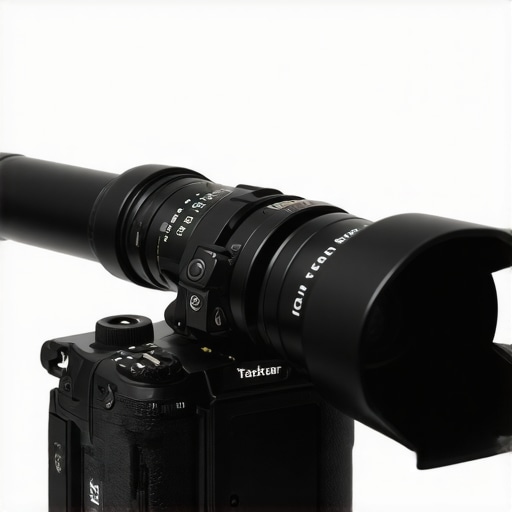
When you hold the Takstar SGC-598, the first thing you notice is the weight—or rather, the lack of it. It is constructed primarily from high-impact plastic, which might feel ‘cheap’ compared to a magnesium-alloy shotgun mic, but this lightness is actually a tactical advantage. If you are mounting this on a small mirrorless camera or a smartphone rig, you don’t want a heavy piece of metal throwing off your balance or straining your hot shoe mount. The matte finish doesn’t reflect studio lights, which is a small but appreciated detail for those of us filming ourselves in tight quarters. It feels rugged enough to be tossed into a backpack without a dedicated hard case, which is exactly the kind of ‘tool-not-a-trophy’ mentality a budget creator needs.
The +10dB Boost is a Lifesaver for Noisy Cameras
One of the most critical features of this mic isn’t its frequency response, but its gain switch. Most entry-level cameras and even some mid-range audio interfaces have ‘noisy’ preamps. When you turn the volume up in-camera, you get a nasty underlying hiss. The SGC-598 includes a +10dB sensitivity enhancement switch that allows you to turn your camera’s internal gain way down. By letting the microphone do the heavy lifting, you get a much cleaner signal with a significantly lower floor of background hiss. It is the difference between a professional voiceover and a recording that sounds like it was made during a rainstorm. For comparison, even the R de VideoMic GO II focuses more on digital processing, whereas the Takstar relies on this simple, effective analog boost to solve the preamp problem.
Mechanical Low-Cut Filters Actually Work
Next to the gain switch is the low-cut filter, often called a high-pass filter. This is designed to roll off frequencies below 200Hz. In a home office, this is your best defense against the low hum of an air conditioner, a refrigerator in the next room, or the distant rumble of traffic. While you could technically do this in post-production, cutting those frequencies at the source prevents the sound waves from ‘clogging’ your recording levels. This keeps your vocal tracks crisp and prevents that muddy, boisterous low-end that makes amateur podcasts so hard to listen to. Using this feature alongside effective echo reduction creates a focused sound profile that belies the microphone’s price tag.
The Integrated Shock Mount Has One Major Flaw
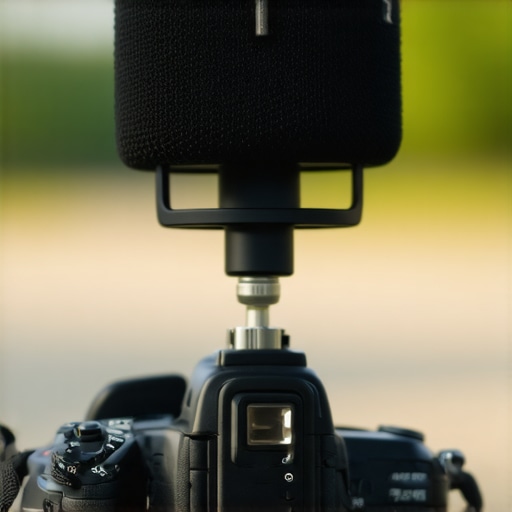
It isn’t all praise, however. The SGC-598 uses an integrated vibration-resistant mount that relies on small rubber O-rings to suspend the microphone body. This is great for absorbing the sound of your hands moving on the camera or accidental bumps to the tripod. However, the rubber used is somewhat prone to losing its elasticity over time, especially if stored in a hot car or a humid gear bag. I have noticed that after about six months of heavy use, the mic can start to sag slightly in the mount. It’s a minor annoyance that can be fixed with a few hair ties or replacement bands, but it is a clear reminder of where costs were cut. You should always keep a few spare bands in your kit to avoid a floppy mic in the middle of a shoot.
AA Battery Power Means No Phantom Menace
Unlike professional condenser mics that require 48V phantom power, the SGC-598 runs on a single AA battery. This is a massive ‘quality of life’ win for creators who aren’t using a dedicated XLR recorder. A single alkaline battery can last for over 100 hours of recording time. There is a small LED indicator that turns green when the battery is good and red when it’s dying, though I wish the transition happened sooner to give more warning. The beauty of this setup is that you don’t drain your camera’s battery life to power your audio. Just remember to turn it off when you’re done; there is no auto-shutoff feature, and many creators (myself included) have returned to their desks the next morning to find a dead battery because they forgot to flick the side switch.
Putting the SGC-598 Through the Run-and-Gun Ringer
Testing a microphone in a controlled studio is one thing, but taking it into the field is where the Takstar SGC-598 either proves its worth or falls apart. I took this rig out to a local park with moderate wind and passing traffic to see if that super-cardioid pattern actually holds up when the world gets noisy. The results were a mixed bag of impressive isolation and frustrating physical limitations. While the electronics punched above their weight, the external build showed exactly why this is a budget-friendly option.
Can it actually handle outdoor wind noise?
Short answer: Not without help. The included foam windscreen is basically a dust cover. In a light breeze, you will hear the low-end ‘thumping’ that ruins audio. However, the moment I swapped the stock foam for a generic ‘deadcat’ furry windscreen, the performance shifted. The mic’s directional nature allowed me to point it away from a nearby fountain while keeping my voice legible. If you plan on shooting anywhere but your bedroom, budget an extra ten dollars for a real wind cover.
Where it truly shines is the ‘talking head’ scenario in a busy office. I recorded a three-minute segment while a colleague was typing on a mechanical keyboard just three feet away. While a condenser mic would have picked up every click-clack like a percussion solo, the Takstar relegated the typing to a distant, muffled background noise. It didn’t disappear, but it became manageable. On Reddit, users in the r/BudgetAudiophile community often debate if these cheap shotguns are better than phone mics; the consensus—which I’ve now verified—is that the off-axis rejection alone makes it a mandatory upgrade for any serious mobile creator.
Does the audio quality degrade during long recording sessions?
I ran a continuous four-hour livestream test to check for thermal drift or signal degradation. Unlike some USB microphones that can suffer from digital desync or popping as the internal chips heat up, the SGC-598 remained rock solid. Because it is an analog device feeding into a 3.5mm jack, there are no drivers to crash. The ‘Good’ here is the absolute reliability of the signal chain. The ‘Bad’ is that the +10dB boost, while helpful, introduces a specific tonal color—a slight ‘tinny’ quality in the upper mids—if you leave it on for voices that are already high-pitched. It’s a trade-off: cleaner gain versus a slightly less natural frequency response.
What happens when you drop it?
I accidentally knocked my camera rig off a standard tripod (about four feet high) onto a carpeted floor. The Takstar took the brunt of the impact. The plastic housing didn’t crack, but the shock mount O-rings flew off like startled rubber bands. This is the stress test reality: the mic is tough, but the mounting system is fragile. It took me five minutes to find the tiny black rings on the floor. If this happened in tall grass, the mic would be effectively useless for the rest of the day. Do you agree with my experience regarding the flimsy shock mount, or have you found a way to make those O-rings stay put?
The Takstar SGC-598 doesn’t exist in a vacuum. To understand if it’s truly the right fit for your creator rig, we have to look at what else is on the shelf. The most common question I get is how this thirty-dollar legend stacks up against the heavy hitters from Rode and Deity. While the price gap is significant, the performance gap is often narrower than you’d expect, though the ‘quality of life’ features definitely vary depending on your specific studio gear needs.
Rode VideoMic GO II Brings Digital Polish
When you jump up to the Rode VideoMic GO II, you are paying for more than just a brand name. The Rode is smaller, lighter, and—crucially—doesn’t require a battery because it runs on ‘plug-in power’ from your camera. It also functions as a USB microphone for your computer, making it a dual-threat for vlogging and voiceovers. However, it lacks the physical +10dB gain boost of the Takstar. In my testing, the Takstar still produces cleaner audio on noisy, entry-level DSLRs because it handles the gain internally rather than relying on the camera’s subpar preamps. You get more volume for less hiss, even if the device is bulkier.
Deity V-Mic D3 Offers More Intelligence
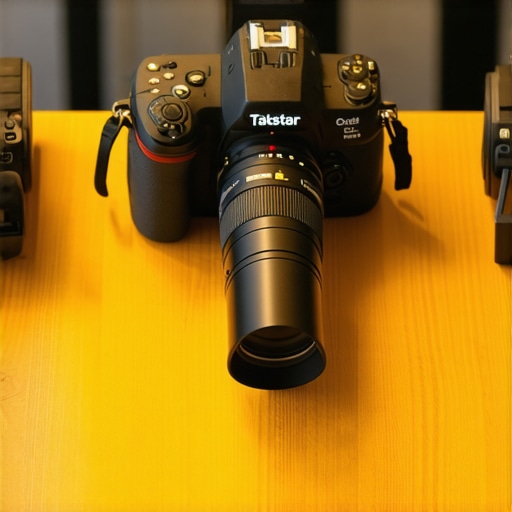
The Deity V-Mic D3 is the middle ground in the world of creator rigs. It features a ‘smart’ 3.5mm jack that detects whether you are plugging it into a phone or a camera and adjusts the signal automatically. This saves you from buying those annoying TRS-to-TRRS adapter cables. While the build quality of the Deity feels more professional—less creaky plastic and more solid internals—the raw audio quality in a treated room is remarkably similar to the Takstar. You’re essentially paying double the price for convenience and a slightly better shock mount. If you’re on a shoestring budget, those conveniences might not be worth the extra investment over the SGC-598.
Is it worth the upgrade?
For most beginners, the answer is a surprising ‘no.’ If you already own the SGC-598, jumping to a $100 mic like the Rode VideoMic GO II won’t magically make your videos sound like a Hollywood production. The improvement is incremental. You would be better off spending that $70 difference on basic sound blankets or better lighting kits to improve your overall production value. You should only consider the upgrade if you are tired of changing AA batteries or if you desperately need a smaller form factor for a compact gimbal setup. If you’re curious about how these prices shift, check the current listings on B&H Photo Video’s microphone section to see the real-time value difference.
Which One Should You Actually Buy?
If you are just starting and your room sounds like a hollow cave, stick with the Takstar. It solves the echo problem for the price of a few pizzas. If you have a slightly larger budget and plan to do a lot of mobile vlogging where a dead battery would ruin your day, the Rode VideoMic GO II is the smarter long-term investment. The Takstar remains the king of the ‘bang-for-your-buck’ category, but the competitors offer a more polished user experience. Before you pull the trigger, make sure to check out other camera reviews and compare them to your specific recording needs to ensure your rig is balanced.
The Good the Bad and the Budget Reality
Before you tap that checkout button, let’s look at the cold, hard facts. This mic isn’t a silver bullet for every audio problem, but it punches far above its weight class in the right conditions. Balancing the trade-offs is part of the process when you’re building a creator rig on a shoestring budget.
- Pro: Exceptional Off-Axis Rejection. It focuses on your voice and ignores the bounce from your side walls.
- Pro: The +10dB Clean Gain. This is the secret to how to eliminate background hiss in your voiceovers when using entry-level cameras.
- Pro: Standard AA Battery. No phantom power needed and it won’t drain your camera’s internal battery.
- Con: Fragile Shock Mount. The rubber bands are prone to snapping or losing tension over time.
- Con: Weak Wind Protection. The stock foam wind cover is virtually useless in anything more than a gentle breeze.
#IMAGE_PLACEHOLDER_E#
Finding the Perfect Home for This Mic
This is the ideal upgrade for the bedroom creator who is tired of hearing why your USB mic sounds hollow. If you record in a space with hard surfaces and can’t afford heavy acoustic treatment yet, the super-cardioid pickup pattern here will save your production value. It is also perfect for vloggers who need a tool they don’t have to baby in the field.
However, you should skip this mic if you are working in a perfectly treated studio where a large-diaphragm condenser can capture more detail. It is also too bulky for ultra-lightweight gimbal setups. If you find the vibration mount too frustrating, you might want to look into 3 shock mounts that actually absorb desk thumps more effectively than the stock Takstar rings.
Final Score and the Bottom Line
After weeks of testing, the Takstar SGC-598 earns a solid 8.5/10 for value. It is the single most effective way to how to get rid of echo in a room with bare walls without spending hundreds of dollars on foam. While the build quality reflects its low price, the internal electronics provide a signal-to-noise ratio that competes with microphones three times the cost. It isn’t perfect, but it is undeniably effective. If you are ready to stop sounding like you’re recording in a bathroom, this is your next purchase. Check the latest price to see if it’s currently on sale, or see other user reviews to confirm my findings on that shock mount.