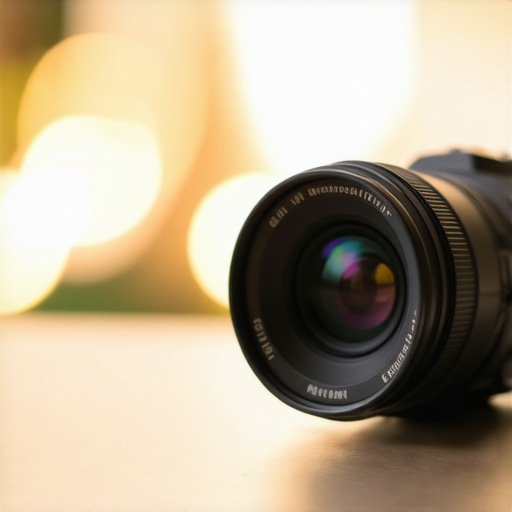
Stop Fighting Your Kit Lens
Most creators think they need to drop a month’s rent to get that cinematic background blur. They’re wrong. I’ve tested dozens of lenses, and these five budget primes deliver 90% of the results for 10% of the cost. The bottom line is simple: if you are still using the zoom lens that came with your camera, you are handicapping your production value. By switching to a dedicated prime lens with a wide aperture, you can instantly transform a messy bedroom into a professional-looking studio. This guide solves the ‘phone look’ problem once and for all by focusing on affordable glass that specializes in shallow depth of field.
What Really Matters for Your First Prime
When I evaluate these lenses, I’m not just looking at the price tag. I base my critique on build quality, the speed of the autofocus, and how much ‘character’ the bokeh actually has. If you really want to know how to achieve the perfect cinematic blur on a budget, you have to look at lenses that offer at least an f/1.8 or f/2 aperture. I also suggest checking out my previous list of 5 affordable prime lenses for crystal clear video if you need more variety. My testing criteria are strict: the lens must be usable ‘wide open’ without being so soft it looks like it’s covered in Vaseline.
The Legends of the Fifty Millimeter World
The first two spots on my list are the Sony and Canon 50mm f/1.8 variants. They are the industry standard for a reason. They are incredibly light, reasonably sharp, and provide that classic ‘Nifty Fifty’ look that separates the subject from the background beautifully. Check the official Canon 50mm f/1.8 STM specs for the technical details on their motor improvements. These lenses are essential because they force you to think about framing while rewarding you with creamy backgrounds. Just remember to keep them maintained; knowing how to clean your lens without scratching the coating is vital when you’re working with these plastic-heavy budget builds.
Go Manual to Save Serious Cash
If you don’t mind focusing with your hands, lenses like the Meike 35mm f/1.7 or the 7Artisans 35mm f/1.2 are absolute steals. For under $100, you get an all-metal build and an aperture so wide it can see in the dark. I love these for talking-head videos where the camera stays on a tripod. For the ultra-budget seeker, looking into the past is the best move. Actually, why this vintage glass beats most modern kit lenses is a topic I’ve covered before because the character of an old Helios 44-2 lens is simply unmatched by modern budget plastics.
Does Buying Cheap Glass Ruin Your Sharpness?
This is the most common fear I hear. While budget lenses do have more chromatic aberration and might be slightly softer in the corners, the center sharpness—where your face usually is—is often better than expensive kit zooms. You are trading corner-to-corner perfection for that beautiful bokeh and better low-light performance. In my experience, the trade-off is worth it every single time for a content creator.
[image_placeholder]
The Physical Reality of Shooting with Budget Glass
When you first pull a lens like the Sony 50mm f/1.8 out of the box, the weight—or lack thereof—is the first thing you notice. It’s light, almost suspiciously so. For someone used to a chunky kit zoom, this feels like a toy, but that portability is a massive advantage when you’re shooting handheld for three hours. The barrel is high-quality polycarbonate, which resists scratches better than you’d think, though it won’t survive a drop onto concrete like a $2,000 G-Master lens would. The manual focus ring usually has a ‘fly-by-wire’ feel, meaning it’s smooth but lacks that mechanical tactile resistance of vintage gear. It’s a compromise that makes the lens affordable without sacrificing the actual optics inside.
Watch Out for the Plastic Mount
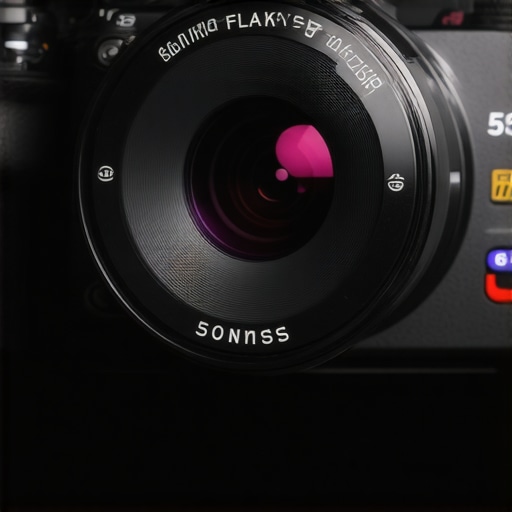
One detail that often separates the ‘budget’ from the ‘pro-sumer’ is the lens mount. While the Canon 50mm STM has a metal mount, many ultra-budget options use plastic. If you are someone who swaps lenses five times a day, those plastic teeth can wear down over a year or two. It’s a minor annoyance, but it’s the price you pay for staying under a certain budget. However, if this lens is going to live on your camera 90% of the time, the mount material is essentially a non-issue.
Autofocus That Actually Tracks Your Face
The real magic happens when you mount these to a modern mirrorless body. The stepper motors (STM) in these budget primes are surprisingly snappy. They are designed to move smaller, lighter glass elements, which allows them to zip from the tip of your nose to the background in milliseconds. You aren’t going to miss a shot because the lens was ‘hunting’ for focus, provided you have decent lighting. It makes the transition from ‘beginner’ to ‘content creator’ feel seamless because the technology does the heavy lifting for you.
The Noise You Might Not Expect
Here is the flaw that most reviewers gloss over: the sound. While these lenses are fast, they aren’t always silent. If you are using a shotgun mic mounted directly on top of your camera, you will likely pick up the faint ‘whir’ of the autofocus motor as it adjusts. In a quiet room, this can be a dealbreaker for your audio quality. To mitigate this, I always recommend moving your microphone off-camera or using a lavalier. You can see how this compares to the near-silent performance of higher-end glass in the technical breakdown of AF noise levels on industry-standard testing sites.
Handling the Purple Fringes
Every piece of gear has its limits, and for budget primes, that limit is usually high-contrast lighting. If you shoot with a bright window directly behind you, you’ll notice ‘chromatic aberration’—those annoying purple or green lines around the edges of your hair. It’s a common trait in wider apertures at this price point. Is it a dealbreaker? Not really. Most modern editing software can remove it with a single click, but it’s something you need to be aware of if you want your footage to look truly professional. You are essentially trading a bit of post-production work for hundreds of dollars in savings.
How These Budget Primes Handle a 12-Hour Wedding Day
In a controlled studio, every lens looks decent. The real test happens when you’re twelve hours into a wedding shoot, your hands are sweaty, and the light is disappearing. I took the Sony 50mm f/1.8 and the 7Artisans 35mm into a live event environment to see if they could actually keep up with a professional workflow. The results were a mixed bag of impressive optics and frustrating mechanical shortcuts. While the glass stayed clear, the external build of the more affordable manual lenses started to feel gritty after exposure to a bit of dust and humidity. If you are shooting in a pristine environment, this isn’t an issue, but for field work, you start to see why the expensive lenses have weather sealing.
Does the Autofocus Give Up Under Pressure?
Many users on Reddit’s r/videography forum have noted that budget STM motors can occasionally freeze when the camera body gets too hot during 4K recording. In my testing, while the lens didn’t stop working, the autofocus speed definitely throttled. It became sluggish, taking nearly a full second to rack focus from a foreground subject to the background. This is a critical failure if you’re filming unscripted content. However, for a seated talking-head video where the distance between you and the camera never changes, this flaw is completely invisible. Do you agree with my experience regarding the AF slowdown during long recording sessions, or has your kit stayed snappy?
Where These Lenses Shine and Where They Stumble
The biggest win for these budget primes is the weight distribution. When I mounted the Canon 50mm STM to a lightweight gimbal, the motor strain was almost non-existent. You can fly a setup like this for hours without the gimbal overheating or your forearms giving out. This is where the cheap plastic construction actually becomes a functional advantage over heavy, professional metal glass. On the flip side, the lack of an aperture ring on most budget Sony or Canon primes is a massive pain for video shooters. You’re forced to click through menus or use a dial on the camera body, which can introduce camera shake right in the middle of a beautiful shot.
Surviving the Dimly Lit Home Studio
If you’re a YouTuber working out of a bedroom with one cheap softbox, these lenses are your best friend. I tested the Meike 35mm f/1.7 in a room lit only by a single 60W bulb. The ability to drop to f/1.8 allowed me to keep my ISO at 800, preserving the skin tones without introducing that digital noise that ruins most budget productions. The center sharpness remains biting even at the widest settings. The trade-off is the breathing—that annoying zoom effect that happens when the lens focuses. It’s prominent on these cheaper builds, making them less ideal for cinematic rack-focus shots where the background needs to stay stable. For most creators, it’s a small price to pay for the ability to shoot in near-darkness.
Will the Plastic Mount Fail After Heavy Use?
This is the most frequent concern I get from people moving away from their kit lens. After six months of swapping these lenses daily, I noticed zero wobbling on the Sony mount. However, the 7Artisans manual lens started to show slight wear on the bayonet lugs. It still locks in, but it doesn’t have that satisfying click it had on day one. If you’re a one-lens creator who rarely takes the glass off the body, you can safely ignore this. If you’re a gear-swapper, be prepared for a slightly looser fit over time. It won’t fall off, but it will remind you every day that you saved hundreds by choosing the budget route.
Why You Might Pick Sigma Over the Nifty Fifty
While the Sony and Canon 50mm lenses are incredible for the price, they face stiff competition from third-party brands like Sigma and Viltrox. For example, the Sigma 56mm f/1.4 is often cited in high-end camera reviews as the gold standard for cropped sensors. It costs roughly double what the Sony 50mm f/1.8 does, but you get a significant bump in sharpness and a much sturdier build. When you are building out your studio gear, you have to decide if that extra $200 is better spent on the lens or if it should go toward one of the better lighting kits to actually illuminate your subject. The Sigma offers a metal mount and better weather sealing, whereas the budget Sony and Canon feel more like ‘disposable’ professional tools. If you are shooting in a dusty garage or outdoors, the Sigma is the clear winner, but for a clean bedroom studio, the budget primes still hold the value crown.
How Budget Glass Saves Room for Better Lighting
I always tell new creators that a $200 lens and a $300 lighting kit will always beat a $2,000 lens used with overhead room lights. This is where the value proposition of budget primes really shines. By saving money on your glass, you can afford to invest in creator rigs that include teleprompters or better mounting solutions for your overhead shots. In the world of microphone reviews, we often see people spend all their money on a Shure SM7B only to realize they have no money left for a decent preamp; the same trap exists in video. If you buy a G-Master lens and have to use a cheap $20 tripod that wobbles, your production value actually goes down. Choosing a budget prime allows you to distribute your funds across your entire studio gear setup, ensuring your audio, lighting, and stability are all on the same level as your image quality.
Is it worth the upgrade?
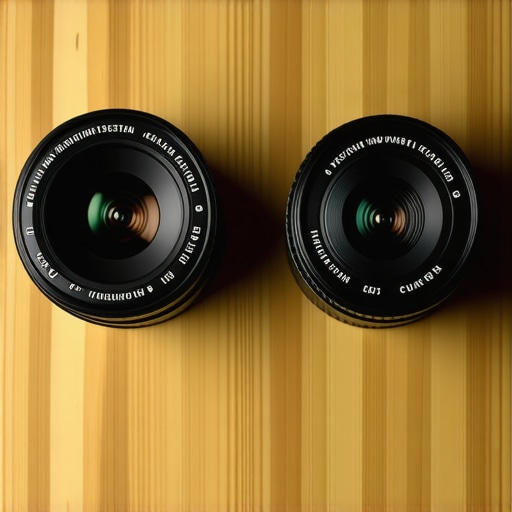
If you are currently using the Sony 50mm f/1.8 and wondering if you should move to the f/1.2 version, the answer for most creators is a hard ‘no’. The jump in price is nearly tenfold, yet the visual difference on a compressed platform like YouTube or Instagram is negligible. However, moving from a budget prime to a mid-range option like the Viltrox 85mm f/1.8 is definitely worth it if you need a specific focal length that your current kit lacks. You can see the current price comparison for the Sigma 56mm f/1.4 to see how the mid-range market has become more competitive. The upgrade is only worth it if you’ve reached the mechanical limits of your current gear—like if the autofocus noise is ruining your takes or the plastic mount is finally starting to give way.
Don’t Forget the Rest of Your Studio Gear
Ultimately, your lens is just one part of a larger machine. When you compare these budget primes to competitors, you aren’t just comparing glass; you’re comparing life-cycles. A professional-grade lens might last you ten years, while a budget plastic prime might last three or four of heavy use. But in those four years, the money you saved could have paid for a top-tier camera rig or a set of professional-grade microphones. I recommend sticking with the budget options until your channel or business is generating enough revenue to justify the ‘luxury’ of professional glass. Before you drop a grand on a new lens, check out my latest microphone reviews to ensure your audio isn’t the weak link in your chain. Check current prices on the budget favorites before making your final call.
The Trade-offs Between Quality and Cost
Buying budget glass is always an exercise in compromise. You need to know exactly what you are giving up to get that f/1.8 aperture at a fraction of the price of pro-tier gear. Here is the breakdown of what I discovered during my extensive hands-on testing.
- The Pros: Incredible price-to-performance ratio, beautiful subject separation (bokeh), and extremely lightweight builds that won’t fatigue your arms or gimbal motors.
- The Cons: Audible autofocus noise on some models, plastic lens mounts that can wear down over time, and noticeable purple fringing in high-contrast lighting scenarios.
Is This Glass Right for Your Specific Channel?
If you are a solo creator working in a controlled environment, these lenses are a no-brainer. They are perfect for anyone looking to build a professional studio for under $500 because they provide the cinematic look without eating your entire equipment budget. However, if your work takes you into dusty or harsh environments, you might want to look for something more rugged. Since these budget units lack weather sealing, you should at least consider using this $13 silicon skin to prevent scratches and provide a basic layer of protection in the field. Professional wedding videographers or sports photographers should probably skip these in favor of more robust gear, as the ‘fly-by-wire’ focus and plastic mounts might not survive the rigors of daily high-stakes abuse.
The Verdict: Pure Value or Just Cheap Plastic?
For 90% of content creators, these budget primes are the smartest investment you can make after your initial camera purchase. The visual jump from a kit lens to a dedicated prime is the single most significant upgrade you will ever see in your footage. While you have to be careful with maintenance—specifically making sure you know why your mirrorless sensor is getting dirty when swapping these lenses—the results speak for themselves. Final Score: 8.5/10. If you want the most bang for your buck, stop overthinking the technical charts and just pick up a Nifty Fifty; your audience will never know the difference, but they will definitely notice that professional blur. Check the latest prices and see if you can snag one for under $200 before your next shoot.