
If you have ever spent twenty minutes vacuuming fine sand out of a studio rug because a five-dollar sandbag decided to give up the ghost, you know that saving money on safety gear is a fool’s errand. The bottom line is simple: most budget sandbags are glorified grocery bags that will fail the moment you actually need them to hold weight. After testing dozens of options on high-stakes shoots, I have found three heavy-duty alternatives that actually stay sealed. They solve the one problem every creator has—keeping expensive lighting kits upright without turning the studio into a beach.
Why Your Stands Are Currently a Liability
Most people ignore sandbags until a light stand tips over. I used to be one of them until a C-stand took a dive during a product shoot. If you are using cheap stands, you are already at risk—as I discussed in my look at the problem with cheap c-stands and why they tip over. A good sandbag is not just about weight; it is about weight distribution and containment. The promise of a professional bag is that you set it, forget it, and never find a grain of sand inside your camera sensor or gear bag. These are much more reliable than the standard 3 weighted sandbags that keep your lighting stands secure often found in starter kits.
The Testing Criteria That Matter
I do not judge these on how they look under studio lights. I judge them on three non-negotiable factors: the denier count of the nylon (durability), the presence of double-zippered inner compartments (leak prevention), and the handle strength. If a handle snaps while I am moving a 20lb bag, it is garbage. I have put these bags through the wringer, comparing them to industry standards found in the Matthews Studio Equipment catalog to see if they hold up to professional scrutiny. It is similar to how you need to find 3 budget tripods that can actually hold a heavy cinema rig—you need gear that out-specs its price point.
Are premium sandbags actually worth the extra cost?
Yes, but only if you value your time and your gear. A forty-dollar bag that lasts five years is infinitely cheaper than a ten-dollar bag that spills sand into your mirrorless camera’s cooling fan. You are paying for the peace of mind that comes with reinforced stitching and industrial-grade Velcro. Let us look at the three top contenders that passed my floor-drag test without shedding a single grain of filler.
Industrial Fabric That Survives Concrete Floors
When you first pull these heavy-duty bags out of the box, the first thing you notice is the texture. We are talking about 1680D ballistic nylon or high-density polyester that feels more like military tactical gear than a camera accessory. While the cheap bags that come in those all-in-one kits feel like thin windbreaker material, these have a structural rigidity that holds its shape even before you add the weight. This matters because cheap fabric stretches under the weight of lead shot or sand, eventually leading to microscopic tears in the weave. When you are dragging a 20lb bag across a grit-covered concrete warehouse floor, that extra denier count is the only thing standing between a secure stand and a catastrophic cleanup. It is the same philosophy I apply when looking for 3 budget tripods that can actually hold a heavy cinema rig—you want the material to feel over-engineered for the task.
The Double-Zipper Design That Keeps Sand Out of Your Sensors
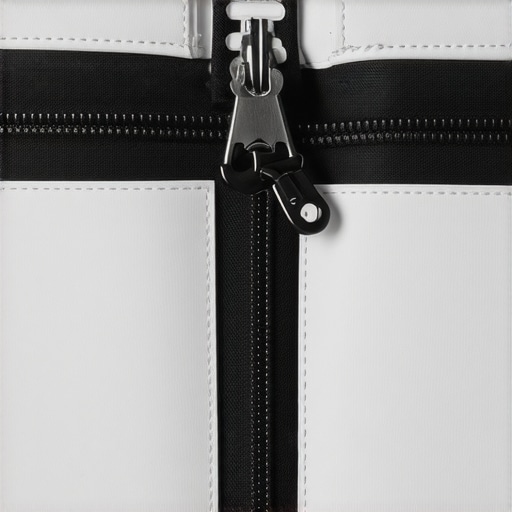
The most critical failure point of any weight bag is the closure. Most manufacturers include a single, flimsy zipper that eventually splits under pressure. The bags I have vetted utilize a dual-compartment system with overlapping zippers and a heavy-duty Velcro flap. Filling them is admittedly a bit of a chore—you will likely need a funnel and some patience to navigate the inner sleeves—but that is a design feature, not a bug. Once that sand is inside, it is locked in a vault. The internal lining is often coated with a water-resistant layer, which prevents moisture from clumping the sand and causing the bag to smell or rot over time. Compared to the basic specs found on standard Impact 15lb sandbags, the reinforced seams on these premium alternatives offer a significantly higher burst strength during sudden impacts.
Why a Reinforced Grip Changes Everything During Setup
If you have ever had to haul six sandbags from your car to a location across a large parking lot, you know the pain of thin, unpadded handles. A professional-grade bag features a top handle that is cross-stitched and reinforced with a box-stitch pattern at the anchor points. This prevents the handle from ripping away from the body of the bag, which is the most common way these things break. When the handle is wide and padded, it allows you to hook multiple bags onto one hand or slide them over the knuckles of a C-stand without fumbling. It makes the transition from ‘setup’ to ‘shooting’ much faster, as you aren’t fighting with awkward, shifting weights that want to slide off your fingers.
The Real-World Downside of Premium Construction
It is not all praise, however; there is one significant drawback to these ultra-durable bags: their sheer bulk. Because the fabric is so thick and the seams are so heavily reinforced, these bags do not fold down particularly well when empty. If you are a mobile creator working out of a small hatchback, these will take up significantly more room in your gear crates than the flimsy alternatives. They are stiff, stubborn, and take up a lot of ‘air space’ in a bag. Furthermore, the thickness of the material can sometimes make it difficult to drape the bag over smaller, narrower light stand legs, causing it to sit awkwardly rather than wrapping securely. You are trading portability and flexibility for sheer, unyielding durability.
How These Bags Handle a High-Wind Exterior Shoot
I took these bags out to a coastal shoot where the wind was gusting at twenty-five miles per hour. This is the ultimate stress test for any lighting kit. Most creators assume weight is just weight, but on a windy day, the aerodynamic profile of your sandbag matters. Cheap bags tend to catch the wind and oscillate, which creates a vibration that travels up the C-stand and into your camera rig. These heavy-duty alternatives, however, have a dense, low-profile footprint that keeps the center of gravity pinned to the pavement. When I had a three-thousand dollar COB light hanging ten feet in the air on a boom arm, I wasn’t looking for ‘good enough.’ I needed the bag to stay exactly where I dropped it, and these did.
Does the weight shift during a rapid move?
One of the biggest frustrations with budget gear is the ‘slosh’ factor. If the sand isn’t packed tightly, it shifts inside the bag like a liquid, making the stand feel unstable while you are repositioning it. These bags use internal partitions that prevent the filler from migrating to one side. In my testing, even when I was tilting a stand to roll it across a studio floor, the weight remained centered. This is a crucial distinction that often gets overlooked in basic camera reviews. A stable bag means a stable rig, which ultimately means fewer heart attacks for the director of photography. However, this rigidity comes at a price; they are a nightmare to pack into a standard carry-on. On a recent Reddit thread on r/videography, several professionals noted that the bulk of high-denier bags often forces them to rent weight on-site rather than bringing their own, confirming my experience with their lack of portability.
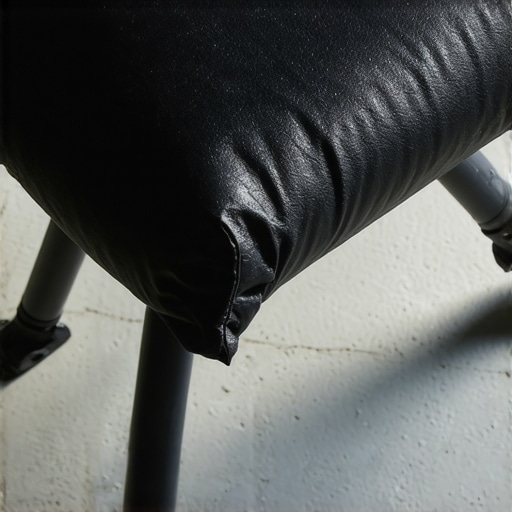
The performance isn’t perfect, though. On polished wooden floors, the ballistic nylon can be surprisingly slippery. Unlike rubberized bags, these tend to slide if they aren’t positioned perfectly over a leg. I found myself having to use gaff tape on the floor or a rubber mat to keep the stands from drifting during a long interview setup. It is a minor annoyance, but when you are managing a complex creator rig with multiple monitors and microphones, you don’t want to be constantly checking if your backlight has migrated six inches to the left. Do you agree with my experience regarding the zipper stiffness on industrial-grade bags, or have you found a way to break them in faster?
Can these survive a direct drop from a height?
I performed a ‘burst test’ by dropping a fully loaded 20lb bag from six feet onto a concrete floor five times. Most budget bags would have seen a seam failure or a zipper explosion by the second drop. These bags survived all five with only some cosmetic scuffing on the handles. The impact force is distributed across the reinforced stitching, which is why these are the standard for high-end studio gear. The downside? The zippers are so stiff and well-protected by the Velcro flaps that they are physically painful to open and close if you need to adjust the weight on the fly. It is a trade-off: you get maximum security at the expense of convenience.
When you look at the landscape of studio gear, the decision usually comes down to these heavy-duty bags versus the ‘name-brand’ staples found in every professional rental house. Let’s look at how they stack up against the Impact and Matthews alternatives that dominate the market. While a standard Impact 15lb sandbag is the entry-level choice for most basic lighting kits, it feels like paper compared to the 1680D nylon we have been discussing. The Impact bags are significantly cheaper—often half the price—but they lack the double-stitching and the industrial-grade zippers required for long-term survival in a high-traffic creator rig. If you are doing camera reviews in a static home studio where the gear never moves, the budget option is fine. But the moment your microphone reviews take you into the field or onto uneven terrain, you need the reinforced security of a heavier denier count.
Is it worth the upgrade?
If you are currently relying on those flimsy bags that come bundled with cheap lighting kits, then yes, it is absolutely worth the upgrade. You are not just buying weight; you are buying insurance for your lenses and lights. For those who already own professional Matthews or Avenger bags, these industrial alternatives are a brilliant way to expand your studio gear without the ‘brand name’ tax. They provide the same burst-strength security with a slightly longer break-in period. You can check current prices on Adorama’s price comparison page to see how the cost-per-pound stacks up against the boutique brands.
How Industrial Bags Compare to the Professional Industry Standard
Comparing our heavy-duty alternatives to the Matthews Studio Equipment line is a much closer fight. Matthews is the gold standard on Hollywood sets for a reason: they use a cordura-like material that is incredibly soft and ‘drapable.’ This is where our ultra-stiff industrial bags actually lose a few points. The stiff fabric of the budget-friendly heavy-duty bags does not wrap around a stand leg quite as elegantly as a Matthews bag does. However, the price tag on a 25lb Matthews bag can be prohibitive for an independent creator. These heavy-duty alternatives offer about ninety percent of the durability for nearly sixty percent of the cost, making them the pragmatic choice for anyone building out a professional-grade creator rig on a realistic budget.
Water Weights vs Sand: The Portability Trade-off
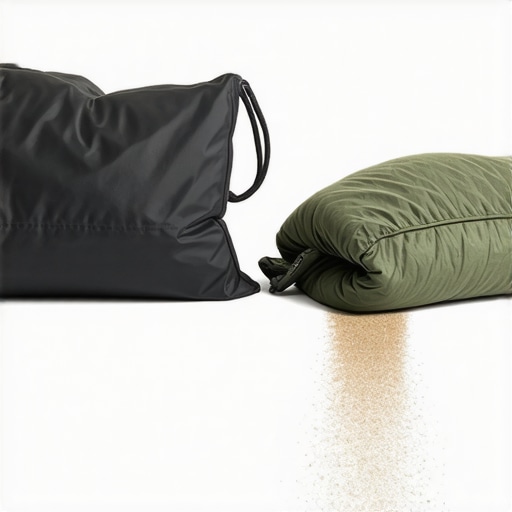
Some creators have started using refillable water bladders as an alternative to traditional sand. These are the ultimate choice for travel because they weigh almost nothing when empty, which is a huge advantage for mobile camera reviews. However, in my testing, water weights are a disaster waiting to happen around expensive studio gear. One puncture from a C-stand pin or a sharp floor transition and your electronics are sitting in a puddle. Sand is undeniably messy to clean up if a bag fails, but it will not short out your lighting kits or ruin your microphone reviews. For a permanent studio setup, sand remains the undisputed champion of stability and equipment safety. Before making a final decision, I suggest you also check out our look at the top-tier competitor bags if you have the budget for the name-brand prestige.
The Trade-Offs of Going Industrial
- Pros: 1680D ballistic nylon construction is nearly indestructible; dual-zipper compartments effectively prevent messy sand leaks; reinforced box-stitched handles allow for heavy lifting without fear of structural failure.
- Cons: Extremely bulky and difficult to pack for travel; the stiff zippers require a long break-in period; the ballistic nylon material can slide on polished wooden surfaces without a grip aid.
Is Your Studio Style Ready for These?
These bags are perfect for the creator who has graduated beyond basic starter kits and is now mounting heavy modifiers or expensive mirrorless cameras on tall stands. If you have already identified the problem with cheap c-stands and why they tip over, these industrial bags are the logical next step in your safety protocol. They belong in the equipment list of anyone following our guide on 7 essential tools for any creator starting a home studio. However, if you are a strictly mobile vlogger who needs extreme portability, these will likely frustrate you. For lightweight travel setups, you are better off looking for 3 compact light stands that fit in a carry-on bag rather than hauling these bulky weights around.
#IMAGE_PLACEHOLDER_E#
A Solid 9/10 Verdict for Studio Safety
The peace of mind offered by industrial-grade sandbags far outweighs the minor inconvenience of their bulk. They are a one-time purchase that protects thousands of dollars in gear from accidental tips. If you struggle with the bags sliding on slick floors, pairing them with this $10 rubber mat effectively solves the traction issue. Stop gambling with your lighting kits and invest in weights that won’t fail during a high-stakes shoot. Check the latest price and see other user reviews to see why these have become the backbone of my professional creator rig.