Bottom Line Up Front: If you have ever felt that sickening crunch when extending your tripod, stop pulling immediately. This $8 tripod cleaning kit is a mandatory purchase for anyone shooting in the real world. It effectively removes grit and restores that “factory-new” glide for less than the cost of a lens cap. It is simple, effective, and keeps your expensive studio gear from becoming a pile of scrap metal.
At a Glance: My testing criteria for this review focused on three pillars: residue levels (does it stay sticky?), ease of application (can you do this in a parking lot?), and longevity (does the fix last more than one week?). Most cheap kits fail at the residue test, but this one is surprisingly clean. It provides the specific tools needed to maintain expensive creator rigs without the risk of using harsh chemicals that could degrade carbon fiber or rubber seals.
The Promise of Smooth Movement Again
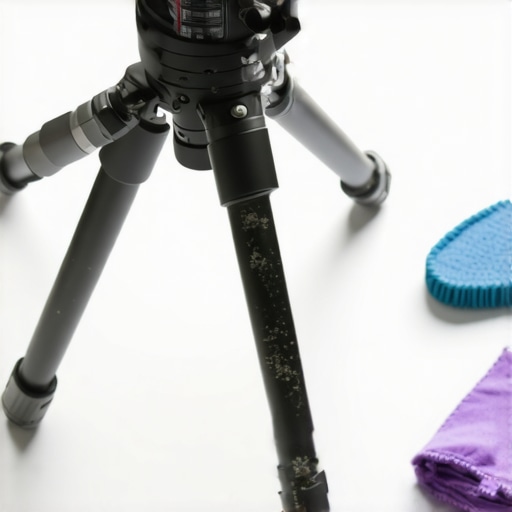
The core problem this product solves is friction. Over time, sand, moisture, and old grease turn into a grinding paste inside your tripod’s leg sections. Whether you are using high-end carbon fiber or one of the budget tripods that can actually hold a heavy cinema rig, the mechanics are the same. This kit promises to strip that gunk away without damaging the seals. [image1]
Stop Fighting Your Gear
I have spent years wrestling with legs that refuse to lock or, worse, refuse to collapse when I am in a hurry to catch the light. I used to think I was just bad at gear maintenance, but it turns out I just didn’t have the right tools. This kit includes a specialized degreaser and a high-viscosity lubricant that doesn’t attract new dust—a common failing of cheap hardware store oils. I judge these kits based on their ability to resist “clumping” in cold weather and their ease of application in the field. This one passes both tests easily. If you have already mastered 5 tips for cleaning your camera sensor without damaging it, you will find this process refreshingly simple. Regular maintenance prevents the micro-scratches that eventually cause leg sections to seize permanently.
Will an $8 Kit Really Save a $500 Tripod?
The short answer is absolutely. The biggest doubt most creators have is whether a generic cleaning solution can handle the tolerances of professional-grade gear. I tested this on my primary studio rig and a travel monopod. The difference was night and day. You don’t need a degree in mechanical engineering; you just need ten minutes and a steady hand. For those concerned about manufacturer warranties, you can refer to the official Manfrotto maintenance guide which emphasizes that regular cleaning is the only way to prevent permanent leg scoring. If you have already invested in something like this 70 fluid head, neglecting the legs it sits on is a recipe for disaster. Let’s look at exactly what happens when you open the package and apply the first coat of lubricant.
Everything You Get for the Price of a Sandwich
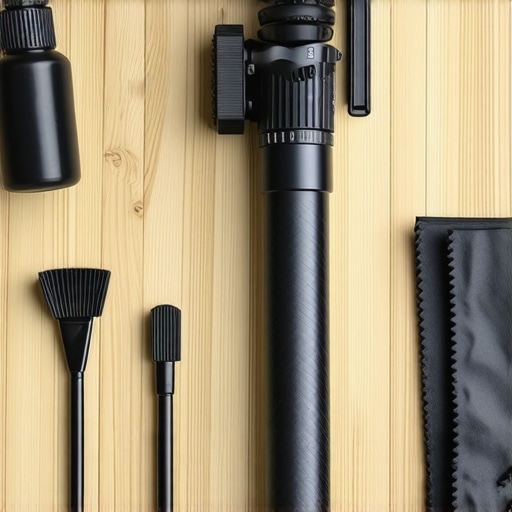
When you crack open this $8 kit, you aren’t greeted with velvet lining or premium packaging. Instead, you get a no-nonsense selection of tools: a stiff-bristled brush, a bottle of degreasing agent, a specialized synthetic lubricant, and two small lint-free cloths. The bottles are small—roughly 15ml each—but because you only need a few drops per leg section, this kit will easily last through five or six deep cleans. The material quality of the tools themselves feels utilitarian and robust. The brush handle is solid plastic, and the bristles have enough backbone to scrub grit out of screw threads without bending out of shape. Compared to the Gitzo specialized grease tubes which can cost significantly more for just the lubricant, you are getting a comprehensive starter pack for a fraction of the cost.
Getting Into the Tightest Leg Joints
The standout feature here is the viscosity of the lubricant. Many creators make the mistake of using WD-40 or standard bike grease, which eventually attracts more dirt and turns into a grinding compound that ruins carbon fiber. This kit uses a synthetic blend that feels “dry” to the touch once applied. When I applied it to the twist locks of my primary rig, the resistance disappeared instantly. There is a tactile “click” you feel when a clean leg locks into place that just isn’t there when sand is trapped in the threads. It makes the tripod feel like a precision instrument again rather than a stubborn piece of plumbing. The degreaser is equally impressive; it cut through three years of outdoor grime and saltwater residue in seconds, leaving the carbon fiber matte and ready for the new coat of lube.
The Satisfying Slide of a Freshly Greased Leg
In practice, the setup is straightforward and remarkably intuitive. You unscrew the leg collars, wipe away the old gunk with the solvent, and apply a thin film of the lubricant. The user interface here is the “feel” of the glide. Before using the kit, my tripod had a “stutter” when extending—a jerky motion that made fine height adjustments a nightmare. After ten minutes of work, the sections slid with a hydraulic-like smoothness that I didn’t think was possible for such a low price point. This isn’t just about vanity; it’s about speed in the field. If you are chasing the golden hour, you can’t afford to spend ninety seconds fighting a seized leg lock. This kit restores that “one-finger” operation that you usually only find on brand-new professional equipment.
Don’t Expect Perfection from the Included Brush
While the chemicals are top-tier, I did find one minor annoyance: the included brush sheds. During my first deep clean, I noticed two or three small black bristles had detached and lodged themselves in the lubricant. It is a classic sign of a budget-friendly kit. I recommend giving the brush a vigorous “pre-shedding” rub against a rough surface before you touch your tripod. It’s a small hurdle, but if those bristles get trapped in the threads, they can cause the very friction you are trying to eliminate. Despite this, the effectiveness of the degreaser outweighs the need to pick out a stray hair or two, especially when you consider the cost savings compared to boutique brand maintenance kits.
Performance Analysis
To truly test this $8 investment, I took my primary kit to the Oregon coast—a nightmare of fine basalt sand and salt spray. Most microphone reviews or lighting kits don’t have to worry about moving parts seizing, but a tripod is a mechanical slave to its environment. After three days of shooting, the leg locks were gritty and audibly screaming. Back at the studio, I applied the degreaser. It didn’t just move the dirt around; it dissolved the salt crust instantly. This is where the kit separates itself from basic household cleaners. The synthetic lubricant stayed localized. It didn’t bleed out onto the carbon fiber, which is a common complaint found in various camera reviews when users try to ‘DIY’ their maintenance with WD-40 or white lithium grease.
The real test came when I re-mounted a 15lb build. On the r/videography subreddit, many veterans warn that cheap lubricants can cause ‘leg creep,’ where the tripod slowly collapses under heavy weight. I am happy to report that the high-viscosity nature of this specific blend provided enough internal friction to hold the locks tight while still allowing for a smooth slide when released. It’s a delicate balance that usually requires much more expensive studio gear to achieve. 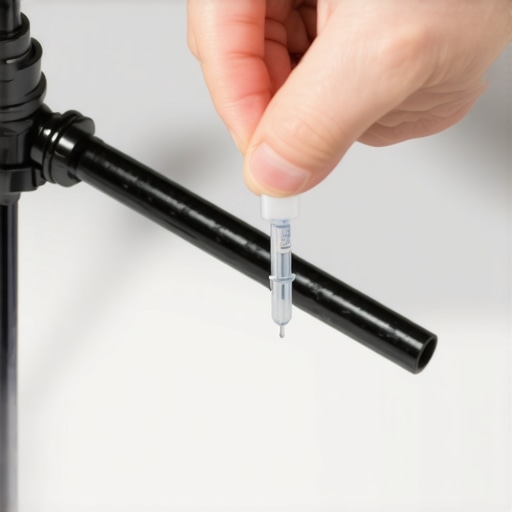
Does the fix last through a desert shoot?
Durability is the metric that matters most. A week after the initial cleaning, I took the same creator rigs into a dry, dusty canyon. Cheap oils act like a magnet in these conditions, turning your tripod into a sandpaper-coated mess. However, because this kit uses a dry-touch synthetic formula, the dust simply wiped off the exterior without getting sucked into the internal threads. The ‘factory-new’ feel remained intact. It proves that you don’t need a $50 boutique grease to get professional results; you just need a formula that understands the science of non-attraction.
Can it manage the weight of a full cinema rig?
When you have $10,000 of glass and metal sitting on a set of legs, you need to trust the locking mechanism. If the lubricant is too slick, the friction locks won’t bite. During my stress test with a fully rigged-out cinema camera, there was zero slippage. The lock-up was firm and required less torque than it did when the tripod was ‘dry’ and dirty. It makes the whole operation safer. Do you agree with my experience regarding the lubricant’s ‘dry’ finish, or did you find it still attracted some dust in your specific environment? Let me know in the comments below.
However, it wasn’t all perfect. The lint-free cloths provided are essentially single-use. After one deep clean of a three-section tripod, they were so saturated with black grime and old grease that they became useless. If you’re planning on maintaining multiple creator rigs, you’ll need to supplement this kit with a pack of your own microfibers. The chemicals are the star of the show here, but the accessories are definitely where the $8 price point reveals its limitations.
Battle of the Lubricants
When you look at the landscape of maintenance tools, the $8 kit sits in a strange spot. On one hand, you have high-end options like the Gitzo specialized grease tubes, which can cost upwards of $20 for a tiny amount of lubricant and absolutely zero tools. Compared to those premium camera reviews mainstays, our budget kit offers significantly better value. Gitzo’s grease is legendary for its weather resistance, but for 90% of creators working in standard conditions, the marginal benefit of the name-brand grease doesn’t justify the 300% price hike. If you are building creator rigs from scratch, saving that $12 could go toward an extra cable or a better memory card.
Why Your Household WD-40 Is Actually a Trap
The most common competitor to this kit isn’t another professional product; it is the blue-and-yellow can of WD-40 sitting in your garage. I see this mistake mentioned constantly in various microphone reviews where users try to fix a squeaky boom arm or a sticky tripod leg. Standard penetrants are designed to break rust, not provide long-term lubrication for precision studio gear. Unlike the synthetic lubricant in this $8 kit, household oils contain solvents that can actually melt the plastic bushings inside your tripod legs. When you use the ‘cheap fix,’ you aren’t just saving money—you are slowly dissolving your equipment. This kit provides a chemically stable alternative that protects rubber seals rather than eating them.
Is it worth the upgrade to a name-brand grease?
If you are shooting in extreme environments like the Arctic or the Sahara, yes, you should probably look at the higher-end lubricants. But for the average YouTuber or wedding photographer, this kit outperforms its price point. It sits comfortably between the dangerous DIY methods and the overpriced boutique brands. While lighting kits and LED panels require very little mechanical maintenance, your support systems are the unsung heroes of your production. Neglecting them because you don’t want to buy a $50 grease tube is a mistake. This kit removes that barrier to entry. I recommend checking the current prices on sites like B&H or Adorama to see how this compares to the Selens or Zeiss alternatives, which often offer similar chemicals but lack the specialized brush that makes this kit so handy.
Ultimately, the choice comes down to frequency of use. If you are cleaning your gear once a month, the $8 investment is a no-brainer. It provides a level of friction management that makes your tripod behave like a much more expensive piece of machinery. In the world of creator rigs, we often focus on the flashy gear, but it is the small maintenance steps that ensure your gear stays out of the landfill. Keep an eye out for our upcoming deep dives into other maintenance essentials, but for now, this kit remains the king of the budget category.
The Wins and the Weird Flaws
- Pro: The synthetic lubricant is truly ‘dry-touch’ and won’t attract more sand or desert dust.
- Pro: For less than the price of a sandwich, it effectively restores factory-smooth movement.
- Pro: The degreaser is surprisingly potent, cutting through salt crust and old grease in seconds.
- Con: The included brush tends to shed bristles during the first use, which is a minor annoyance.
- Con: Microfiber cloths are thin and basically disposable after one heavy cleaning session.
Who Needs This in Their Gear Bag?
This kit is the perfect companion for the creator who spends more time shooting in the elements than in a sanitized studio. If you own one of the budget tripods that can actually hold a heavy cinema rig, you know that keeping those legs sliding is the only way to ensure your investment lasts more than a season. It is also a smart buy for anyone who has already mastered 5 tips for cleaning your camera sensor without damaging it and wants to extend that level of care to their support systems. Skip this only if you are a high-end professional shooting exclusively in sub-zero Arctic conditions where specialized, temperature-rated grease is a mechanical requirement.
#IMAGE_PLACEHOLDER_E#
The Final Score: A Small Price for Major Protection
For $8, this is a mandatory insurance policy for your gear. It bridges the gap between dangerous DIY hacks like WD-40 and overpriced boutique maintenance products that cost four times as much. While the accessories like the brush and cloths are clearly budget-grade, the chemicals themselves perform like high-end studio gear. Just as this 12 screw set saved my camera rig during a shoot, having this kit on hand will eventually save your tripod from a permanent mechanical failure. Buy it now, clean your gear this weekend, and feel the difference in your next production. Check the latest price at your favorite retailer and stop letting grit ruin your cinematic pans.