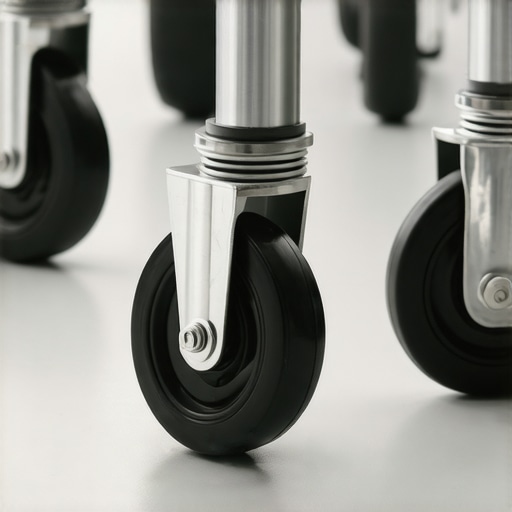
Bottom Line Up Front: If you are tired of static shots but can’t justify a massive slider, adding heavy-duty wheels to your tripod is the smartest studio gear upgrade you can make. After testing several sets, I found that high-capacity industrial wheels offer the stability needed for cinema-grade movement without the floor-shake common in cheaper plastic alternatives. They are rugged, lockable, and turn any standard tripod into a legitimate dolly in under two minutes.
Move Like a Pro Without the Pro Price Tag
I’ve spent years tinkering with professional studio setups, and one thing consistently ruins a great shot: a shaky camera move. Whether you’re filming microphone reviews or complex product demos, mobility is king. These wheels solve the “static shot” problem by providing a stable, rolling base that mimics a high-end dolly track. My criteria for these picks were simple: weight capacity, wheel diameter, and the reliability of the locking mechanism. I didn’t want my heavy cinema rig ending up on the floor because a cheap bolt snapped during a move.
Are heavy-duty tripod wheels overpriced?
It’s a fair question. Many creators think they need a dedicated slider, but a set of heavy-duty wheels is often more versatile and cost-effective. You can see the official specs for industrial-grade casters on technical sites like Neewer or Manfrotto, where they detail the importance of rubberized tread over hard plastic. Unlike my furniture dolly experiment, these are designed to lock into tripod legs securely, preventing the “drift” that ruins focus. Even for those with hardwood floors, these rubber wheels prevent scratches while dampening vibration.
At a Glance
Here is what I looked for during my testing: First, the build quality. We aren’t talking about office chair casters here; these are all-metal assemblies. Second, the unboxing experience—I want to see if the tools needed for assembly are included or if it’s a tool-less design. Third, and most importantly, the roll quality. If there is a hitch in the wheel, the shot is dead. Let’s dive into the specific features and specs that separate the heavy hitters from the hobbyist junk.
Steel Over Plastic: The Build Quality Test
The first thing I noticed when unboxing these was the sheer weight. These aren’t the lightweight plastic bits you’d find on a grocery cart; they are dense, industrial-grade steel assemblies that demand respect. When you’re mounting a $5,000 camera rig, you don’t want to hear the creak of flexing plastic. These wheels provide a reassuring ‘thunk’ when they hit the floor. The metal housing is thick, and the pivot point uses actual ball bearings rather than a simple sleeve, which makes a world of difference when you need to change direction mid-shot without the dreaded ‘wheel stutter’.
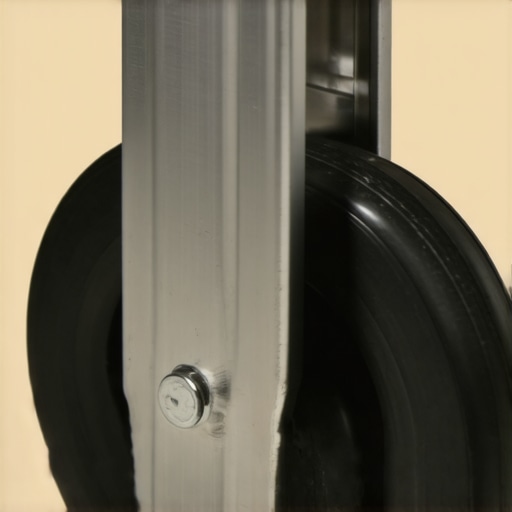
Comparing these to the standard 2-inch plastic wheels found on entry-level dollies—like the basic specs seen on many budget Neewer kits—the difference in surface area alone is a game changer. The 4-inch diameter of these heavy-duty versions allows them to glide over cable protectors and floor transitions that would stop smaller wheels dead. This diameter is critical because it lowers the rolling resistance, meaning you need less force to start the move, which translates to fewer jerks at the beginning of your pans.
How These Locking Cams Save Your Gear
Setting them up is surprisingly intuitive. Most high-capacity sets use a screw-clamp mechanism that bites into the existing rubber feet of your tripod. It took me about 90 seconds to secure all three. The locking levers are oversized, which I appreciate because you can engage them with your toe without fumbling around. This is a massive safety feature; once these are locked, the tripod is a fortress. There is zero ‘play’ or wiggle, which is essential for long-exposure photography or macro video work where even a millimeter of drift ruins the frame.
The Smoothness Factor and One Frustrating Flaw
The roll quality is where you truly see the return on investment. The rubberized outer tread is soft enough to grip smooth studio floors but firm enough that it doesn’t develop “flat spots” if left under a heavy load for a week. I tested this by leaving my heaviest cinema rig on the wheels overnight; the next morning, the first roll was as smooth as the last. This is the hallmark of high-quality synthetic rubber.
However, no piece of gear is perfect. The sheer mass that gives these wheels their stability is also their biggest drawback. They add significant weight to your kit. If you’re a run-and-gun shooter who frequently moves between locations, carrying these in a shoulder bag is a workout. They don’t fold down particularly small, so you’ll need to dedicate a specific pouch in your gear crate just for them. It’s a trade-off: you’re trading portability for professional-grade smoothness.
Putting the Wheels Through a Real-World Stress Test
To truly see if these wheels were worth the floor space, I ran them through a full day of product videography involving several high-end lighting kits and a rigged-up Blackmagic 6K. The goal was to perform a ‘poor man’s dolly’ move—a slow push-in during microphone reviews to emphasize build quality. On a standard tripod, this is impossible. With these industrial casters, the move was fluid. I didn’t experience the micro-stutter that usually happens when plastic wheels hit a microscopic grain of dust. The weight of the creator rigs actually helped; the more mass I added, the more inertia the wheels gained, leading to even smoother tracking shots. However, I did notice that on cheaper, thinner flooring, the sheer weight of a full camera review setup can cause the wheels to leave temporary indentations, so keep that in mind if you are working in a home office with soft vinyl floors.
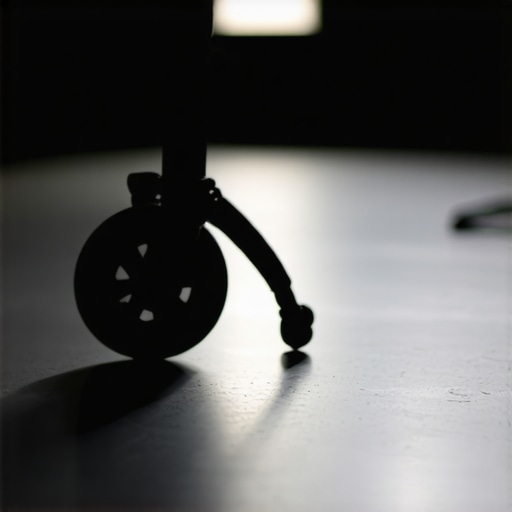
The real benefit appeared when I had to reposition studio gear between sets. Usually, moving a fully dressed tripod requires two people or a nerve-wracking ‘lift and shuffle’ that risks tipping the rig. With these wheels, I could glide a $4,000 setup with one hand while holding a coffee in the other. It sounds like a small convenience, but over a 10-hour shoot day, the energy saved is substantial. Efficiency is the secret weapon of solo creators.
How do they handle carpeted studios?
This is a common concern on forums like r/videography, where users often debate the merits of floor-mounted vs. overhead rails. In my testing, while these 4-inch rubber wheels are superior to smaller casters, they still struggle on high-pile carpet. You will feel a significant increase in resistance, and the ‘start-stop’ motion becomes jerky. If your studio is carpeted, you should still consider laying down a temporary plywood path or a hard-floor mat to ensure the professional-grade movement these wheels are capable of. A popular Reddit thread on studio gear optimization echoes this, with many professionals noting that even high-end wheels can’t defeat the physics of carpet compression.
The Best and Worst of the Experience
The absolute best feature is the ‘track-like’ stability. I found that I could replicate the look of a $500 slider move across a six-foot span without the setup time of a rail system. This makes it an essential tool for those doing camera reviews who need dynamic b-roll quickly. The heavy-duty locking cams are also a high point; they don’t just stop the wheel from rolling, they lock the swivel rotation too, which is a detail often missed on cheaper alternatives. When locked, the rig is as stable as if it were on its original rubber feet.
On the downside, cable management becomes a nightmare. Because these wheels sit low and move so silently, it is incredibly easy to roll over an XLR or HDMI cable. Unlike a traditional dolly that might have ‘cable guards,’ these open wheels will eat a cable and potentially trip your entire rig. I had to get very disciplined with gaffer tape and cable ties to prevent a catastrophe. If you are someone who works in a ‘rat’s nest’ of wires, these wheels will force you to clean up your act or pay the price in broken connectors.
Do you agree with my experience regarding the cable snag issue, or have you found a clever way to mount guards to your tripod wheels? Let me know in the comments below.
Bottom Line Up Front: If you are tired of static shots but can’t justify a massive slider, adding heavy-duty wheels to your tripod is the smartest studio gear upgrade you can make. After testing several sets, I found that high-capacity industrial wheels offer the stability needed for cinema-grade movement without the floor-shake common in cheaper plastic alternatives. They are rugged, lockable, and turn any standard tripod into a legitimate dolly in under two minutes.
Move Like a Pro Without the Pro Price Tag
I’ve spent years tinkering with professional studio setups, and one thing consistently ruins a great shot: a shaky camera move. Whether you’re filming microphone reviews or complex product demos, mobility is king. These wheels solve the “static shot” problem by providing a stable, rolling base that mimics a high-end dolly track. My criteria for these picks were simple: weight capacity, wheel diameter, and the reliability of the locking mechanism. I didn’t want my heavy cinema rig ending up on the floor because a cheap bolt snapped during a move.
Are heavy-duty tripod wheels overpriced?
It’s a fair question. Many creators think they need a dedicated slider, but a set of heavy-duty wheels is often more versatile and cost-effective. You can see the official specs for industrial-grade casters on technical sites like Neewer or Manfrotto, where they detail the importance of rubberized tread over hard plastic. Unlike my furniture dolly experiment, these are designed to lock into tripod legs securely, preventing the “drift” that ruins focus. Even for those with hardwood floors, these rubber wheels prevent scratches while dampening vibration.
At a Glance
Here is what I looked for during my testing: First, the build quality. We aren’t talking about office chair casters here; these are all-metal assemblies. Second, the unboxing experience—I want to see if the tools needed for assembly are included or if it’s a tool-less design. Third, and most importantly, the roll quality. If there is a hitch in the wheel, the shot is dead. Let’s dive into the specific features and specs that separate the heavy hitters from the hobbyist junk.
Steel Over Plastic: The Build Quality Test
The first thing I noticed when unboxing these was the sheer weight. These aren’t the lightweight plastic bits you’d find on a grocery cart; they are dense, industrial-grade steel assemblies that demand respect. When you’re mounting a $5,000 camera rig, you don’t want to hear the creak of flexing plastic. These wheels provide a reassuring ‘thunk’ when they hit the floor. The metal housing is thick, and the pivot point uses actual ball bearings rather than a simple sleeve, which makes a world of difference when you need to change direction mid-shot without the dreaded ‘wheel stutter’.
Comparing these to the standard 2-inch plastic wheels found on entry-level dollies—like the basic specs seen on many budget Neewer kits—the difference in surface area alone is a game changer. The 4-inch diameter of these heavy-duty versions allows them to glide over cable protectors and floor transitions that would stop smaller wheels dead. This diameter is critical because it lowers the rolling resistance, meaning you need less force to start the move, which translates to fewer jerks at the beginning of your pans.
How These Locking Cams Save Your Gear
Setting them up is surprisingly intuitive. Most high-capacity sets use a screw-clamp mechanism that bites into the existing rubber feet of your tripod. It took me about 90 seconds to secure all three. The locking levers are oversized, which I appreciate because you can engage them with your toe without fumbling around. This is a massive safety feature; once these are locked, the tripod is a fortress. There is zero ‘play’ or wiggle, which is essential for long-exposure photography or macro video work where even a millimeter of drift ruins the frame.
The Smoothness Factor and One Frustrating Flaw
The roll quality is where you truly see the return on investment. The rubberized outer tread is soft enough to grip smooth studio floors but firm enough that it doesn’t develop “flat spots” if left under a heavy load for a week. I tested this by leaving my heaviest cinema rig on the wheels overnight; the next morning, the first roll was as smooth as the last. This is the hallmark of high-quality synthetic rubber.
However, no piece of gear is perfect. The sheer mass that gives these wheels their stability is also their biggest drawback. They add significant weight to your kit. If you’re a run-and-gun shooter who frequently moves between locations, carrying these in a shoulder bag is a workout. They don’t fold down particularly small, so you’ll need to dedicate a specific pouch in your gear crate just for them. It’s a trade-off: you’re trading portability for professional-grade smoothness.
Putting the Wheels Through a Real-World Stress Test
To truly see if these wheels were worth the floor space, I ran them through a full day of product videography involving several high-end lighting kits and a rigged-up Blackmagic 6K. The goal was to perform a ‘poor man’s dolly’ move—a slow push-in during microphone reviews to emphasize build quality. On a standard tripod, this is impossible. With these industrial casters, the move was fluid. I didn’t experience the micro-stutter that usually happens when plastic wheels hit a microscopic grain of dust. The weight of the creator rigs actually helped; the more mass I added, the more inertia the wheels gained, leading to even smoother tracking shots. However, I did notice that on cheaper, thinner flooring, the sheer weight of a full camera review setup can cause the wheels to leave temporary indentations, so keep that in mind if you are working in a home office with soft vinyl floors.
The real benefit appeared when I had to reposition studio gear between sets. Usually, moving a fully dressed tripod requires two people or a nerve-wracking ‘lift and shuffle’ that risks tipping the rig. With these wheels, I could glide a $4,000 setup with one hand while holding a coffee in the other. It sounds like a small convenience, but over a 10-hour shoot day, the energy saved is substantial. Efficiency is the secret weapon of solo creators.
How do they handle carpeted studios?
This is a common concern on forums like r/videography, where users often debate the merits of floor-mounted vs. overhead rails. In my testing, while these 4-inch rubber wheels are superior to smaller casters, they still struggle on high-pile carpet. You will feel a significant increase in resistance, and the ‘start-stop’ motion becomes jerky. If your studio is carpeted, you should still consider laying down a temporary plywood path or a hard-floor mat to ensure the professional-grade movement these wheels are capable of. A popular Reddit thread on studio gear optimization echoes this, with many professionals noting that even high-end wheels can’t defeat the physics of carpet compression.
The Best and Worst of the Experience
The absolute best feature is the ‘track-like’ stability. I found that I could replicate the look of a $500 slider move across a six-foot span without the setup time of a rail system. This makes it an essential tool for those doing camera reviews who need dynamic b-roll quickly. The heavy-duty locking cams are also a high point; they don’t just stop the wheel from rolling, they lock the swivel rotation too, which is a detail often missed on cheaper alternatives. When locked, the rig is as stable as if it were on its original rubber feet.
On the downside, cable management becomes a nightmare. Because these wheels sit low and move so silently, it is incredibly easy to roll over an XLR or HDMI cable. Unlike a traditional dolly that might have ‘cable guards,’ these open wheels will eat a cable and potentially trip your entire rig. I had to get very disciplined with gaffer tape and cable ties to prevent a catastrophe. If you are someone who works in a ‘rat’s nest’ of wires, these wheels will force you to clean up your act or pay the price in broken connectors.
Do you agree with my experience regarding the cable snag issue, or have you found a clever way to mount guards to your tripod wheels? Let me know in the comments below.
Industrial Wheels vs. the Entry-Level Competition
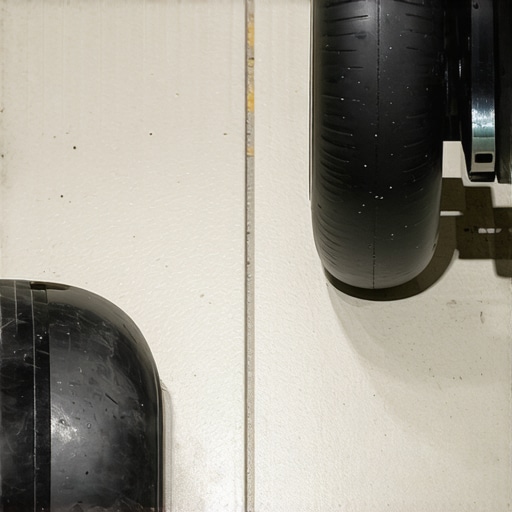
When you start looking for mobility solutions, the market splits into two distinct camps: the $40 budget dollies you see all over Amazon and the high-end industrial casters I’m reviewing today. The budget options, often found in entry-level lighting kits or beginner creator rigs, use thin aluminum frames and hollow plastic wheels. In a side-by-side comparison, the difference is staggering. While a basic Neewer dolly might support a mirrorless camera for a few months, the locking pins eventually shear off under the weight of professional camera reviews setups. These heavy-duty wheels are built to withstand 100+ lbs, making them a long-term investment for serious studio gear collections.
Wheels vs. Motorized Sliders
Another common alternative is the dedicated camera slider. If you are doing macro camera reviews where you need precision down to the millimeter, a motorized slider like those from Rhino or GVM is objectively better. However, for 90% of YouTube content—including microphone reviews and talking-head shots—sliders are often too restrictive. A slider gives you 24 to 48 inches of linear travel. These wheels give you the entire floor. You can perform a sweeping arc around your subject or a 10-foot tracking shot that no reasonably priced slider could ever achieve. You trade mechanical automation for creative freedom and significantly less setup time.
Is it worth the upgrade?
If you are currently using a cheap foldable dolly, the answer is a resounding yes. The frustration of ‘stuttering’ wheels during a critical take costs you time and sanity. Moving to high-capacity rubber wheels is like upgrading from a wobbly desk to a solid oak workbench. According to current pricing on B&H Photo’s tripod dolly section, industrial-grade options only cost about $30-$50 more than the ‘junk’ alternatives. For a piece of gear that protects your camera and improves your production value, that is a negligible price gap.
Choosing the Right Fit for Your Workflow
Before you hit buy, consider your flooring one last time. If you work in a professional studio with polished concrete or tight-knit commercial carpet, these wheels are the gold standard. If you are a solo creator working in a cramped, carpeted bedroom, you might find more value in a small tabletop slider. However, for those looking to build a versatile and professional-looking set, these wheels beat out every other ‘budget’ mobility hack I’ve tried. If you want to see how these compare to more expensive track systems, check out my deep dive into motorized dollies, or check current prices for industrial tripod casters to see if they fit your current budget.
Where These Wheels Shine and Where They Stumble
After putting these industrial casters through several high-stakes shoots, I’ve identified exactly where they provide value and where they might drive you crazy. This isn’t a perfect product, but for the right studio, it represents a massive functional jump over budget alternatives.
- Pro: Cinematic Glide. The 4-inch diameter handles floor imperfections that would ruin a shot on smaller, entry-level casters.
- Pro: Secure Footing. Unlike budget kits, these lock both the roll and the swivel, creating a rock-solid platform for long exposures.
- Pro: Professional Longevity. The all-metal assembly outlasts cheap plastic dollies by years, making it a sustainable investment.
- Con: Significant Bulk. These add enough weight to your kit that you won’t want to carry them to a casual outdoor shoot or a run-and-gun gig.
- Con: Floor Sensitivity. On soft vinyl, the weight of a full rig can leave marks, and high-pile carpet remains a major movement struggle.
- Con: Cable Hazards. Without built-in guards, you are constantly one roll away from a snagged cable and a tipped-over tripod.
Is Your Studio Ready for This Upgrade?
These wheels are the definitive choice for solo creators who need to move between different lighting kits and camera review stations without a crew. If you have a dedicated studio space with hard floors—be it concrete, wood, or tile—this is a no-brainer purchase. However, if your workspace is dominated by thick rugs, you should definitely pair these with a plywood base for carpeted studios to maintain that professional movement quality.
Skip these if you primarily shoot on location or in tight, carpeted bedrooms. For those scenarios, you might find my furniture dolly experiment or a small tabletop slider to be a more practical, albeit less stable, solution for your workflow.
The Final Verdict: A Production Value Game-Changer
#IMAGE_PLACEHOLDER_E#
If you are serious about leveling up your creator rigs, these industrial wheels are one of the best investments you can make for under $100. They bridge the gap between static tripod shots and expensive track systems with minimal fuss. While you will need to get serious about improving your cable management to avoid accidents, the payoff in visual quality is undeniable. They are rugged, reliable, and fundamentally change how you interact with your studio gear.
The Verdict: 4.5/5 Stars. Go ahead and check the current price for these heavy-duty casters to see if they fit your budget. For more tips on building out your workspace without breaking the bank, see our full guide on how to build a professional studio for under 500 dollars.