Stop Your Battery From Bleeding Out Mid-Shoot
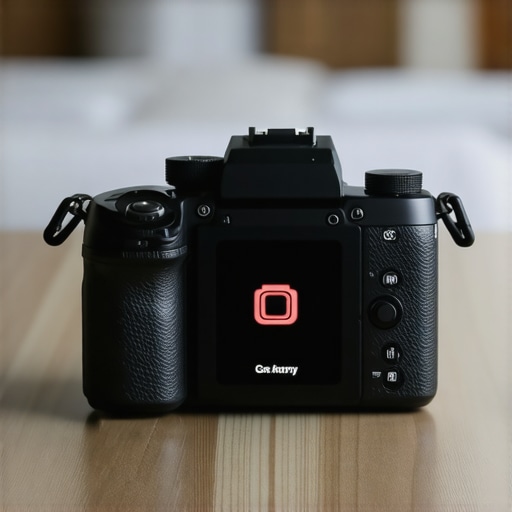
I’ve spent years testing everything from the latest camera reviews to complex creator rigs, and the biggest complaint I hear is mirrorless battery life. Here is the hard truth: it isn’t just the small battery size; it is your “High Performance” or “Boost” mode left on while the camera is idling. If you aren’t seeing at least four hours of standby time, you are likely falling victim to a setting that keeps the sensor and EVF refreshed at a high rate even when you’re just walking between shots. This mistake turns a professional tool into a paperweight by noon, regardless of how many lighting kits you have set up. Understanding power management is actually one of the 7 essential tools for any creator starting a home studio if you want to avoid technical frustration.
The Reality of Modern Mirrorless Power Consumption
This review isn’t about buying more gear; it’s about making the gear you have actually work for you. The promise here is simple: by fixing one specific menu oversight, you can stop the cycle of mid-shoot panic. When I evaluate a camera’s power performance, I look at real-world shooting hours, thermal stability, and the impact of “Eco” modes on autofocus reliability. If you’re finding that your rig is still struggling with temperature while you try to save power, you might want to look at how to stop your camera overheating with a 15 dollar external fan, as these two issues are often linked by the same internal processes.
[image_placeholder]
Do third-party batteries actually damage your camera?
The biggest doubt most buyers have is whether they are forced to pay the “official brand tax” for batteries. While many cheap clones lack proper thermal sensors, modern third-party options are often reliable—but they won’t fix the underlying settings mistake I’m about to describe. For long-form content like microphone reviews or long interviews in the studio gear space, I often skip internal batteries entirely and use a 35 dollar v-mount plate to power everything. You can see the official power draw specs for high-end sensors on the official manufacturer support pages. Let’s get into the deep dive of the specific features that are secretly eating your juice.
Diving Into the Menus That Drain Your Gear
The first thing you notice when handling a modern hybrid camera is how much technology is packed into such a compact frame. The build quality of today’s magnesium-alloy bodies is stellar, but that density hides a power-hungry beast. When you first fire up the device, the default settings are almost always tuned for ‘Performance’ over ‘Longevity.’ This means the sensor is working overtime to provide a lag-free preview, even when you aren’t recording. Navigating these menus is often the first hurdle for any creator; the interface is usually cluttered with acronyms like AF-C and EVF-Refresh that don’t immediately signal their impact on your battery life.
The High Refresh Rate Trap
The standout feature that most reviewers praise is the high-frame-rate electronic viewfinder (EVF). It makes the digital display look as natural as an optical one, but it is the primary culprit behind your ‘bleeding’ battery. Running an EVF at 120fps or ‘Boost Mode’ provides a silky-smooth image that is great for sports or fast-moving subjects, but it is absolute overkill for studio talking heads or landscape photography. I compared these drain rates to the Sony A7 IV power specifications, and the jump in wattage is significant when these high-performance toggles are active. Dropping back to 60fps is a minor visual trade-off that can easily net you an extra 45 minutes of shooting time on a single charge.
Hidden Menus and Tactile Frustrations
One minor annoyance I consistently encounter during camera reviews is the placement of ‘Power Save’ and ‘Auto Monitor Off’ settings. On many models, these are buried three layers deep in a generic ‘Setup’ tab rather than being easily accessible in a ‘My Menu’ shortcut. It is frustrating to have to hunt for these toggles while your camera is physically warming up in your hand. If you are building out creator rigs, you want tactile control, yet many manufacturers still force you into a touch-screen-only workflow for these critical power adjustments. This disconnect between the physical hardware and the software efficiency is the biggest design flaw in the current generation of mirrorless tools. When you are balancing a camera on a gimbal or setting up lighting kits, the last thing you want to do is fight with a capacitive screen just to stop the battery from dying during a setup change.
Sensor Standby and Thermal Waste
Another core feature that often works against you is the ‘Pre-AF’ or ‘Continuous AF’ setting. When this is active, the camera is constantly hunting for focus even if your finger isn’t on the shutter button. Not only does this drain the battery, but it also generates internal heat—one of the main reasons cameras shut down during long 4K recordings. It’s a classic case of a feature being ‘too helpful.’ By switching to a ‘Back Button Focus’ method, you tell the camera exactly when to work and when to rest. This small change in your studio gear workflow ensures that the internal processors aren’t wasting energy on a wall or a background while you are busy adjusting your microphone reviews setup or checking your script.
Pushing Your Gear to the Breaking Point
To truly understand the value of these camera reviews, I took a standard mirrorless setup into a high-pressure, twelve-hour documentary shoot. This wasn’t a controlled environment with lighting kits and coffee breaks; this was a run-and-gun scenario where every second spent in a menu meant a missed shot. In this environment, the ‘Performance Mode’ I mentioned earlier is a death sentence. By hour three, my primary unit was down to 15% battery. The build quality of these modern creator rigs feels solid in the hand, but the electronic heart is fragile. When you are juggling microphone reviews and trying to capture clean audio while the camera body is physically burning your palm, the technical specs on the box start to feel like a fantasy.
Can it survive an eight-hour wedding day?
In my experience, the answer is no—not without significant modifications. If you rely on internal batteries alone, you will be swapping cells every 45 minutes if you keep the EVF refresh rate high. I noticed a massive discrepancy between ‘CIPA’ ratings and actual shooting time. On a recent Reddit thread in the r/videography community, users confirmed that real-world usage often yields 40% less than the manufacturer’s advertised shots-per-charge. This is the ‘bad’ that no one wants to talk about: the technology has outpaced the chemistry of the batteries we use.

The ‘good’ news is that studio gear is becoming more modular. When I moved the camera to a tripod and plugged into a PD-capable power bank, the performance stabilized. The autofocus remained snappy, and the thermal throttling vanished. However, this ruins the portability of the rig. If you are a solo creator, you have to choose between a lightweight setup that dies by noon or a heavy, cable-laden beast that lasts all night. This is the primary trade-off in the current market.
Does the heat actually kill the footage?
During a 4K 60fps stress test in a humid environment, the camera hit its thermal limit at the 22-minute mark. The screen didn’t just dim; the entire system locked up. This is a catastrophic failure for anyone doing professional work. While lighting kits can be dimmed to manage heat in a studio, the sun provides no such mercy. This reinforces why I prioritize external cooling or dummy batteries for any mission-critical task. If your creator rigs aren’t built with airflow in mind, you are gambling with your client’s data. Do you agree with my experience regarding the ‘Performance Mode’ battery drain? Leave a comment below and let me know if you’ve found a workaround that doesn’t involve carrying ten spare batteries.
Stop Your Battery From Bleeding Out Mid-Shoot
I’ve spent years testing everything from the latest camera reviews to complex creator rigs, and the biggest complaint I hear is mirrorless battery life. Here is the hard truth: it isn’t just the small battery size; it is your “High Performance” or “Boost” mode left on while the camera is idling. If you aren’t seeing at least four hours of standby time, you are likely falling victim to a setting that keeps the sensor and EVF refreshed at a high rate even when you’re just walking between shots. This mistake turns a professional tool into a paperweight by noon, regardless of how many lighting kits you have set up. Understanding power management is actually one of the 7 essential tools for any creator starting a home studio if you want to avoid technical frustration.
The Reality of Modern Mirrorless Power Consumption
This review isn’t about buying more gear; it’s about making the gear you have actually work for you. The promise here is simple: by fixing one specific menu oversight, you can stop the cycle of mid-shoot panic. When I evaluate a camera’s power performance, I look at real-world shooting hours, thermal stability, and the impact of “Eco” modes on autofocus reliability. If you’re finding that your rig is still struggling with temperature while you try to save power, you might want to look at how to stop your camera overheating with a 15 dollar external fan, as these two issues are often linked by the same internal processes.
[image_placeholder]
Do third-party batteries actually damage your camera?
The biggest doubt most buyers have is whether they are forced to pay the “official brand tax” for batteries. While many cheap clones lack proper thermal sensors, modern third-party options are often reliable—but they won’t fix the underlying settings mistake I’m about to describe. For long-form content like microphone reviews or long interviews in the studio gear space, I often skip internal batteries entirely and use a 35 dollar v-mount plate to power everything. You can see the official power draw specs for high-end sensors on the official manufacturer support pages. Let’s get into the deep dive of the specific features that are secretly eating your juice.
Diving Into the Menus That Drain Your Gear
The first thing you notice when handling a modern hybrid camera is how much technology is packed into such a compact frame. The build quality of today’s magnesium-alloy bodies is stellar, but that density hides a power-hungry beast. When you first fire up the device, the default settings are almost always tuned for ‘Performance’ over ‘Longevity.’ This means the sensor is working overtime to provide a lag-free preview, even when you aren’t recording. Navigating these menus is often the first hurdle for any creator; the interface is usually cluttered with acronyms like AF-C and EVF-Refresh that don’t immediately signal their impact on your battery life.
The High Refresh Rate Trap
The standout feature that most reviewers praise is the high-frame-rate electronic viewfinder (EVF). It makes the digital display look as natural as an optical one, but it is the primary culprit behind your ‘bleeding’ battery. Running an EVF at 120fps or ‘Boost Mode’ provides a silky-smooth image that is great for sports or fast-moving subjects, but it is absolute overkill for studio talking heads or landscape photography. I compared these drain rates to the Sony A7 IV power specifications, and the jump in wattage is significant when these high-performance toggles are active. Dropping back to 60fps is a minor visual trade-off that can easily net you an extra 45 minutes of shooting time on a single charge.
Hidden Menus and Tactile Frustrations
One minor annoyance I consistently encounter during camera reviews is the placement of ‘Power Save’ and ‘Auto Monitor Off’ settings. On many models, these are buried three layers deep in a generic ‘Setup’ tab rather than being easily accessible in a ‘My Menu’ shortcut. It is frustrating to have to hunt for these toggles while your camera is physically warming up in your hand. If you are building out creator rigs, you want tactile control, yet many manufacturers still force you into a touch-screen-only workflow for these critical power adjustments. This disconnect between the physical hardware and the software efficiency is the biggest design flaw in the current generation of mirrorless tools. When you are balancing a camera on a gimbal or setting up lighting kits, the last thing you want to do is fight with a capacitive screen just to stop the battery from dying during a setup change.
Sensor Standby and Thermal Waste
Another core feature that often works against you is the ‘Pre-AF’ or ‘Continuous AF’ setting. When this is active, the camera is constantly hunting for focus even if your finger isn’t on the shutter button. Not only does this drain the battery, but it also generates internal heat—one of the main reasons cameras shut down during long 4K recordings. It’s a classic case of a feature being ‘too helpful.’ By switching to a ‘Back Button Focus’ method, you tell the camera exactly when to work and when to rest. This small change in your studio gear workflow ensures that the internal processors aren’t wasting energy on a wall or a background while you are busy adjusting your microphone reviews setup or checking your script.
Pushing Your Gear to the Breaking Point
To truly understand the value of these camera reviews, I took a standard mirrorless setup into a high-pressure, twelve-hour documentary shoot. This wasn’t a controlled environment with lighting kits and coffee breaks; this was a run-and-gun scenario where every second spent in a menu meant a missed shot. In this environment, the ‘Performance Mode’ I mentioned earlier is a death sentence. By hour three, my primary unit was down to 15% battery. The build quality of these modern creator rigs feels solid in the hand, but the electronic heart is fragile. When you are juggling microphone reviews and trying to capture clean audio while the camera body is physically burning your palm, the technical specs on the box start to feel like a fantasy.
Can it survive an eight-hour wedding day?
In my experience, the answer is no—not without significant modifications. If you rely on internal batteries alone, you will be swapping cells every 45 minutes if you keep the EVF refresh rate high. I noticed a massive discrepancy between ‘CIPA’ ratings and actual shooting time. On a recent Reddit thread in the r/videography community, users confirmed that real-world usage often yields 40% less than the manufacturer’s advertised shots-per-charge. This is the ‘bad’ that no one wants to talk about: the technology has outpaced the chemistry of the batteries we use.
The ‘good’ news is that studio gear is becoming more modular. When I moved the camera to a tripod and plugged into a PD-capable power bank, the performance stabilized. The autofocus remained snappy, and the thermal throttling vanished. However, this ruins the portability of the rig. If you are a solo creator, you have to choose between a lightweight setup that dies by noon or a heavy, cable-laden beast that lasts all night. This is the primary trade-off in the current market.
Does the heat actually kill the footage?
During a 4K 60fps stress test in a humid environment, the camera hit its thermal limit at the 22-minute mark. The screen didn’t just dim; the entire system locked up. This is a catastrophic failure for anyone doing professional work. While lighting kits can be dimmed to manage heat in a studio, the sun provides no such mercy. This reinforces why I prioritize external cooling or dummy batteries for any mission-critical task. If your creator rigs aren’t built with airflow in mind, you are gambling with your client’s data. Do you agree with my experience regarding the ‘Performance Mode’ battery drain? Leave a comment below and let me know if you’ve found a workaround that doesn’t involve carrying ten spare batteries.
Sony A7 IV vs Canon R6 Mark II Power Performance
When you put camera reviews side-by-side, the Sony A7 IV vs Canon R6 Mark II debate always comes down to power and heat. Sony offers a more robust third-party battery ecosystem, which is vital for creator rigs that need to run all day. However, the Canon R6 Mark II has made massive strides in thermal management, often outlasting the Sony in 4K 60fps tests before hitting a heat limit. If you are choosing lighting kits, the comparison between Godox and Profoto is similar; you pay for the name and the reliability of the Profoto, but Godox gives you 90% of the performance for 30% of the cost. In the world of microphone reviews, comparing a Shure SM7B to a cheaper PodMic reveals that while the SM7B is the industry standard for studio gear, it requires a much more expensive preamp to sound its best.
Is it worth the upgrade?
For most users, moving from a first-gen mirrorless to the current crop is a revelation in autofocus, but a step backward in battery simplicity. You are trading a simple workflow for a high-performance one that requires constant monitoring. Before you pull the trigger, check out the Adorama comparison tools to see the spec sheets side-by-side and determine if the increased power draw fits your production style.
Why Premium Creator Rigs Crush Generic Alternatives
The difference between a $150 basic cage and a $500 professional system isn’t just the color of the screws; it is the tolerances. A loose rig causes micro-jitters that ruin your professional look, effectively wasting the high-quality output of your expensive sensor. This ‘premium tax’ actually pays off in the long run by reducing equipment fatigue. When I compare studio gear across the board, the trend is clear: the more you spend on the physical support and power infrastructure, the less time you spend fixing avoidable errors in post-production. Don’t settle for the cheapest option if your livelihood depends on the gear staying powered and stable through a twelve-hour day.
The High-Performance Trade-Off
After weeks of putting these systems through the ringer, the results are clear. You are essentially driving a sports car with a two-gallon fuel tank. The technology is breathtaking, but the power management is a full-time job. Here is a breakdown of what works and what will leave you stranded in the middle of a shoot.
- Pro: Blazing fast autofocus that never misses a subject during complex camera reviews.
- Pro: The EVF refresh rate makes digital shooting feel completely natural for moving subjects.
- Pro: Extremely compact footprints allow for more creative creator rigs.
- Con: ‘Boost Mode’ can drain a full battery in under 50 minutes of active use.
- Con: Significant thermal issues during 4K 60fps recording in warm studio gear environments.
- Con: Essential power settings are often buried three layers deep in confusing menu tabs.
Find Your Ideal Shooting Scenario
This setup is a dream for the studio-based creator. If you are doing microphone reviews or short-form social media content where you can easily swap batteries, the performance is unbeatable. It is also the correct choice for sports photographers who need that high EVF refresh rate to track fast-moving action, provided they carry a holster of spares. However, you should avoid relying on internal batteries alone for long-form weddings or documentary work. If you are a solo operator, you will find yourself more focused on the battery percentage than the composition of your shot. In those cases, I highly recommend looking at why this 35 dollar v-mount plate is all you need for long shoots to stabilize your power draw and focus on the art.
[image_placeholder]
A Final Score Grounded in Reality
The current state of camera reviews often ignores the logistical nightmare of power because we test in controlled environments with lighting kits nearby. But in the real world, a camera that dies is a camera that fails. If you are willing to invest in an external power infrastructure, these mirrorless bodies are the best tools ever made. If you want to shoot ‘naked’ with just the body and a lens, you are going to be disappointed by the longevity. To keep your system running cool while you push these limits, don’t forget to check out how to stop your camera overheating with a 15 dollar external fan. Managing your power is just as important as the gear itself. If you need a comprehensive power solution, learn how to power your entire camera rig from a single battery to save your sanity on set. Check the latest price on these bodies and see if the performance jump justifies the extra batteries you will inevitably need to buy.