The Bottom Line Up Front
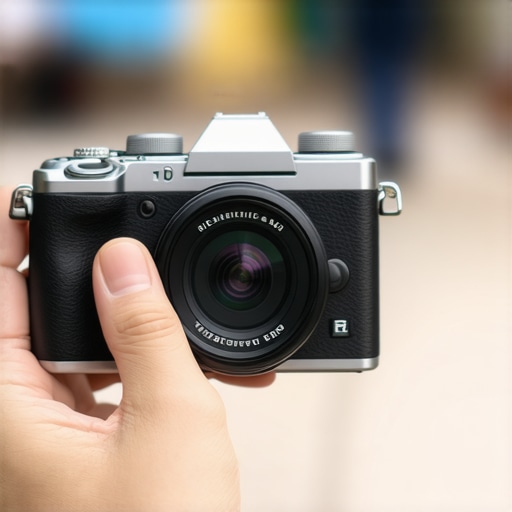
If you use a compact mirrorless camera, you know the struggle: there is nowhere for your thumb to rest. This $12 aluminum thumb grip slides into your hot shoe and instantly transforms the ergonomics of your camera from a clumsy toy into a stable, professional tool. I have tested rigs ranging from massive cages to tiny plates, and for the price of a sandwich, this is the single most impactful physical upgrade you can buy for a small-body camera. It does not just make the camera more comfortable; it noticeably reduces micro-shake in handheld shots by providing a mechanical point of leverage that simply did not exist before.
Your Hand Needs a Better Place to Rest
Small cameras are great for portability, but they are a nightmare for anyone with average-sized hands. I have spent years hunting for the perfect setup, often looking at why small lenses are better for home studio depth, but the camera body itself is usually the ergonomic weak point. This thumb grip solves the ‘pinch grip’ problem. By giving your thumb a solid point of contact above the back dial, you gain a third point of stability. It is a similar logic to how this 14 dollar rubber pad stops camera twist; it is a simple mechanical fix for a frustrating design flaw that manufacturers often overlook in favor of aesthetics.
Is a $12 piece of metal actually durable enough?
Many creators worry that a budget accessory like this might snap or, worse, damage the camera hot shoe. After three months of heavy use on my Fuji and Sony bodies, I can confirm that the solid aluminum construction feels surprisingly premium. You can find technical dimensions on standard camera accessory specs here to see how these mounts interface with your specific model. I judge these tools based on two criteria: build quality and the ‘forget-it-is-there’ factor. This grip passes both. It stays snug without any wobble, and it has saved my wrist from countless hours of fatigue during long b-roll sessions. Now, let’s take a look at how this piece of metal actually performs when you are trying to pull focus manually.
Solid Metal That Defies Its Price Tag
When you spend less than fifteen dollars on a camera accessory, you usually expect cheap, injection-molded plastic that creaks under pressure. This grip is the complete opposite. It is carved from a single block of CNC-machined aluminum, giving it a rigidity that mimics the camera body itself. When you slide it into the hot shoe, there is a satisfying lack of play. This matters because any wiggle in a thumb rest translates to a loss of control when you are panning or trying to keep the horizon level during a handheld shot. The matte finish is surprisingly close to the ‘crinkle’ paint found on high-end magnesium alloy bodies, allowing it to blend in rather than looking like a cheap aftermarket bolt-on.
The Two-Second Upgrade That Actually Stays Put
Installation is as simple as it gets, but the engineering here is subtle. The base of the grip features a slight tension curve. This ensures that once it is seated in the hot shoe, it stays there via friction. Unlike some premium options from brands like Lensmate, which often use a tiny set-screw to lock the grip in place, this budget version relies on a precision fit. While a set-screw is technically more secure, it also risks scratching your camera’s delicate hot shoe rails. This friction-fit design strikes a better balance for most creators who might want to swap their rig around quickly between a gimbal and handheld use.
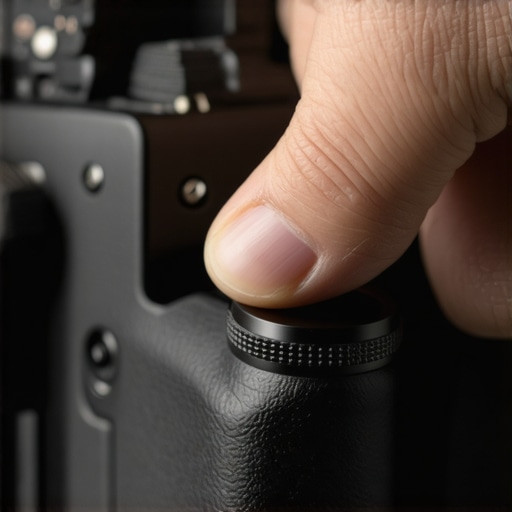
The ergonomic curve is where the magic happens. It isn’t just a flat bar; it has a sculpted ‘hook’ at the end that catches the ball of your thumb perfectly. This creates a lever effect. Instead of squeezing the camera grip with your entire hand—which leads to muscle cramps during an hour-long wedding shoot—you simply hook your thumb and let the weight of the camera pull against that mechanical stop. It effectively moves the center of gravity closer to your palm, making heavy lenses feel significantly lighter and more balanced.
A Few Compromises You Should Know About
No piece of gear is without its faults, especially at this price point. The most obvious drawback is the loss of your hot shoe. If you are a hybrid shooter who frequently jumps between video and flash photography, this grip will become an annoyance. You have to slide it out every time you want to mount a Godox trigger or an on-camera shotgun mic. Furthermore, on certain ultra-compact bodies like the Sony a6000 series, the tail of the grip can sit uncomfortably close to the rear command dial. If you have particularly large thumbs, you might find yourself accidentally bumping your shutter speed or aperture settings while trying to get a firm handle on the rig. It is a minor trade-off, but one that requires a bit of ‘muscle memory’ adjustment during the first few days of shooting.
Why Your Hand Will Thank You After a 4-Hour Shoot
To see if this $12 hunk of metal actually earns its keep, I took it on a grueling four-hour street photography walk through downtown Seattle. Usually, by the second hour of shooting with a compact Sony a7C, my index finger and thumb start to cramp from the ‘pinch’ required to keep the body steady. With the thumb grip installed, the physics of the camera changed entirely. Instead of fighting gravity, I was able to let the camera hang slightly from the thumb hook, redistributing the weight across my palm. It is the difference between holding a heavy book by its edge and holding it with a dedicated handle.
Does the aluminum actually bend under pressure?
I applied significant downward force—far more than you would ever use during a normal shoot—to see if the neck of the grip would flex or snap. It didn’t. The CNC-machined aluminum is remarkably rigid. However, I did notice that because it lacks a rubber gasket on the underside, there is a metallic ‘clink’ if you accidentally knock it. On various forums like the Sony Alpha community on Reddit, users have noted that while these cheap grips are structurally sound, the tolerance levels can vary by a fraction of a millimeter depending on the manufacturer. On my unit, the fit was tight, but some users report needing a small sliver of electrical tape to achieve a ‘zero-play’ fit. It’s a minor DIY fix for a massive ergonomic gain.
Will it scratch your expensive hot shoe?
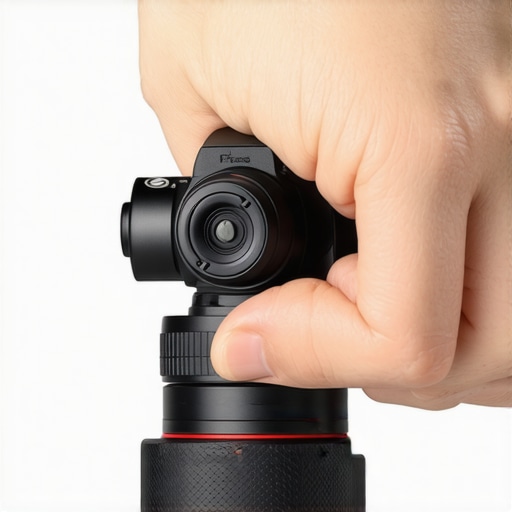
This is the primary concern for anyone putting a budget accessory on a $2,000 camera body. After sliding the grip in and out dozens of times to swap for a flash trigger, I inspected the hot shoe rails with a magnifying lamp. The finish on the grip is smooth enough that it hasn’t stripped the paint off the camera’s internal rails yet. However, the lack of a locking screw means it relies entirely on friction. If your hot shoe is slightly wider than the standard spec, the grip might slide out if you catch it on your camera bag. It’s a trade-off: convenience versus absolute security.
The Best and Worst of the Budget Grip
The brilliance of this tool is its simplicity. It turns a two-handed operation into a one-handed one, especially when you are adjusting settings on the fly. You can reach the front dial with your index finger while your thumb maintains a rock-solid anchor point at the back. The failure point isn’t the build; it’s the ergonomics on specific layouts. On the Fuji X-E4, for example, this grip is a godsend. On the Sony a6400, it feels slightly crowded near the shutter speed dial. You have to be intentional with your thumb placement, or you’ll find yourself inadvertently changing your exposure mid-burst. It’s not a ‘dealbreaker,’ but it is a quirk you have to learn to live with. Do you agree with my experience regarding the thumb grip’s impact on long-term wrist fatigue, or do you find it just gets in the way of your dials?
The David vs. Goliath of Camera Ergonomics
Choosing the right way to hold your camera often comes down to a battle between your wallet and your wrist. While the $12 aluminum grip I have been testing is a fantastic value, it does not exist in a vacuum. You have to consider how it stands up against the luxury options and the heavy-duty alternatives that dominate the world of creator rigs. For most photographers, the choice is usually between this budget gem and the high-end offerings from boutique brands that specialize in camera reviews and premium studio gear. While a cheap grip might seem like a risk, the mechanical physics are surprisingly consistent across the board.
Lensmate Luxury Compared to Budget Functionality
The biggest name in this specific accessory space is Lensmate. A typical Lensmate grip will set you back about $60, which is roughly five times the price of our budget contender. So, what does that extra $48 actually buy you? Most Lensmate models feature a clever hinge mechanism that allows the grip to swing out of the way, giving you instant access to the rear dials without removing the accessory. If you are a Fuji shooter who needs to constantly fiddle with the exposure compensation dial, that hinge is a lifesaver. However, for many modern mirrorless bodies, the fixed position of the budget grip is rarely an issue because the dials are positioned further down. You can verify the specific compatibility on the official Lensmate site to see if your camera model requires that extra clearance.
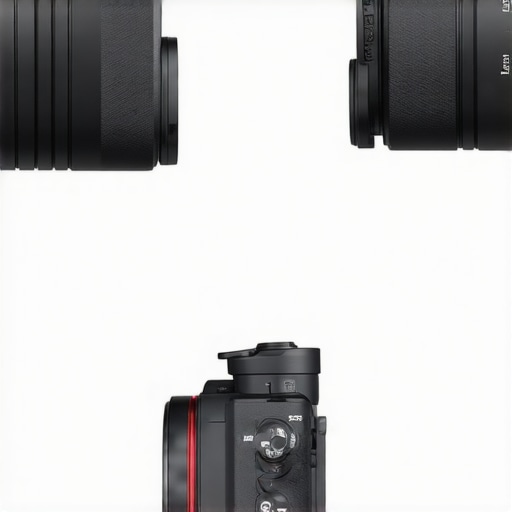
Beyond the hinge, the finish on premium grips is often a perfect 1:1 match for the camera’s body. While our $12 version is close enough, a high-end grip feels like it was forged in the same factory as the camera itself. If you value aesthetics as much as ergonomics when building out your lighting kits and camera setups, the premium price might be justified. But if you just want a stable shot, the mechanical advantage of the $12 piece of aluminum is virtually identical to the $60 one. It provides that same critical third point of contact that stops the camera from tipping forward when using heavier lenses.
Ditch the Full Cage for a Slimmer Profile
The other alternative often discussed in camera reviews is moving to a full camera cage from brands like SmallRig. A cage provides much more than a thumb rest; it offers dozens of mounting points for microphone reviews, monitors, and external batteries. However, a cage adds significant weight and bulk. For a street photographer or a travel vlogger, a cage turns a pocketable mirrorless camera into a heavy industrial tool. Comparing a thumb grip to a cage is like comparing a pair of running shoes to hiking boots. Both protect your feet, but you only want the heavy ones when you are climbing a mountain. If your goal is strictly better handheld stability for photography, the thumb grip wins on portability every time. It provides a massive ergonomic benefit without requiring you to carry a dedicated camera bag for your extra studio gear.
Is it worth the upgrade?
If you currently own a plastic thumb grip, the upgrade to this aluminum version is a no-brainer. Plastic versions often flex when you apply pressure, which defeats the purpose of having a stable anchor point. The move from plastic to CNC-machined metal is the single biggest jump in quality you can make for under twenty dollars. However, if you are already using a solid metal grip and are eyeing a Lensmate, the upgrade is purely about convenience features like the hinge. For most creators, that $48 difference is better spent on a high-speed SD card or towards better microphone reviews and audio gear. Before you pull the trigger on a more expensive rig, check current prices for basic accessories to ensure you aren’t overpaying for a name brand when a simple metal bar performs exactly the same role in the field.
The Good, the Bad, and the Cold Hard Aluminum
After weeks of putting this budget accessory through its paces, the results are surprisingly lopsided in favor of this $12 hunk of metal. It delivers where it counts, but it isn’t a perfect fit for every workflow. Here is the quick breakdown of what to expect.
- Pros: The CNC-machined aluminum feels remarkably premium and matches high-end magnesium bodies. It provides a rock-solid third point of contact that immediately improves handheld stability, much like how this 14 dollar rubber pad stops camera twist on tripod plates. The friction-fit is tight and secure without the need for tools.
- Cons: It completely occupies your hot shoe, which is a dealbreaker for flash users. Depending on your camera model, it can occasionally crowd the rear control dials, requiring a bit of muscle memory adjustment.
Is Your Camera the Right Fit for This Accessory?
This grip is not a universal panacea for every camera body. If you own a Sony a7C, Fuji X-E4, or a Lumix GX series, this is the single best ergonomic upgrade you can buy. These cameras suffer from a shallow front grip, and this thumb rest provides the leverage needed to balance the rig, especially when why small lenses are better for home studio depth is part of your shooting philosophy. However, if you are a professional wedding photographer who relies on on-camera flash triggers, the constant swapping will drive you crazy. Similarly, if you are building out complex lighting kits and studio gear that require a cold shoe for a monitor or microphone, you might be better off with a dedicated cage.
#IMAGE_PLACEHOLDER_E#
A Massive Win for Your Hand and Your Wallet
For twelve dollars, it is almost impossible to find a reason not to have this in your gear bag, even if you only use it for casual street photography sessions. It transforms the tactile experience of a mirrorless camera from a slippery electronic box into a purposeful tool. While it lacks the fancy hinge of a Lensmate, the mechanical advantage is identical. If you find the hot shoe blockage too annoying, you could always pair it with this 10 dollar cold shoe extension to regain your mounting points, though that does add bulk. Final Verdict: 9/10. This is a mandatory purchase for anyone with a small-body camera and large hands. Check the current prices and skip the expensive boutique versions; your wrist will thank you after the first hour of shooting.