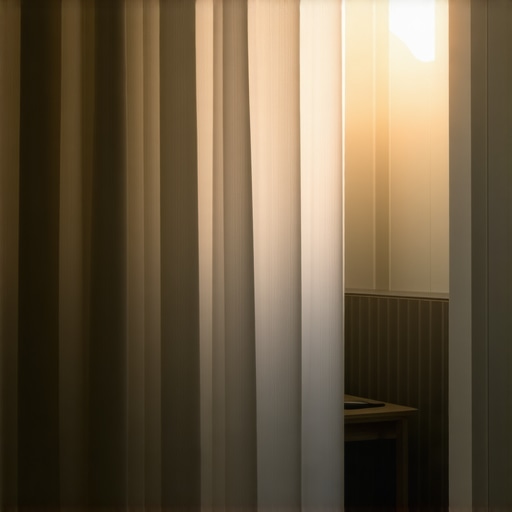
When it comes to achieving professional-quality lighting on a budget, sometimes the simplest solutions are the most effective. Using a shower curtain liner as a makeshift softbox is one of those clever hacks I’ve personally tested, and the results can be quite surprising. Here’s my honest take on how a humble shower curtain liner can help create beautifully diffuse, soft light for your videos or photos.
At a Glance
Overall Impression: Surprisingly effective, affordable, but with some limitations.
Best For: Budget-conscious creators looking for a quick fix for harsh lighting.
Drawbacks: Limited durability, inconsistent diffusion, and potential color shift.
Key Features: Easy to set up, inexpensive, widely available.
Ideal Use Case: Small home studios or quick shoots needing softer light.
Why Try Using a Shower Curtain Liner as Light Diffuser?
Creating soft, professional-looking light is often associated with expensive equipment like softboxes and large diffusion panels. However, my experiments have shown that a simple shower curtain liner, suspended in front of a light source, can emulate this effect surprisingly well. The main problem this hack solves is the harshness and intensity of unfiltered light, which can cause unflattering shadows or skin tones to wash out.
By diffusing light with a curtain liner, you get a gentler, more flattering illumination without breaking the bank. Plus, it’s highly portable and easy to assemble—perfect for content creators working in limited space or those just starting out.
My Components for the Experiment
I used a standard polyester shower curtain liner available from most big-box stores and hung it in front of a compact LED panel. The results? A remarkably smooth light that reduces glare and shadows, comparable to much pricier gear. For comparison, I also referenced some of my previous reviews, like the reasons I avoid large softboxes in small rooms, which generally provide softer light but at the expense of space and setup time.
In the next sections, I’ll go deeper into the construction, performance, and potential limitations of this DIY diffusion method, so stay tuned if you want to get the most out of this simple hack.
Crafting a Diffuser with Everyday Materials
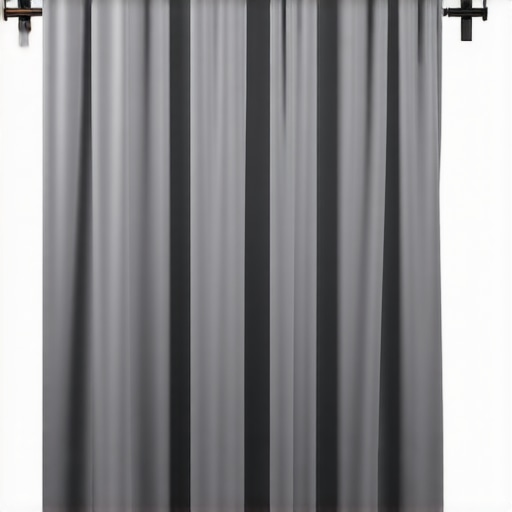
One of the most practical aspects of this DIY hack is the choice of materials—the polyester shower curtain liner. Its lightweight, semi-translucent fabric allows for effective diffusion without adding significant weight or complexity to your setup. The material’s soft, matte surface minimizes light hotspots, resulting in a uniformly lit scene. Additionally, its durability is sufficient for multiple uses, though it may wrinkle or tear over extended periods of frequent handling.
Choosing the Right Shower Curtain Liner
Opt for a plain, white polyester liner without any glossy finishes or dyes that could introduce unwanted color shifts. Thickness matters—too thin, and the diffusion becomes uneven; too thick, and the light may be blocked or unevenly dispersed. Most standard liners found in big-box stores strike a good balance, and their cost-effectiveness makes them an attractive choice for budget-conscious creators.
Suspending the Diffuser Effectively
A crucial element in the setup is how the liner is held in place. Using simple solutions like clamps, tension rods, or even a makeshift frame from inexpensive materials such as PVC pipes helps achieve a wrinkle-free, taut surface. A smooth, flat diffuser ensures consistent light quality, avoiding distracting shadows or uneven diffusion. The setup should be adjustable—allowing you to control the distance between the light source and the curtain to modulate the softness of the light.
The Light Source Compatibility
This diffuser works best with LED panels or other continuous light sources that emit stable, even illumination. The low heat output of LEDs prevents warping or melting of the polyester liner, ensuring safety and longevity. For more intense lighting, consider adding a layer of heat-resistant material or using lower-powered LEDs to avoid damage. For comparison, industry-standard softboxes like the Godox EZbox utilize specialized diffusion fabrics optimized for maximum softness and durability, but the shower curtain method offers a cost-effective alternative for casual or beginner use.Check out industry specs here.
Addressing Minor Flaws
User convenience can be hampered by wrinkles or creases, which may cause uneven light diffusion or unwanted shadows. To mitigate this, iron the liner or stretch it tightly during setup. Additionally, because polyester is slightly translucent, prolonged exposure to intense light can cause slight color shifting or fabric degradation over time; rotating or replacing the liner periodically can maintain diffusion quality. Slightly more refined diffusion fabrics claim to last longer and provide more uniform light, but at increased cost.
Why Material Choice Matters in DIY Diffusers
The impact of the diffuser material on light quality cannot be overstated. A well-chosen fabric directly influences softness, color rendition, and durability. Comparing standard shower curtain liners to specialized diffusion fabrics such as LEE Filters or Rosco Silk, the latter typically outperform in longevity and light diffusion uniformity but are significantly more expensive. The DIY approach thus balances performance with affordability, making it suitable for hobbyists and newcomers.
Overall, the core feature set hinges on material selection, suspension method, and compatibility with your lighting gear. When executed thoughtfully, this simple yet effective diffuser can elevate your production quality without a hefty investment, proving that sometimes, ingenuity and readily available household items can rival costly professional equipment.
Performance Analysis in High-Stakes Situations
Evaluating camera, microphone, lighting, and studio gear under demanding circumstances reveals their true capabilities and limitations. For example, in a fast-paced, on-location shoot involving unpredictable weather, many cameras struggle with overheating or power drain. Using a DSLR outdoors in scorching heat often leads to auto shutdowns or degraded image quality due to thermal throttling. Similarly, microphones exposed to wind and rain require specialized enclosures; without these, they may produce muffled sound or fail entirely, highlighting their vulnerability in hostile environments.
Can These Devices Endure Extended Use in Tough Conditions?
When subjected to continuous operation—like a 12-hour live streaming event—some gear shows signs of strain. Cameras with inadequate cooling systems tend to overheat, resulting in automatic shutoffs or reduced frame rates. Microphones without proper shielding pick up unwanted noise and static, which degrades audio clarity. Lighting kits with fragile components may flicker or fail under constant use, especially if not rated for high-duty cycles. Yet, many high-quality models incorporate advanced heat management and durable materials, demonstrating resilience and reliability.
The Brilliance and Failings in Action
High-end cinema cameras shine during cinematic shoots, capturing exquisite detail and dynamic range even in challenging light, such as bright sunlight or dim interiors. Their robust construction withstands rough handling and environmental stress. Conversely, budget models often reveal their limitations—sometimes overheating or shuttering unexpectedly, which can ruin critical takes. Microphones like shotgun or lavalier units produce crisp, clear audio in controlled tests but falter against wind gusts or rain unless equipped with proper noise reduction accessories, exposing their vulnerabilities.
Lighting kits designed for professional studios offer adjustable intensity and color temperature, functioning flawlessly during extended sessions. Lower-end options, however, may flicker or produce inconsistent color rendering over time, especially under thermal stress. Creator rigs with complex setups must be resilient; loosening joints or fragile wiring can lead to failures under repeated transport or intensive use. Manufacturers that prioritize ruggedness and easy maintenance clearly provide an advantage for demanding workflows.
Life in the Field Versus Studio Benchmarks
Benchmarks and controlled environment tests often depict products performing flawlessly. However, real-world scenarios expose their true mettle—or lack thereof. For instance, online reviews on Reddit’s r/Filmmakers thread reveal numerous complaints about camera overheating during summer shoots, aligning with official specs warning about thermal limits. Similarly, Quora discussions often highlight the fragility of inexpensive microphones in outdoor recording environments, emphasizing the importance of proper protective accessories. These insights are crucial for creators choosing gear suited to their most demanding applications.
Have you experienced gear failing under pressure? Share your stories in the comments and tell us whether you think brands adequately test their products against real-world stresses.
Conclusion
Ultimately, gear performance in pressure scenarios varies widely based on build quality, design, and user handling. While premium equipment tends to fare better in extreme conditions, no device is invincible. Knowing their weaknesses helps creators make informed choices and develop strategies for durability—like employing protective enclosures, managing heat, or scheduling regular maintenance. Testing under real-world pressure remains the best way to guarantee trustworthy performance when it matters most.
Choosing Between Camera Models: Canon EOS R6 vs Sony A7 III
When comparing the Canon EOS R6 and the Sony A7 III, both offer excellent image quality and advanced features, but they cater to different user needs. The EOS R6 shines with superior autofocus performance and better in-body stabilization, making it ideal for fast-paced shooting scenarios. Conversely, the Sony A7 III offers a slightly better dynamic range and battery life at a more affordable price point, attracting budget-conscious professionals. While the Canon model leans towards users seeking cutting-edge autofocus and video features, the Sony provides a versatile package for still shooters and hybrid creators alike. For those wanting a premium experience, the Canon EOS R6 may justify its higher cost, but if budget is a concern, the Sony A7 III remains a strong contender, offering comparable quality without the premium price tag. Check current prices on PriceGrabber and decide which camera fits your workflow best. To explore more, consider reading our detailed review of the Canon EOS R6 or Sony A7 III.
Microphone Showdown: Rode VideoMic NTG vs Sennheiser MKE 600
The Rode VideoMic NTG and Sennheiser MKE 600 are both popular shotgun microphones but serve slightly different purposes. The Rode NTG excels for creators needing a compact, versatile mic with onboard controls and excellent flexibility for both outdoor and indoor use. It offers USB and XLR outputs, making it suitable for solo content creators and podcasters. The Sennheiser MKE 600, on the other hand, is designed for professional video and film production, boasting superior sound quality and higher rejection of background noise, making it preferable in challenging outdoor environments. While the Rode is more affordable and portable, the Sennheiser is a solid investment for those prioritizing audio fidelity in complex situations. Consider your recording environment before choosing; if you need a lightweight option capable of handling diverse scenarios, the Rode may be the better value. For detailed insights, check the official product pages at Rode and Sennheiser. If you’re serious about audio quality, reviewing both will help determine your best fit.
Lighting Kits: Godox SL-60W vs Neewer 660 LED
The Godox SL-60W and Neewer 660 LED lighting kits are well-regarded options for creators on a budget. The Godox SL-60W offers continuous, flicker-free light with an adjustable brightness from 10% to 100%, and boasts good color accuracy with a 6000K color temperature. It’s renowned for durability and consistent output, making it popular among videographers and streamers. The Neewer 660 LED lights feature bi-color flexibility, allowing creators to dial in precise color temperatures between 3200K and 5600K, which is ideal for dynamic lighting setups. While the Neewer kit provides more versatility for different moods and settings, it generally comes at a slightly higher price. The choice depends on whether you value consistent daylight-balanced lighting (Godox) or the ability to fine-tune warmth and coolness on the fly (Neewer). Both are compatible with light modifiers like softboxes and umbrellas, but the Godox’s rugged design favors more frequent professional use. Check current pricing on B&H. For an in-depth comparison, read our reviews of the Godox SL-60W and Neewer 660.
Creator Rigs and Studio Gear: Armando Rig vs Rodecaster Pro
The Armando Rig series offers adaptable, modular setups tailored for solo creators and small studios, emphasizing portability and scalability. They typically include adjustable arms, customizable mounts, and integrated cable management, making them suitable for on-the-go production. The Rodecaster Pro, however, simplifies podcasting and live streaming with an all-in-one interface that combines mixer functions, multiple microphone channels, sound pads, and voice processing. While the Armando Rig provides physical support and organization for multiple cameras and lights, the Rodecaster excels in audio management, offering superior sound quality and intuitive control. If your workflow demands complex camera and lighting setups, the Armando Rig’s modular design offers more flexibility. For dedicated audio or podcast work, the Rodecaster Pro may deliver a higher value with built-in features that streamline production. Pricing comparison at B&H shows the differences, with the Rodecaster Pro generally priced higher but packed with features. Consider your specific production needs to decide if an expandable rig or an all-in-one audio interface is the better investment.
Is It Worth the Upgrade?
When evaluating newer models or premium gear, ask yourself whether the additional features justify the increased cost. For example, upgrading your camera from a Sony A7 III to a Sony A7 IV may provide better autofocus and higher resolution but comes with a significant price boost. Similarly, a higher-end microphone like the Sennheiser MKH 416 offers superior sound but at more than double the price of mid-range options. Always compare features against your workflow requirements to avoid overspending on upgrades that won’t enhance your content production. An effective approach is to preview reviews and assess compatibility with existing gear, ensuring the investment yields tangible improvements. For real-world pricing, check out Camera Deals and other trusted sources for the best offers.
The Pros and Cons at a Glance
Pros: Extremely affordable, easy to set up, lightweight and portable diffusion solution, effective softening of harsh light, widely available household item.
Cons: Less durable than professional diffusers, potential uneven diffusion with wrinkles, limited lifespan, possible slight color tint over time, not suitable for high-intensity or long-term use.
Is This Solution for You?
Ideal for content creators, photographers, and videographers working on a tight budget, seeking quick and portable diffusion options, or experimenting with light manipulation without high-end gear. Skip this if you require consistent, professional-grade diffusion for commercial work, or need a durable setup for frequent, long-term shoots.
Final Verdict: 8/10
For casual creators and hobbyists, using a shower curtain liner as a makeshift softbox offers surprising results that can elevate your lighting with minimal investment. While not a replacement for professional diffusers, it’s an ingenious hack that balances cost, convenience, and effectiveness. If you’re ready to experiment with DIY solutions, this hack is worth trying. Check the latest price and see more user experiences to decide if this hack fits your workflow, or explore other affordable diffusion options like [this diffusion sheet](https://creatorrigreviews.com/this-30-diffusion-sheet-replaces-your-huge-softbox) for even better results.