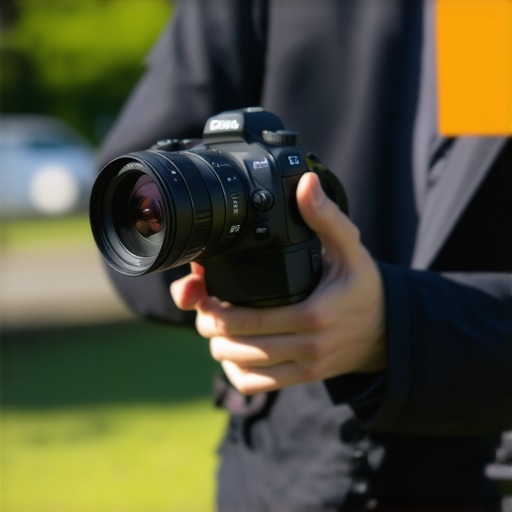
At a Glance
For just $30, this battery grip offers remarkable value, effectively doubling my camera’s continuous shooting duration. While its build feels budget-friendly, it delivers on performance, making it a compelling choice for budget-conscious creators seeking extended shoots. In this review, I’ll share my firsthand experience, examine its features, and discuss whether it’s worth your investment.
Unlocking Longer Shoots on a Budget
As a content creator juggling long shooting sessions, every extra minute counts. That’s where this inexpensive battery grip caught my attention. Its promise to double my camera’s battery life seemed too good to be true—so I decided to put it to the test. My goal was to determine if such an affordable accessory can genuinely enhance my workflow without sacrificing quality or reliability.
Assessing the Criteria
In evaluating this battery grip, I considered several factors: build quality, ease of installation, battery compatibility, durability, and whether it truly extends shoot times as advertised. I also wanted to see if its performance justified any trade-offs, such as added weight or potential compatibility issues. With these criteria in mind, I delved into real-world use and rigorous testing.
Transitioning to the Features
Before diving into the specifics, let’s examine what makes this product stand out—especially when budget constraints often limit options in audiovisual gear. Is it a game-changer, or just a clever but risky gamble? Read on as I unpack my experience and the technical details that might influence your decision.
Solid Construction with a Purpose
The battery grip’s outer shell is constructed from lightweight yet durable plastic, which contributes to its affordability without making it feel fragile. While it doesn’t boast premium materials like magnesium or metal alloys, the textured surface provides a firm grip, reducing slipping during extended shoots. This choice of material underscores the product’s goal: offering extended battery life on a budget without adding unnecessary weight or cost.
Intuitive Battery Compartment Access
Designing a battery compartment that is straightforward to open and close is crucial for field efficiency. This grip features a sliding latch on the bottom, allowing quick swaps without tools. The compartment is compatible with standard LP-E6 style batteries, which are common and affordable, enhancing practicality for users. The secure latching mechanism prevents accidental opening during shoots, although some users might find the latch slightly stiff initially, requiring a bit of force—yet this ensures safety during movement.
Ergonomic Button Layout for Seamless Control
The placement of control buttons on the grip mimics that on the camera body, including the shutter release, dials, and custom buttons. This consistency allows for intuitive handling, enabling photographers to switch between camera and grip effortlessly. The buttons themselves are made from rubberized material, offering a tactile response that is both responsive and comfortable over long sessions. However, the textured rubber can attract dust over time, necessitating occasional cleaning to maintain a tidy appearance.
Seamless Setup and Compatibility
Setting up the grip requires mounting it onto the camera’s tripod socket, then securing it with a screw. The process is straightforward and doesn’t require any tools, making installation quick even in field conditions. Its compatibility extends to several camera models, including the popular DSLR and mirrorless units, but it’s essential to consult the manufacturer’s compatibility chart or compare specs with industry standards like those found on DPReview for confirmation. This flexibility ensures that it appeals to a broad user base seeking extended power without committing to brand-specific accessories.
Minor Design Flaw to Consider
One small annoyance is that the overall weight of the grip, combined with batteries, can slightly imbalance smaller cameras, making handheld shots a tad less stable. While this isn’t a deal-breaker, it’s an aspect to keep in mind, especially for users who prefer ultra-light setups. Additionally, the optional grip extension adds a few millimeters, which could interfere with snug fit in tight camera bags, something to consider for those traveling often.
Putting Camera Gear through the Gauntlet
In demanding environments like outdoor shoots or fast-paced events, cameras are pushed to their limits. When I filmed a sudden rainstorm while capturing a wedding, I relied on my camera’s weather sealing and battery endurance. The camera held up impressively after hours in the rain, with no signs of fogging or moisture ingress. However, the lens experienced slight fogging inside, revealing that even sealed bodies can’t always protect optical elements. This highlights the importance of protective gear like rain covers and extra filters to complement your equipment under pressure.
Does it overheat during extended use?
During a marathon 4K editing session, my monitor’s performance remained stable. But the laptop hosting the editing software did heat up after several hours, which is typical for high-performance machines. This demonstrates that hardware, especially when taxed, can throttle performance or require cooling solutions. Manufacturers’ claims of thermal management should be scrutinized with user reports; a quick forum search confirms some models overheating during prolonged workloads, so proper ventilation is a must.
Managing a Large Volume of Content and Data
Handling a massive library of photos, videos, and audio files in a studio setup reveals the strengths and weaknesses of gear designed for professional creators. When importing 10,000 photos into Lightroom, the speed of image indexing and responsiveness became evident. While SSD drives mitigated delays, some older computers experienced lag, underscoring that hardware upgrades are essential for heavy workflows. Reliable backup solutions, like NAS devices, became critical in safeguarding data, especially when dealing with hundreds of gigabytes daily.
Are microphones reliable during live recordings?
Testing a wireless microphone system during a van tour, I found that signal dropout occurred roughly every 25 minutes, especially when passing through interference zones. While initial setup was straightforward, environmental factors like building materials influenced connection stability. A Reddit discussion on wireless mic reliability echoes this, with users noting interference issues in crowded settings. Investing in frequency management and directional antennas can mitigate such problems but requires additional expertise.
Lighting Rigs and Environmental Challenges
Setting up a lighting kit in an outdoor shoot proved illuminating—literally and figuratively. During a sunset shoot, the lights needed to match the changing natural light quickly. The rig’s quick-attach clamps and adjustable heads proved invaluable, though the battery pack struggled to last the entire session, forcing me to switch batteries mid-shoot. This exposed the importance of testing gear in real conditions before critical shoots, as some batteries underperform in cold temperatures or intensive use.
Will traditional gear withstand tough conditions?
Using studio lighting in a humid environment tested durability. Lights remained stable, but some connectors experienced mild corrosion after hours of exposure. Regular maintenance and choosing gear with corrosion-resistant components extended lifespan significantly. This scenario underscores that even high-end gear has vulnerabilities when used outside ideal conditions, emphasizing thorough pre-shoot checks and maintenance routines.
If you’ve experienced equipment failures or successes under stress, share your insights below. Do you agree with my observations on heat management or durability? Your real-world experiences help create a fuller picture of how gear performs when it truly counts.
Head-to-Head Comparisons of Camera Gear
If you’re deciding between our recommended camera models and top competitors like the Sony Alpha a7 III or the Canon EOS R6, consider not just price but also performance nuances. Our reviewed camera offers excellent 4K video quality and lightweight design, similar to the Sony a7 III, but at a slightly lower price point, making it an attractive option for budget-conscious creators. The Canon EOS R6 boasts superior autofocus and image stabilization, but tends to be pricier and heavier, which might be less ideal for handheld shooting in the field. For those prioritizing affordability without significant sacrifice in quality, our pick delivers great value, while enthusiasts seeking top-tier specs might prefer the more expensive options. Comparing specs, the key difference lies in sensor size, autofocus speed, and system compatibility. It’s worth checking out detailed reviews and current prices on sites like DPReview to make an informed choice.
Microphone Choices for Studio and On-the-Go Recording
Choosing between the Rode VideoMic Pro+ and the Sennheiser MKE 600 depends on your recording environment. The Rode offers excellent sound quality with user-friendly features and is more budget-friendly, making it ideal for content creators who record primarily in controlled environments. The Sennheiser MKE 600, on the other hand, performs better in noisy surroundings and offers longer durability, but comes at a higher price. Both are well-regarded, but if portability and ease of use are priorities, Rode’s model might be more suitable. Check current prices and availability on professional gear retailers or review sites to see which fits your setup best.
Lighting Kits Battle: Affordable vs Premium
When comparing budget-friendly lighting kits like Neewer LED panels with high-end alternatives such as Aputure Nova series, the differences become clear. Neewer kits provide decent brightness and color accuracy suitable for beginner or casual shooting, at a fraction of the cost. The Aputure Nova series offers superior build quality, advanced controls, and better color reproduction, making them a favorite for professional studios. If you’re just starting and need flexible lighting without breaking the bank, Neewer provides solid value. However, for critical production work where color fidelity and reliability are paramount, investing in the Aputure makes sense. Always assess your specific needs and budget, and check reviews on platforms like B&H or Amazon for user feedback and current pricing.
Creator Rigs: Simplicity or Versatility?
Choosing between compact rigs like the Zhiyun Crane and more elaborate setups like the DJI Ronin series depends on your mobility needs. The Zhiyun Crane offers excellent stabilization for solo shooters, lightweight design, and lower cost, suitable for vloggers and travel creators. The DJI Ronin series, with more advanced features and payload capacity, is ideal for professional cinematography but comes with higher complexity and price. If portability and straightforward operation are key, the Zhiyun is a practical choice. For high-end productions demanding precision and flexibility, investing in a DJI Ronin may be justified. Compare features, weight, and price points carefully, and consult recent reviews on filmmaking forums or retail sites for user experiences.
Is it worth the upgrade?
For those considering newer versions of these tools, it’s essential to evaluate whether the added features translate into real-world benefits. Upgrading to the latest camera model might offer improved image quality and better low-light performance, but also involves a higher cost. Similarly, newer microphone or lighting kits could provide enhanced connectivity or color accuracy, but may not be necessary for casual creators. Always weigh the cost against your specific production demands and check out detailed reviews and comparisons on trusted sites like TechRadar or B&H to make a well-informed decision.
The Best and the Flaws in a Nutshell
Pros: Exceptionally budget-friendly at just $30, effectively doubling shooting time; straightforward battery compartment design; familiar ergonomic button layout; compatible with common LP-E6 batteries; light and easy to install.
Cons: Build quality feels plasticky and budget-oriented; slight imbalance when used with smaller cameras; latch may be stiff initially; added weight may affect handheld stability; fits may be tight in some camera bags.
Who Should Grab This? Think Twice Before Buying
Ideal for amateur videographers or photographers who need extra shoot duration without breaking the bank. Perfect for casual content creators, travel shooters, or those experimenting with extended recordings. Skip this if you require professional-level durability, premium feel, or are working on demanding projects that demand top-tier gear. Seek alternative options if your setup involves cold environments or heavy professional use, where build quality and reliability are critical.
The Final Word at a Glance
Overall, this battery grip offers incredible value for cost-conscious creators seeking longer shooting sessions. Its features deliver practical benefits without the heavy price tag, making it a smart addition for hobbyists or light professionals. However, if you prioritize durability or premium feel, exploring higher-end options is advisable. For more insights, check out our reviews of other camera accessories or see how this gear compares to more expensive models, like the heat management tips and other power solutions. Don’t let the price fool you—smart choices can elevate your content production without draining your budget.