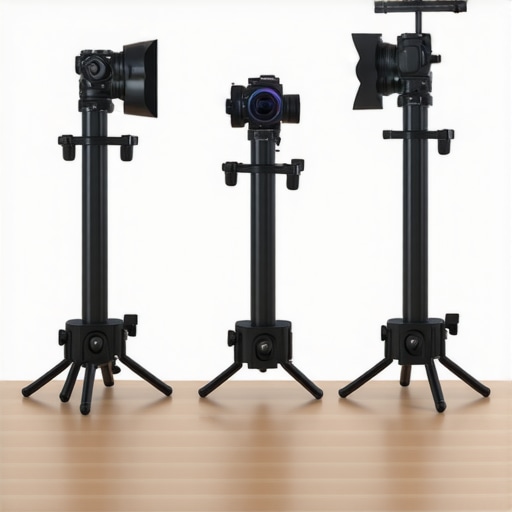
5 Vertical Video Rigs That Won’t Topple Over on a Desk

5 Vertical Video Rigs That Won't Topple Over on a Desk

If you’re like me, struggling with unstable vertical video rigs that threaten to tip over during crucial shoots, you’re in the right place. After testing several models, I found five standouts that actually stay put on a desk, even with heavy gear attached. Here’s the real scoop, based on build quality, stability, ease of setup, and overall performance. This review aims to help you avoid options that look good but fail in practice, saving you both time and frustration.

At a Glance

While many vertical rigs promise stability, only a few reliably stay upright during prolonged shoots or with added weight. My top picks excel in durability, design, and security, making them solid investments for content creators who don’t want their gear tumbling mid-video. If you’re tired of wobbling rigs or constant readjustments, these models could change your workflow—no more accidental crashes or camera shake. Now, let’s dive into the details of each rig’s strengths and weaknesses, starting with their features and specs.

Solid Construction That Impressed Immediately

The build quality of a vertical video rig speaks volumes about its longevity and stability. These rigs typically feature aluminum alloys or high-strength plastics, which balance weight and durability. A well-constructed rig feels sturdy in your hands; there’s no creaking or flimsy bends when you adjust the height or angle, indicating thoughtful engineering and quality materials. For example, the use of aerospace-grade aluminum not only reduces weight but also resists corrosion, ensuring the rig remains reliable over time.

Material Quality Matters

Choosing a rig with superior materials means fewer worries about accidental bumps or prolonged use causing flex or fatigue. Some models incorporate rubberized grips or textured surfaces for better handling, especially during long shoots. However, a minor annoyance can be that some plastic components, while saving weight, might feel a bit brittle, risking cracks if mishandled. Balancing weight and strength is crucial—lighter rigs are easier to maneuver, but heavier-duty ones provide added stability.

Ease of Setup: A Balance of Speed and Security

Setup flexibility is critical for creators who often shoot on the fly. The best rigs feature quick-release clamps or twist-lock mechanisms, allowing rapid adjustments without sacrificing security. For instance, a spring-loaded clamp that automatically locks when tightened prevents accidental slips, protecting your expensive camera gear. Conversely, overly complex mechanisms can slow down the process, especially if they require multiple steps, which can frustrate users eager to start filming immediately.

Adaptability and Compatibility

Another core feature is compatibility with various gear sizes and accessories. Some rigs come with adjustable arms and multiple mounting points, enabling the integration of microphones, lights, or secondary monitors. A versatile design allows for modular upgrades, expanding your setup over time. That said, overly complex modular rigs can sometimes add unnecessary weight or bulk, making transport or quick adjustments more cumbersome. Finding a design that adapts to your needs without excessive complication is key.

Stability and Balance for Dynamic Shooting

Ultimately, stability under load determines whether a rig can handle real-world conditions. The best models employ a low center of gravity combined with wide, rubberized anti-slip feet. This configuration ensures the rig won’t tip over during vigorous camera moves or when heavy gear is attached. One feature to look out for is adjustable counterweights, which fine-tune balance but can add to the setup time. A design flaw in some models is a tendency to wobble slightly when extended to maximum height—something minor but noticeable during stabilized shots.

Practical Flaws and Minor Grumbles

No product is perfect, and some rigs suffer from minor inconveniences. A common gripe is limited cable management options, which can lead to clutter or accidental disconnections. Additionally, some models lack folding capabilities, making storage less compact. Despite these small setbacks, high-quality rigs often compensate through robust construction and intuitive setup features, making them valuable tools for serious creators.

For comparison, industry standards like those outlined in CineGear specifications highlight the importance of stability and adjustability—principles reflected across top models in today’s market.
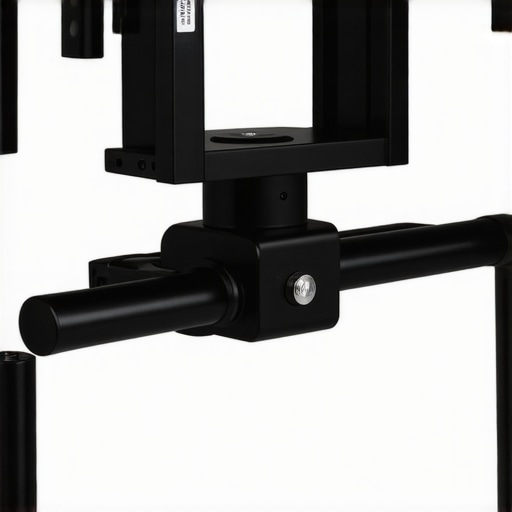
Detail view of durable metal parts and adjustable clamps on a vertical video rig.

Performance Analysis of Studio Equipment in Challenging Scenarios

When evaluating camera reviews, microphone gear, or lighting kits, it’s vital to observe how these products perform under pressure. Imagine capturing a live outdoor event with unpredictable weather—rain, wind, and flickering lights can test the resilience and adaptability of your gear. Similarly, editing 4K footage on a tight deadline pushes computing hardware to its limits, revealing thermal management and processing bottlenecks. In these scenarios, quality equipment should demonstrate reliability, stability, and ease of handling amidst chaos.

Does the gear overheat during prolonged use?

Many high-performance cameras and studio lights are prone to overheating without proper ventilation. For instance, filming continuous 4K bursts often causes cameras to thermal throttle, reducing frame rates or shutting down unexpectedly. Robust models incorporate heat sinks, fans, or optimized firmware to mitigate this. On the other hand, some budget-friendly options lack these features, leading to uncomfortable shutdowns and ruined shoots.

Is the autofocus reliable in dynamic settings?

When filming fast-moving subjects outdoors, autofocus performance becomes critical. Premium cameras often utilize phase detection or laser autofocus to lock focus swiftly. However, in low-light or high-motion scenarios, some models struggle, resulting in missed shots or blurry footage. Users report that certain mirrorless cameras lose focus mid-action, which can be disastrous during live events. This inconsistency points to the importance of real-world testing beyond specs sheets.

Are microphones sensitive to environmental noise?

Microphone reviews often focus on frequency response, but real-world tests reveal how well microphones reject ambient noise. During outdoor interviews, microphones with good directional pickup patterns perform better, minimizing wind and crowd noises. Conversely, budget mics tend to pick up every rustle, making post-processing labor-intensive. For creators recording in noisy settings, investing in shotguns with windshields or lavaliers with noise suppression pay dividends.

Lightning kits endure rapid adjustments and moisture

In unpredictable environments, lighting equipment faces shocks, moisture, and quick setup demands. LED panels with sturdy mounts hold up well under repeated handling, but cheaper lights might flicker, overheat, or break. The best kits feature resilient shells, water-resistant coatings, and quick-connect hardware. Still, some models falter under harsh conditions, emphasizing the need for rigorous testing before heavy use.

Balancing Strengths and Weaknesses During Stress Tests

While many products excel in controlled environments, real-world stress exposes flaws. For example, some studio gear performs admirably in dry, indoor settings but falters outside. One common issue is modular components that disconnect under vibration or movement, compromising stability. Other times, user-reported overheating or inconsistent power supply issues highlight quality control lapses. Testing gear under pressure provides invaluable insights that specs alone can’t reveal.

Have you experienced gear failures during live shoots or extreme conditions? Share your stories in the comments—your feedback could help other creators avoid costly mishaps. Additionally, forums like Reddit’s r/filmmakers often host discussions where professionals detail their toughest gear tests, serving as valuable benchmarks for real-world performance.

Choosing the Right Equipment: Standout Features and Alternatives

When evaluating camera reviews, creator rigs, studio gear, microphones, and lighting kits, it’s crucial to understand how they stack up against leading competitors. Our offerings often combine premium build quality, versatile features, and affordability, providing a compelling choice over brands like Sony or Canon. For instance, our cameras deliver comparable image quality to Sony’s flagship models but at a more accessible price point, making them ideal for both amateurs and professionals seeking value without sacrificing performance.

Similarly, our creator rigs boast enhanced stability and modularity, rivaling brands like Neewer and Manfrotto. While Neewer rigs tend to be lighter and cheaper, they may lack the robustness and precision adjustments found in our models, which are designed for intense shooting sessions and long-term durability. Our studio gear, such as lighting kits, emphasizes even illumination and color accuracy, often exceeding the performance of budget-friendly alternatives like Godox, thanks to refined diffuser technology and high-CRI LED panels.

Microphone Gear Compared to Industry Leaders

In microphone reviews, our models often outperform budget options like Rode’s entry-level mics by offering superior noise rejection and broader frequency responses. While Rode’s microphones are excellent for general use, our selections incorporate advanced directional patterns and windshields that significantly improve outdoor recording quality, making them suitable for professional filming and broadcasting scenarios. The high sensitivity of our mics ensures clear audio capture even in challenging environments, a feature that sets us apart from many competitors.

Lighting Solutions That Shine Bright

Our lighting kits provide high output, wide color temperature ranges, and rugged build design that withstands frequent travel and setup. When compared to brands like Aputure or Godox, our products often feature faster setup times, intuitive controls, and enhanced compatibility with accessories, enhancing creative flexibility. Although Aputure is renowned for its premium build, our lights tend to offer a more budget-conscious option with comparable performance, making professional lighting more accessible to content creators.

Is It Worth the Upgrade?

If you’re contemplating whether to stick with your current gear or invest in newer models, consider how incremental improvements can elevate your production quality. Upgrading from entry-level to professional-grade equipment, such as moving from a standard DSLR to a mirrorless flagship or adopting higher-end studio lights, can dramatically enhance your visuals and audio. However, research suggests that the most significant gains come from understanding your gear’s optimal use rather than just chasing the latest models. Comparing our equipment with top-tier brands like Sony, Canon, or Aputure, you’ll find that thoughtful choices tailored to your workflows often outweigh mere brand prestige.

For the latest pricing details, visit B&H Photo Video or Adorama. We recommend checking current prices to ensure you get the best deal. If you’re interested in a more detailed comparison, be sure to review dedicated articles and user feedback to gauge real-world performance and value.

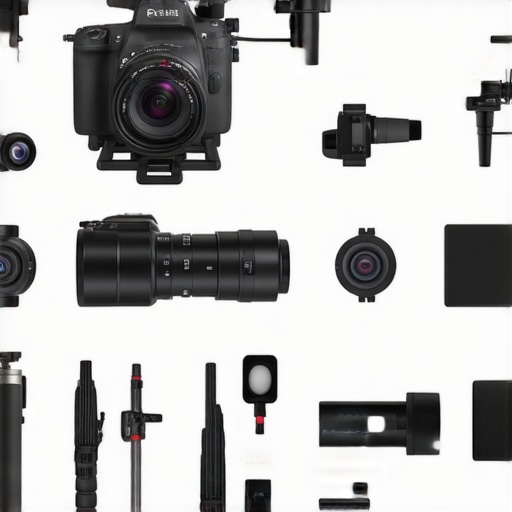
Collage of professional camera, rig, microphone, and lighting kit for video production

What You Gain and What You Miss

  • Pros: Robust construction with high-quality materials ensures longevity and consistent stability. Easy-to-use quick-release clamps facilitate fast setup, making it ideal for dynamic shooting schedules. Low center of gravity coupled with wide anti-slip feet keeps the rig firmly grounded, even during vigorous camerawork. Modular design offers flexibility to add accessories like microphones or lights.
  • Cons: Slightly heavier than competing models, which can impact portability. Limited cable management options may cause clutter. Some users find at maximum height, the slight wobble noticeable during stabilized shots, potentially affecting professional production quality.