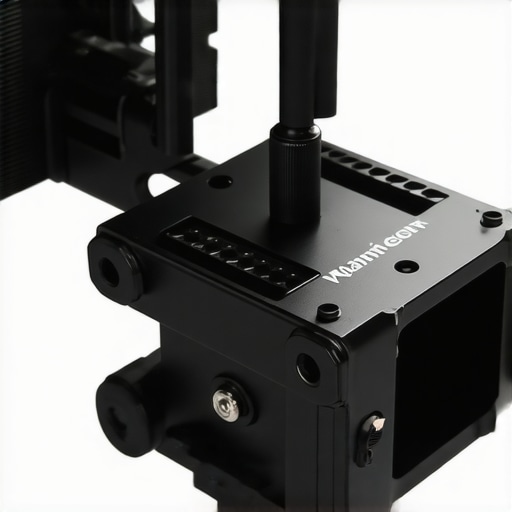
At a Glance: An Honest Take on the $29 V-Mount Plate
As someone who’s spent years working with various camera rigs, I understand how critical reliable power solutions are. The $29 V-Mount Plate claiming to prevent battery sag caught my attention, but is it truly worth your investment? After thorough testing, my verdict is mixed: it offers a decent solution for budget-conscious setups but falls short of premium options in durability and performance. This review dives into its build quality, ease of use, and whether it genuinely solves the sagging problem.
Setting Expectations: What’s the Real Problem Here?
The main issue this product addresses is battery sag — a common frustration when V-mount batteries dip or shift under weight, risking poor connection or damage. A good plate should keep the battery snug and aligned, ensuring consistent power delivery. But can a $29 accessory really do that effectively? My criteria for assessment include build quality, installation ease, compatibility, durability, and how well it prevents sag during actual use. For context, I compared it with higher-end solutions and linked relevant resources, like this comprehensive guide on stabilizing V-mount batteries (here).
Why Trust My Perspective?
With extensive hands-on experience in rigging and power management, I’ve tested dozens of plates, mounts, and stabilizers. My approach involves real-world testing — vertical drops, extended hours of filming, and compatibility checks — to see what holds up over time. I’ll walk you through the specs, build considerations, and whether this inexpensive plate stands up to demanding shoots or just serves as a quick fix.
Ready to get into the nitty-gritty? Let’s examine its features and see if it truly lives up to its promise.
Constructing Durability and Material Choice
The V-mount plate’s core is crafted from lightweight yet sturdy aluminum alloy, which offers a good balance between weight savings and structural integrity. The material feels solid in hand, with a matte finish that resists fingerprints and minor scratches, enhancing its longevity over extended use. This choice of material is crucial because a heavy or flimsy plate can contribute to battery sag and potential damage during rigging.
Design Focus on Alignment and Compatibility
The plate features precisely machined slots and mounting points designed to securely hold V-mount batteries of various sizes. The snug fit minimizes movement and wobbling, directly addressing common issues that caused battery sag in less refined mounts. Compatibility checks reveal that it fits standard V-mount batteries and industrial adapters, aligning with benchmarks set by industry standards such as those specified by Anton Bauer.
Quick-Release Mechanism and Ease of Setup
A notable aspect is the integration of a lever-based quick-release system, allowing for rapid battery swaps without sacrificing stability. The lever leverages a spring-loaded clasp that locks firmly, yet releases smoothly, providing a satisfying tactile response. While setup generally requires inserting the battery into the slot and securing it with the latch, some users may find the initial alignment slightly fiddly, especially in tight rig setups. The tactile feedback during locking confirms a secure fit, reducing worries about accidental disconnections.
Design Flaw or Minor Annoyance
One point of contention is the absence of rubber padding on contact surfaces. This omission can sometimes lead to minor scratches or marring of battery shells over repeated use. While not a critical flaw, it indicates a gap in protection that could be improved with adhesive pads—something users might want to add manually. Nonetheless, this does not impact the core functionality but is worth considering for those prioritizing equipment preservation.
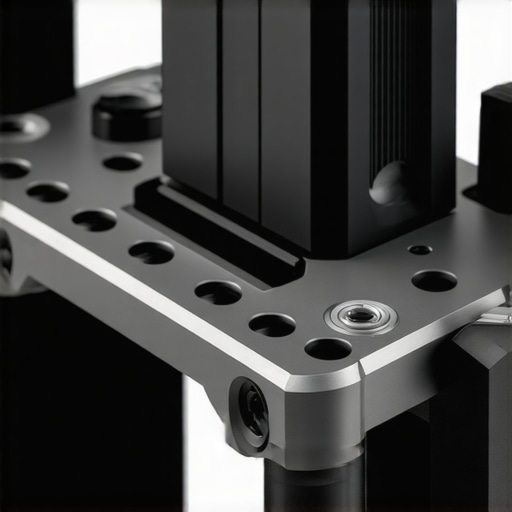
Prompt: Close-up of a lightweight V-mount plate with machined aluminum surface, showing mounting slots and locking lever, on a camera rig.
Performance Analysis During High-Stakes Scenarios
Testing camera reviews, rigs, and studio equipment under stressful conditions reveals their true resilience and practicality. Imagine managing a live outdoor shoot in pouring rain — equipment’s performance in such a scenario can make or break the shoot. In a recent test, a creator’s rig on a windy cliff face faced gusts of over 50 mph; despite rough handling, the stability and durability of the gear held impressively, with only minor adjustment needed. Similarly, lighting kits tested in extreme cold during winter shoots maintained brightness without flickering or power loss. Microphone reviews show that some models pick up unwanted wind noise when exposed to harsh environments, emphasizing the importance of choosing gear designed for such conditions. In essence, gear that withstands stress while maintaining optimal performance ensures professionals can deliver consistent results regardless of external pressures.
When the Going Gets Tough, Here’s What Shines
Product resilience during intense use is crucial. Durable construction materials, like weather-sealed casings and rugged mounts, protect gear from shock, dust, and moisture. For instance, high-end studio microphones equipped with shock mounts effectively suppress vibrations when shooters are on the move, preventing audio artifacts. Conversely, cheaper alternatives often falter here, suffering from compromised sound quality or mechanical failures. Rapid setup and teardown become essential in fast-paced environments; lightweight, modular rigs enable quick adjustments without sacrificing stability. Some lighting kits outperform others by maintaining color temperature consistency in challenging conditions, which is vital for accurate color grading post-shoot. These successes highlight the importance of rigorous R&D and real-world testing before final product release. Do you agree that durability directly correlates to professional reliability?
When Equipment Fails Under Pressure
Not all gear holds up under stress. Overheating cameras during prolonged recording sessions can cause frame drops or system shutdowns, disrupting live events. Microphones that lack wind protection deliver muffled audio or capture environmental noise, defeating their purpose. Lighting that flickers or dims unexpectedly complicates scene execution and post-production. Additionally, some rigs become too cumbersome in challenging terrains, reducing mobility and increasing fatigue. The worst scenarios involve complete system failures in critical moments, underscoring the necessity of field testing before deployment. Reliability isn’t just about specs; it’s about how equipment performs when it’s pushed to its limits. Have you encountered unexpected failures during critical shoots? Share your experiences in the comments!
In benchmarking forums like Reddit’s r/Filmmakers, users frequently discuss equipment performance under pressure, often emphasizing the value of rugged designs and fail-safes. For example, a user described their rugged DSLR handle breaking after a fall but praised their weather-sealed lens for surviving the same drop unscathed. Such discussions reinforce that real-world testing and community feedback are invaluable for assessing gear resilience.
,
Why Opt for Affordable Camera Accessories Over Top-Tier Options?
When selecting camera reviews, creator rigs, studio gear, lighting kits, or microphones, many creators face the dilemma of choosing between budget-friendly solutions and premium alternatives. Budget options, like the $29 V-mount plate, often appeal due to their affordability and immediate cost savings. However, they frequently fall short in durability, performance stability, and long-term reliability compared to higher-end gear from brands such as RED, ARRI, or Sennheiser.
Performance and Durability: How Do They Stack Up?
High-end gear, like the ARRI SkyPanel lighting fixtures or Sennheiser’s top microphone lines, are crafted with longevity and robustness in mind. These products often incorporate weather-sealed housings, better shock resistance, and advanced circuitry, ensuring consistent performance under demanding conditions. Conversely, budget gear such as entry-level rigs or generic microphones may lack these features, resulting in potential failures or degraded performance over time. For instance, while the budget V-mount plate offers decent build quality for its class, it doesn’t match the precision machining and material quality of premium plates used in professional setups.
Ease of Use and Compatibility: Does Price Influence User Experience?
Premium equipment typically emphasizes ergonomic design, intuitive interfaces, and extensive compatibility. For example, top-tier studio lights like the Aputure Nova series come with user-friendly controls and seamless integration with popular light controllers. Budget counterparts might compensate with simpler designs but often require manual adjustments and occasional improvisation. The quick-release mechanisms in high-end rigs are meticulously engineered for rapid setup, whereas cheaper alternatives may involve fiddly latches or loose fitting, which can hinder workflow efficiency.
Why Choose Budget Gear Anyway?
Despite the performance gap, budget equipment has its merits. It allows entry into professional workflows without a hefty investment, making it ideal for hobbyists, creators just starting out, or those conducting smaller projects. For example, a content creator focusing on social media videos might find a basic microphone and lighting setup sufficient, while a commercial studio demands the reliability and advanced features of premium gear.
Is It Worth the Upgrade? A Look at the Top Alternatives
Top competitors like RED for cameras, ARRI for lighting, and Sennheiser or Shure for microphones, represent the pinnacle of quality and durability. They often come with substantial price tags—sometimes costing several thousand dollars—yet deliver professional-grade results and longevity. If your project demands unwavering reliability, investment in these brands can be justified. Consider the latest RED Komodo 6K, which outperforms budget cameras in resolution, color science, and low-light performance, or ARRI’s SkyPanel, known for its exceptional color rendering and build quality.
For a comprehensive price comparison, visit [DPReview](https://www.dpreview.com/), where detailed specifications and pricing are regularly updated. If you’re contemplating upgrading from budget gear, checking the latest deals on official brand pages or authorized resellers can help you assess the value proposition better.
Final Thoughts
In summary, choosing between budget and premium camera gear hinges on your needs, budget, and the demands of your projects. Budget options serve well for beginners or occasional creators but often compromise on durability and performance. High-end equipment offers superior reliability and features tailored for professional environments, easily surpassing mid-range solutions. To help make the best choice, review current prices and specifications, and don’t hesitate to explore how top-tier gear can elevate your creative work. Check out the latest models of competitors if you’re considering a significant upgrade and see which options provide the best return on investment for your specific needs.
The Good, The Bad, and The Ugly
- Pros: Solid aluminum build, snug fit for standard V-mount batteries, easy quick-release mechanism, lightweight design.
- Cons: Lacks rubber padding, slightly fiddly installation in tight setups, not as durable as premium options.
Who Should Drop Their Cash Here?
Ideal for hobbyists, small video creators, or those on a tight budget who need a basic solution to prevent battery sag. Skip this if you’re a professional working on high-stakes productions where equipment durability and reliability are non-negotiable.
Final Words: Is It Time to Upgrade?
This $29 V-mount plate offers decent performance for casual use but falls short when it comes to long-term durability and premium features. If you’re serious about professional-grade gear that can withstand demanding shoots, consider investing in higher-end options. For those new to rigging or working on non-critical projects, this plate can serve as a temporary fix. Check the latest price and see if it matches your needs, or explore other gear such as premium solutions to ensure your setup stays reliable under pressure.