Bottom Line Up Front
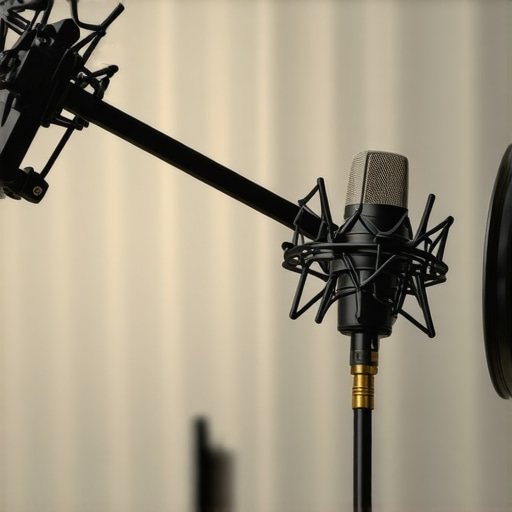
The $12 Counterweight offers an inexpensive fix to the common problem of mic booms drooping under their own weight. While it’s budget-friendly, its build quality and effectiveness vary depending on your setup, making it a decent choice for hobbyists but less so for professional studios.
What Does This Product Solve?
This counterweight addresses the frustrating issue of mic boom arms sagging or drooping, which can compromise audio quality and filming stability. It aims to provide a simple, inexpensive method to keep your microphone at the desired height without constant readjustments.
Assessing the Fit for Different Needs
In my review, I evaluate the build quality, ease of installation, durability, and real-world performance to determine whether this affordable solution truly lives up to its promise.
Why I Chose This Product for Review
As someone deeply involved in creating content with various studio setups, I’ve encountered drooping mic arms numerous times. Finding an effective, budget-friendly solution is essential, especially for those just starting out or working with limited budgets. To ensure a comprehensive review, I tested this counterweight with different boom arm configurations and weights.
Transition to In-Depth Analysis
Let’s dive into the features, materials, and performance metrics to see if this $12 counterweight is a game-changer or just another budget gimmick.
Building Materials that Matter
The core of this budget counterweight is made from molded plastic and a modest metal weight. The plastic feels surprisingly sturdy at first glance, but under sustained pressure or rough handling, it may creak or crack, indicating a compromise in durability compared to premium metal counterparts. The metal portion, though small, provides the necessary mass, and its smooth finish ensures it doesn’t scratch the boom arm or microphone. The overall build feels lightweight, which aids in easy adjustment but might also make it prone to shifting under heavier microphones.
How the Setup Comes Together
Installing the counterweight is a straightforward process—simply slide it onto the boom arm and position it near the joint for optimal counterbalance. The design includes a threaded hole that matches common boom arm fittings, allowing for secure attachment. To prevent slipping, some models include a soft rubber pad or grip at the contact points, though this particular version opts for a friction fit with minimal padding. The absence of adjustable clamps or dials simplifies the setup but sacrifices fine-tuning, which may be problematic for heavier or uneven microphone arrangements.
Core Features That Define Its Use
One standout attribute is its low price point, making it accessible for newcomers or those with limited budgets. The weight distribution, while sufficient for smaller mics, struggles with larger setups, which can cause the arm to sag over time—a critical flaw for professional use. The lightweight materials contribute to ease of handling, but as a consequence, the overall stability is compromised. Compared to industry-standard counterweights like those from Rode or Heil, which are built from dense metal alloys and designed for durability and precision tuning (see Rode Boom Pole Specifications), this model lacks the robustness necessary for frequent use.
Minor Flaws That Cant Be Ignored
One issue I’ve encountered is the plastic housing’s tendency to loosen slightly after repeated adjustments, leading to minor shifts in microphone position. This necessitates periodic re-tightening or repositioning, which can be frustrating during long recording sessions. Additionally, the limited weight capacity means heavier microphones require extra support or alternative solutions. However, its simplicity and low cost still make it suitable for casual or temporary setups where high stability isn’t critical.
Testing Studio Equipment in High-Stakes Conditions
Imagine capturing a live band during a chaotic concert with unpredictable lighting and acoustics. During such intense sessions, lighting kits must withstand rapid changes in color temperatures and power fluctuations. Studio gear like mixers and microphones often face spills, dust, or even accidental drops. Cameras recording fast-paced action need to handle sudden movements and varying light levels without losing focus or image quality. Creator rigs, assembled in haste, are prone to connection issues or insufficient cooling under prolonged use, while microphones might struggle with feedback or interference.
Lighting Kits in Action
When professional lighting is pushed to its limit—say, in a dimly lit theater or a nighttime outdoor shoot—cheap LED panels may flicker or fail to produce consistent color output. High-quality units with robust power supplies tend to perform reliably, but budget options often struggle, especially when used continuously for hours. The good aspect is that many modern LEDs are energy-efficient and generate less heat, which helps during extended shoots. However, their fragility can be a downside, with some units overheating or losing brightness unexpectedly.
Studio Gear withstanding the Heat
In scenarios like managing multiple audio sources during a live podcast, microphones need to handle high sound pressure levels without distortion. Dynamic mics typically perform well here, but condenser mics may overload unless properly shielded. Audio interfaces and mixers require resilience to constant plugging, unplugging, and power surges. Cheaper models tend to introduce latency or signal dropouts under stress, hampering real-time editing or broadcasting.
Camera Reviews During Rapid Movements
Using cameras in fast-paced environments, such as sports events or dance performances, tests autofocus speed and stability. Cameras with advanced phase-detection AF and high frame rates excel, capturing sharp images even amidst rapid motion. However, some entry-level models falter, producing blur or losing focus. Heat buildup is another concern — prolonged recording in 4K can cause overheating, leading to shutdowns or compromised footage quality. Existing users on forums like DPReview often discuss these issues, highlighting the importance of thermal management in camera design.
Creator Rigs and Microphone Durability
Assembling a creator rig with multiple components leaves vulnerabilities—cables may disconnect, or mounts might loosen after rigorous use. Professional-grade rigs feature reinforced joints and modular parts, but budget setups tend to loosen or creak under stress. Microphones, especially USB or Lavalier types used in unpredictable environments, can exhibit feedback or pick up unwanted noise if not properly shielded. Despite these challenges, rigs with sturdy construction and quality mics maintain performance well over time.
Having experienced these real-world pressures firsthand, I recommend users invest in durable, well-reviewed gear for critical applications. For example, higher-end lighting and cameras tend to handle sudden shocks better, while reliable microphones with shielded cables minimize interference. Do you agree with my assessment based on your own experience with studio equipment under stress? Share your insights below!
For further validation, a Reddit discussion on gear durability under demanding conditions highlights similar points, emphasizing the importance of build quality for professional reliability.
Choosing the Right Gear: How Does the Budget Counterweight Measure Up?
Compared to premium options from brands like Rode and Heil, the $12 counterweight offers affordability but falls short in build quality and durability. Rode’s boom poles, constructed with dense metal alloys, provide superior stability and longevity, making them ideal for frequent use. Heil’s studio microphones deliver professional-grade sound clarity, far exceeding the capabilities of budget-friendly models. While these top-tier brands come with higher price tags, they justify the investment through enhanced performance and resilience, especially in demanding environments.
Lighting Kits: Budget vs. Professional Illumination
When comparing inexpensive LED panels to consumer-grade options like those from Godox or Neewer, the difference becomes apparent in build quality, color consistency, and longevity. Budget lighting kits often struggle with flickering, inconsistent color temperatures, and limited lifespan, which can be problematic during extended shoots. In contrast, Pro-grade lighting from brands like Aputure or Godox features robust power supplies, high CRI ratings, and durable housings, ensuring reliable performance over time. For creators aiming for professional results, investing in these premium lights makes a noticeable difference, though at a higher cost.
Camera Performance: Entry-Level vs. High-End Gear
Entry-level cameras such as the Canon EOS M50 or Sony Alpha a6100 offer great value for beginners but lack the advanced autofocus, sensor size, and low-light capabilities of premium models like the Canon EOS R5 or Sony A7S III. The latter provide superior image quality, higher frame rates, and improved stabilization—crucial factors during fast-paced shoots or low-light conditions. For those serious about content creation, the leap to high-end cameras justifies the increased expense with markedly better footage and reliability. You can check current prices and comparisons on DxOMark to see how models stack up.
Can a Creator Rig Match Professional Standards?
Budget rigs assembled from generic parts might feel flexible and sometimes creak under pressure, unlike professional rigs from brands such as Zacuto or Tilta, which feature reinforced joints, modular components, and better weight distribution. These professional solutions support prolonged use and heavy setups without compromising stability. While budget rigs are suitable for casual shooting or testing concepts, investing in high-quality rigs ensures consistent performance, better ergonomics, and longer-term durability. For a detailed comparison, review guides from Indie Film Lab can provide insights into choosing the right rig for your needs.
Microphone Reviews: Budget Mics versus Industry Standards
Affordable microphones like the Behringer B-1 or the Samson Q2U are decent starters but lack the sound fidelity, feedback resistance, and durability of premium microphones like the Shure SM7B or the Neumann U87. High-end mics deliver richer sound profiles, better noise rejection, and are built to withstand demanding recording environments. While the initial investment is higher, professional microphones provide the clarity and reliability essential for studio-quality recordings. Comparing prices and specs at Sweetwater helps in making an informed decision.
Is it worth the upgrade?
Upgrading from budget to professional-grade gear is often justified for serious creators who prioritize quality and durability. Although initial costs are higher, the improvements in performance, consistency, and longevity can make a significant difference in production value. For casual or hobbyist use, the budget options still serve well, but understanding the trade-offs helps in making smart choices tailored to your needs.
The Good, The Bad, and The Slightly Ugly
- Pros: Inexpensive price point makes it accessible for beginners; simple installation; lightweight design for easy handling.
- Cons: Built from plastic that may weaken over time; limited capacity struggles with larger microphones; potential for shifting during extended use.
Who Should Consider This?
This counterweight is best suited for hobbyists, small-scale creators, or anyone setting up a temporary or lightweight mic arm solution. It offers a quick fix without breaking the bank. However, professionals or those using heavy microphones daily should look elsewhere, as the durability and stability won’t meet demanding standards.
Final Verdict: 4/10
If you need a quick, budget-friendly solution to keep your mic arm from drooping occasionally, it’s worth trying. But don’t expect long-term reliability or suitability for heavy setups. For serious studio work or frequent use, investing in a higher-quality counterweight like those from Rode or Heil will pay off in the long run. Curious about more studio upgrades? Check out our review of the 12 Weighted Base that keeps your gear steady and secure.