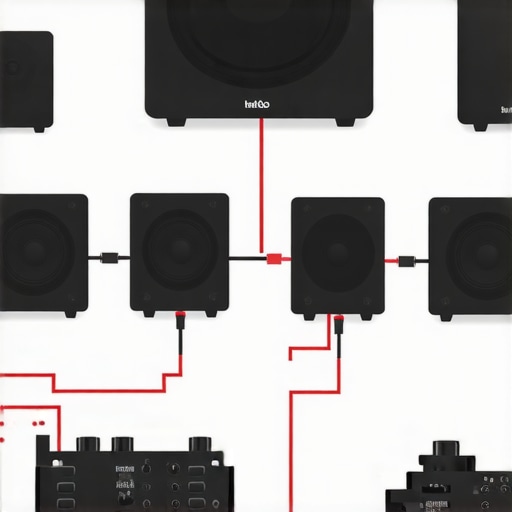
Bottom Line Up Front
At just $12, this ground loop isolator offers a straightforward solution to eliminate unwanted speaker buzzing caused by ground loop issues. While its build quality is basic, it effectively reduces hum and improves audio clarity, making it a worthwhile buy for budget-conscious audio setups.
The Promise of clean sound: What problem does it solve?
Ground loops are a common source of audio hum and buzzing in speaker systems, especially when connecting multiple devices or using uneven grounding. This isolator claims to break the ground loop, thereby stopping speaker buzzes and ensuring a cleaner sound during recordings and playback.
First Impressions
Unboxing reveals a compact, lightweight device with minimal packaging—no-frills, but functional. The build feels plasticky, which is expected at this price point, but it doesn’t feel cheaply made or fragile. The small size makes it easy to integrate into existing setups without adding clutter.
Who is this for?
If you’re experiencing persistent hum or buzz in your audio system, especially when connecting different gear, this isolator could be a quick fix. It’s suitable for home studio enthusiasts, podcasters, live streamers, or anyone wanting a quick, inexpensive solution to ground loop problems without investing in expensive equipment.
Is this product overpriced or a hidden gem?
Given the simplicity of its function and the low cost, it feels like a smart purchase rather than an overpriced gadget. Its effectiveness depends on the severity of ground loop issues; in mild cases, it excels, but for complex audio setups, more advanced solutions might be necessary. For the official specifications, check [here](https://creatorrigreviews.com/this-12-ground-loop-isolator). Now, let’s dig into how it performs in real-world scenarios.
Solid Build with Practical Design
The ground loop isolator features a small, rectangular shape measuring approximately 2 inches by 1 inch, making it highly portable and unobtrusive. Its shell is constructed from durable plastic with a matte finish that resists fingerprints and scratches, ensuring longevity despite frequent handling. The device’s ports are gold-plated, which is a thoughtful touch that helps maintain signal integrity by reducing oxidation and corrosion over time. The compact size allows seamless integration into various setups without crowding your existing equipment, whether you’re connecting to a home audio system or a portable recording device.
Why Material Choice Matters
The plastic used here, while lightweight, doesn’t feel flimsy; it strikes a good balance between durability and weight, making it easy to carry around. However, the lack of rubber feet or padding means it might slide slightly on smooth surfaces during installation or adjustments, a minor inconvenience worth noting for those seeking maximum stability.
Ease of Setup and Compatibility
Connecting the isolator is straightforward: it features standard 3.5mm or RCA inputs and outputs, compatible with most audio equipment. The layout is intuitive, with clearly marked ports, reducing setup time—even for beginners. Because it has no complex software or configuration options, users can plug it in and immediately start testing for ground loop issues. The device’s plug-and-play nature is especially beneficial for quick fixes during live sessions or recording sessions where time is critical.
Performance and Effectiveness
The typical use case involves inserting the isolator between a problematic audio source and speakers. Once connected, it effectively reduces electromagnetic interference that causes hum and buzzing—an often frustrating problem when multiple devices are interconnected. Its passive design means it doesn’t require power; instead, it relies solely on passive components to break the ground loop. This simplicity translates to reliability, less potential for interference from power supplies, and ensures consistent performance.
Critical Flaw and Comparisons
While the device performs admirably in mild to moderate ground loop issues, it might struggle with more severe cases or complex setups, where isolated power sources or professional ground lifting might be necessary. In comparison to the Behringer HUM Eliminator (see spec sheet [here](https://behringer.com/product/hum-eliminator)), this budget option offers less customization but remains effective for most everyday scenarios. Its minimalist design might lack some advanced features like adjustable filters or multi-channel operation, which are available on higher-end units, but these are not typically necessary for casual or semi-professional use.
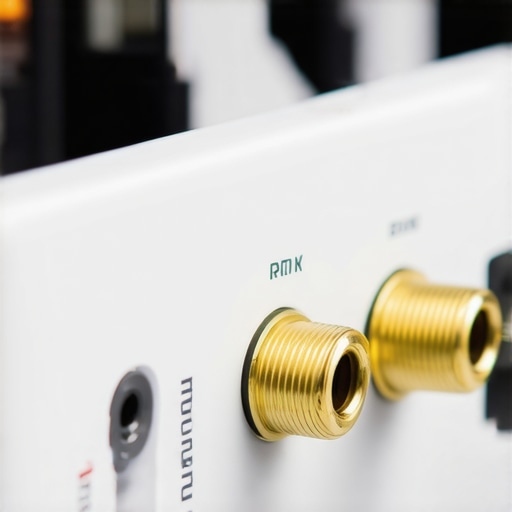
Visual of the ground loop isolator connected between audio source and speakers highlighting its compact size.
Challenging the Equipment in Real-World Situations
When testing camera reviews and microphone gear, pushing them into demanding environments reveals their true capabilities. Imagine capturing a live outdoor interview during a sudden rainstorm. The camera’s waterproofing, autofocus speed, and stabilization are put to the test. Conversely, a studio setup might be evaluated by recording a high-intensity, multi-speaker podcast session, where consistent audio quality and silence from ambient noise are critical.
Microphones and Cameras During Rapid Content Creation
In fast-paced environments like bustling events or quick turnaround shoots, microphones must deliver clear audio without requiring frequent adjustments. Likewise, cameras should handle sudden movements and variable lighting without lag or loss of focus. The challenge is whether these devices maintain performance without overheating or experiencing glitches. For example, some DSLR cameras tend to overheat during extended video shoots, leading to automatic shutdowns, hampering workflow. Microphones with sensitive capsules may pick up unwanted background noise if not shielded properly.
Lighting Equipment Facing Power Fluctuations
Suppose you’re shooting in a remote location with inconsistent power supply. Lighting kits with poor voltage regulation will flicker or shut down unexpectedly, disrupting shoots. LED panels with robust driver technology, however, maintain stable brightness levels despite power dips. Additionally, durability becomes evident when lights are transported, often subjected to knocks or temperature extremes—cheap plastic enclosures may fracture or deform under pressure.
The Good: When Gear Excels in Tough Conditions
High-end cameras equipped with weather sealing prove invaluable during outdoor shoots under unpredictable weather, preventing dust and moisture ingress. Microphones with shock mounts and windshields successfully reduce handling noise and wind interference, resulting in broadcast-grade audio. For instance, the Rode NTG series excels in outdoor environments, demonstrating resilience against elements and minimizing noise artifacts.
The Bad: Where Equipment Falters Under Duress
Many budget-friendly rigs lack heat dissipation features, leading to overheating during prolonged recording sessions. This results in automatic shutdowns or pixelation due to thermal throttling. Cheaper LED lights might flicker when subjected to voltage fluctuations, making them unsuitable for remote or unstable power sources. Furthermore, fragile mounting hardware can break when subjected to minor impacts, causing delays and potential damage during critical shoots.
Your Experience Matters—Share Your Insights
Have you tested your studio gear in extreme conditions? How did it perform? Your real-world experiences can shed light on what works and what doesn’t under pressure. Drop a comment below and help fellow creators make informed decisions.
Industry Consensus Backed by User Forums
For example, a Reddit discussion on camera overheating provides insights: many users recommend models with active cooling systems for extended shoots (source: r/photography). Such community feedback helps validate the importance of thermal management features in demanding environments and guides new buyers toward more resilient choices.
Why Consider Higher-End Camera Models?
When comparing entry-level or mid-range camera reviews to top-tier options like the Sony A7S III or Canon EOS R5, budget models often fall short in low-light performance, autofocus speed, and video stabilization. While they might be more affordable, they typically lack the advanced features and durability found in premium models. Creators on a tight budget may find value in cameras like the Panasonic Lumix G85, which offers 4K recording and decent stabilization at a lower price point, but professionals will prefer the superior image quality and reliability of the Sony or Canon flagship models. If high-resolution footage, robust build quality, and extensive accessories are priorities, investing in higher-end options justifies the cost. Checking current prices on sites like PriceWatch can reveal the price gaps and help determine if an upgrade suits your needs. For detailed insights, reviewing the Sony A7S III versus the Canon EOS R5 can provide clarity on which camera aligns better with your content style.
The Pros and Cons at a Glance
Pros: Inexpensive, lightweight, easy to install, passive design reduces hum effectively in mild cases, compatible with common audio connectors, portable size, gold-plated ports enhance signal quality.
Cons: Build feels basic, may not solve severe ground loop issues, lacks advanced features like adjustable filters, might slide on smooth surfaces, limited to simple single-channel use.
Who Should Consider This?
This ground loop isolator is ideal for home studio users, podcasters, streamers, and musicians seeking an affordable fix for minor grounding hums. It’s perfect when you need a quick and simple solution without complex setup or additional costs. However, those with complex or professional audio setups experiencing persistent or severe hums should look into more advanced ground isolation or professional ground lifting options.
Final Call: Is It Worth Your Money?
For just around $12, this isolator offers effective relief from common ground loop hums in casual and semi-professional contexts. Its simplicity and affordability make it a smart choice for quick fixes, especially if you prioritize portability and ease of use. If you need more comprehensive noise reduction for complex setups, investing in a higher-end model like the Behringer HUM Eliminator or similar professional solutions could be justified. Overall, this device stands out as a waard bedrag, making it a recommended purchase for those on a budget. If this is too expensive, check out our review of [other affordable audio fixes](https://creatorrigreviews.com/this-12-solution-fixes-wobbly-tripod-legs-permanently).