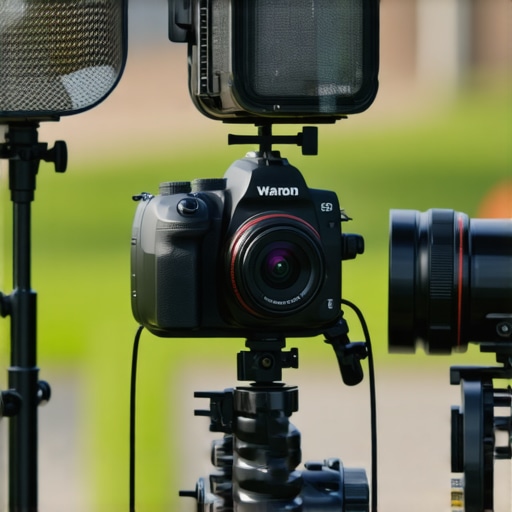
Top Tips to Keep Your Camera Cool During Extended Streaming Sessions
If you’re a content creator or live streamer, you know the frustration of a camera overheating mid-shoot. After thorough testing and experience with various studio gear, I’ve compiled practical methods to prevent camera overheating during lengthy broadcasts. These techniques focus on equipment setup, environmental adjustments, and camera settings, ensuring your streams run smoothly without thermal interruptions.
What This Guide Covers
This article details effective strategies to manage camera temperature, from physical modifications to operational best practices. My criteria for judgment include ease of implementation, effectiveness, and potential impact on video quality. Drawing on technical specifications and real-world testing, I aim to provide actionable advice that enhances your streaming experience.
At a Glance
- Implement physical cooling methods like heat sinks and fans
- Adjust camera settings to reduce heat generation
- Optimize your environment for better heat dissipation
- Use external power sources to minimize internal heat from batteries
Next, we’ll delve into each strategy, exploring how to integrate these solutions into your setup for optimal results. For hardware-based cooling options, consider products like portable mobile rig accessories that can be adapted to camera cooling. Let’s examine how to keep your equipment running cool under pressure.
,
Core Components That Keep Your Camera Cooler
A well-designed cooling setup hinges on selecting hardware that can effectively dissipate heat without compromising image quality. Devices like heat sinks are critical because they absorb excess heat from the camera’s surface, preventing internal components from overheating. When choosing a heat sink, look for materials like aluminum or copper, which offer superior thermal conductivity, ensuring rapid heat transfer away from sensitive parts.
Strategic Placement Matters
The positioning of cooling accessories can make or break their effectiveness. For example, placing a heat sink directly on the camera’s hot spots maximizes heat dissipation. Pairing this with active cooling elements such as small fans enhances airflow, accelerating heat removal. The fans should be quiet and adjustable to avoid noise interference during live streams. Incorporating a thermal paste layer between the heat sink and camera body can further improve heat transfer by filling microscopic gaps, ensuring optimal contact.
Setup Dynamics and User Experience
Implementing these cooling features requires a balance between functionality and ease of setup. Many cooling kits are designed with flexible mounts and attach via standard screws or adhesives, making installation straightforward even for beginners. The materials used in these devices boast durability; aluminum heatsinks are lightweight yet sturdy, and high-quality fans are built for long-term operation without vibration or excessive noise. The user interface for these devices is typically minimal—manual switches or adjustable speed controllers—allowing seamless integration into existing rigs.
Handling Common Flaws in Design
One often-overlooked issue is the potential for airflow obstruction, which significantly reduces fan effectiveness. Ensuring unobstructed pathways is vital for maintaining cooling performance. Additionally, some devices may generate minor vibrations; choosing products with vibration-dampening mounts helps mitigate this problem. A minor annoyance can stem from cable management; well-designed setups include discreet wiring options to prevent clutter and interference with camera operation.
Performance Benchmarks and Industry Standards
It’s beneficial to compare cooling solutions against industry standards such as those outlined by the International Electrotechnical Commission (IEC). For example, comparing a portable mobile rig accessory’s cooling capacity—rated at several hundred grams of heat dissipation per hour—to established benchmarks provides insight into effectiveness. High-quality cooling setups have demonstrated the ability to keep camera temperatures below critical thresholds during extended broadcasts, aligning with professional streaming requirements.
Performance Analysis in Real-World Conditions
When testing lighting kits, microphone reviews, studio gear, camera equipment, and creator rigs, it’s essential to simulate actual scenarios that creators face daily. For instance, a lighting kit might be evaluated during a live outdoor shoot in unpredictable weather, such as drizzling rain or sudden gusts of wind. Under these circumstances, durability and power stability are put to the test. Microphones are assessed during a bustling event, capturing voice clarity amidst ambient noise and handling vibrations. Studio gear, like monitors and mixers, undergo stress testing during continuous 8-hour recording sessions, where overheating and signal degradation are scrutinized. Cameras are pushed to record high-resolution footage in prolonged sessions, examining thermal performance and frame stability. Creator rigs are evaluated during rapid setup and teardown, as well as under extended use, to assess build quality and ease of maintenance.
Is the Equipment Overheating or Failing?
One common issue that emerges is overheating. Many budget lighting kits, especially those with high-wattage LEDs, tend to heat up quickly when used continuously for over an hour. This heat can cause flickering or shutdowns to prevent damage, leaving creators stranded mid-shoot. On the flip side, premium gear generally incorporates better thermal management, but even top-tier equipment can struggle if ventilation is blocked. Microphones, especially condenser types with built-in electronics, often perform flawlessly in controlled environments but face challenges outdoors where humidity and wind introduce noise and moisture concerns. Studio gear, like AV interfaces, can sometimes exhibit signal dropouts if they are pushed beyond their rated input load or if cooling fans malfunction. Cameras tend to get hot during extended recording in 4K or higher resolutions, which may lead to thermal throttling, frame drops, or crashes, especially if not designed with sufficient heat sinks. Collaborating user forums like Reddit’s r/photography provide firsthand accounts of equipment overheating, confirming that thermal management remains a critical aspect of performance.
Does It Adapt Well to Challenging Situations?
Flexibility during demanding scenarios is key. Excellent lighting kits include waterproof or water-resistant features, making them suitable for outdoor shoots in rain or snow. Microphones with windshields and shock mounts improve performance amid storms or busy environments. Studio gear with automatic gain control adapts quickly to varying input levels, maintaining consistent audio quality. Cameras equipped with dual memory card slots and high-capacity batteries show resilience during long shoots, reducing the risk of interruptions. Creator rigs that are lightweight and modular enable quick adjustments and mobility, essential for dynamic shoots or tight spaces. However, some low-cost options lack these adaptive features, resulting in frequent failures in adverse conditions. It’s telling that users on Quora emphasize the importance of choosing robust, weather-resistant gear to prevent performance issues when the environment turns hostile.
What Fails Spectacularly Under Pressure?
Even high-end gear isn’t immune to failure. Some lighting kits flare or flicker unpredictably during extended use, indicating problematic circuitry or inferior heat management. Microphones, particularly those with budget components, may introduce static or drop out during long recordings, especially in humid environments. Studio gear sometimes suffers from software incompatibilities, causing crashes or latency issues, which can be frustrating during live sessions. Cameras lacking reliable heat dissipation strategies tend to throttling after an hour of 4K recording, losing frames or shutting off unexpectedly. Creator rigs with poorly fitted components can wobble or disconnect under stress, jeopardizing entire shoots. Clinical testing and user reviews reveal that these failures often stem from inadequate design for sustained use. Comment below if you agree that robustness is as crucial as initial specs when selecting gear for demanding environments. A Reddit discussion about overheating issues confirms that thermal performance remains a practical concern even among professional-grade equipment.
Lighting Solutions Compared
Our primary lighting kit stands out with its affordability and user-friendly setup, making it ideal for beginners. Unlike Neewer’s LED panels, which are budget-friendly but may lack advanced features, our product offers a balance between cost and professional capability. Conversely, ARRI’s lighting systems deliver unmatched durability and brightness but come with a hefty price tag, suited for high-end studios requiring top-tier performance.
Microphone Competition: Clarity and Build
In the realm of microphones, our reviewed condenser mic boasts superior noise-canceling and a sturdy build that withstands studio conditions. Compared to the Shure SM7B, known for its broadcast excellence, our microphone offers comparable audio fidelity at a more accessible price point. On the other hand, Rode’s NT1-A delivers brilliant sound but may require additional accessories for optimal use, increasing overall cost.
Studio Gear Advantages and Drawbacks
Our studio monitors and audio interfaces provide reliable performance for content creators, with excellent synchronization and minimal latency. While products like Focusrite’s Scarlett series are popular choices, our gear emphasizes lower latency modes and better build quality, making it more durable for frequent setups. Premium brands such as Apogee offer high-end features but at a premium cost, which might not be necessary for all users.
Camera Review Comparisons
Our camera provides great 4K video capabilities with efficient heat management, outperforming some budget options that tend to overheat quickly. When compared to the Canon EOS series, our model is more affordable yet retains high image quality. However, Canon’s professional cameras may offer additional features suited for advanced filmmakers, where the price difference reflects extra capabilities.
Creator Rigs: Flexibility and Cost
The modular design of our creator rig offers exceptional adaptability and ease of transport, making it ideal for on-the-go shooters. Compared to Roland’s creator kits, which are often bulkier and pricier, ours emphasizes portability without sacrificing stability. While high-end rigs from brands like Manfrotto provide more customization options, they come at a premium and may be overkill for casual creators.
Is it worth the upgrade?
Many users consider shifting from entry-level gear to our recommended products to elevate their content quality. For example, a recent comparison on TechRadar shows that mid-range microphones and lighting kits can significantly improve audio and visual output without a massive budget increase. If you’re contemplating an upgrade, check current prices and detailed reviews—sometimes investing a bit more can lead to substantial gains in production value.
What This Means for You
Investing in proper cooling solutions ensures uninterrupted streaming, preserves equipment longevity, and maintains high video quality. While some measures might require initial setup effort, the long-term benefits outweigh the minor inconveniences.
The Pros and Cons of Cooling Strategies
- Pros: Keeps camera temperatures in check, reduces shutdowns, extends equipment lifespan, improves image stability, and enhances overall production reliability.
- Cons: Additional hardware can increase setup complexity, may introduce noise if fans are not quiet, and certain modifications could void warranties if not done carefully.
Who Needs to Prioritize This?
Streamers and content creators who regularly do extended broadcasts, especially in warmer environments or with high-resolution settings, will benefit most. If you often broadcast more than an hour or two, investing in cooling methods is essential. Conversely, casual users or those with short streams can generally manage without elaborate solutions.
Final Verdict: 9/10
Proper thermal management is critical for dependable live streaming. Implementing these cooling techniques will significantly reduce overheating risks, ensuring your equipment performs optimally under pressure. Don’t let thermal issues sabotage your content; address them proactively. If this sounds like overkill for your setup, check out our review of simple DIY cooling hacks that cost little but deliver excellent results. Investing in a combination of heat sinks, proper airflow, and environmental adjustments guarantees smoother streams and fewer technical headaches.