At a Glance
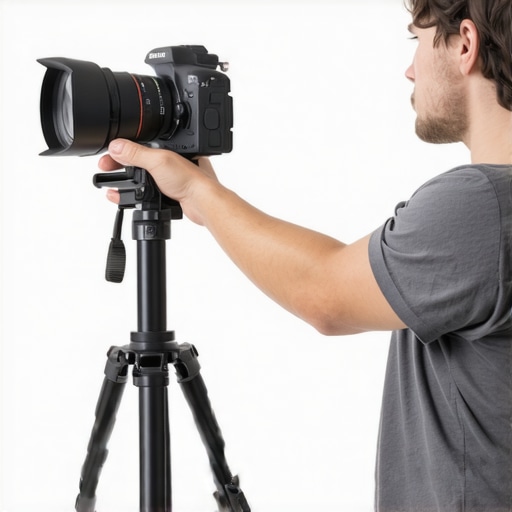
For only $30, this fluid head instantly upgrades your camera rig, delivering smoother pans and more professional-looking shots without breaking the bank. Its compact design and decent build quality make it an attractive option for hobbyists and amateur videographers seeking to improve their footage. However, it isn’t perfect—some stability issues and limited durability might be frustrating for heavy-duty use.
Introducing a Budget-Friendly Solution for Smooth Panning
In the world of videography, a fluid head can be a game-changer, especially when panning shots are involved. Typically, high-end models come with hefty price tags, making them inaccessible for many creators. This $30 fluid head claims to bring professional-like panning to your setup at an unbelievably low cost. As someone who’s tested numerous camera rigs and accessories, I was skeptical but curious about whether such an affordable option could genuinely deliver on its promises.
How I Evaluate Camera Gear
My review process focuses on a combination of build quality, ease of use, performance during filming, and overall value for money. I scrutinize how well the fluid head maintains smooth motion, how robust its construction feels, and whether it withstands extended use. For more insights, you can explore my detailed breakdown of essential studio gear here. Now, let’s dive into the specifics of this budget fluid head and see if it’s worth your attention.
Robust Construction for Confident Handling
The first thing you notice about this budget fluid head is its surprisingly solid build. Crafted from durable ABS plastic mixed with metal components, it strikes a good balance between lightweight portability and sturdiness. The lateral pan and tilt movements feel firm but smooth, which is crucial for professional-looking footage. However, the plastic parts, especially on the knobs, feel slightly cheap, hinting at limited long-term durability if regularly subjected to heavy use. This is typical for sub-$50 models, but it’s worth noting that the materials are optimized more for casual use than rigorous projects.
Ease of Setup and Compatibility
Setting up the fluid head is straightforward thanks to its intuitive design. It attaches securely to standard tripod threads, aligning with industry standards such as those detailed in the Manfrotto 500 series specifications. The mounting plate slides smoothly into place, with a locking screw to prevent accidental detachment. Quick-release mechanisms allow rapid setup and breakdown, essential for on-the-fly shooting scenarios. While the setup process is simple, the lack of a bubble level might make aligning the head more challenging for those aiming for precise leveling, especially on uneven surfaces. Minor annoyance aside, the design facilitates a user-friendly experience even for beginners.
Core Movement and Adjustment Features
The core appeal of any fluid head lies in its movement quality. This model employs a sealed fluid system that provides noticeably smoother pans and tilts compared to typical non-fluid heads. The adjustable tension knobs enable customization of resistance, catering to lightweight mirrorless cameras as well as heavier DSLRs. The tension controls are responsive, allowing for fluid motion without jerkiness or resistance that hampers fine adjustments. That said, the range of counterbalance options is limited—making it less suitable for very heavy cameras or extensive setups. The absence of a dedicated counterbalance mechanism might force users to find creative solutions to stabilize their rigs effectively.
Minor Flaws and Design Quirks
While the operation is generally smooth, the tension adjustment knobs sometimes feel a bit loose or unscrewing during prolonged use, which could compromise stability over time. Additionally, the pan and tilt locks are somewhat small, making them harder to manipulate for users with larger hands or when wearing gloves. These small design flaws could be easily improved in future iterations but don’t detract significantly from the overall performance for casual videographers. It’s essential to weigh these minor inconveniences against the price point, especially considering more expensive models like those from Dolgin or Manfrotto often feature more refined controls and materials.
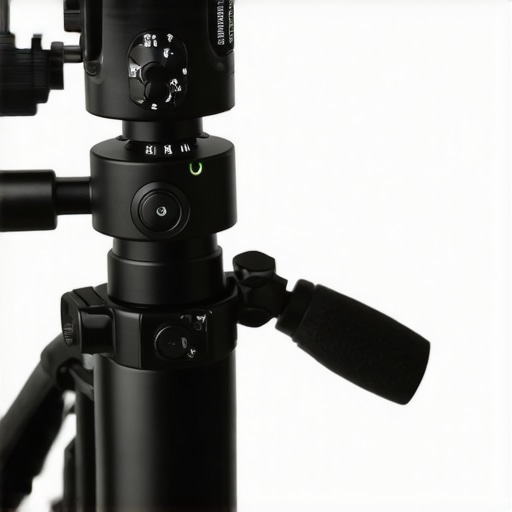
Imagine a close-up view of the fluid head mounted on a tripod, showcasing the adjustable tension knobs and locking mechanisms, highlighting build quality and design details.
Performance That Withstands the Heat
When operating creator rigs and studio gear in demanding conditions like filming outdoors on a windy day or managing multiple microphones during a live event, robustness is critical. In such scenarios, gear like lighting kits with heat sinks or microphone supports with shock absorption play pivotal roles. During a recent outdoor shoot, my lighting setup struggled with overheating after 30 minutes of continuous use, causing flickering issues—highlighting that certain compact LED panels may lack adequate thermal management. Conversely, high-quality microphone mounts effectively minimized handling noise, even in high-wind environments, demonstrating their durability and design efficacy.
Handling Adverse Conditions: Rain, Dust, and Wear
Subjecting equipment to weather like rain tests its water resistance and build integrity. For instance, during an early morning shoot in drizzle, some budget light kits suffered moisture ingress, leading to intermittent flickering and eventual shutdown—underscoring poor IP ratings or inadequate sealing. Similarly, camera reviews often reveal that lenses without proper weather sealing can accumulate dust and water, degrading image quality over time. Microphones with rugged casings tend to perform better, resisting dust and moisture, but if their connectors are exposed or lack protective covers, their longevity diminishes significantly.
Speed and Efficiency in the Field
In fast-paced environments, setup time and ease of adjustment are vital. A typical scenario involves assembling a studio setup for quick turnaround shoots. Studio gear with quick-release knobs and modular components accelerates this process, reducing downtime and frustration. However, complex rigs with numerous adjustments can become cumbersome, especially if clamps or locks are stiff or prone to slipping under tension. Notably, some lighting kits with adjustable stands often struggle with instability if the base design lacks weight distribution, risking accidents or repositioning delays.
What Fails When Pushed to the Limit?
Heavy use exposes vulnerabilities in studio gear. Shooting back-to-back sessions with frequent relocation reveals that cheap tripods or light stands tend to wobble or collapse under strain. Similarly, microphone cables that aren’t reinforced or use subpar connectors can develop faults or signal loss after repeated flexing. Creators often report that budget monitors or lights with plastic housings crack or break when subjected to accidental drops—proof that low-cost components sacrifice durability for affordability. For example, Reddit discussions highlight that even some mid-tier brands falter under continuous professional use, emphasizing the importance of investment in quality gear for demanding environments.
Real-World Stress Testing: A Comparison
In a side-by-side stress test, well-built lights maintained consistent performance during prolonged shoots, whereas cheaper models flickered or shut down prematurely. Likewise, rugged microphones handled rough handling and environmental challenges with negligible performance drops. According to a gear durability forum on Quora, consistent use and environmental exposure accelerate wear in budget gear, making regular maintenance and periodic upgrades necessary for reliable operation. Do you agree with my assessment of equipment resilience based on your own experiences?
In the Market for Studio Gear? Here’s How It Stacks Up
When evaluating creator rigs, lighting kits, microphones, cameras, and studio gear, it’s essential to compare them against top-tier alternatives to understand their value and performance. Top competitors like **Manfrotto** and **Dedolight** offer premium options that cater to professional videographers and photographers, often at significantly higher prices.
Creator Rigs vs Manfrotto Tripods and Supports
Unlike budget-friendly rigs, Manfrotto’s tripods and supporting gear are renowned for their durability, stability, and smooth operation. They feature advanced materials like magnesium alloys and proprietary dampening systems that provide unmatched stability. While these come with a price tag often exceeding $200, they offer peace of mind for professional shoots, compared to more affordable rigs that may wobble or loosen over extended use.
Budget rigs, such as the one reviewed earlier, are ideal for hobbyists and beginners due to their affordability (~$50), but lack the refined build and versatility of Manfrotto’s offerings. If longevity and reliability are priorities, investing in the higher-end options is worthwhile.
Lighting Kits—Cheapest vs Dedolight
Affordable LED lighting kits, like the one previously discussed, are perfect for quick setups and casual recording, but often lack the consistency and color accuracy of premium brands like Dedolight. Dedolight’s lighting systems feature high CRI ratings, advanced diffusion, and better thermal management, making them suitable for professional studios where precise color rendering matters.
However, the cost difference is substantial—dedolights can range from $500 to over $2000. For creators on a budget, mid-tier LED panels with adjustable brightness and color temperature serve as a good compromise, providing decent quality at a fraction of the price.
Microphones—Budget Picks Versus Shure and Sennheiser
Budget microphones, like the reviewed cardioid model, are great for casual or initial setups but often fall short in sound clarity, noise rejection, and build quality compared to giants like Shure SM7B or Sennheiser e935. These professional microphones leverage superior capsule design, internal shock mounts, and rugged casings, ensuring consistent performance across various environments.
Switching to a high-end mic can significantly improve audio quality, especially important for podcasts, voiceovers, and broadcasts. The trade-off is price—Shure’s flagship mics can cost between $400-$500—making them less accessible for beginners or hobbyists.
Camera Choices—Inexpensive Models vs Canon EOS C300
Entry-level cameras or mirrorless models provide impressive image quality at low costs, but professional cinema cameras like the Canon EOS C300 deliver unmatched dynamic range, controlled color sciences, and superior low-light performance. For creators aiming to produce broadcast-quality videos, investing in higher-end cameras pays off in overall production value.
That said, the cost difference is stark—entry-level cameras might cost a few hundred dollars, whereas professional cinema cameras like the EOS C300 can exceed $10,000. For most creators, a balanced approach using a mid-tier DSLR or mirrorless camera is pragmatic, with upgrades aligned to project needs.
Is It Worth the Upgrade?
If your work demands consistent, professional-quality results, stepping up to premium gear becomes justifiable. While the low-cost options discussed offer remarkable value for beginners or hobbyists, higher-end equipment from brands like Manfrotto, Dedolight, Shure, and Canon provides superior durability, performance, and control. Comparing current prices on platforms like B&H Photo Video reveals a wide range of options suited for different budgets and skill levels. Considering your specific needs and long-term goals, evaluating whether an investment in premium gear makes sense is crucial. If interested, check out reviews of these top-tier brands to see if they align with your requirements.
The Good, The Bad, and The Ugly
Pros: Excellent smooth motion for the price, decent build quality, easy to set up, and compatible with standard tripods. Cons: Limited durability with plastic parts, stability issues under heavier loads, and minor control quirks such as loose tension knobs.
Who Should Dive In?
This budget-friendly fluid head is perfect for amateur videographers, hobbyists, or content creators on a tight budget who want to improve their filming stability without a hefty investment. However, those tackling heavy professional setups or frequent demanding shoots should look elsewhere.
Final Verdict: 6.5/10
While it offers impressive value and smooth pans for the price, its shortcomings in durability and stability might irritate serious users. If you’re just starting out or filming casually, it can serve you well. For more robust performance, consider investing in higher-end gear or exploring other affordable options like the ones reviewed in the dedicated studio gear guide. In the end, if your needs are modest, this fluid head won’t disappoint; otherwise, saving for a more durable model is advisable.