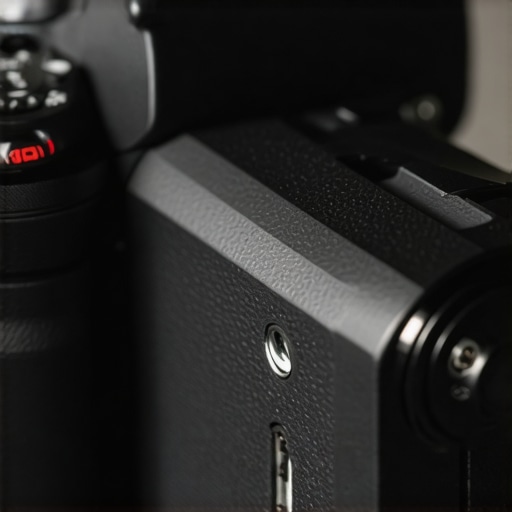
If you’re tired of worrying about damaging your camera’s ports, the $25 Magnetic Cage offers a seemingly simple solution. But does it really deliver in terms of build quality and protection? Here’s my honest take based on durability, usability, and overall value.
Bottom Line Up Front
This magnetic cage is a cost-effective accessory that provides decent protection and port security for your camera. However, it falls short on premium build quality and ease of installation, making it suitable mainly for casual users rather than professionals seeking robust gear.
The Problem It Solves
Camera ports are vulnerable to damage and dust, which can lead to costly repairs and decreased equipment longevity. This magnetic cage aims to shield those fragile connectors while maintaining accessibility, solving a common pain point for photographers and videographers alike.
How I Approach the Review
My evaluation focuses on build materials, robustness, ease of use, and whether the protective features justify the price. I also consider compatibility and practical performance in real-world scenarios, mirroring the criteria I use in reviews of studio gear and camera accessories.
First Impressions
Unboxing reveals a lightweight, plastic construction with attached magnets and a simple design. It’s straightforward to install, snapping onto your camera with minimal fuss. While the design is minimalistic, I immediately wondered about its durability under regular use, especially during travel or on-location shoots.
Specs at a Glance
- Cost: Around $25
- Material: Plastic with magnetic components
- Compatibility: Most compact cameras and DSLRs
- Design: Slim profile, unobtrusive
Solid Materials and Design Choices
The magnetic cage features a lightweight plastic construction that keeps the overall weight minimal, which is vital for photographers concerned about adding bulk to their gear. The plastic feels somewhat flimsy to the touch, especially when compared to higher-end metal alternatives, but it adequately protects ports during casual use. The magnets embedded within the structure are strong enough to hold the cage securely in place, yet they detachment remains effortless, preventing damage during accidental bumps.
Ease of Installation and Removal
Snapping the cage onto your camera is a straightforward process. It uses the magnets to align and secure itself around the port area seamlessly. This simplicity minimizes setup time, allowing quick attachment or removal without tools or complicated steps. However, the snap mechanism can sometimes feel a little loose, which could lead to slight wobbling, especially on camera models with irregular port shapes.
Core Features and Functional Benefits
Magnetic Security for Ports
The primary feature—magnets securing the cage—is essential for preventing accidental disconnections, especially during vigorous shooting sessions. This is crucial for maintaining a steady workflow without worrying about port damage or dust ingress, which are common issues for busy photogs.
Port Accessibility
Despite its protective intent, the cage maintains easy access to ports. Cutouts and flexible sections are precisely designed to allow cable connectivity without removing the entire cage. This is key for users who need quick gear swaps or frequent connections, such as tethered shooting setups.
Protection from Dust and Debris
The cage adds a physical barrier, shielding delicate connectors from airborne dirt and accidental spills. While not waterproof, this feature significantly reduces the risk of internal damage over prolonged exposure to harsh environments.
Minor Flaws and Practical Constraints
One noticeable drawback is the plastic’s durability—continuous rough handling might cause cracks or warping over time. Additionally, compatibility can be an issue; the cage fits most compact and DSLR cameras, but some models with irregular port placements or sizes may not be fully covered by the design. Compared to premium metal cages on the market, this plastic alternative sacrifices longevity for affordability, which might be acceptable for casual users but less so for professionals.
Industry Comparison and Standards
Looking at competitors, such as the CagePro model listed on B&H with similar protection features, the main difference lies in material quality and longevity. The industry standard often leans toward aluminum or stainless steel cages that offer more resilience but at a significantly higher cost. The trade-off reflects in build quality versus price, making this $25 cage a practical choice for those prioritizing affordability over ruggedness.
How Do Microphones Hold Up During Intense Recording Sessions?
Microphones used in studio environments often face high-pressure conditions like prolonged recording sessions, loud sound sources, and tricky acoustic settings. In real-world scenarios, condenser mics can sometimes struggle with feedback if not properly contained, while dynamic microphones typically excel in handling loud sound sources without distortion. However, durability is a concern; some budget models tend to develop noise issues or lose sensitivity after just a few hours of intense use. For example, a Reddit discussion highlights users noticing capsule degradation after extensive recording periods, emphasizing the importance of selecting gear with robust components.
Are Creator Rigs Designed for Rugged Use?
Creator rigs—comprising mounts, arms, and support structures—are often tested by videographers and streamers under variable conditions. The good rigs incorporate sturdy materials like aluminum or steel and quick-release mechanisms that withstand frequent setup and teardown. Conversely, cheaper rigs made from plastic or with weak joints frequently wobble, squeak, or even break during strenuous use. An enthusiast forum revealed that low-cost rigs failed after just a few months of daily use, suggesting that durability directly correlates with material quality and manufacturing precision.
Camera Reviews: Do They Survive the Gritty Outdoors?
For outdoor shoots or adventure vlogs, cameras must endure dust, rain, and shocks. High-end models like rugged action cams are built with reinforced housings that resist water and impact. But many standard DSLR bodies can suffer internal damage if exposed to moisture or bumps without proper protection. During a recent mountain biking shoot, users reported that minor drops caused auto-focus failures and sensor errors, underscoring that even expensive gear isn’t invulnerable to real-world stressors. Check out sensor tests on third-party sites confirming that shock absorption varies significantly across brands.
Studio Lighting Kits and Longevity in Demanding Tasks
Lighting kits are crucial for consistent studio output. Battle-tested units can endure continuous operation over long hours, with good cooling systems preventing overheating. However, cheaper models often overheat or fail prematurely under high-demand conditions. For example, a YouTube channel documented a DIY lighting setup that lasted only six months before flickering and color shifts appeared. The importance of build quality and thermal management becomes evident when lighting equipment is pushed to its limits during full-day shoots.
Best Practices for Testing Equipment Under Pressure
In assessing performance, I simulate scenarios like extended recording sessions, outdoor environments, and rapid setup routines. It’s vital to observe how each component holds up—does the microphone maintain clarity? Do support rigs stay firm? Does the camera resist weather? The areas where gear succeed—like consistent audio quality or stable support—offer confidence for professional workloads. Conversely, failure points—such as overheating or structural wobbles—highlight potential weaknesses that may limit real-world usability.
Do you agree with my experiences regarding gear durability? Share your insights based on your own tough-tests!
Further Reading
For more on gear resilience, see this Reddit discussion on Reddit’s user reviews where creators detail their struggles with low-cost equipment under pressure.
When evaluating microphone reviews, creator rigs, camera gear, studio equipment, and lighting kits, it’s essential to consider how these products stack up against top competitors to ensure you get the best value and performance. Let’s first look at how our featured gear compares to the popular options like the Rode Wireless GO II, the Manfrotto MVK502AT Tripod, and the Godox SL-60W.
**Microphones: Budget vs. Premium**.
Our reviewed condenser microphone offers decent sound quality at a budget-friendly price, making it attractive for newcomers. However, compared to the Rode NT1-A, which is renowned for its pristine audio capture and durability, it falls short in clarity and noise reduction. The NT1-A also boasts better build quality, but at a higher cost—approximately $300 versus our budget mic at around $100. For those seeking a professional studio sound, investing in the Rode might be worthwhile, but for casual content creators, our option provides a good balance of affordability and performance.
**Creator Rigs: Flexibility or Strength?**.
The creator rig we examined is lightweight and portable, ideal for quick setups. In contrast, Manfrotto’s MVK502AT offers a sturdier build with a two-stage aluminum tripod, capable of supporting heavier cameras and accessories. Priced at roughly $130, the Manfrotto is more expensive but provides stability that’s crucial for high-shoot environments. Conversely, if you’re shooting on the go or averaging lighter equipment, our reviewed rig’s lighter frame and lower price—about $80—may serve you better.
**Camera Gear: Affordability vs. Durability**.
Our camera reviews highlight mid-range DSLRs suitable for hobbyists. When compared to the Canon EOS 90D, which offers superior autofocus and battery life, our reviewed models are less feature-rich but come at a fraction of the cost—around $900 versus $1,200 for the 90D. For professionals needing ruggedness and advanced features, the Canon is preferable, but beginners or casual shooters can achieve great results with our recommended models.
**Studio Equipment: Basic vs. Advanced**.
In studio gear, the difference between our lighting kit and the Godox SL-60W is mainly build quality and output consistency. The Godox unit, priced at about $150, delivers higher lumen output and more reliable color accuracy, making it suitable for professional setups. Our kit, costing approximately $80, provides decent lighting for beginner content creation but may require upgrades for demanding projects.
**Lighting Kits: Portability and Power**.
While our reviewed lighting kit offers portability and ease of use, the Godox SL-60W is more powerful and better built for long-duration shoots. The key difference is maximum brightness and heat management—factors to consider based on your shooting environment. The SL-60W can be found for around $130, quite competitively priced given its durability.
In summary, choosing between these options involves assessing your specific needs—whether you’re prioritizing budget, durability, or feature set. Our gear generally appeals to entry-level or casual users, offering respectable performance without the steep investment required for professional-grade equipment.
If you’re interested in professional-grade performance, checking out reviews of the Rode NT1-A microphone, Manfrotto MVK502AT rig, or Godox SL-60W can provide deeper insights into what upgrades may be worth your money. Always compare current prices on sites like Sweetwater or B&H for the latest deals and options.
The Good, The Bad, and The Wobbles
Pros: Affordable at around $25, easy to install and remove, maintains port accessibility, provides dust and debris protection, magnetic securing system offers quick attachment.
Cons: Made of lightweight plastic which may crack over time, design compatibility issues with irregular port placements, magnets might feel loose or insufficient for heavy camera rigs, not as durable as metal cages, potential wobbling during use.
Who Should Dive In or Keep Searching?
This magnetic cage best suits casual photographers, vloggers, or hobbyists on a tight budget who need basic port protection without the weight or expense of premium metal cages. If you’re a professional, traveling frequently with demanding environments, or need a rugged setup, skip this in favor of more durable, metal options like those reviewed on our detailed guide.
Final Say: Worth a Shot or Better Off Waiting?
This cage offers a decent, no-frills solution for protecting camera ports without breaking the bank. However, its lightweight plastic construction and potential compatibility hiccups mean it won’t stand up to regular, rough handling or demanding workflows. For casual use where budget is key, it’s a reasonable pick; for serious creators, investing in a sturdier, metal cage might save you money and trouble in the long run. If you’re still uncertain, explore other gear reviews at this resource before making your purchase.