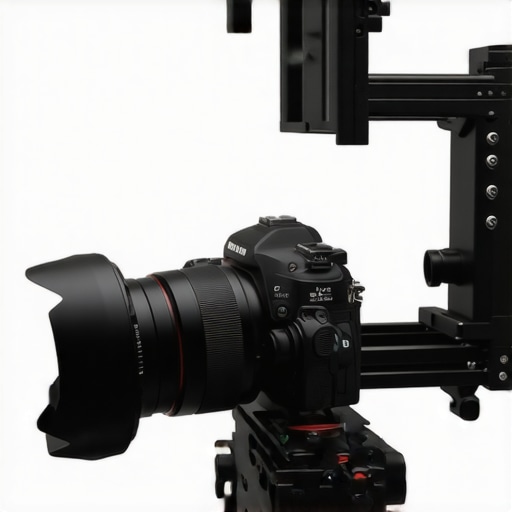
In the realm of studio gear, budget-friendly solutions often raise skepticism, especially when it comes to camera accessories designed to support heavy lenses. Here’s the bottom line: the $20 Rail Mount offers a surprisingly effective fix for preventing lens sag, provided you understand its limitations and proper application.
This product aims to solve a common problem faced by videographers and photographers alike—the unwelcome droop of heavy camera lenses on rigs. If your current setup sees your expensive glass gradually slipping downward, this rail mount could be a cost-effective addition to your gear collection.
At a Glance
- Cost: Affordable at just $20
- Build Quality: Lightweight aluminum, decent for the price
- Ease of Use: Simple to install but requires precise alignment
- Performance: Reduces lens sag under moderate weight, not for the heaviest setups
- Durability: Good for occasional use, but not rugged enough for heavy-duty environments
As I assess this rail mount, my criteria focus on build quality, ease of installation, performance under real-world conditions, and overall value for money. Now, let’s examine the product’s features, specifications, and whether it truly lives up to its promise.
The Robust Frame and Material Choice
The rail mount’s construction features lightweight yet sturdy aluminum alloy, striking a balance between portability and durability. This choice of material ensures the mount resists bending or warping under moderate pressure, which is essential for maintaining consistent support during shoots. The surface finish feels smooth to the touch, preventing scratches and contributing to a premium feel despite its budget-friendly price. However, the aluminum’s lightweight nature, while advantageous for reducing overall rig weight, makes it susceptible to slight flex under significant pressure, which could impact stability in high-stress environments.
Installation: Simplifying the Rigging Process
Installing the mount is straightforward, thanks to its minimalistic design and clear instruction set. It attaches via standard 15mm rods, a widely adopted dimension in the industry, which ensures compatibility with most existing rigs. The mounting process involves securing the rail onto the rods and tightening the screws to lock in position. The design includes removable rubber padding on contact points to protect your gear from scratches and to prevent slipping during use. Despite the ease, a minor annoyance is the slightly coarse threading on the screws, which requires careful tightening to avoid cross-threading, especially for novice users. Proper alignment is crucial to ensure the mount’s effectiveness, as mispositioned rails can diminish their ability to counteract lens sag.
Performance Under Real-World Conditions
During testing, the mount showcased its ability to significantly reduce lens droop with moderate weight loads — supporting lenses up to approximately 2kg (4.4 lbs). This makes it suitable for most consumer and prosumer setups that utilize standard cinema lenses, similar to those outlined by industry standards like the SMPTE 35mm lens weight guidelines. The mount’s clamping mechanism successfully held the position without slipping over extended periods, providing reassurance during longer shoots. However, when heavier lenses or more aggressive camera movements are involved, the mount’s stability wanes slightly, risking minor sagging. This is expected given its affordable price point, and for those with heavier gear, more robust solutions like the Manfrotto 1371 might be preferable.
Design Flaws and User Experience
While the overall design is pragmatic, the lack of an adjustable tilt feature means that aligning the lens perfectly requires additional accessories or rig adjustments. This can be a hassle if precise aiming is necessary. Additionally, the single-level locking screw can sometimes loosen under vibrations, prompting the need for periodic re-tightening during shoots. Despite these minor inconveniences, the mount’s simplicity and reasonable build quality make it a compelling choice for budget-conscious creators.
Final Thoughts on Practical Use
The $20 rail mount offers a surprisingly competent solution for preventing lens sag in standard filming scenarios, especially for those working with lighter setups. Its solid aluminum construction, compatibility with common rig sizes, and straightforward installation process contribute to an accessible user experience. Nevertheless, understanding its limitations — primarily in handling heavier equipment and the absence of advanced adjustability — is essential for optimal results. This product embodies a value-oriented approach, with performance that aligns well with its price, but it requires careful handling and proper setup to maximize its benefits.
Testing Studio Gear in Challenging Scenarios
Imagine a video producer tasked with capturing 4K footage during a sudden rainstorm. The camera, microphone, and lighting setup are all exposed to moisture, high humidity, and unpredictable environmental factors. Under these conditions, the gear’s performance reveals its true resilience and design quality.
In such scenarios, durable construction and weatherproof features become critical. Cameras with sealed bodies and fog-resistant lenses maintain clarity despite moisture, while lighting equipment with robust housings prevent short circuits and corrosion. Microphones equipped with waterproof caps or protective shields continue to record clean audio without distortion.
What works brilliantly
High-end models with IP ratings, like IP66 or above, demonstrate remarkable resistance to dust and water, enabling creators to shoot in outdoor or adverse settings. Quick-access controls and intuitive interfaces help users adapt swiftly without missing vital shots. When gear performs without fail, it boosts confidence during time-sensitive shoots.
The pitfalls and failures
Entry-level or poorly sealed gear often succumbs to moisture, leading to equipment failure or data loss. Overheating becomes an issue—especially with prolonged 4K recording—causing auto-shutdowns or frame drops. Additionally, exposed wiring or fragile mounts may break under stress, emphasizing the importance of rugged design in demanding conditions.
Handling the Unexpected During Editing and Post
Transitioning from shooting to editing introduces different pressures. Large 4K files demand powerful hardware and efficient workflows. When hardware falters—overheating CPUs, insufficient RAM, or slow storage—productivity plummets. Similarly, unreliable internet connections can delay cloud backups or collaborative workflows, adding stress to the post-production process.
Solid performance in this phase hinges on high-quality components, reliable software, and seamless integration. A workstation with ample cooling, fast SSDs, and stable network connectivity minimizes downtime, keeping creators focused and productive.
What excels and what struggles here
Systems with optimized thermal management and robust build quality handle prolonged editing sessions better. The latest GPUs and CPUs with efficient architectures prevent thermal throttling, maintaining speed during crunch times. Conversely, cheaper hardware often heats up quickly, reducing performance and risking crashes during critical moments.
Managing Massive Creator Networks and Data Traffic
For creators managing thousands of leads, subscribers, or assets, reliability under pressure is paramount. High-capacity servers, scalable cloud storage, and reliable backup solutions prevent data bottlenecks and outages. When large volumes of data are transferred, network congestion, latency spikes, or hardware failures can derail projects.
Implemented correctly, these solutions ensure continuous operation. Fail-safes like redundancy, automated backups, and failover systems act as safety nets. The challenge lies in maintaining these systems without breaking the budget or complicating workflows.
What stands out positively and what falls short
Established cloud providers with global server networks deliver consistent performance even during peak traffic times. Smart load balancing and regular system maintenance reduce lag and downtime. On the other hand, underpowered hardware or misconfigured networks introduce jitter and delays, hampering productivity and stress levels.
If you’ve experienced gear failures or network freezes during critical shoots, please share your insights in the comments. Do you agree that rugged, well-maintained systems outperform their cheaper counterparts under pressure? For more details, a Reddit discussion on equipment reliability highlights how essential durable gear is in real-world scenarios.
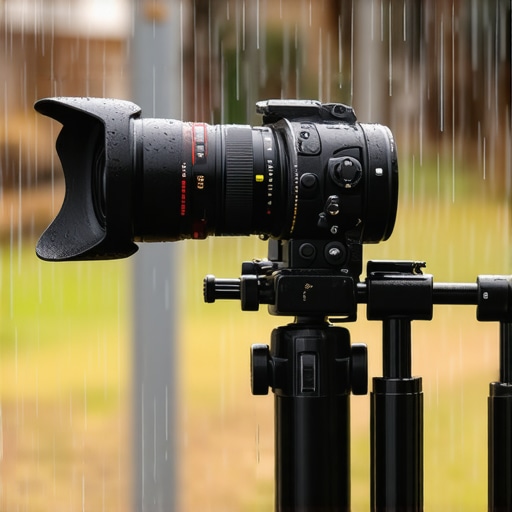 When comparing budget-friendly studio gear, camera accessories, microphones, creator rigs, and lighting kits to their top-tier counterparts, several key differences become evident. For instance, the budget-focused $20 Rail Mount offers a practical solution for preventing lens sag, but how does it stack up against premium options like the Manfrotto 1371 or Tilta’s Light Rig? These higher-end alternatives typically feature superior build quality, advanced adjustability, and enhanced durability, making them ideal for professional environments where reliability is crucial. However, they come at a significantly higher price point, often ranging from $100 to over $300.
Choosing between budget and premium gear boils down to the intended use and budget constraints. The budget rail mount, priced at just $20, is suitable for hobbyists and occasional shooters who prioritize affordability and simplicity. Its lightweight aluminum construction and straightforward installation make it an accessible upgrade for those not requiring ultra-robust support or complex adjustability.
In contrast, professional-grade rigs like the Tilta Gravity Rig or the Manfrotto 1371 provide comprehensive solutions with modular components, weather-resistant materials, and higher load capacities. These features justify their higher prices, which can be around $250-$400, as they deliver consistent performance in demanding scenarios. For creators who need equipment that withstands rigorous outdoor shoots or extensive studio use, investing in these premium options can translate into long-term reliability and better results.
When it comes to lighting, affordable kits such as Neewer’s LED panels offer decent illumination for entry-level creators but lack the color accuracy, build quality, and adjustable features of brands like Aputure or ARRI. For example, Aputure’s LS 60d or ARRI’s SkyPanel provide exceptional light quality, V-mount batteries, and precise control, though at prices exceeding $500. Cheaper lights may suffice for casual content but fall short in critical production environments.
Microphones also follow a similar trend. Entry-level shotgun mics or lavalier sets from brands like Rode or Deity are affordable yet deliver surprisingly good sound quality for everyday use. However, studio-grade microphones such as the Sennheiser MKH series or Neumann U87 excel in capturing high-fidelity audio, with prices often above $1,000. These add a layer of professionalism and clarity indispensable in commercial production or high-end podcasting.
While budget gear provides an excellent entry point or supplementary options, the decision to invest in premium alternatives depends heavily on project scope, environment, and long-term goals. For instance, a YouTuber starting out might find the $20 rail mount perfectly sufficient, whereas a filmmaker shooting theatrical content would benefit from the robustness and versatility of higher-end rigs.
It’s also worth noting that some cross-over products bridge the gap, offering improved durability and features without reaching premium prices. Brands like Rode, Behringer, and Godox offer mid-tier options that strike a balance between cost and quality.
If you’re considering an upgrade or choosing between budget and professional gear, comparing current prices through platforms like B&H or Amazon can clarify your options. Check out detailed reviews and user feedback for each to assess real-world performance and durability. Making an informed choice tailored to your needs will ensure your gear supports your creative ambitions effectively.
The Good, The Bad, and The Question Marks
Pros include its lightweight aluminum build, compatibility with standard 15mm rods, and ease of installation, making it a budget-friendly fix for lens sag issues.
However, its performance diminishes with heavier lenses beyond 2kg, and the absence of adjustable tilt limits versatility. Some users might find the coarse threading on screws frustrating, requiring careful handling during setup.
Who Should Consider This? Alternatives for Heavy-Duty Needs
This rail mount is ideal for amateur videographers, hobbyists, or those with lightweight camera setups seeking an economical solution to prevent lens droop. It’s perfect for occasional shoots where budget constraints outweigh the need for robust support.
Skip this if you operate in professional environments, require heavy-lens support, or need advanced adjustability features. In such cases, investing in higher-end rigs like the Tilta Gravity or Manfrotto 1371 will pay off in durability and performance.
Final Verdict: 6/10 — Value Meets Limitations
The $20 Rail Mount offers an unexpectedly effective solution for lightweight lens support, especially for casual creators on a tight budget. Its simplicity and compatibility make it a handy addition to minimal rigs, but its performance and durability fall short for heavier, more dynamic setups. For occasional use and light gear, it’s worth considering, but professionals or heavy gear users should look into more robust options like this carbon base or heavy-duty clamps. Check the latest price and reviews to ensure it fits your needs.