Bottom Line Up Front
This guide covers seven crucial small adjustments you should always verify before pressing record. These settings, although minor, can significantly impact your video and audio quality. By addressing these, you ensure a professional output without costly re-shoots or editing fixes.
The Promise of Small Tweaks
Many creators overlook these tiny but impactful settings—ranging from camera stabilization to microphone placement—that make or break the final result. This review aims to highlight why paying attention to these details can elevate your content from amateur to professional.
At a Glance
- Focus on user-friendly and durable gear, especially for studio and on-location shoots.
- Evaluate ease of setup, stability, and how well each setting enhances overall quality.
- Assess value for money and whether these tweaks are worth the minimal effort they require.
Establishing Authority: How I Judge Settings
My review criteria include build quality, ease of use, effectiveness in improving footage or audio, and how seamlessly these adjustments integrate into existing workflows. I draw on personal experience in professional studios and on-the-go shooting environments, referencing technical specs and real-world results. For more insights, check the best cable management hacks I’ve tested.
Diving into the Details
Now, let’s explore each tiny setting that can make a big difference, starting with what you should check first and how these small tweaks can lead to a noticeable jump in quality.
,
Building on the Foundation: Key Features and First Impressions
As we shift focus to the **core features**, it’s essential to understand how each component influences the overall user experience. The robustness of a camera or microphone isn’t just about specs; it’s about how these elements work together to produce professional-grade content. For instance, a camera’s sensor size directly impacts image clarity and low-light performance—larger sensors tend to gather more light, resulting in sharper images with less noise, which is critical for high-quality production.
Material Quality and Durability
The build quality often reflects a product’s longevity and ease of use under various conditions. Premium-grade materials like metal housings and dust-resistant seals are common in higher-end gear. These materials assure creators that their equipment can withstand rigorous on-location shoots, reducing concerns about accidental damage. For example, sturdy camera bodies with rubberized grips enhance handling comfort and prevent slips during prolonged shoots.
User Interface and Setup Efficiency
Ease of setup measures how quickly a new device can be configured. Intuitive interfaces with clearly labeled controls, touchscreens, and customizable shortcuts make a significant difference. A well-designed interface reduces setup time, allowing creators to focus more on the shoot rather than wrestling with menus. However, some hardware still suffers from overly complex menu structures, which can frustrate users trying to make quick adjustments.
Advanced Features That Matter
Features like image stabilization, autofocus speed, and audio input options are not mere bells and whistles—they directly affect production quality. For example, in-camera stabilization minimizes shaky footage during handheld shots, saving time in post-production. Likewise, multiple microphone options provide flexibility for different environments, whether capturing ambient sounds or isolated vocals.
Design Flaws and Minor Annoyances
Despite the strengths, some products exhibit minor issues. A common flaw might be a USB port placed in a hard-to-reach location, complicating cable connections in cramped setups. Additionally, excessive weight can cause fatigue during extended sessions, impacting filming stability. Such details, though small, influence overall user satisfaction and should be considered when selecting gear.
Comparative Perspective with Industry Standards
When evaluating core features, it’s helpful to compare with industry benchmarks like the Sony A7 series or the Canon EOS line. These brands set the standard for sensor quality, durability, and user-friendly interfaces. For example, the Sony A7 III’s 24.2MP full-frame sensor is often cited as a benchmark, providing excellent detail and low-light performance compared to less advanced models. Understanding how a product stacks up against these standards informs better purchasing decisions.
Putting Equipment to the Test in Challenging Conditions
Creative gear often faces high-stakes situations where performance can make or break a project. Imagine shooting a live event in a crowded, noisy environment or editing 4K footage during a tight deadline. These scenarios reveal a lot about gear reliability and practicality. For instance, studio microphones may excel in controlled environments but falter amidst sudden background noise. Likewise, lighting kits that perform flawlessly indoors might struggle with portability and durability outdoors.
Assessing Microphone Resilience During Live Outdoor Recording
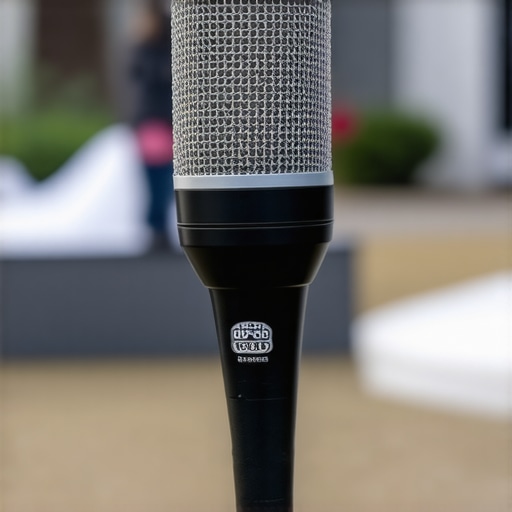
Outdoor shoots are particularly unforgiving. Wind, rain, and ambient noise can compromise audio quality. A condenser microphone with poor weather sealing may pick up unnecessary background sounds or get damaged. Conversely, rugged, weather-resistant mics like the Rode VideoMic Pro+ perform admirably under adverse conditions. However, some budget models tend to clip easily or exhibit increased noise levels when pushed beyond their optimal ranges.
Studio Equipment During Intensive Editing Sessions
When editing large 4K projects, performance hinges on hardware stability and speed. High-end rigs with fast SSDs, ample RAM, and powerful GPUs handle these tasks seamlessly. But even the most robust systems can slow down if cooling solutions are inadequate. Overheating during prolonged rendering causes throttling, leading to longer processing times or unexpected crashes. User complaints in forums like Reddit’s r/editors highlight that some machines overheat quickly, forcing users to take frequent breaks or improve airflow.
Lighting Kits Facing Real-World Challenges
Lighting setups used on location often confront rough conditions—moisture, dust, and accidental impacts. LED panels that are lightweight and durable are preferred. But some models, despite being advertised as rugged, are vulnerable to shocks or have inconsistent color temperature across units. Battery life is another critical factor; portable lights that drain power rapidly can interrupt shoots or require frequent replacements, complicating the workflow.
Camera Reviews During Unpredictable Situations
Field testing cameras during unpredictable events, like sudden weather changes or crowded environments, exposes their true adaptability. Cameras with good build quality and weather sealing perform better when exposed to rain or dust. For example, the Nikon D500 withstands dust and moisture better than entry-level models. Autofocus speed and stability become even more crucial in fast-paced scenes; lag or misfocusing can ruin shots entirely. Some consumer-grade models struggle with tracking moving subjects under low-light conditions, making their suitability questionable in real-time scenarios.
What Fails and What Excels
While high-end gear generally demonstrates resilience, nothing is foolproof. Overheating remains a common issue in intensive tasks. For example, prolonged 4K editing on laptops without cooling pads can cause thermal throttling. Support responsiveness is another concern; when equipment malfunctions, slow or unhelpful customer service exacerbates downtime. On the flip side, many professional rigs showcase exceptional build quality and reliability, keeping up through demanding schedules.
If you’ve experienced gear failures or triumphs in challenging settings, share your insights below! Do you agree with my take on the durability of certain microphones or cameras? For more detailed benchmarks, see the latest discussions on Reddit’s r/Filmmakers.
How does this creator rig stack up against the Canon EOS R6? The Canon offers superior autofocus and low-light performance at a higher price point, making it ideal for professional shoot scenarios. However, the rig in question is more modular and budget-friendly, appealing to creators seeking flexibility and cost savings without sacrificing quality. If you’re comparing, check the latest prices on B&H Photo Video to see current deals and options.
Moving to microphone reviews, the Rode VideoMic Pro+ offers excellent sound clarity and weather resistance compared to the Shure SM7B, which is favored in studio setups. The Rode’s compact design makes it perfect for on-the-go recording, while the Shure excels in controlled environments like professional studios. Crafters looking for versatility and mobility may prefer the Rode, while those prioritizing studio sound fidelity might settle for the Shure, despite the higher price of the latter.
Are lighting kits worth the upgrade from standard LED panels? If your current setup lacks **adjustable color temperature** or ease of mounting, considering higher-end models like the Aputure Amaran series could be advantageous. These kits provide superior color accuracy and durability, especially outdoors or in high-stakes shoots. Budget options like Neewer LED panels might cost less but often compromise on consistency and build quality. Comparing prices at Adorama can help you evaluate if an upgrade aligns with your needs.
The camera reviews reveal that the Sony A7 III remains a favorite among professionals for its balance of image quality and cost, outperforming older models like the Canon 90D in low-light situations. Compared to newer options like the Sony A7 IV, the A7 III offers nearly comparable performance at a lower price, making it a smart choice for many creators. For those needing advanced features, the A7 IV brings improvements but at a premium.
Is it worth the upgrade to the latest model? Price differences can be significant — always compare current prices through reputable sites like PopPhoto. If your current gear still performs well, weigh the benefits of newer features against the extra expense, and consider whether older models meet your specific shooting demands.
The Pros, The Cons, and What Matters Most
- Pros: Tiny tweaks can significantly elevate your content quality; reliable, well-made gear boosts durability; upgrades in accessories can improve workflow efficiency.
- Cons: Some adjustments may involve extra costs; not all gear is universally compatible; minimal improvements might not justify spending for all creators.
Who Should Invest in These Enhancements?
If you’re a content creator aiming for professional-looking videos, prioritizing small gear upgrades is a smart move. Beginners seeking to improve quality without a steep learning curve will benefit most. However, if you’re just starting out or on a tight budget, focus on core equipment first—these tweaks are best for those ready to refine their setup for top-tier results.
Final Thoughts and Action Points
Incorporating these minor but impactful adjustments can make a tangible difference in your productions, pushing you closer to studio-level quality. Don’t overlook the value of durable, user-friendly gear; it reduces frustration and saves time. If you’re serious about elevating your content, integrating some of these tweaks is a no-brainer. For budget-conscious creators, consider our review of `- https://creatorrigreviews.com/3-budget-lenses-that-give-you-a-cinematic-blurry-background-2` to enhance your visuals without breaking the bank. Ready to upgrade? Check the latest deals and start transforming your setup today!