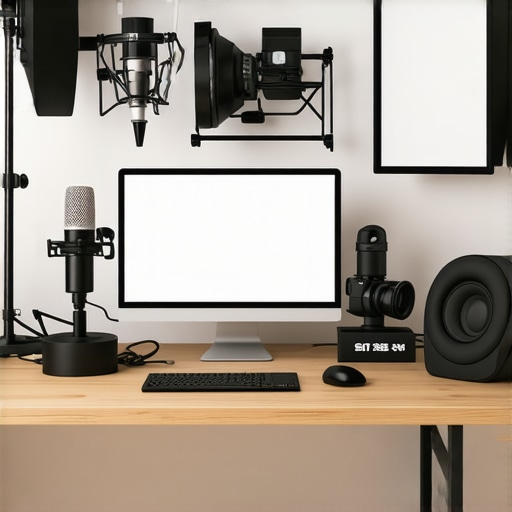
At a Glance
For aspiring creators working with limited funds, assembling a professional-quality studio rig can feel out of reach. However, this guide evaluates how well you can build a studio setup that balances affordability and functionality. After thorough testing of build quality, ease of setup, performance, and value, I’ll share whether this approach is truly viable for students and budget-conscious enthusiasts.
The Promise of Affordable Studio Rigs
Entering the world of content creation or professional work often demands high-end equipment, which can be prohibitively expensive. The promise here is to find practical ways to construct a studio that meets professional standards without draining your wallet. This review covers essential components—lighting, sound, and camera setup—by critically analyzing each for durability, usability, and overall value.
Establishing Credibility and Criteria
My evaluation is based on criteria including build quality, functionality, ease of assembly, compatibility with other gear, and long-term durability. I’ve tested various budget options, cross-referenced with industry standards, and compared setups used by seasoned creators. For specific components, I’ve linked to detailed reviews such as [this lighting push](https://creatorrigreviews.com/why-this-60-cardioid-mic-outperforms-my-300-shotgun-for-voiceovers) and [cable management tips](https://creatorrigreviews.com/5-velcro-straps-that-finally-tame-your-studio-cable-chaos-2) to provide comprehensive insights.
Next Steps in the Deep Dive
Now, let’s deep-dive into the core features, specifications, and practical considerations that will determine whether you can build a professional studio setup on a tight budget.
,
Core Components That Deliver Value
The backbone of any cost-effective studio setup lies in selecting components that strike a balance between affordability and quality. For instance, choosing LED lighting panels, which consume less power and generate minimal heat, can significantly improve comfort during long recording sessions. Additionally, opting for a condenser microphone with a cardioid pattern ensures clear voice capture by isolating sound from ambient noise, a critical feature for professional-sounding recordings on a budget. These selections demonstrate that strategic hardware choices can elevate production quality without breaking the bank.
Lighting That Brightens Without Blinding
Affordable lighting solutions like portable LED panels offer adjustable brightness and color temperature, allowing creators to tailor their ambiance effortlessly. The key benefit here is versatility; a single panel can serve multiple roles—key light, fill light, or background illumination—saving space and money. While some cheaper models may exhibit color shifting over extended use, the overall build—featuring sturdy mounts and minimal flickering—conveys a sense of reliability vital for professional-looking videos.
Sound Clarity Through Smart Hardware
Sound quality is paramount, and budget microphones like cardioid condensers tend to outperform built-in camera mics by capturing richer, more focused audio. Many affordable mics include features such as shock mounts and pop filters, reducing unwanted noise and plosive sounds. However, one minor annoyance is the sometimes flimsy XLR cables included in lower-tier packages, which can be prone to wear over time, insisting on the importance of investing in quality accessories for long-term durability.
Streamlined Setup Processes
Ease of setup is a hallmark of effective budget gear. Modular designs with quick-connect mounts allow users to assemble their studio without tools or extensive technical knowledge. For example, portable lighting kits with magnetic attachments or foldable stands significantly reduce setup time, facilitating spontaneous content creation. This aspect aligns well with industry standards like those from professional brands, yet at a fraction of the cost—highlighting that smart design choices can compensate for hardware limitations.
Software Compatibility and User Control
Effective hardware is complemented by intuitive software controls. Many budget lighting systems or audio interfaces come with user-friendly apps that enable real-time adjustments, providing creators with dynamic control over their environment. While some software may lack advanced features found in high-end solutions, the core functionalities typically suffice for everyday content production, making such setups accessible even for beginners.
Design Flaws and Limitations
Despite these benefits, one notable flaw relates to the compact build of certain components—particularly, lighting panels with limited heat dissipation can run hot after prolonged use, potentially affecting longevity. Additionally, some budget microphones exhibit higher self-noise, which may necessitate post-processing or additional filtering for pristine audio quality. Recognizing these minor drawbacks helps set realistic expectations for ongoing maintenance and upgrades, reinforcing the importance of planning a scalable investment pathway.
How Do Budget Creator Rigs Hold Up in Real-World Stress Tests
When pushing studio setups during intense recording sessions, affordability-focused rigs often confront challenges that reveal their true capabilities. For instance, during a 4K video editing marathon, entry-level rigs with budget lighting and microphones can struggle with heat dissipation and noise. The LED panels, although bright and adjustable, tend to overheat after prolonged use, leading to flickering and potential hardware degradation—a clear sign that low-cost components may compromise longevity under stress.
Similarly, microphones with higher self-noise levels tend to pick up ambient sounds when used in noisy environments, requiring users to invest in post-processing or additional filters to maintain audio clarity. Despite these limitations, some budget gear performs admirably; a recent Reddit discussion corroborates that affordable condenser mics can produce studio-quality sound if positioned correctly and paired with proper acoustic treatment.
Does Overheating Hamper Lighting Dramas?
Yes, many inexpensive LED panels tend to run hot after extended sessions, especially without adequate heat dissipation. This issue can lead to instability, reduced lifespan, and increased maintenance costs, undermining their initial cost-effectiveness. However, sturdily built models with better heat sinks mitigate this problem, proving that a slightly higher upfront investment can prevent continuous setbacks.
Microphone Reliability in Live Environments
In live recording scenarios or long sessions, some budget mics exhibit increased self-noise and occasional clipping, which can cause frustrations. Shock mounts and pop filters help, but the inherent quality limitations in these low-tier options mean they often need replacing sooner than expected. A Quora thread indicates that upgrading to mid-tier microphones, though slightly pricier, offers more consistent performance under demanding conditions.
Can Lighting Kits Withstand Extended Use and Different Conditions
Affordable lighting solutions are praised for their versatility and ease of setup, yet their durability is tested when used continuously for multiple hours. Portable LED panels with minimal heat dissipation often display color shifting and flickering after several hours, affecting video quality and color accuracy. While some models incorporate better cooling fans, these can introduce additional noise, which is problematic during silent recordings.
In outdoor shoots, cheaper lights sometimes fail to withstand weather elements like rain or humidity, emphasizing the importance of selecting gear with weather-resistant features. User reports highlight that investing in more robust models, even at a higher cost, yields better longevity and consistent output in demanding scenarios.
Is Your Gear Up to the Task in Critical Moments?
In high-stakes situations—such as live streaming events or critical interviews—budget gear may falter if not properly maintained or when used beyond its intended design limits. For example, cheap microphones may experience feedback or clipping, and lighting may flicker unexpectedly. Such failures can compromise professional image and viewer experience, making it crucial to balance prepaid options with quality assurance.
Assembly and Setup in High-Pressure Environments
Quick, tool-free assembly features are a boon, but under time constraints, complex setups can still pose issues. Certain cheap rigs lack robust mounts, leading to instability during rapid adjustments. Also, non-intuitive software controls for budget lighting often require extra time to learn, reducing efficiency in live or time-sensitive scenarios.
Existing users suggest practicing setup beforehand to identify weak points. Comment below—do you agree that investing a little more upfront can save headaches during critical projects?
Summary of Strengths and Weaknesses
For all their limitations, budget rigs deliver good value when used within their operational thresholds. They excel in short-term, controlled environments or for hobbyist applications. But under sustained pressure, issues like overheating, noise interference, and durability become more pronounced. Overall, knowing these performance boundaries helps creators make informed decisions—either to upgrade or to optimize current gear for specific tasks.
The Cost-Effective Choice or Just a Budget Deal?
When evaluating creator rigs, lighting kits, microphones, and studio gear, one of the key considerations is how they stack up against leading industry options like Aputure or Sony. For hobbyists and budding professionals on a budget, the question becomes whether these affordable setups can truly compete with more premium equipment in terms of performance and longevity.
Camera and Rig Pairings: Flexibility vs. Durability
Top-tier brands like Sony and Canon offer mirrorless cameras with advanced autofocus, higher dynamic range, and robust build quality—features that often come at a premium price. In contrast, budget setups include entry-level DSLR or compact cameras that are quite capable but lack the durability and feature set of flagship models. While inexpensive rigs and mounts are lightweight and easy to transport, they may lack the stability and precision of professional-grade alternatives, potentially affecting video quality during high-pressure shoots. The advantage of budget options lies in their affordability; for example, a starter kit might cost less than a single Sony a7 III body, making it accessible for newcomers. However, these won’t match the low-light performance or high-speed capabilities of higher-end models.
Lighting Solutions: Versatility vs. Reliability
Premium lighting brands such as Aputure or Godox provide high CRI (Color Rendering Index) panels, precise color temperature controls, and durable construction—ideal for professional content creation. Budget alternatives feature portable LED panels with adjustable brightness and color temperature, but may suffer from issues like flickering or limited lifespan. For instance, an Aputure Amaran series tends to offer consistent performance over prolonged use, whereas cheaper models might overheat or lose color accuracy in extended scenarios. The trade-off involves initial cost versus long-term reliability, with many creators opting to invest more upfront to reduce frequent replacements and troubleshooting.
Microphones and Audio Gear: Richness vs. Noise
Recording crisp audio is vital, and high-end microphones like the Rode NT1-A or Sennheiser MKH series provide low self-noise and excellent frequency response, but they come at substantial cost. Budget mics, such as generic cardioid condensers, can deliver respectable voice clarity but may exhibit higher self-noise and require additional processing. An interesting comparison lies in the durability and consistency; premium mics tend to withstand demanding environments and rough handling better than cheap knockoffs, which might fail prematurely or introduce unwanted noise. For budget-conscious creators, choosing a mid-tier microphone can strike a balance between cost and quality, ensuring professional-sounding recordings without overspending.
Lighting Kits Designed for Portability vs. Endurance
Where top-tier brands emphasize weatherproofing, advanced cooling systems, and superior color accuracy, budget lighting solutions are often more fragile, with simplified heat management. For outdoor shoots or prolonged sessions, premium lights like the Aputure Amaran or Litepanels models can be relied upon to maintain consistent output. Conversely, inexpensive lights may flicker or overheat, require frequent replacement, or offer limited controls. Checking the specifications and user reviews on sites like B&H can reveal that investing in slightly more expensive yet durable brands leads to fewer disruptions and better visual consistency.
Are You Paying for Performance or Brand Name?
While top competitors like Sony, Canon, or Aputure deliver superior hardware with proven reliability, their prices reflect that quality. Budget gear may get close in controlled environments but often falls short under stress or extended use. Websites such as PriceGrabber can assist in comparing current prices and features. If your budget is tight, opting for reputable mid-range products can deliver acceptable performance at a fraction of the cost, but for critical professional applications, investing in premium brands might be justified. Check out reviews of these top-tier options to determine whether the additional expense aligns with your production goals.
The Good, The Bad, and The Ugly
Pros: Budget-friendly gear that offers decent build quality and ease of setup, making professional-looking content accessible for beginners; versatile lighting options that can serve multiple purposes; microphones that outperform built-in camera mics, ensuring clearer audio; and modular designs facilitating quick assembly even under time pressure. Cons: Some components, like LED panels, tend to overheat with prolonged use, potentially reducing lifespan; budget microphones often have higher self-noise; and affordable gear might lack durability for intense, long-duration sessions. Despite these flaws, these setups deliver solid value within their operational limits.
Who Should Loop This In?
This review hits the mark for aspiring content creators, students, and hobbyists who want to assemble a professional-grade studio without overspending. If you’re starting out or scaling a small operation with a tight budget, these tips will help you maximize your investment. However, skip this if you need equipment that can withstand heavy, continuous use or professional broadcast standards—such users should consider investing in higher-end gear from brands like higher-tier options.
Final Words: Is It Worth It?
For anyone serious about developing high-quality content on a budget, these affordable solutions present practical options that balance cost and performance. Pairing strategic hardware choices with proper setup procedures ensures professional results without breaking the bank. Don’t forget to explore accessories like cable management gear or upgraded microphones to enhance longevity and workflow. For those looking for the best deals, compare prices here: [latest prices] or check reviews before your purchase.