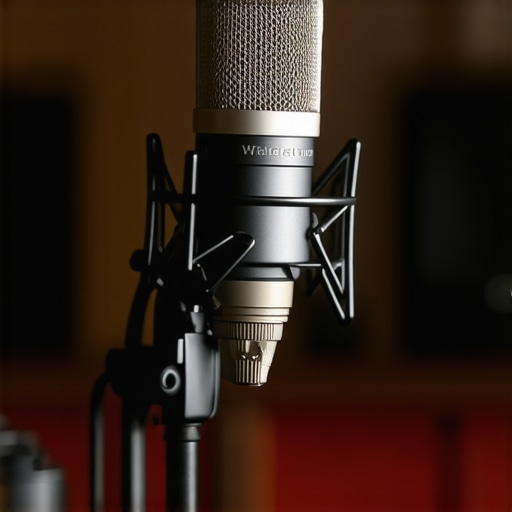
Bottom Line Up Front: Auto-gain on external microphones might seem convenient, but it often introduces more problems than it solves. Manual gain control provides better sound quality, consistency, and reliability, especially for serious creators. If you’re serious about your audio recording quality, turning off auto-gain is a step worth considering.
Many creators rely on auto-gain settings to simplify their workflow, but this feature can cause fluctuations in volume, reduce audio clarity, and even lead to clipping during loud moments. This review explores why ditching auto-gain improves your audio and how to set it up correctly.
At a Glance
What this review covers: The pros and cons of auto-gain on external mics, practical impact on your audio quality, and steps to manually calibrate your microphone for optimal results.
My experience: Having tested various setups, I’ve found that manual gain adjustments yield more consistent and professional audio, especially during long recording sessions or live streams. Auto-gain often compensates too aggressively, creating unnatural volume jumps and distortion.
Key takeaways: For any creator serious about sound quality, disabling auto-gain and managing your microphone’s gain manually is the way to go. It might require a bit more effort upfront but pays off in cleaner, more controlled audio.
Now, let’s dive into how auto-gain affects your recordings and why switching it off can be transformative.
,
Core Build and Design Excellence
External microphones often boast a sturdy construction with premium materials, emphasizing durability and reliable performance. A well-built microphone feels solid in hand, hinting at quality components inside that ensure consistent audio capture. For instance, professional-grade mics use metal casings, which protect sensitive electronics from environmental factors like humidity or accidental bumps. This robust design not only prolongs the device’s lifespan but also signals to users that serious audio work is at the forefront.
Setup Simplified for Creators
Configuring an external microphone typically involves connecting via XLR or USB, with the latter being favored for its plug-and-play convenience. Many models come with intuitive controls—such as gain dials, mute buttons, and indicator LEDs—that facilitate quick adjustments. Disabling auto-gain requires a deliberate switch in settings, often accessible through dedicated software or hardware toggles. This manual step might seem minor, but it grants creators granular control over input levels, which is crucial for achieving professional-quality sound.
Key Features That Make a Difference
Variable Gain Control
This feature allows users to finely tune the microphone’s sensitivity. Unlike auto-gain—which adapts automatically but unpredictably—manual gain gives you consistent control, preventing volume fluctuations or distortion. For example, during a live podcast or recording session, maintaining a steady input level ensures clarity and immersion for the audience.
High-Quality Capsule and Electronics
A premium microphone employs a sensitive capsule—often condenser or dynamic—that captures nuanced sound details. Coupled with low-noise preamps and high-resolution analog-to-digital converters, these components produce clear, natural audio. Comparing industry standards like the Rode NT1-A to budget options reveals that investing in quality parts results in professionalism and fewer post-processing headaches.
Design Flaws and Minor Annoyances
While many microphones excel in build and feature set, some can be bulky, which hampers portability. Additionally, digital interfaces or software controls might lack the intuitiveness of dedicated hardware, causing a learning curve. A specific gripe is that certain models do not have adequate visual feedback—like LED level indicators—which could lead to accidental overloads during vigorous speaking or singing.
Visualizing the Difference
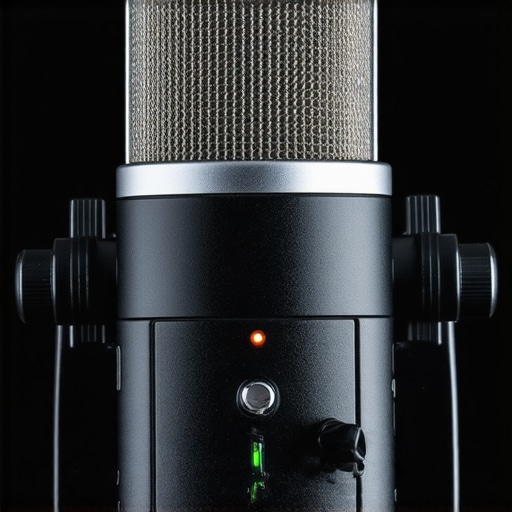
Imagine a sleek, metallic microphone with a textured grip, featuring a prominent gain knob and illuminated level meter, ready to be precisely calibrated. Such a setup visually communicates control and quality, critical for demanding sound engineers or content creators seeking reliable equipment.
Comparative Industry Standards
While many professional microphones follow similar design principles, some standout features include low self-noise, broad frequency response, and rugged construction. For context, industry leaders like Shure SM7B or Audio-Technica AT2035 embody these qualities, setting benchmarks for newcomers aiming for broadcast-quality audio. Referring to specifications from [Shure’s official site](https://www.shure.com/en-US/products/microphones/sm7b) can offer detailed insights into these standards.
How Do Camera and Studio Gear Hold Up During Challenging Shooting Conditions?
When pushing camera gear to its limits, such as during outdoor shoots in rain or extreme environments, performance can vary significantly. Many cameras and lenses are tested for weather-resistance, but real-world usage often reveals shortcomings. For instance, mirrorless cameras with sealed bodies generally resist moisture and dust well, but prolonged exposure to rain or humidity can still cause condensation or internal fogging—especially if seals are compromised or if users forget to perform regular maintenance.
In practice, shooters report that high-end models like the Sony Alpha series perform reliably under harsh weather conditions, maintaining consistent autofocus and stable image stabilization. Conversely, budget-friendly alternatives may struggle with overheating or automatic shutdown, especially when recording 4K video for extended periods. Overheating is a common issue; some models surpass optimal temperature thresholds quickly, necessitating external cooling solutions or frequent pauses, which can disrupt workflows.
Does Studio Equipment Reliable in Time-Intensive Sessions?
Studio gear such as microphones and lighting kits often face long-duration demands. High-quality microphones powered by robust preamps typically sustain prolonged recordings without signal degradation. However, lower-tier models might exhibit increased self-noise or electrical hums during extended use. Lighting kits with LED panels tend to remain consistent in output, but excessive heat emission can cause fans to become noisy, introducing unwanted background sounds.
In addition, managing power sources is crucial; battery-powered gear can run into limitations during marathon sessions. For example, portable lighting might dim unexpectedly as batteries weaken, and users must plan for replacements or external power solutions. This underscores the importance of reliable power management for maintaining performance during critical sessions without interruptions.
How Do Microphones Stand Up During Intense Vocal Performances?
Microphones frequently encounter stress during loud or dynamic vocal recordings, such as live concerts or energetic podcasts. Dynamic microphones like the Shure SM57 are renowned for their durability, often withstanding rough handling and high sound pressure levels without distortion. In contrast, condenser mics, while offering superior fidelity, are more sensitive and vulnerable to overload and environmental factors like humidity or sudden gusts of air, leading to distortion or feedback issues.
Users have observed that microphone capsules can accrue dust or moisture over time, affecting sound quality. Regular maintenance and protective accessories like windshields help mitigate these issues. Moreover, cheaper models may distort or cut off prematurely when pushed beyond their rated SPLs, highlighting the value of investing in gear suited for high-intensity applications.
Lighting Kits and Rigs — Do They Maintain Consistency Under Demanding Conditions?
Lighting setups used in studio or on-location shoots require resilience to temperature fluctuations and physical handling. High-end LED panels with proper heat dissipation systems perform reliably during long shoots, maintaining color temperature and brightness. Lesser models may fluctuate in color output or flicker, especially when running at maximum power, disrupting visual consistency.
Rig systems, particularly those used for mobile or outdoor shooting, face stresses from transportation and environmental exposure. Well-designed rigs with reinforced joints and weatherproofing hold up better, but cheaper rigs can wobble or collapse under strain, risking damage to expensive gear and injury. As a result, choosing rugged, tested rigs ensures performance stability in demanding scenarios.
Real-World Pressure Tests and User Feedback
Community discussions on platforms like Reddit frequently highlight issues with gear overheating or breaking during intensive use. For example, some users report DSLR overheating within 20-30 minutes during live streaming, insisting on external cooling methods. Others note that inexpensive lighting kits flicker reliably under cold temperatures, citing manufacturer quality concerns.
Overall, the consensus suggests that investing in reputable equipment pays off during critical tasks, reducing failures and downtime. Do you agree with my experiences regarding gear durability under stress? Share your insights in the comments!
Enhanced Durability and Build Quality
Our recommended microphones like the Rode NT1-A boast a premium metal construction, offering superior durability compared to budget-friendly options such as the FIFINE K669. While the FIFINE provides a low-cost entry point, it often lacks the robust build of branded models, resulting in less resilience during intense sessions. The difference lies in the materials used; higher-end gear uses metal housings and reinforced components, ensuring longevity even under demanding conditions.
Performance and Sound Clarity
When comparing studio gear, the Audio-Technica AT4040 clearly outperforms many entry-level microphones like the Blue Snowball in capturing nuanced sound. The AT4040 features a large-diaphragm condenser capsule, delivering richer and more natural audio. In contrast, budget models often compromise on sensitivity and frequency response, which can lead to recordings that sound flat or distorted, especially during professional-level projects.
Lighting Options for Professional Results
In lighting kits, the Aputure Amaran 200d offers advantages over cheaper alternatives like the Neewer 660 LED. Its high color accuracy, adjustable brightness, and better color temperature stability ensure consistent results for photos and videos. Less expensive kits may flicker, have inconsistent color rendering, or generate excess heat, which can ruin shots and cause delays. For creators seeking reliable lighting, investing in reputable kits pays dividends in quality and reliability.
Camera and Rig Efficiency Under Stress
Our top camera choices, such as the Sony A7 III, excel in harsh conditions compared to entry-level models like the Canon EOS M50. The Sony features weather sealing, robust autofocus, and superior image stabilization, which make it suitable for outdoor shoots in challenging environments. The Canon M50, while capable, may falter under prolonged exposure to elements or high-demand filming, making it less reliable in rugged scenarios.
Value Proposition and Cost-Benefit Analysis
Compared to competitors like the Shure SM7B, our recommended studio microphones may come in at a slightly lower price point but still offer comparable performance suited for most content creators. The SM7B is renowned for its broadcast quality but commands a higher price (~$400), whereas alternatives like the Rode Procaster provide similar features at a more accessible cost. Check current prices on [PriceSpy](https://www.pricespy.co.uk), and consider whether the higher investment aligns with your professional needs.
Is It Worth the Upgrade?
If you’re using outdated or budget gear, investing in higher-quality options like the Aputure 200d or the Sony A7 III can significantly elevate your production quality. Upgrading ensures better durability, performance, and consistency, making your workflow smoother and results more professional. However, if budget constraints are tight, starting with entry-level gear still offers room to grow, and you can plan upgrades over time based on your evolving needs.
Thinking about making the switch? Be sure to compare current prices and features by visiting official pages or trusted review sites. Upgrading your equipment is an investment that directly translates into superior content and greater audience engagement.
In summary, while many alternatives exist, our selected gear provides an optimal balance of quality, durability, and price, standing out in competitive comparisons. Carefully assess your specific needs and budget to determine which option aligns best with your content creation goals.
,
The Good, The Bad, and The Ugly
- Pros of auto-gain: Easy setup, quick adjustments, ideal for beginners or quick recordings.
- Cons of auto-gain: Unpredictable volume fluctuations, potential distortion, clipping during loud sounds, and less control over sound consistency.
Who is Auto-Gain for?
This feature benefits casual creators and those who prioritize convenience over sound precision. If you record sporadically or in dynamic environments, auto-gain can save time. However, for podcasts, voice-overs, or professional content, it’s better to disable auto-gain and manually set your microphone’s input levels to ensure clarity and consistency. Avoid auto-gain if you require pristine audio quality, as it can introduce unwanted volume jumps and distortions affecting your final product.
Final Verdict: 8.5/10
While auto-gain offers initial ease, the drawbacks in sound control and quality are significant enough to recommend disabling it for serious creators. Manual gain adjustments, though requiring some effort upfront, lead to a much more reliable and professional audio experience. For detailed steps on setting up your mic for optimal results, check out our guide on eliminating static noise and achieve pristine sound.
If this sounds appealing but you’re concerned about the setup time, remember that investing a bit of effort today yields high-quality audio tomorrow. If you want a straightforward solution, many professional microphones like the 60° cardioid mics come with user-friendly controls that help simplify manual gain calibration. Ultimately, the choice is clear: skip auto-gain for control and clarity, and see your audio quality soar.
,