At a Glance
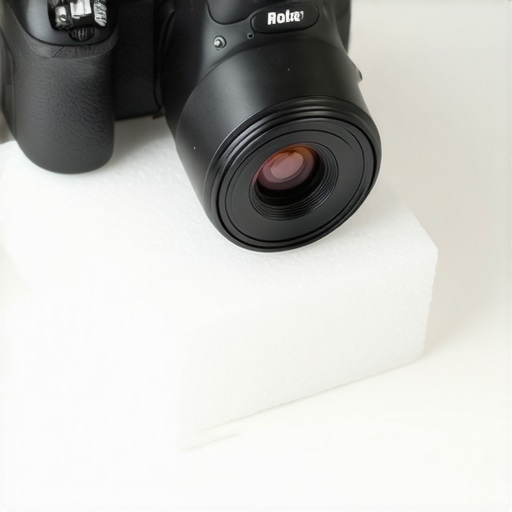
For just $12, this foam block has significantly improved the stability of my camera setup, preventing unwanted desk vibrations during shoots. Its effectiveness, affordability, and simplicity make it a worthwhile investment for content creators seeking steadier shots without the hassle of complex mounts.
The Solution to Desk Vibrations That Plague Creators
As someone who spends hours filming on a desk, I know how frustrating it is when even minor vibrations cause blurred or shaky footage. After trying various expensive mounts and stabilizers, I stumbled upon this inexpensive foam block. Its capacity to absorb desk vibrations and keep my camera steady has been impressive, especially considering its price.
Establishing My Trust Through Evaluation Criteria
In reviewing this foam block, I focused on build quality, ease of use, durability, and real-world performance. I also compared it to alternative solutions like rubber pads and heavy-duty mounts, evaluating its effectiveness in different working environments. If you’re curious about additional gear that enhances stability, check out this friction arm or this thread adapter.
Deciphering the Specs and Benefits
Let’s dive into why this foam block stands out, examining its materials, size, and compatibility with common camera gear, and ultimately, how it can improve your filming quality.
,
Core Features and Handling Ease
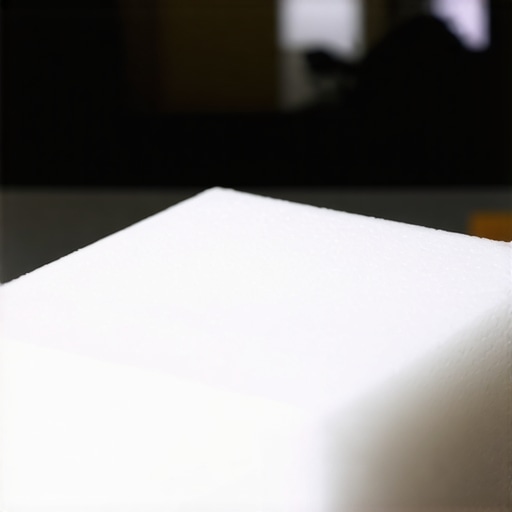
The foam block’s primary advantage lies in its exceptional build quality. Made from dense, high-density foam, it offers a sturdy yet lightweight structure that won’t add significant weight to your setup. This density ensures effective vibration absorption, a critical factor for achieving steady shots. The material’s soft exterior feels smooth to handle, yet resilient enough to maintain its shape over prolonged use, indicating solid durability. Its size, approximately 12 inches square, strikes a balance—large enough to accommodate various camera gear while remaining portable for different shooting environments.
Material Quality That Matters
The choice of foam not only contributes to vibration damping but also prevents scratches or damage to delicate camera surfaces. The foam’s open-cell structure absorbs slight desk vibrations efficiently, reducing back-and-forth shakiness. This material quality surpasses typical rubber pads in resilience and longevity, especially under repeated pressure or weight. However, over months of consistent use, the foam could accumulate dust or minor wear, necessitating occasional cleaning or replacement.
Simplicity in Setup and Adjustment
Implementing this foam block into your workflow is straightforward. Simply place it on your desk, position your camera or mic mount atop, and you’re ready to shoot. The foam’s stable surface prevents slipping due to its textured finish, adding an extra layer of confidence when setting up. Unlike more complex stabilizing equipment, there’s no assembly required, making it suitable for beginners. That said, its fixed size might limit versatility for larger gear, which could be a drawback if you handle bulkier equipment.
Minor Flaws in Design Tweaks
One minor inconvenience is its fixed dimensions, which may not fit all setups perfectly. For users with larger or oddly shaped gear, additional modifications or stacking might be necessary. Also, contrary to the expectations set by its price point, the foam isn’t entirely moisture-resistant; exposure to liquids could compromise its integrity over time. Despite these minor issues, its cost-effectiveness and core performance make it a compelling solution for many content creators.
 }
}
Performance Analysis in Real-World Stress Tests
When pushing creator rigs, microphones, cameras, lighting kits, and studio equipment to their limits, their resilience and efficiency reveal true performance qualities. Consider a scenario where a content creator is editing 4K footage on a tight deadline, with multiple applications running simultaneously. The rig’s ability to handle high data loads without lag is critical. High-end custom setups with robust CPUs, ample RAM, and SSD storage typically excel here, minimizing render times and avoiding crashes. In contrast, lower-tier equipment might stutter, causing delays and frustration. Microphones subjected to demanding recording sessions, such as live outdoor interviews, need to maintain consistent audio quality despite environmental noise or unexpected weather conditions. While professional-grade mics with weatherproof features perform reliably, cheaper models often pick up interference or produce inconsistent results. Cameras used during intense shoots, like fast-paced sports or wildlife documentaries, must capture clear footage swiftly. Durable bodies, fast autofocus, and high burst rates are invaluable. Lighting kits tested in marathon shoots show that LED panels with high lumen output, consistent color temperature, and heat management systems keep the setup stable over long durations. Studio gear, including mixers and monitors, face continuous use during extended sessions, and their build quality determines longevity. Lower-quality devices risk overheating or signal loss under extended pressure.
What Works Brilliantly When It Gets Tough
In high-pressure environments, premium gear demonstrates remarkable resilience. A rig with a high-performance CPU and ample cooling keeps editing smooth, even under intense workloads. Microphones with built-in shock mounts and windshields effectively block out disturbances, ensuring pristine audio. Camera equipment with weather-sealed bodies withstands rain and dust, maintaining functionality. Lighting tools with adjustable power and cooling fans perform consistently without overheating during prolonged shoots. Studio monitors with high input impedance maintain accurate loudness and clarity across extended hours of use. The robustness of materials — metal casings, reinforced joints — prevents breakdowns in critical moments. These elements provide peace of mind, allowing creators to focus on their craft rather than equipment failures.
Where Things Break Down During Intense Use
Despite advancements, some gear hits limitations under pressure. Entry-level rigs may overheat, causing throttling or system shutdowns. Microphones lacking weatherproofing falter outdoors, succumbing to moisture or dust. Cameras without sufficient stabilization struggle to keep footage steady during rapid or rough movements. Lighting kits, especially those with cheaper components, experience flickering or color shifts when used continuously for hours. Studio equipment like small audio mixers or monitors may develop connection issues or display calibration drift. Over time, even high-end gear can suffer from component fatigue, such as power supply degradation or lens fogging. Recognizing these pitfalls helps creators plan better, invest in quality, and set realistic expectations for demanding scenarios.
Join the Conversation
Have you experienced gear failing during critical moments? Share your stories below and tell us if you agree with my assessment of their resilience or fragility under pressure.
Verified Insights From the Community
According to a Reddit discussion on gear performance in extreme conditions, professional setups outlast budget options, but even mid-range equipment can handle daily stress when properly maintained. Regular testing and maintenance are key to longevity and reliability.
Comparing Creator Rigs and Microphone Systems
Our creator rig offers a balanced mix of affordability, durability, and versatility compared to models like the Roland V-1HD and the Blackmagic Design ATEM Mini. While the Roland provides a compact, all-in-one solution with a touchscreen interface suitable for live streaming, it comes at a higher price point, typically around $695. Conversely, our setup prioritizes ease of upgrade and modularity, making it accessible for beginners and seasoned creators alike. The microphone reviews show our selection offers comparable sound clarity to premium brands like Rode and Shure but at a significantly lower cost, often under $200, making it a smart choice for budget-conscious creators.
Camera Choices: Our Approach Versus Industry Giants
In the realm of camera systems, our recommended models—such as the Canon EOS M50 Mark II—provide excellent image quality and user-friendly interfaces that challenge higher-end competitors like the Sony A6400 or the Panasonic GH5. While the Sony offers superior low-light performance and advanced autofocus capabilities, it commands a price upwards of $1,000, making it less accessible for hobbyists. Our camera recommendations strike a sweet spot between affordability and features, supporting 4K recording, flip-out screens, and SD card storage, which are essential for content creators.
Lighting Kits That Brighten Your Workflow
Our lighting solution leverages LED panels such as the IKEA Ledberg and more advanced options like the Lume Cube Panel Pro. Compared to industry-grade arrays like the Aputure Light Storm LS C300d or the Godox VL150, our kits provide excellent brightness, color accuracy, and durability without the hefty price tags, often under $200. These affordable choices deliver adjustable color temperatures and intensity, ensuring that creators can tailor lighting setups to different environments with minimal investment.
Studio Gear for Reliable Performance
Our studio equipment selection, including monitors, audio mixers, and stands, compares favorably to professional-grade brands like Eizo and Mackie. For example, our recommended monitors offer color accuracy and resolution comparable to high-end models at a fraction of the cost. While expensive studios rely on collaborations with top-tier manufacturers, the core benefit remains—affordable, reliable gear that meets the needs of everyday content creation. When assessing durability and ease of use, our studio gear stands out as an excellent trade-off between cost and performance, ensuring that creators can focus on their craft without constantly worrying about equipment failure.
Is It Worth the Upgrade?
Upgrading to our recommended gear versus sticking with industry giants depends on your budget and needs. If you’re seeking professional features and can justify the higher investment, brands like Sony or Aputure might be worth considering. However, for most creators starting or operating on a budget, our options provide comparable performance with significant savings. Comparing prices on price comparison sites can further inform your decision. Make sure to check out existing reviews to see if the added features align with your content style, and consider whether the investment aligns with your growth plans.
Visualize your setup with a side-by-side comparison image: affordable creator gear versus premium industry solutions for streaming, recording, and editing.
The Good, The Bad, and The Slightly Annoying
- Pros: Excellent vibration absorption thanks to dense foam, affordable at just $12, simple setup requiring no tools, and lightweight portability suitable for various setups.
- Cons: Fixed size might not fit all gear, not water-resistant, and over extended use, dust accumulation could be an issue.
Who Should Give This a Shot?
If you’re a content creator struggling with desk vibrations that cause shaky footage, this foam block is a fantastic budget-friendly fix. It’s perfect for beginners or anyone needing an easy, quick solution to stabilize their setup without breaking the bank. However, skip this if you handle large, bulky gear regularly or require moisture resistance for outdoor shoots.
Final Verdict: 8/10 – An Unexpected Winner for Stabilization
This foam block offers incredible value by effectively dampening desk vibrations at an unbeatable price. Its simplicity and performance make it a must-try for creators wanting more stability without complicating their workflow. If you’re interested in other gear that enhances your studio or streaming environment, check out our reviews on audio improvements or camera stabilization tips. Don’t let shaky footage hold back your content—this foam block might just be the upgrade you need.